Suede, Nubuck, or Roughout: How to Pick and Care for Your Leather
Published on: September 5, 2026 | Last Updated: September 5, 2026
Written By: Harriet Nicholson
Hello Tannery Talk. That soft, napped leather you love can be confusing-is it suede, nubuck, or roughout? Knowing the difference saves your gear from wear and tear.
We will cover how each one feels under your fingers, the specific steps to keep them clean and supple, and which projects they are built for.
From conditioning Scout’s wallet to brushing down Mason’s saddle, my hands-on craft gives you trustworthy advice.
Feel the Difference: Identifying Your Leather by Texture
First, a simple truth. Suede, nubuck, and roughout are all genuine leather. The difference is all in the surface. Think of it like different finishes on wood: sanded, polished, or left rough. Your care plan starts the moment you identify which one you have. Understanding how to identify and care for each type is essential.
Here is how they are made.
- Suede comes from the underside. A thick hide is split into layers. The soft, fuzzy inner layer becomes suede.
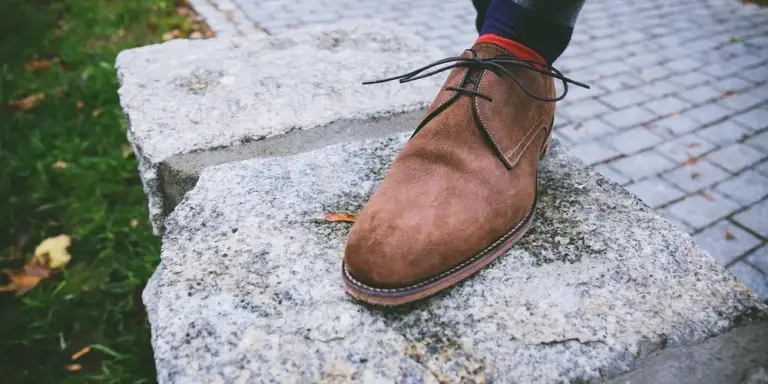
- Nubuck (pronounced ‘new-buck’) starts as a premium top-grain leather. Its surface is lightly sanded to raise a velvety nap.
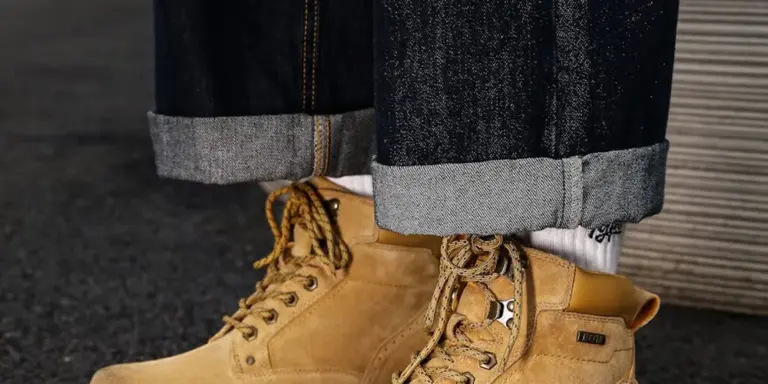
- Roughout is the full thickness of the hide turned inside out. The tough, fibrous underside becomes the outer surface.
You can tell them apart with your fingers. Pick a small, inconspicuous spot.
- Lay your finger flat and rub it gently in one direction. Note the color and feel.
- Now rub it back the opposite way.
If the color changes noticeably and the nap feels uniformly soft and deep, you are likely holding suede. It is the most plush and shows the clearest “nap shift.” Nubuck will also change color slightly when rubbed, but the nap feels finer and tighter, like peach skin. Roughout feels more rugged and dry. Its color shift is subtle because you are feeling the dense, fibrous inner layer of the hide.
You find these leathers in different places. My old work boots are roughout; that tough inside-out hide shrugs off scrapes. My friend’s jacket, let’s call her June, is a beautiful nubuck. It has that refined, velvety look but marks easily. Suede shows up in dressier items like gloves or elegant handbags where that luxurious feel is the whole point. That balance—durable yet stylish—is what you look for in a jacket. Are the best types of leather truly durable and stylish enough for everyday wear?
The Side-by-Side Comparison: Strengths and Weaknesses
This table shows their core traits at a glance.
| Type | Texture & Look | Durability | Water Resistance | Common Uses |
| Suede | Soft, deep, uniform nap. Luxurious matte finish. | Least durable. The split inner layer is more fragile. | Very low. Absorbs water and stains quickly. | Fashion jackets, gloves, handbags, shoes. |
| Nubuck | Fine, velvety nap. More refined look than suede. | Moderate. The top-grain base is strong, but the sanded surface is delicate. | Low. Will spot and darken with moisture. | High-end jackets, boots, bags, furniture. |
| Roughout | Rugged, dry, fibrous feel. A utilitarian look. | Most durable. The tough outer layer of the hide is now on the inside of the item, protected from direct abrasion. | Low naturally, but often treated with waxes for weather resistance. | Work boots, outdoor gear, historical reenactment items. |
Why is roughout so tough? Imagine a sturdy leather belt. The smooth side you see is the durable outer layer. The rough side against your pants is softer. For roughout, that tough outer layer is turned *inward*, becoming the item’s interior. The outside you see and scuff is the more forgiving inner layer. Scratches blend right in.
You might see people online comparing these to oiled leather. That is a different world. Oiled or waxed leathers have a sealed, protective top coat. They are workhorses meant to get wet and dirty. Suede, nubuck, and roughout are porous and absorbent. Treating a nubuck jacket with heavy oil like you would a work boot will ruin its texture and color permanently.
This leads to the most important rule. Your care strategy is not one-size-fits-all. Using a suede cleaner on a roughout boot might not clean it deeply. Using a roughout conditioner on a suede glove will make it greasy and dark. The first, and most critical, step is always the one you just learned: rub the leather, identify its texture, and know what you are working with.
Tailored Care Strategies for Each Delicate Nap

Treating these napped leathers with standard creams and oils is a sure way to ruin them. Each type needs a specific, gentle touch.
Suede: The Delicate Dry-Clean Specialist
Suede is the most sensitive of the three. Think of it like a fine, velvety houseplant that only needs misting, not a heavy watering can. Water and oil-based products will stain it permanently.
Your suede care kit should be simple: a dedicated suede brush with brass and nylon bristles, a suede eraser (or a clean pencil eraser in a pinch), and a can of water-repellent spray made for suede.
Your cleaning routine is always dry first:
- Brush the entire item gently with the brass bristles to lift the nap and surface dust. Always brush in one direction.
- For scuffs or dirt spots, use the eraser. Rub it back and forth like you’re erasing pencil marks until the debris lifts away.
- Finish by brushing again with the nylon bristles to restore the texture.
Never use traditional leather conditioner. It will clog the fibers and create dark, greasy patches. If you get caught in the rain, let suede air dry away from direct heat, then brush it thoroughly once completely dry. For proper protection, it’s essential to understand the differences between leather conditioner and waterproofing spray.
Nubuck: The Slightly Sturdier Sibling
Nubuck can handle a bit more than suede, but you still need a light hand. Its tighter nap means it can develop shiny, polished spots from friction, like on the toe of a boot.
Use a softer brush than you would for suede and brush more gently to avoid damaging the fine grain; you’re fluffing the nap, not scrubbing a pan. For those shiny spots, a nubuck eraser or a very fine-grit sanding block (like an emery board) can gently rough the surface to blend the area.
While suede panics at moisture, a slightly damp microfiber cloth can sometimes be used on nubuck for spot cleaning, but test it on an inconspicuous area first. Always follow with gentle brushing.
Roughout: The Workhorse That Wears Its Journey
Caring for roughout is less about keeping it pristine and more about managing its rugged character. Dirt is part of its story. For everyday dust, a stiff bristle brush or even a dry horsehair brush works wonders.
For deeply ingrained dirt, you can be more aggressive: use a damp brush and a tiny bit of saddle soap, working it into a lather on the brush before scrubbing the leather. Rinse the brush and go over the area with clean water, then let it dry naturally. For true work boots, a full wash under lukewarm water is sometimes acceptable to reset them-this is why roughout is chosen for hard labor.
For suede or nubuck sandals and Birkenstock footbeds, stains from sweat and skin oils are common. For light stains, a suede eraser followed by brushing is your first step. For darker stains, a specialized suede & nubuck cleaner foam applied with a soft brush can help. The key is to never saturate the leather. Let the footbed dry completely, which may take a full day, before using the sandals again. These same steps apply to removing stains from suede items beyond sandals—shoes, boots, jackets, and even furniture. Just remember not to saturate the material.
Choosing the Right Leather for Your Needs and Lifestyle
Your choice here isn’t just about looks; it’s about matching the leather’s personality to your daily life.
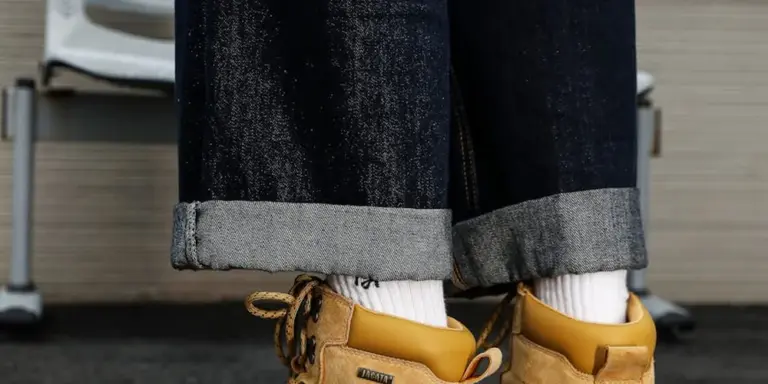
Choose soft, luxurious suede for items that won’t face heavy abuse: elegant jackets, formal shoes, delicate handbags, or decorative pillows. It’s for low-impact, stylish moments. Opt for durable, fine-napped nubuck when you want a refined look with slightly more resilience. It’s excellent for casual boots, stylish sneakers, and bags that will see regular use but aren’t meant for mud. This is why many Timberland boots and premium sneakers use nubuck-it offers a sophisticated texture that’s more scuff-resistant than suede.
Select rugged, no-nonsense roughout for gear that needs to survive. This is the leather for work boots, hiking boots, outdoor gear, and motorcycle jackets where abrasion resistance is paramount. The toughest side of the hide is on the outside.
All three types share one major need: consistent protection. None are naturally weatherproof. A quality water- and stain-repellent spray is non-negotiable. Apply it to new, clean items and reapply every few months depending on use. Remember, these sprays help, but they are not magical force fields against a downpour.
Their patinas tell different stories. Suede develops a soft, weathered look, with colors fading gently in high-wear areas. Nubuck acquires a rich, mottled sheen as the nap compresses and polishes from touch. Roughout just gets better, with scuffs and stains blending into a unique, personal map of hard use-the character is earned, not hidden.
Finally, remember that suede, nubuck, and roughout are all genuine animal hides. Choosing a well-made product from a reputable source honors the animal and supports a chain of craftsmanship that values the entire material, resulting in less waste. A quality piece, cared for correctly, becomes a lasting companion, much like my old saddle Mason, whose roughout fenders tell the story of every trail we’ve ridden.
Your Questions on Suede and Nubuck, Answered
You have questions. I get them all the time at the shop. Let’s walk through the most common ones together.
Which one is the most durable?
Think about a pair of jeans. The outside might fade, but the inside feels softer and can pill. It’s a similar idea here. Roughout is the most durable choice because it tucks the toughest part of the hide-the tight, smooth grain-on the inside of your item. The fuzzy side you see is the flesh side, taking the scratches and scuffs so the strong structure stays protected.
Nubuck comes next. It’s that smooth grain side, just gently sanded. It’s tough but shows marks more easily than roughout. My jacket, June, is made from a leather similar to nubuck. It develops character lines, but the core is still solid after years.
Suede, being split from the softer underside, is the least durable of the three. It’s delicate, like a favorite sweater. It feels wonderful but needs a gentler life.
Can you make them waterproof?
This is a big one. The honest answer is no, not truly waterproof. You can never make a breathable material like leather completely impervious to water. What you can do is make it water-resistant. For outdoor use, leather that’s water resistant can handle rain and wet conditions, while still offering some breathability. This distinction matters when choosing gear meant to withstand weather.
A quality spray protector designed for suede and nubuck is your best friend. It creates a shield against light rain and spills. To get the best results, properly apply the spray to clean, dry suede or nubuck with light, even coats. Hold the can 6-8 inches away and let each coat dry before wearing the suede shoes or boots. For a work boot in roughout, I use a heavy-duty wax-based conditioner on the seams and stitching. It darkens the leather but adds a great barrier. Waterproofing is about managing expectations and consistent care, not a one-time fix.
Are any of these vegan?
No. Suede, nubuck, and roughout all start as animal hides. They are by-products of the meat industry, and using them is a form of respectful resourcefulness. A “vegan suede” is usually a synthetic plastic material, which is a different conversation about longevity and environmental impact.
What about the cost?
You can find items at every price point. Generally, cost depends more on the quality of the base leather and craftsmanship than the finish. A cheap boot in roughout might cost less than a finely crafted suede loafer. Look at the stitching, the thickness, and the reputation of the maker-those are better indicators of value than the surface texture alone.
Can I fix a stain or a scuff?
Sometimes. You need patience and the right tools. The goal is to lift the stain and revive the nap-the fuzzy texture.
- Dry First. For a fresh spill, blot with a clean cloth. Never rub.
- Brush It. For dust or a light mark, a dedicated suede brush or a clean, dry toothbrush can work miracles. Brush in one direction to re-align the fibers.
- Use an Eraser. A suede-specific or clean white pencil eraser can lift scuffs and dirt. Gently rub.
- Clean Gently. For a persistent stain, use a tiny amount of cleaner made for suede/nubuck on a soft cloth. Test it on a hidden spot first. Work in small circles.
- Steam for Volume. Hold the item over a boiling kettle (carefully!) or use a steamer from a distance. The light steam can help the nap stand up again. Let it dry completely, then brush.
Set realistic expectations: a deep oil stain or a drastic color loss is often permanent, becoming part of the item’s story. My wallet, Scout, has a dark spot from a rainstorm. I’ve learned to see it as a memory, not a flaw.
How do I choose for my next project?
Match the leather to the life you plan to give the item.
- Choose Roughout for hard-wearing gear that needs to hide abrasions. Think work boots, outdoor knife sheaths, or the trim on a heavy-duty bag. It’s a practical, resilient choice.
- Choose Nubuck when you want the soft feel of suede but more durability for daily wear. It’s perfect for a casual jacket you’ll wear often, stylish boots, or a bag that will see regular use. It develops a rich patina.
- Choose Suede for luxury items where tactile feel is the priority. Think dress shoes for special occasions, elegant gloves, or a delicate bag liner. It demands a more careful lifestyle but offers unmatched softness.
Think about how you’ll care for it. If you don’t mind regular brushing and occasional protector sprays, nubuck is wonderfully versatile. If you want something you can oil and wax without worry, roughout is your friend.
Common Questions
I own both suede and nubuck items. What’s the one daily care habit I must do differently?
Your suede needs a dedicated brass-bristle brush used in one direction to lift its deep nap. For nubuck, use a softer brush and a gentler touch to avoid polishing its finer grain.
Why do my Birkenstock sandals use suede or nubuck footbeds if they’re so delicate?
They’re chosen for breathability and comfort against the skin. Combat sweat stains immediately with a suede eraser and let the footbed dry fully for a day before wearing again.
How should I maintain suede or nubuck sneakers that get weekly wear?
Keep a suede eraser and a soft brush in your closet. Before you put them away, quickly erase scuffs on the toe box and brush off surface dust to prevent ground-in dirt, especially when cleaning and maintaining faux suede footwear.
My Timberland-style boots are nubuck, not smooth leather. Does this change my conditioning routine?
Absolutely. Never use oils or standard leather conditioner. Some people reach for olive oil, but it can stain nubuck, go rancid, or alter the nap. Safer alternatives include spray protectors made for nubuck and products designed for its velvety surface.
What’s the core maintenance difference between these and regular smooth or oiled leather?
Smooth leather you condition; napped leather you mostly brush. Applying oil or wax to suede, nubuck, or roughout will clog the fibers and create permanent dark spots.
Choosing and Caring for Textured Leathers
The best advice is to let the surface texture guide your care. Suede’s delicate nap needs gentle brushing, nubuck’s fine grain accepts specialty conditioners, and tough roughout often asks for nothing more than a good, hard clean.
Caring well for the leather you own honors the material and the animal it came from. Building your maintenance skills is the most sustainable practice, transforming a single quality piece into a lifelong companion. Keep practicing, and for more hands-on guidance, you know where to find me.
Sources and Additional Information
- How to use Leather Honey’s Suede & Nubuck Care Kit
- Suede & Nubuck Care Kit – Leather Honey
- Leather Honey Suede & Nubuck Care Kit: Cleaner …
Harriet is a avid collector of leather goods such as purses, bags, seat covers, etc and has an extensive background in leather care, recovery, stain removal and restoration. She has worked for a number of years perfecting her leather care techniques and knows the ins and outs of restoring all kinds and types of leather products. With her first hand knowledge in leather care, you can not go wrong listening to her advice.
Suede and Nubuck Care