How Do You Clean and Maintain Faux Suede Footwear to Keep It Looking New?
Published on: July 30, 2026 | Last Updated: July 30, 2026
Written By: Harriet Nicholson
Hello Tannery Talk. You’ve found a favorite pair of faux suede shoes, and now you’re wondering how to protect them from life’s little messes. I understand that concern completely.
In this guide, we will cover how faux suede differs from real leather, your essential toolkit for gentle cleaning, step-by-step methods for spills and scuffs, and simple habits for long-term care.
My years of hands-on experience conditioning real leather goods like my saddle Mason and jacket June have taught me the principles of careful material care that apply perfectly to faux suede.
What Is Faux Suede, and Why Does Care Matter?
Think of faux suede as a clever imitation. It’s a soft fabric with a short, fuzzy surface, called a nap, made from polyester or polyurethane. It’s designed to look and feel like real suede leather without using animal hides. This differentiates it from imitation leather, which mimics the texture of traditional leather.
It’s more uniform and often shrugs off stains better than real suede, but it trades one set of problems for another. Heat and strong chemicals are its main enemies. While I condition Mason’s saddle to nourish the leather from within, faux suede fibers are plastic. They can’t absorb oils or conditioners. Caring for it is purely about gentle surface cleaning and physically lifting that delicate nap back up. Unlike natural leather, faux suede doesn’t respond well to traditional care methods.
Rough treatment doesn’t just dirty it; it can permanently crush or even melt the fibers. Gentle methods aren’t just a suggestion, they are the only way to keep your shoes looking new.
How Do I Clean Faux Suede Footwear? A Gentle Routine
This is your go-to process for regular cleaning. It answers the core question: how do you clean fake suede shoes without ruining them? Forget harsh scrubbing. Think of it as brushing dust off a delicate photograph. Carefully cleaned even real suede requires regular upkeep.
Step 1: The Essential Dry Brush-Out
Always, always start dry. Grab a soft-bristled suede brush or a clean, dry toothbrush. Before any moisture touches the shoe, brush the entire surface. You’ll hear a soft, rustling sound as the bristles move through the fibers.
Brush firmly but gently in one direction to lift the nap and push out dry dirt and dust. This single step often restores the rich, matte look all on its own. Going in one direction is key; brushing in circles will tangle the fibers and create a worn, inconsistent texture.
Step 2: Tackling Light Soil and Spots
If a dry brush isn’t enough, it’s time for a hint of moisture. Dampen a white microfiber cloth with cold water and wring it out completely. The cloth should feel cool to the touch, not wet.
Wipe the soiled areas with this barely-damp cloth. For a slightly sticky spot, add one drop of mild dish soap to a cup of water. Dab the spot with the soapy solution, then immediately dab it with a part of the cloth rinsed in clean water to remove soap residue.
Blot the area dry right away with a separate, clean, absorbent cloth. Never soak the material or scrub in circles. That pushes dirt deeper and can leave a permanent watermark or a matted, flat patch on the nap. This advice also helps when dealing with suede, where moisture can cause rings on the nap. See how to remove water stains and rings from suede shoes without damaging the nap.
Step 3: The Critical Air-Dry
This is where patience is non-negotiable. Faux suede and direct heat are a disastrous combination. Never place shoes near a radiator, use a hairdryer, or put them in direct sunlight to dry.
Let them dry naturally at room temperature, away from any heat source. To help them keep their shape and to draw out any internal moisture, loosely stuff the toes with white paper towels or a clean, dry cloth. Let them sit for several hours, or overnight, until you are certain every part is completely dry to the touch.
How Do You Remove Stains from Faux Suede Boots and Shoes?
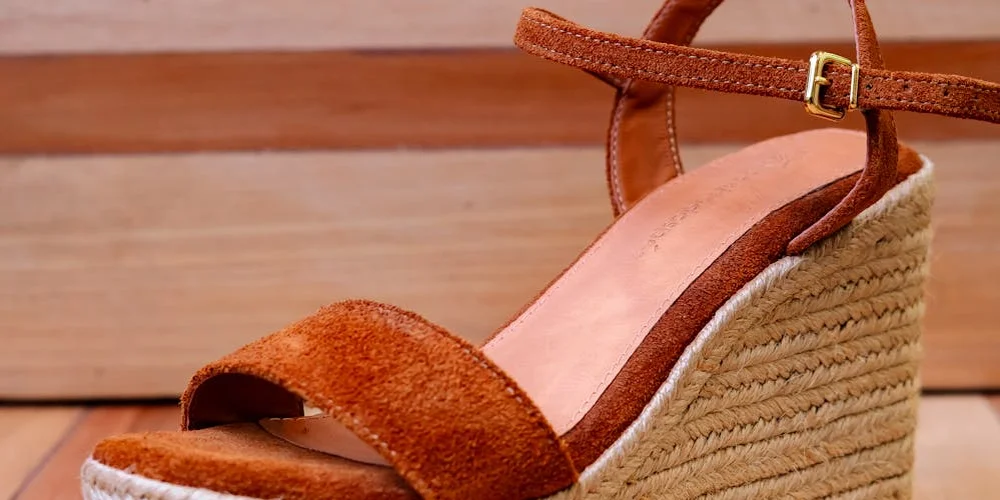
Accidents happen to every pair of shoes. The key is to act calmly and know your game plan for each type of mess. For any liquid spill, your first move is always the same: grab a clean, dry cloth and press it firmly against the stain to absorb as much as you can.
Remember to blot, never rub, as rubbing will grind the stain deeper and flatten the delicate nap of the faux suede. This is especially important when you’re trying to clean faux suede furniture without damaging the fabric.
For Grease or Oil Stains
Grease spots from food or pavement splatter are common. Since you can’t wash faux suede with soap and water like real leather, you need to pull the oil out of faux suede instead.
- Sprinkle a generous amount of plain cornstarch or baking soda directly onto the grease spot. Completely cover it.
- Let the powder sit for at least an hour, or even overnight for a fresh, dark stain. It will slowly draw the oil up and out of the fibers.
- Use a dry, soft-bristled brush (a clean toothbrush works) to gently brush all the powder away.
You’ll likely see a big improvement. If a faint shadow or ring remains, you can address it carefully.
Dampen a cotton swab with a very small amount of rubbing alcohol (isopropyl alcohol), and first test it on a hidden seam or the inside of the tongue.
If there’s no discoloration after a minute, lightly dab (again, don’t rub) the remaining stain with the swab. The alcohol helps break down the oily residue. Let the area air-dry completely, then brush the nap to restore the texture. If the stain is ink, use a technique that lifts ink without flattening the nap. We’ll cover how to remove pen ink stains from suede furniture without damaging the nap in the next steps.
For Mud, Dirt, or Salt Marks
These are surface stains, but treating them wrong can make them permanent. For fresh mud, patience is your best tool. Do not try to wipe it off while wet.
Let the mud dry completely. Once it’s dry and crumbly, take your dry suede or soft-bristle brush and brush it off thoroughly. Brush in one direction to lift the nap and dislodge all the dried particles.
White salt stains from winter sidewalks are a different challenge. They are a crusty residue that brushing alone won’t fix.
- Mix equal parts white vinegar and cool water in a small bowl.
- Dampen a corner of a clean, white cloth in the solution and wring it out until it’s just barely moist.
- Gently wipe the salt-stained area. You’ll see the salt dissolve.
- Immediately wipe the area again with a different part of the cloth dampened with plain water to rinse the vinegar away.
- Let the shoe dry at room temperature, away from direct heat. Once dry, give it a good brushing.
Restoring Softness and Adding Protection
After cleaning, your faux suede might look a bit tired or feel stiff. This is normal. With a few simple steps, you can make it look and feel new again, and even help guard it against the next accident.
Making Faux Suede Look Soft and Fluffy Again
The soft feel of suede comes from the raised nap of the fibers. Dirt, moisture, and cleaning can mat them down. Your main tool for revival is a simple dry suede brush or a soft nailbrush. At home, you can also soften stiff suede shoes, jackets, and boots with gentle brushing and proper care. This helps keep the nap fluffy and the items comfortable to wear.
Brushing vigorously in one direction after the shoe is completely dry is the safest and most effective way to resurrect that soft, textured handfeel.
For stubbornly flat spots, you can use a gentle steam method. Hold a garment steamer or the spout of a boiling kettle several inches away from the material. Let a light mist of steam-not hot water-float over the area for just a second or two. Then, while the fibers are slightly relaxed from the humidity, immediately brush them upward. This mimics how a professional cleaner would do it.
I must caution you against using the products I’d use on my leather pieces like Mason or Scout. Traditional leather conditioners, oils, or waxes are meant to be absorbed by animal hide. On faux suede, they will just sit on the synthetic surface as a sticky film, attracting more dirt and creating a new, greasy stain, which is why it’s important to follow proper cleaning and conditioning methods for leather and faux leather materials.
Can You Use a Waterproof Spray on Faux Suede?
Yes, absolutely. A protective spray is one of the smartest things you can do for faux suede footwear. It doesn’t make them submersible, but it creates a shield that causes water and light spills to bead up and roll off, giving you time to blot them away.
The critical step is to choose the right product. Look for sprays that are specifically labeled for use on synthetic fabrics, man-made materials, or “faux suede.” These are formulated to bond correctly without discoloring the fabric.
Always test the spray on a hidden area first, like the inside of a strap, and let it dry fully to check for any color change.
When you’re ready to apply, do it in a well-ventilated space. Hold the can about 6 inches from the shoe and apply a light, even first coat. Let it dry completely according to the can’s instructions-usually 10-15 minutes-then apply a second light coat. This method builds a better barrier than one heavy, drippy coat.
Once treated, your shoes will handle a damp commute or a spilled drink with much more resilience. It makes future cleaning far easier, as stains are more likely to stay on the surface.
Storing Your Faux Suede Footwear the Right Way
Think of storage as putting your shoes to bed for a long nap. You want them to wake up looking just as good. This step isn’t just about tidiness. It’s about preventing the slow, silent damage that happens over months in a closet: a crushed nap, faded color, and a layer of dust that gets harder to clean.
The rules here are the same for any faux suede item. You wouldn’t cram a nice handbag in a damp basement or leave car seat covers in direct sun. Your footwear deserves the same thoughtful home.
Choosing a Storage Spot and Container
First, find the right room. A cool, dark, and dry closet shelf is perfect. Keep your shoes away from heaters, vents, or sunny windows. Heat and light will dry out the material and cause colors to fade, just like they would with fabric or real leather.
Your storage container needs to breathe. A simple cotton shoe bag or an old pillowcase is ideal. These allow air to circulate, which prevents a musty smell or mildew from forming. Avoid sealed plastic bags or boxes at all costs. They trap any lingering moisture from wear or cleaning, creating a perfect environment for mold.
The original shoebox can work if it’s not airtight. If you can close the lid and still feel air moving slightly, it’s probably fine. If it’s a tight, sealed cardboard coffin, skip it. The box is not a necessity, but breathability is.
Preventing Misshapen Shoes and Boots
Empty shoes and boots will slowly lose their shape, developing unsightly creases and a collapsed heel. The fix is simple. For shoes, use shoe trees. They provide gentle, consistent pressure to hold the form. For ankle boots or taller styles, gently stuff the shaft and foot with acid-free tissue paper or clean, soft cloths.
This support does more than just keep them pretty; it helps the entire structure last longer by preventing weak, over-creased areas. It’s the same principle I use with Mason, my old saddle. Proper support prevents leather from deforming under its own weight.
Finally, never stack heavy items like sweaters or other shoes on top of your stored faux suede. The weight will permanently flatten the delicate nap. Give them their own dedicated space on the shelf. A flattened nap is very difficult to revive, so this simple habit saves you a major headache later.
Common Questions
Can I use the same cleaning methods on a faux suede cardigan or coat?
Yes, the core principles are identical. Always start with a dry brush, use minimal moisture with a damp cloth for spots, and let the garment air-dry flat, away from heat.
How do I maintain faux suede car seats or a car interior?
Prevention is key. Regularly vacuum the nap with a soft brush attachment to lift dirt. For spills, immediately blot and use only cleaners specifically formulated for synthetic automotive upholstery.
Is protecting a faux suede car coat or jacket different from shoes?
No. Use the same spray protectant labeled for synthetic fabrics, applying it in a well-ventilated area. Pay extra attention to the seams and collar, which see more wear and moisture.
What’s the best way to care for a faux suede handbag, like a crescent bag?
Follow the dry-brush-first rule and address stains immediately with a damp cloth. When not in use, stuff it with tissue to hold its shape and store it in a breathable cotton bag, never plastic.
A Craftsperson’s Take on Faux Suede
From my bench, the best advice is to make a soft suede brush your first tool for every clean. A gentle brush after each wear lifts the nap and stops dirt from becoming a stain, keeping that like-new look with simple, consistent care.
Good maintenance extends the life of your footwear, which is a practical step towards sustainable use. I view each cleaning as skill-building, honing the careful habits that protect all kinds of materials we rely on.
Further Reading & Sources
- How To Care For Faux Suede – Jayley | Blog
- How To Clean Faux Suede: Expert Tips And Techniques – Fabricare Center
- How to Protect Faux Suede Shoes: 11 Steps (with Pictures)
- How to Clean Faux Suede (with Pictures) – wikiHow
- r/CleaningTips on Reddit: Cleaning fake suede
Harriet is a avid collector of leather goods such as purses, bags, seat covers, etc and has an extensive background in leather care, recovery, stain removal and restoration. She has worked for a number of years perfecting her leather care techniques and knows the ins and outs of restoring all kinds and types of leather products. With her first hand knowledge in leather care, you can not go wrong listening to her advice.
Bonded and Faux Leather Care