Leather or Vegan Leather: How to Choose Based on Impact, Durability, and Care
Published on: September 2, 2026 | Last Updated: September 2, 2026
Written By: Harriet Nicholson
Hello Tannery Talk. Choosing between leather and vegan leather can feel overwhelming, especially when you want something that lasts and aligns with your values.
This guide will provide clear, side-by-side comparisons focusing on environmental impact, material durability, and proper care methods.
My advice comes from years of hands-on experience conditioning, repairing, and restoring both types of materials.
What Are You Actually Buying?
Think of real leather as a living material. It’s a natural skin that has been tanned to last. It breathes, changes, and develops character over decades. My jacket, June, is a perfect example. The soft calfskin has light creases at the elbows and a rich, darkened patina where my hands rest in the pockets. This isn’t damage. It’s a story of careful use.
When you buy leather, you are buying durability that improves with age.
Understanding “Vegan Leather”
The term “vegan leather” can be confusing. It is an umbrella term for any material that isn’t animal skin but looks like leather. Some vegan leathers are synthetic, while others use plant-based materials. They can differ from real leather in texture, durability, and care needs.
Most vegan leather you encounter is plastic.
- Faux Leather & Pleather: These are general terms for synthetic materials, usually made from polyurethane (PU) or polyvinyl chloride (PVC).
- PU Leather: This specifically refers to a plastic coating on a fabric backing. It’s softer and more common than PVC.
A smaller, innovative category is plant-based vegan leather. These materials are made from things like cork, apple waste, pineapple leaves, or mushroom mycelium. They are promising, but still niche. For now, if a product is simply labeled “vegan leather,” it is almost always a type of plastic.
How Do Their Environmental Stories Compare?
This is not a simple good versus bad story. Both materials have complex environmental footprints. The real question is about the full life of the product.
The Leather Lifecycle
Genuine leather starts as a byproduct of the meat and dairy industries. No animals are raised solely for their hides. The major environmental questions come from the tanning process.
Traditional chrome tanning is fast and effective but uses chemicals and significant water that must be carefully managed. This is where your choice as a buyer matters.
You can support more responsible leather by looking for specific sourcing practices.
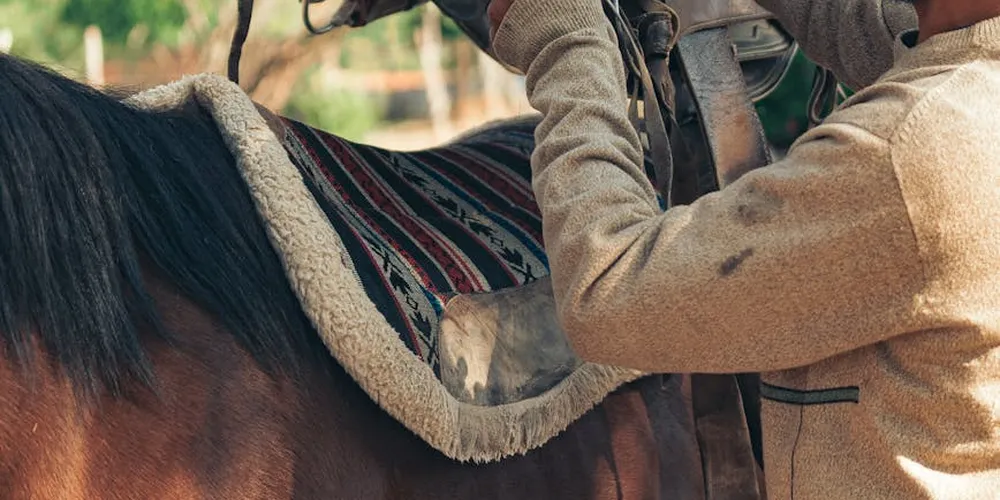
- Vegetable Tanning: Uses natural tannins from tree bark and other plants. It’s a slower, older process. The leather has a distinct, earthy scent and ages to a beautiful amber tone, like my old saddle, Mason.
- Certified Leathers: Look for certifications like the Leather Working Group’s Gold Standard. These verify that tanneries are managing water, energy, and chemicals responsibly.
- Traceability: Brands that can tell you where their leather comes from are investing in better practices.
The Impact of Plastic-Based Vegan Leather
Plastic vegan leathers begin with fossil fuels. Their environmental cost is paid upfront in production and at the very end of their life.
- They shed microplastics over time, especially during cleaning.
- They do not biodegrade. A PU jacket in a landfill will persist for centuries.
- They cannot develop a patina. Instead, the plastic coating eventually cracks and peels, which is not repairable. The item is then discarded.
Caring for plastic leather requires different, often gentler, cleaners to avoid damaging the coating. You cannot use the conditioners and oils that bring real leather to life.
The Promise and Reality of Plant-Based Alternatives
Materials like apple leather, mushroom leather, and cork are exciting innovations. They often use agricultural waste and aim for lower-impact production. They represent a positive direction.
However, they currently have limitations. To achieve durability and a leather-like feel, many are still bonded with polyurethane or other plastic resins. This means they are not always fully biodegradable. They are also less proven over decades of use compared to traditional leather.
The most sustainable choice is often the item you will keep, repair, and use for the longest time. For some, that is a well-sourced, full-grain leather bag. For others, it might be a durable canvas or waxed cotton alternative. Knowing what you’re buying is the first step to making a choice you can feel good about for years.
Which One Will Actually Last a Decade?
Think of this as a fight between natural fiber and plastic coating. One ages with you, the other simply wears out.
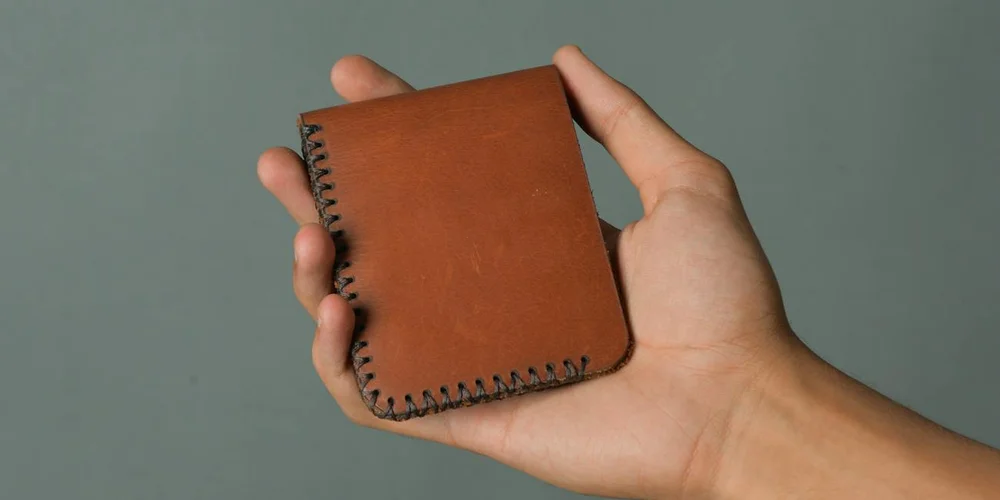
Real leather is strong because it is a dense network of collagen fibers. It gets better with time. My saddle, Mason, is proof. Its deep chestnut color has softened into a rich patina, and the scratches from eight years of use just add to its story. Leather’s true strength is not just resisting damage, but its ability to be repaired and refinished when damage occurs. A deep scratch can be filled, a worn sole can be replaced, and a dry hide can be brought back to life with conditioner.
Synthetic vegan leather has different failure points. It is usually a fabric base coated in plastic, like polyurethane (PU) or polyvinyl chloride (PVC). This plastic layer cannot absorb conditioners. Over time, with repeated bending and exposure to the elements, it will crack and peel. The fabric underneath then becomes exposed. Once that top plastic layer fails, the material cannot be refinished or restored in any meaningful way. The damage is permanent.
So, does vegan leather last long? It can last for several years with gentle use, but it has a predictable end-of-life. Is vegan leather better than leather for durability? For long-term resilience and the potential for decades of use, genuine leather is the clear winner.
You can see this in popular products. A pair of leather Dr. Martens can be resoled, polished, and conditioned for decades. The scuffs become part of their character. A vegan pair uses a synthetic upper. Once that plastic coating cracks or the colored layer rubs off at the creases, the boot’s look is compromised. The same principle applies to climbing shoes like the SKWAMA. A leather version will mold to your foot and can be cleaned. A synthetic version might be lighter initially, but as the plasticized surface breaks down, its performance and appearance degrade without a way to refresh it.
How Do You Care for Leather Goods?
Leather care is simple. It comes down to three steps: clean, condition, protect. Doing this once or twice a year is often enough for most items. Proper care and treatment is key to longevity and appearance.
First, clean. Use a soft brush or cloth to remove dust. For grime, use a damp cloth with a tiny amount of pH-balanced leather cleaner. Never soak the leather. This prepares the surface for the best products and methods for cleaning leather.
Second, condition. This is where you feed the leather’s fibers. Apply a small amount of conditioner (like a milk or oil-based product) with a clean cloth. Rub it in with gentle, circular motions. Let it absorb fully. This step restores suppleness and prevents the leather from drying out and cracking, which is the main cause of premature failure. Proper conditioning helps in stopping leather items from cracking and drying out. My wallet, Scout, has a smooth, almost waxy handfeel after conditioning that tells me it’s well-hydrated.
Third, protect. For items facing the elements, like shoes or a bag, a protectant spray adds a water-resistant shield. It helps beads of water roll off the surface.
Advice for Specific Items
For leather shoes or boots, pay attention to the soles and creases. Clean off salt and dirt after wet wear. Condition them to keep the uppers flexible. Unlike vegan leather shoes, you can polish out scuffs on real leather. Understanding the best leather care polishing techniques helps maintain and restore the appearance of leather footwear. These techniques are worth exploring as you care for your shoes.
For a leather purse or bag, the handles and corners see the most friction. Condition these high-wear spots a little more. Check the stitching occasionally. For a vegan leather purse, avoid getting the material too wet, and be prepared for the coating to eventually wear thin at stress points with no way to fix it.
The common mistake is neglecting care until the leather is already stiff and dry. A simple fix is to start with a gentle clean and a light conditioning. You might be surprised how much life comes back. Proper, occasional care is what allows a leather good to achieve its legendary multi-decade lifespan. This is especially true for leather furniture such as couches and sofas, which require regular maintenance to keep them looking their best.
How Do You Care for Vegan Leather Goods?
Caring for vegan leather is a completely different task from caring for real leather. With my jacket June, I apply conditioner to nourish the skin. With vegan leather, you are only preserving a surface.
Think of it like cleaning a laminate countertop. You wipe the sealed surface clean, but you never try to soak moisture into it.
Cleaning and Protecting the Surface
Your goal is to remove dirt without damaging the plastic or fabric top coat. The wrong product can cause clouding, peeling, or stickiness.
For general cleaning, a simple mixture of mild dish soap and warm water on a soft, microfiber cloth is your safest bet. Wring the cloth out so it’s barely damp, wipe the surface gently, and immediately dry it with a separate clean cloth.
You must avoid certain products completely. Never use:
- Oil-based leather conditioners or creams.
- Solvent-based cleaners or harsh detergents.
- Waxes or polishing compounds made for real leather.
These products cannot be absorbed by the plastic layer. They will sit on top, creating a greasy, sticky film that attracts more dirt and can degrade the material.
Is Vegan Leather Waterproof?
Most common vegan leathers, like PU (polyurethane) or PVC, have a high resistance to water because they are essentially plastic. A spill won’t soak in and stain the way it can with unsealed leather.
This doesn’t mean it’s invincible; water can seep through seams, zippers, or stitching holes, potentially damaging the fabric backing underneath. For a brief rain shower, it will hold up fine. For a soaked bag, you should dry it thoroughly inside and out.
Caring for Furniture: A Practical Example
Let’s compare caring for a daily-use office chair.
For a real leather chair like Mason, my routine involves a thorough cleaning with a pH-balanced leather cleaner every few months, followed by a light application of conditioner to the high-wear areas on the seat and armrests. This combats the drying effects of office air and body oils.
For a vegan leather chair, care is simpler but more about vigilance. Wipe it down weekly with that damp soapy cloth to prevent body oils and dust from building up into a grimy film. Pay special attention to the creases and seams where the material flexes, as this is where cracking starts. Avoid placing it in direct, hot sunlight, which will accelerate the breakdown of the plastic polymers.
The Honest Truth About Lifespan
This is the core difference. With proper care, real leather can last decades, developing character. My saddle Mason is proof. Vegan leather has a finite functional lifespan determined by its plastic coating.
No amount of careful cleaning can prevent the eventual drying out and cracking of that top layer, especially in high-flex areas. Good care will extend its life, but it will not transform it. Think of vegan leather care as respectful maintenance for a product you know will one day need replacing, not as a long-term restoration project.
Leather, Vegan Suede, and Synthetic Suede: What’s the Deal?
Suede adds another layer of confusion. The terms are often used interchangeably, but the materials and their needs are worlds apart.
Real Suede: The Luxurious High-Maintenance Friend
Genuine suede is not a separate material. It is the flesh side of a leather hide, brushed up to create that soft, fuzzy nap. It’s porous, delicate, and absorbs liquids instantly.
Real suede is a commitment, like a luxurious fabric that demands careful attention. A drop of water leaves a dark spot. Oil creates a permanent stain. Its beauty is in its texture and rich, deep color, but it marks easily.
Caring for it revolves around two tools: a dedicated suede brush (usually with brass or eraser-tipped bristles) and a quality water-and-stain repellent spray made specifically for suede and nubuck.
- You brush it regularly with the grain to lift the nap and erase light scuffs.
- You apply a protector spray when the item is new and reapply it periodically.
- For stains, you use a specialized suede cleaner or a gentle eraser, never saturating the material with water.
Synthetic or Vegan Suede: The Predictable Performer
This is typically a microfiber material, usually polyester, that is processed to mimic suede’s nap. It feels soft and looks good, but its behavior is different.
The pile is uniform, and the material is often treated to be more stain-resistant from the start. Synthetic suede is generally more forgiving and easier to clean than its natural counterpart because spills tend to sit on the surface longer.
Care is simpler. For most dirt, a slightly damp microfiber cloth with a dot of mild soap will work. You can often use gentle, all-purpose upholstery cleaners. The key is to blot, not scrub, to avoid matting the fibers.
How to Tell What You Have
If the care tag is gone, use your senses.
Look and feel: Real suede has a rich, irregular nap with subtle color variations. Synthetic suede often has a more uniform, perfect-looking texture. Pinch the material. Real suede will feel thicker and more substantial; synthetic can feel thinner and more plasticky at its base.
The water test (do this discreetly): Lightly touch a tiny, hidden spot with a damp fingertip. On real suede, the water darkens the area almost immediately as it’s absorbed. On synthetic suede, the water may bead up slightly or absorb very slowly.
The burn test (a last resort on a scrap): Real leather fiber will smell like burning hair. Synthetic fiber will melt, bead, and smell like burning plastic.
Knowing what you own is the first, most important step to giving it the right care. Treat a synthetic suede jacket like real suede, and you might damage it with harsh cleaners. Treat real suede like synthetic, and a coffee spill could be a disaster.
How to Choose What’s Right for Your Bag, Shoes, or Couch
This isn’t about finding a single right answer. It’s about matching a material to your life. Think of it like choosing a travel companion. Do you need a rugged backpack for daily adventures or a sleek weekend bag for occasional trips? Your choice in material works the same way.
Your Personal Decision Checklist
Before you get lost in debates, ask yourself these simple questions. Your honest answers will point you in the right direction.
- How will you use it? Daily commute, special occasions, or family couch?
- What feel do you want? The soft grain of leather or a uniform synthetic texture?
- What’s your care style? Do you enjoy occasional maintenance, or do you want a wipe-and-go material?
- What’s your longevity goal? A season, five years, or a lifetime heirloom?
Your daily habits and personal values are the most important factors in this choice.
Buy Less, But Buy Well
The most sustainable item is the one you already own. My wallet, Scout, is three years old and looks better today than when I bought it. That’s because I chose a durable material and committed to its care.
Whether you choose leather or a high-quality alternative, apply this mindset:
- Research the construction. Look for strong stitching, sturdy zippers, and reinforced stress points. A well-made vegan leather bag will often outlast a poorly made real leather one.
- Feel the material in person. Bend it. Notice the backing. Quality in either category has a certain substance and handfeel.
- Plan for its entire life. Ask yourself, “Can I repair this if the strap breaks? Can I condition it if it dries out?” If the answer is no for either material, think twice.
A Closer Look for the Ethically Minded Shopper
If ethics are a primary driver, the choice becomes more nuanced. It’s not just “animal vs. not animal.” It’s about the entire story of the material.
Responsibly Sourced Leather: The Long View
Leather from responsible sources views the hide as a valuable by-product of the food industry. The goal is to use it fully and craft it into something that lasts for decades. My jacket, June, is six years old. With care, it has another twenty years in it. That’s a long time to spread out the initial environmental cost of its production.
Choosing this path means seeking out transparency: look for terms like “vegetable-tanned,” “gold-rated by the Leather Working Group,” or brands that trace their supply chain. You are investing in a material that, with proper care, has a “cradle-to-grave” lifespan measured in generations.
Innovative Plant-Based Options: A New Frontier
New materials made from pineapple leaves, cork, apple pulp, or mushrooms are exciting. They often have a lower initial carbon footprint and use agricultural waste. They represent true innovation.
The current challenge is durability and end-of-life. Many are bonded with plastics, which can make recycling difficult. Their care is different, often requiring specific cleaners. The lifespan, for now, tends to be shorter than top-tier leather. This makes it a “cradle-to-gate” choice that relies on rapid technological progress for its full sustainability story.
Addressing the Common Debate Points
You see these questions everywhere online. Let’s tackle them with practical experience.
“Isn’t vegan leather just plastic?”
Often, yes. Most mass-market “vegan leather” is polyurethane (PU) or polyvinyl chloride (PVC) on a fabric backing. It is a plastic coating. The new wave of plant-based leathers uses biological materials, but they are usually still combined with a binder. Always check the composition.
“But leather production is toxic!”
Historical tanning practices could be harmful. Modern responsible tanneries, especially those using vegetable tanning, have dramatically cleaned up processes. They recycle water and manage waste. The key is supporting those who do it right.
“Real leather is way more durable.”
Generally true, but with caveats. A thin, corrected-grain leather can crack quickly. A thick, full-grain leather can be repaired and last a lifetime. A high-quality, thick PU can last many years for light use. A cheap PU will peel in a season. How long leather lasts depends on more than the material itself—care, climate, and daily use matter, and these factors determine its durability. Understanding these can help you gauge longevity. Within both categories, you get what you pay for, but the longevity ceiling for genuine, well-cared-for leather is much higher.
“Vegan leather is easier to care for.”
This is mostly true. A damp cloth is often all you need. But you cannot condition it back to life once the plastic coating wears thin or cracks. Leather requires more conscious care, but that care can reverse drying and minor damage, essentially renewing the material.
Making Your Informed Choice
So, for your next bag, shoes, or couch, start with your checklist. Weigh what matters most to you right now.
If you choose leather, commit to its care. Learn to clean and condition it. Find a good cobbler or repair shop. You are becoming a steward for a natural material.
If you choose a high-quality alternative, understand its composition and care limits. Support companies innovating with next-gen plant-based materials. Plan for its eventual retirement responsibly.
Empowerment comes from aligning your purchase with your personal use, values, and willingness to maintain what you own. That thoughtful decision, more than any material label, is what leads to satisfaction and a reduced footprint.
Common Questions
Is vegan leather a good choice for something like an office chair that gets daily use?
For a daily-use chair, vegan leather is easier to wipe clean but will inevitably crack at the creases and seams from constant flexing. A real leather chair can be conditioned to combat this wear, making it the only option that can be truly refreshed and maintained over decades.
I see ‘vegan suede’ everywhere. How do I care for it without ruining it?
Treat vegan suede as a delicate synthetic fabric. Blot spills immediately with a barely damp microfiber cloth and avoid any oil-based conditioners or harsh brushes, as they will mat the fibers or damage the coating.
On forums like Reddit, people say vegan leather cracks quickly. Is that always true?
Yes, it’s a material limitation, not a flaw. The plastic top coat cannot absorb conditioner, so it dries out and cracks with flexing and age. Good care delays this, but it cannot prevent the eventual failure of the coating.
What’s the real difference between ‘vegan leather,’ ‘faux leather,’ and ‘pleather’?
In practical terms, nothing. They are all marketing terms for a plastic-coated fabric, usually polyurethane (PU). “Vegan” describes its origin, while “faux” and “pleather” describe its imitation of leather.
Can a cracked vegan leather purse or shoe be repaired?
No. Once the plastic coating cracks or peels to reveal the fabric backing, the damage is permanent. Unlike real leather, the surface cannot be refinished, patched, or conditioned back to integrity.
Choosing and Caring for Your Material
The right choice depends on what you value most: long-term durability and natural aging, or a material that aligns with a specific ethical stance from the start. Your most sustainable option is always the item you will use, repair, and cherish for the longest time.
Stewardship is the next step, whether you choose leather or a vegan alternative. Building simple, hands-on care skills-like conditioning leather or cleaning vegan materials-extends the life of your goods and deepens your connection to them.
Deep Dive: Further Reading
- Difference between Faux, Real and Vegan Leather: let’s bust some myths
- PU Leather vs. Vegan Leather, what’s the difference? – Gunas New York
- Leather vs Vegan Leather: What’s ACTUALLY More Sustainable? | Sustainable Fashion Blog | Project Cece
- Vegetable-Tanned Leather vs. Vegan Leather
Harriet is a avid collector of leather goods such as purses, bags, seat covers, etc and has an extensive background in leather care, recovery, stain removal and restoration. She has worked for a number of years perfecting her leather care techniques and knows the ins and outs of restoring all kinds and types of leather products. With her first hand knowledge in leather care, you can not go wrong listening to her advice.
Bonded and Faux Leather Care