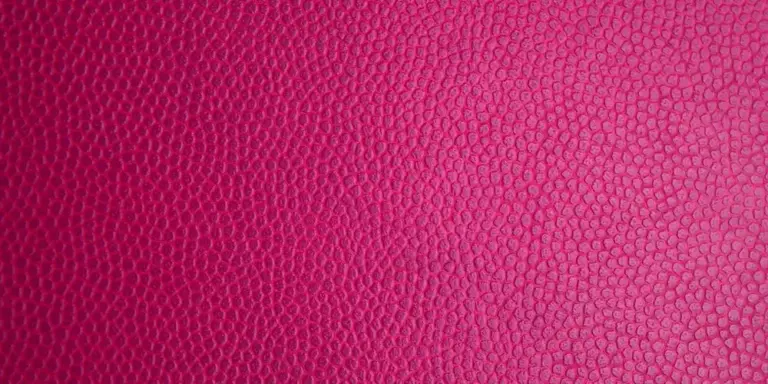
Faux Suede vs. Imitation Leather: What’s the Difference and How Are They Made?
Published on: June 14, 2026 | Last Updated: June 14, 2026
Written By: Harriet Nicholson
Hello Tannery Talk. You might be looking at a bag, jacket, or piece of furniture and wondering what it’s really made of, and how to care for it without causing damage.
Today, I’ll clear up the confusion by walking you through what sets these materials apart. We will cover the key differences in feel and use, how each synthetic material is actually composed, and the specific ways you should care for them.
I’ve worked with, repaired, and conditioned countless hides and synthetics, from my saddle Mason to my jacket June, so I know how materials behave over years of use.
What Exactly Is Faux Suede?
Faux suede is a clever fabric made from polyester or nylon. It is woven or knitted, then brushed to create a soft, fuzzy surface that feels like real suede leather.
Real suede is not synthetic. It comes from the underside of an animal hide. The terms “faux suede” or “synthetic suede” always refer to the human-made version. It is a fabric, not a leather like real leather is.
You might hear it called different things in stores. Common names include microfiber suede, Ultrasuede (a specific brand name), or simply synthetic suede.
Run your fingers across it. Good faux suede feels like a soft, brushed flannel or velvet. It should not feel like a smooth, plastic sheet. This fuzzy texture, called the nap, is what it shares with genuine suede.
How to Care for Faux Suede
Think of it like caring for a delicate fabric, not conditioning leather. The goal is to clean the fibers without damaging them.
- Start with a soft-bristled brush, like a suede brush or even a clean, dry toothbrush. Gently brush the nap to lift dirt and restore the texture.
- For spots, use a damp (not wet) white cloth and a tiny drop of mild dish soap. Blot the spot gently, do not rub.
- Let the area air dry completely away from direct heat.
- Once dry, brush the nap again to fluff it back up.
Never use traditional leather conditioners or oils on faux suede; they will saturate and stain the synthetic fibers, leaving a greasy, dark patch. I learned this the hard way on a client’s faux suede bag. The oil soaked in and would not come out.
What Exactly Is Imitation Leather?
Imitation leather is a layered plastic material. It has a fabric backing, usually polyester or cotton, that is coated with a plastic layer like polyurethane (PU) or polyvinyl chloride (PVC). This top layer is stamped to look like leather grain. Understanding the composition of faux leather—the fabric backing, the coatings, and how they interact—helps explain its durability, feel, and care. This naturally connects to the study of synthetic leather and the materials used to make faux leather.
You will see many names for it. Pleather, vinyl, leatherette, and faux leather all generally mean the same thing: a plastic-based leather alternative.
Its handfeel is the biggest clue. It often feels uniformly smooth and slightly cool or plastic-like to the touch. Even when it has a textured grain pattern, that pattern is perfectly repeating, unlike the natural variations in my wallet, Scout.
This creates a clear contrast. Faux suede is a fuzzy fabric. Imitation leather is a smooth, plastic-coated sheet meant to imitate the surface of smooth leathers like that on my jacket, June.
How to Care for Imitation Leather
Care focuses on cleaning and protecting the plastic surface, not moisturizing it. Plastic does not need oil.
- Wipe it down with a soft cloth dampened with a mild soap and water solution.
- Dry immediately with another clean cloth to prevent water from seeping into seams.
- For extra protection, you can use a specific vinyl or plastic protectant spray. Always test it on a hidden area first.
Avoid heat and harsh chemicals, as they can cause the plastic coating to crack, peel, or become sticky over time. Once that top layer cracks, like on an old car seat, the fabric underneath is exposed and the damage is very difficult to repair. Similarly, I prevent and protect my leather car seats from cracking and drying out by conditioning them regularly and avoiding direct heat. This small preventive care helps keep the interior looking newer for longer.
How Are These Materials Made? (Synthetic Suede Composition)

Understanding how these materials are built is the first step to caring for them. Their creation is a world apart from the slow tanning of animal hides.
Synthetic Suede (Faux Suede)
Imagine a very fine, dense carpet. That’s the starting point. Manufacturers begin with a woven base of polyester or nylon. This sheet of fabric then goes through a machine that gently splits the individual fibers, teasing them apart to create that signature soft, fuzzy nap. The final step is a chemical treatment to help the material resist stains, water, and wear. Think of it like creating a high-quality velour, where the goal is a consistent, plush texture you can brush in different directions.
Imitation Leather (PU Leather, Vegan Leather)
This process is completely different. Here, a fabric backing-usually polyester or cotton scrim-is coated with a liquid plastic layer. This coating is typically polyurethane (PU) or polyvinyl chloride (PVC). It’s like giving the fabric a uniform plastic “skin.” The wet plastic mixture is applied, dried, and then embossed with a pattern, often to mimic the grain of real leather. The result is a material that looks like leather from a distance but feels and behaves like a thin, flexible sheet of plastic bonded to cloth.
Faux Suede vs. Imitation Leather: A Side-by-Side Feel
The best way to tell them apart is to use your senses. Run your hand over the material. One is fuzzy, the other is slick. Listen to it when you flex it. Here’s a simple guide.
| Trait | Faux Suede (Synthetic Suede) | Imitation Leather (PU/PVC) |
| Look & Texture | Has a brushed, matte finish with a visible nap. It looks and feels like a soft, short-haired fabric. | Has a smooth, often shiny surface with an embossed grain pattern. It feels slick and slightly plastic-like to the touch. |
| Weight & Drape | Generally lighter and more flexible, with a soft drape similar to thick cloth. | Often has more structure and a stiffer drape, especially with thicker plastic coatings. |
| Sound When Flexed | Very quiet, like rubbing two pieces of soft fabric together. | Makes a faint creaking or crinkling sound, a telltale sign of the plastic layer bending. |
| How It Ages | The nap can mat down or flatten in high-wear areas (like a collar or armrest). It’s prone to absorbing oils and can be difficult to fully clean. | The plastic coating can crack, peel, or flake away over time, especially along crease lines. This damage is usually permanent. |
This difference in aging is the most critical for care: you revive matted faux suede with gentle brushing, but you cannot truly repair peeling imitation leather. For example, I’ve revived a faux suede bag by carefully brushing the nap with a soft-bristled shoe brush. But a cracked imitation leather car seat can only be hidden with a colored filler, a temporary cosmetic fix at best, especially when compared to real leather repairs.
When cleaning, use a specific suede cleaner and a soft brush for the fuzzy material. For the imitation leather, a simple wipe with a damp cloth and a mild, pH-balanced cleaner for plastics is safest to avoid damaging the coating. Make sure not to use harsh cleaners meant for genuine leather, as they can damage fake leather surfaces.
How to Care for Faux Suede and Imitation Leather
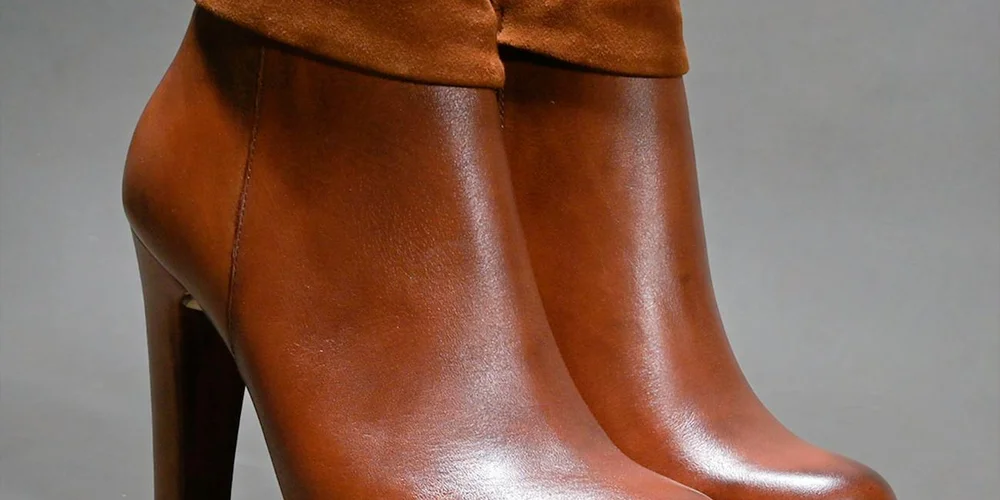
If you’re used to caring for pieces like my saddle Mason or my jacket June, you need to switch gears completely. Real leather is a skin. Faux materials are a fabric with a plastic coating. The care rules are totally different.
You must never use leather oils, creams, or conditioners on faux suede or imitation leather. These products are designed to soak into pores and nourish fibers. Your faux material has no pores to absorb them.
Think of it like this: trying to condition imitation leather is like trying to moisturize a plastic raincoat. The product just sits on top, creating a sticky, greasy film that attracts more dirt and can degrade the material underneath.
For faux suede, care is all about the surface nap. You focus on gentle brushing with a specialized suede eraser or a very soft brush. This lifts dirt and restores the fuzzy texture without damaging the delicate fibers.
For smooth imitation leather, care is about preserving the plastic topcoat. You focus on wiping it down with a damp cloth and a tiny bit of mild soap. You must avoid harsh chemicals, alcohol, or abrasive pads that can strip or scratch this coating, causing it to peel or crack prematurely. It’s especially important to know how to clean and care for faux leather to keep it looking new.
Step-by-Step: Cleaning Your Faux Materials
How to Clean a Faux Suede Jacket or Shoe
You don’t need fancy potions here. The right tools and a gentle hand make all the difference.
Gather these simple tools:
- A soft bristle brush (a dedicated suede brush or a clean, soft toothbrush)
- A suede eraser (a specific, rubbery block for this material)
- A clean, white microfiber cloth
- For stubborn spots, a mix of lukewarm water with a drop of mild dish soap
Here is how to do it, step by step:
- Brush gently to lift surface dirt. Always brush in one direction, following the nap. This lifts the fibers and dislodges dry dirt. Do this first, before anything else.
- Use an eraser on scuffs and marks. Rub the suede eraser lightly back and forth over scuff marks or oily spots. You’ll see the eraser crumble and lift the grime. Brush the residue away.
- For liquid spills, blot, never rub. Immediately use a clean, dry part of your cloth to blot up as much as you can. If a stain remains, dampen a corner of the cloth with your mild soap solution, wring it out completely, and dab (don’t scrub) the area. Rinse the cloth and dab with clean water to remove soap residue.
- Let it air dry completely, away from direct heat. Then, give it a final, gentle brush to fluff the nap back up. The texture should feel restored.
A common mistake is scrubbing a wet stain, which mats the fibers and grinds the dirt in deeper. Patience and blotting always win.
How to Clean an Imitation Leather Couch or Bag
This process is about being quick and gentle to protect that plastic surface. My wallet Scout is real leather, but if he were faux, here’s how I’d treat him.
You only need a few things:
- Two or three soft microfiber cloths (they shouldn’t scratch)
- Mild dish soap or a pH-balanced cleaner
- Lukewarm water
- Start with a dry dusting. Use a dry microfiber cloth to wipe away all loose dust and crumbs. This prevents you from making a muddy paste when you add water later.
- Make a very mild cleaning solution. In a bowl, mix a cup of lukewarm water with just one drop of dish soap. Dampen one cloth in this mix, then wring it out until it’s only slightly damp. You want to clean with moisture, not soak the material.
- Wipe the surface gently. Go over the imitation leather with your damp cloth, using light, circular motions. Work on a small section at a time. Avoid letting liquid seep into seams or stitches.
- Remove any soap residue. Rinse your second cloth in clean water, wring it out well, and wipe over the area you just cleaned. This step prevents a sticky film from forming.
- Dry it immediately to prevent water spots. Use a third, dry microfiber cloth to buff the surface completely dry. This last step is crucial for a streak-free, clean finish.
Imitation leather cannot handle being soaked, as water can get behind the plastic layer and cause the fabric backing to mold or the coating to bubble and separate. Quick, damp cleaning followed by instant drying is the only safe method.
Choosing What’s Right for You and Your Items

Think about your bag, shoes, or that jacket you love. Is it for daily commutes, weekend outings, or special occasions? Your choice between faux suede and imitation leather comes down to three things: how you’ll use it, how you want it to feel, and how much care you’re willing to give.
For heavy daily use or rainy climates, imitation leather’s wipe-clean surface often holds up better. If you crave a soft, cozy texture you can sink into, faux suede is your match. Be honest about care; one needs gentle grooming, the other just a quick wipe.
Faux Suede: Your Cozy, Textile-Like Companion
Faux suede feels like a soft blanket or brushed velvet. It’s warm and inviting, but it behaves more like a delicate fabric than leather. My jacket June has real calfskin, but faux suede has a similar, plush handfeel. It traps dust and shows water spots easily, so it asks for a bit more attention.
Care for faux suede with a gentle, textile-minded approach to keep its nap lifted and color fresh. Forget harsh soaps or vigorous rubbing. Here is a simple routine. For guidance on how to wash ultra suede and clean fake suede without damaging the material, use safe, gentle methods you can trust.
- Weekly, use a soft-bristled brush (like a suede or nylon brush) to gently brush with the grain. This removes surface dust and restores the material’s texture.
- For spills, immediately blot-don’t rub-with a clean, absorbent cloth. Let it air dry away from direct heat.
- For stains, use a clean, damp microfiber cloth with a drop of pH-neutral cleaner. Dab gently, then brush the area once dry.
- A common mistake is using a wet cloth and scrubbing, which can mat the fibers and leave a permanent stain. If this happens, stop, let it dry completely, and gently brush the area again; often, you can lift the matted fibers back up.
Imitation Leather: The Wipe-Clean, Resilient Workhorse
Imitation leather feels smooth, cool, and often has a slight gloss. It’s the practical cousin, designed for easy living. Think of my wallet Scout-durable and low-fuss-but imitation leather takes that ease further. Its plastic-based top layer resists water and stains well, making it simpler to maintain.
Cleaning imitation leather is straightforward: a damp cloth is usually all you need for most messes. Its durability comes from that sealed surface, but it can crack if dried out or exposed to extreme heat. Follow these steps to preserve it.
- For regular cleaning, wipe the surface with a soft cloth dampened with lukewarm water. Dry immediately with another cloth to prevent water spots.
- For tougher grime, add a small amount of mild, soap-free cleaner to the damp cloth. Wipe in a circular motion, then rinse the cloth and wipe away any residue.
- Let the item air dry naturally, never near a radiator or in direct sunlight, which can cause the material to become brittle and crack over time.
- A simple fix for early scuffs is to gently buff the area with a dry microfiber cloth. For deeper cracks, prevention through regular, gentle cleaning is key; once the top layer splits, it cannot be repaired like real leather.
You now have a clear picture. You can feel the difference, you know how each material behaves, and you have the steps to care for them. That knowledge lets you choose confidently and keep your favorite items looking their best for years.
Quick Answers
How can I tell if my “suede” item is synthetic or genuine?
Check the backing. Real suede has a fibrous, rough flesh side, while faux suede will have a consistent woven or knit fabric backing. A discreet burn test (smell of burning hair vs. melting plastic) is a definitive, if destructive, last resort.
Does synthetic suede last as long as real suede?
Its lifespan depends entirely on maintenance, not material strength. With consistent, gentle brushing to lift the nap and immediate blotting of spills, you can extend its good appearance for years.
What’s the best way to deal with water spots on faux suede?
Blot immediately with a dry cloth, then let it air-dry completely away from heat. Once dry, gently brush the entire area with a suede brush to restore the uniform nap and eliminate the ring.
Can peeling imitation leather be fixed?
No, the damage is permanent. Once that plastic coating cracks and separates from its fabric backing, it cannot be fused back. Focus on prevention: avoid heat and harsh cleaners, and use a vinyl protectant.
Why are the cleaning methods so different between the two?
Because their composition is fundamentally different. You are cleaning delicate, raised synthetic fibers on one, and wiping down a solid, non-porous plastic sheet on the other. Using the wrong method will cause damage.
Choosing What’s Right for You
The clearest difference is in your hands. Imitation leather feels uniform, while faux suede has a brushed nap you can see and feel. Your choice hinges on the look you want and the care you’re willing to provide. Pick based on the project, not just the price.
Whether you choose a natural hide or a synthetic alternative, caring for it well is a respectful practice. Learning to maintain what you own, appreciating its history, and choosing quality materials are the real crafts.
Further Reading & Sources
- Amazon.com: Faux Suede Fabric
- Faux Fur, Leather Hides & Suede Fabric – Fabric Mart
- Splendid – Artificial Suede Fabric – Mitchell Faux Leathers
- Faux suede leather is a man-made fabric designed to mimic the look- Zhisheng Textile Co,. Ltd
Harriet is a avid collector of leather goods such as purses, bags, seat covers, etc and has an extensive background in leather care, recovery, stain removal and restoration. She has worked for a number of years perfecting her leather care techniques and knows the ins and outs of restoring all kinds and types of leather products. With her first hand knowledge in leather care, you can not go wrong listening to her advice.
Bonded and Faux Leather Care