How Can I Protect My Leather Furniture from Dog Scratches, Chewing, and Stains?
Published on: July 26, 2026 | Last Updated: July 26, 2026
Written By: Harriet Nicholson
Hello Tannery Talk, that mix of love for your dog and concern for your leather sofa is real. Let’s find simple ways to keep both comfortable and your furniture intact.
This guide will share my hands-on methods, covering physical barriers for scratches, safe deterrents for chewing, immediate stain response, and routine care for long-term strength.
I repair and condition leather daily, so I know what works to balance pet life with furniture care.
| Problem | Best Leather Type | Immediate Action | Long-Term Solution |
| Scratches | Full-grain or top-grain | Blot liquid, use a pH-neutral leather cleaner. | Apply a leather protector spray every 6-12 months. |
| Chewing | Thick, firm-finish leather | Redirect with a chew toy, clean area with a damp cloth. | Use a bitter anti-chew spray on legs/edges, provide dedicated dog beds. |
| Stains | Protected (semi-aniline, pigmented) | Trim dog’s nails every 1-2 weeks. | Use a protective leather cream or balm every 3-4 months. |
Choosing the Right Leather: Your First Line of Defense
Think of your sofa like footwear. A sturdy, waxed work boot handles mud and scrapes. A soft suede loafer shows every mark. Your goal is the work boot.
Full-grain and top-grain leathers with a firm surface finish are your best allies. These finishes-often called protected, pigmented, or semi-aniline-add a clear, resilient layer on top of the beautiful hide. This layer acts like a shield.
A protected leather couch is good for dogs because it wipes clean and resists punctures better than porous suede. Spills bead up. Mud brushes off. Claws are less likely to catch and tear the surface. If you also have cats, you might wonder about repairing scratch damage and preventing future scratches. There are simple steps to address scratches and keep leather looking its best.
You might wonder about faux leather (vinyl or PU). It’s often more stain-resistant and cheaper. But it lacks breathability and ages poorly. Real leather develops a characterful patina. Faux leather just cracks. Real leather can be repaired and conditioned for decades. Faux leather is usually disposable.
Leathers That Can Handle a Dog’s Life
Look for these types when shopping. They have the structure and finish to endure.
- Drum-Dyed Full-Grain: The dye penetrates completely in a rotating drum. This means scratches are less obvious, as the color goes all the way through. It’s dense and durable.
- Thick Top-Grain with a Polymer Coat: This is a top-layer hide with a protective urethane or acrylic coating. It feels smooth, wipes clean instantly, and is highly scratch-resistant. It’s a practical powerhouse.
- Bridle Leather: You’ll often find this on sofa legs or accents. It’s waxed and stuffed with oils, creating a supremely tough, water-resistant finish that scuffs beautifully.
Leathers to avoid with dogs are the sensitive, untreated ones. Aniline leather (so soft and beautiful) absorbs everything. Suede and nubuck are scratch magnets. Very thin “split” leathers lack the dense fiber structure to resist damage. Save those for a quieter, dog-free room.
Proactive Protection: Building Good Habits
Think of this as a partnership with your dog. Lasting leather furniture protection is about smart management, not just building a wall. It’s a routine you build, like feeding or walks, not a single product you apply once. Proper maintenance and conditioning are key to extend the lifespan of your leather pieces.
My old English saddle, Mason, taught me that durability comes from consistent, gentle care over time, and the same philosophy works for your sofa.
For Your Dog: Comfort and Training
Dogs often chew or scratch out of boredom or for comfort. The first line of defense is offering a better option.
- Give them a dedicated, superb bed that’s more appealing than the leather.
- Consistently train a gentle “off” or “place” command. Reward them for using their own space.
- If they’re drawn to a specific corner, try a natural, pet-safe deterrent spray. Always test citrus or bitter apple sprays on a hidden spot of the leather first to check for any reaction.
It’s vital to know that ingested leather is a real hazard; pieces from a chewed toy or furniture can cause choking or intestinal blockage. Redirect that chewing instinct to proper, safe chews made for dogs. This keeps both your pet and your furniture safe.
For Your Furniture: Barriers and Coatings
Sometimes, the best tool is a simple physical barrier. A stylish, heavy-duty throw or a fitted canvas cover is perfect for high-risk times, like when you have a young puppy or are out of the house.
For the leather itself, think in layers. Leather protection creams and sprays serve different, complementary roles. So, you’ll decide which you really need: leather conditioner vs waterproofing spray, based on how and where you’ll use it. Your choice shapes your care routine.
- A good leather cream or conditioner nourishes the hide from within, keeping it supple and less prone to drying and cracking under stress. It’s like keeping skin moisturized to prevent damage.
- A leather protection spray typically adds a thin, top-coat barrier. This can help repel liquids and make wiping up spills or muddy paw prints easier.
That ‘stain-resistant’ feature you might want often comes from using these products together. Searching for a ‘leather furniture protection spray for sofa’ is a good start for boosting spill resistance.
Accidents Happen: How to Clean Stains and Scratches
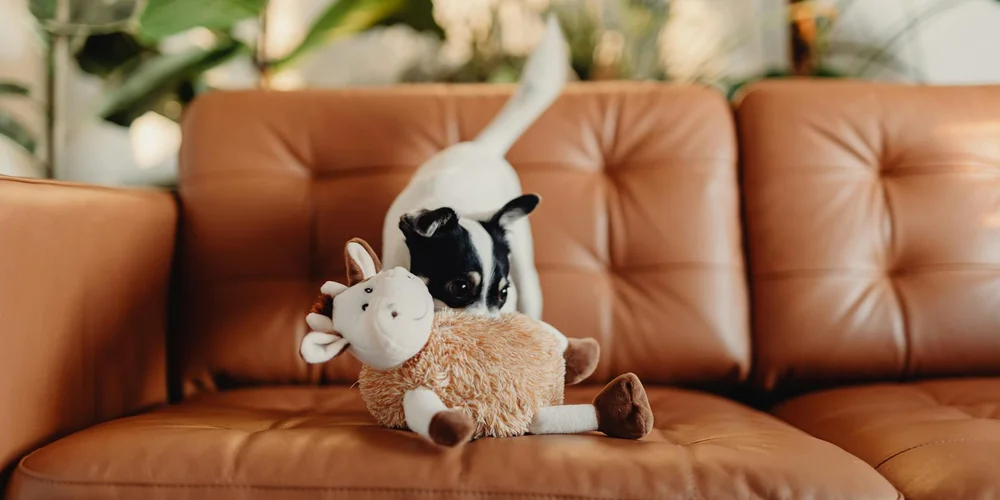
Speed is your best ally. Keep a simple kit handy: a mild, pH-balanced leather cleaner, several clean white microfiber cloths, and a soft bristle brush (like a horsehair detailing brush).
The Step-by-Step Clean-Up
When a spill or stain occurs, follow these steps. I used this exact method on June, my jacket, after a coffee splash.
- Blot, never rub, any liquid immediately. Rubbing pushes it deeper into the leather’s pores.
- Use a cleaner specifically made for your leather type (aniline, semi-aniline, protected). Apply a small amount to a cloth, not directly onto the stain.
- Gently work in a circular motion, starting from the outside of the stain moving inward.
- Let the area dry completely at room temperature. Avoid heat sources.
- Once dry, apply a small amount of leather conditioner to that spot to restore the oils the cleaning process removed.
For muddy paws: let the mud dry completely. Then, brush it off gently with your soft brush. Brushing dry dirt away first prevents you from grinding it into the leather during wet cleaning. Proper cleaning methods help preserve the finish on leather boots and shoes. We’ll cover the best techniques to keep that finish looking its best in the next steps.
Addressing Scratches and Chew Marks
Light surface scratches are often part of a leather’s developing character, its patina. For these, a quality leather conditioner can work wonders. If scratches linger, there are simple repair steps to remove scratches from leather and suede furniture. This approach helps keep your pieces looking their best.
Apply conditioner with your fingertips, rubbing it well into the scratch with gentle, circular pressure. The oils and waxes can often help the scratched fibers relax and blend, making the mark fade into the surrounding leather over a few applications.
For deep scratches, punctures, or torn edges from chewing, DIY can risk making it worse. If holes or tears show up on leather couches or other furniture, a pro can often restore the look without replacing it. This is when a professional leather repair technician is the right call, especially for valuable furniture. They will:
- Clean and prepare the damaged area.
- Fill the puncture with a leather-compatible compound.
- Color-match and blend new pigment into the spot.
- Seal the repair to protect it.
The result is a repair that preserves both the look and the value of your piece, something I’ve seen save cherished items time and again.
Considering Alternatives and Insurance
A heavy-duty furniture cover is a practical, semi-permanent solution. Think of it as a raincoat for your sofa. It’s there when you need it, especially during a rambunctious play session or when you’re away for a few hours.
Choose a breathable, machine-washable fabric that fits snugly. A loose cover can be just as tempting for a dog to burrow under and scratch the leather underneath.
A good cover is about peace of mind, but it shouldn’t be a permanent barrier between you and the beautiful leather you invested in.
As for leather furniture protection plans or extended warranties, my advice is cautious. For a truly expensive, custom piece, it might be worth a look. But you must read the contract details with extreme care.
Many plans have specific exclusions for “pet damage” or consider it general wear and tear, which they don’t cover. The cost-benefit often doesn’t add up.
Routine, proactive care with quality conditioners and protectants is a more reliable form of insurance you control directly.
Your Lasting Leather: Final Thoughts

Protecting leather from a beloved dog is a holistic practice. It starts with choosing a durable leather like a full-grain or corrected-grain hide. You then build a shield with a dedicated leather protector, reinforce good behavior with training, and maintain a quick-clean protocol for accidents. This same approach helps protect leather furniture from pets and children at home, keeping sofas and chairs looking great. It also makes daily maintenance simpler and less stressful for busy households.
Perfection isn’t the goal. My jacket, June, has light creases and a small repaired scratch. My saddle, Mason, is a map of old rubs and rich patina. These gentle marks are part of their story.
The aim is to avoid deep gouges, severe staining, or dried-out cracks-the kind of damage that shortens a piece’s life.
With this approach, you are not choosing between your pet and your furniture. You’re creating a home where both can thrive. A well-cared-for leather sofa and a happy dog can absolutely share your space for many comfortable years together.
Common Questions
What’s the real difference between a leather protection cream and a protection spray?
A cream conditions and nourishes the hide’s fibers to prevent drying and cracking. A spray typically adds a top-coat barrier to repel liquids and make surface cleaning easier. For a dog household, use both: condition regularly and use a spray for added spill resistance.
I need a leather protector spray now. What should I look for on the label?
Seek a spray specifically for protected or semi-aniline leather. Ensure it’s non-toxic and safe for use around pets once fully dry. Test any product on a hidden area first to confirm it doesn’t alter the leather’s color or texture. Additionally, practical protection like furniture covers can help guard against cats and other pets. I protect my leather furniture from cats and other pets by pairing a pet-safe spray with a cover to keep it looking its best.
Does any insurance or protection plan actually cover damage from pets?
Rarely. Most consider it “wear and tear” or have specific exclusions for pet damage. Your most reliable policy is a consistent care routine with quality products and immediate accident cleanup, which you control directly.
Caring for Leather with Pets Around
The most reliable protection starts before damage happens. A durable, pet-safe leather protector and a consistent cleaning routine for accidents form your best defense.
Good care is a sustainable practice, extending the life of a well-made piece. The patina it develops, from gentle scuffs to the way it softens, tells the story of a home well-lived.
Deep Dive: Further Reading
- Pet Friendly Leather Furniture – Durable Leather for Pets
- Leather Couches with Dogs | Article
- r/BuyItForLife on Reddit: Leather Couch that stands up to large dogs. Is it possible?
Harriet is a avid collector of leather goods such as purses, bags, seat covers, etc and has an extensive background in leather care, recovery, stain removal and restoration. She has worked for a number of years perfecting her leather care techniques and knows the ins and outs of restoring all kinds and types of leather products. With her first hand knowledge in leather care, you can not go wrong listening to her advice.
Furniture and Upholstery Care