How Can You Protect Leather Furniture from Cats and Other Pets?
Published on: February 27, 2026 | Last Updated: February 27, 2026
Written By: Harriet Nicholson
Hello Tannery Talk. If you’re staring at your leather couch with a mix of love and fear every time your pet jumps up, I get it.
We will cover selecting durable leather types, applying protective conditioners, choosing the right furniture covers, and training pets with kindness.
My hands have fixed countless scratches on trusted pieces like Mason and June, giving me real insight into what keeps leather safe.
Why Do Pets Scratch and Damage Leather Furniture?
Your pet isn’t trying to ruin your sofa. They are following instincts. Cats scratch to maintain their claws, stretch their muscles, and mark territory with scent glands in their paws. The satisfying texture and resistance of leather make it a prime target. Dogs may scratch or chew leather out of boredom, anxiety, or to find a comfortable spot. When scratches occur, repair options for leather furniture exist—ranging from quick DIY fixes to professional restoration. Understanding repair approaches can help protect your sofas and couches from further damage.
Leather feels different from fabric or wood. Its grain has a natural give and a unique scent. To a cat, it can feel like the perfect, sturdy tree bark. Compared to a tightly woven synthetic fabric, the surface of leather allows claws to catch and pull, which is exactly the sensation they seek.
Not all leathers are equally at risk. An aniline-dyed leather, like my jacket June, has minimal protective topcoat. Its beautiful, natural surface is more vulnerable to punctures and permanent scratches. A protected or semi-aniline leather has a light polymer coating that can offer a bit more resistance to initial marks, but no leather is truly claw-proof. The best defense combines understanding your pet’s needs with choosing the right protective strategies for your specific leather.
How Do You Stop Cats from Scratching Leather Furniture Today?
You can start right now without buying anything. The goal is to make the furniture uninteresting and provide a better option.
Place a proper scratching post or pad directly in front of the favored spot on your sofa. When you see your cat approach the leather, gently pick them up and place their paws on the post. Praise them and use a toy to encourage scratching there. Consistency is key. If your leather has already been scratched, you may wonder how to repair cat scratch damage and prevent future scratches. Learn about repair options and prevention strategies. It took a week of redirection for my cat to leave Scout’s spot on the chair alone.
For immediate physical barriers, use safe, non-damaging deterrents on the furniture edges.
- Double-sided tape: Apply strips to the corners and arms. Cats hate the sticky feeling on their paws.
- Aluminum foil: Drape sheets over the usual scratching zones. The sound and texture are often a turn-off.
- Citrus scents: Lightly dab a cotton ball with lemon or orange essential oil (diluted) on a hidden area first to test. Many cats dislike the smell.
Keep your pet’s claws blunt. Regular nail trimming is one of the most effective steps. Ask your vet or a groomer to show you how to do it safely. For cats, soft nail caps are another option that prevents damage without harming the animal.
Your pet scratches your furniture because it’s the best option available; your job is to make a scratching post more appealing than your favorite chair. Try different materials like sisal, carpet, or cardboard. Sprinkle a little catnip on the new post to attract them. A tired pet is a good pet, so increased playtime can reduce destructive boredom.
What Are the Best Ways to Cover a Leather Couch or Sofa?
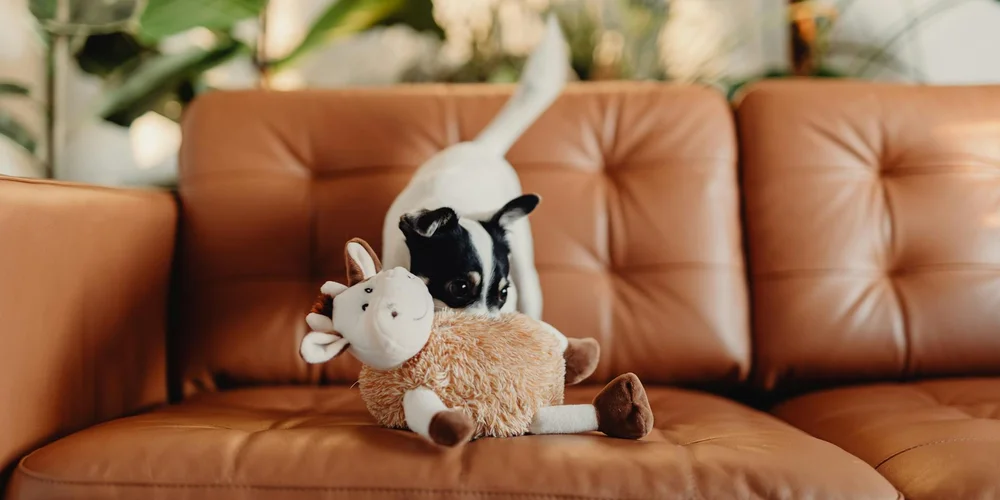
Think of a cover as a shield for your leather. A good one blocks claws and fur while being easy to manage. You have three main choices, each with a different balance of fit and convenience.
I think about my own pieces. My old English saddle, Mason, would be fine in the rain, but he needs a breathable cover in the barn. Your sofa needs similar thought. The best cover is the one you will actually use and wash regularly.
| Option | Best For | Considerations |
|---|---|---|
| Dedicated Pet Couch Cover | Maximum, worry-free protection from determined scratchers and shedders. | Often made of tightly-woven, scratch-resistant polyester. Can feel less cozy and may not suit your home’s style. |
| Fitted Slipcover | A neat, tailored look that stays in place with moderate pet activity. | Look for stretch fabrics with a snug fit. Must be breathable (like cotton blends) to prevent trapped moisture on the leather. |
| Throws & Blankets | Flexibility, easy washing, and a cozy aesthetic. | Requires securing to stay put. Perfect for protecting just the seating area where pets lounge most. |
Your material choice is crucial. Machine-washable fabrics like cotton, flannel, or canvas are lifesavers. You will wash them often. Avoid plastic-backed or rubberized picnic-style covers for long-term use. They don’t breathe and can make the leather underneath feel sticky or damp.
What if you need a solution right now? A large tablecloth or a spare blanket works in a pinch. Drape it over the main seat cushions and tuck the edges firmly down between the cushion and the couch frame. It is not perfect, but it is an instant barrier for an unexpected pet nap.
Choosing and Using Slipcovers
A slipcover that slips is useless. The goal is a second skin for your sofa. Start with a soft tape measure.
Measure in this order:
- Width: Across the widest point (arm to arm).
- Height: From the floor over the back to the front of the seat cushion.
- Depth: From the back of the seat cushion to the front edge.
Write these numbers down. Compare them to the manufacturer’s sizing chart, not just the label like “3-seater”. An inch or two of stretch in the fabric is good, it helps the cover grip.
Breathability is non-negotiable. Leather needs air circulation. A plastic-y, non-breathable cover traps your body heat and any ambient humidity against the leather. Over time, this can dry it out or promote mold. Choose natural fibers like cotton or linen blends, or modern performance fabrics that specifically mention breathability. Your leather jacket, June, wouldn’t be stored in a plastic bag. Your sofa deserves the same care.
Making Throws and Blankets Work
The challenge with a throw is your pet turning it into a crumpled heap. The trick is to remove the easy corners for them to grab. A neatly folded blanket invites burrowing. A securely tucked one says “this is just part of the couch.”
Follow this method for a stay-put throw:
- Lay the blanket flat over the seating area, letting it drape over the front and sides.
- Sit firmly on the couch to create an impression.
- Tuck the front edge deeply into the crack between the seat and back cushions.
- Then, tightly tuck the side edges down between the seat cushions and the arms of the couch.
For extra security, use lightweight, non-slip rug pads or grippy mesh shelf liner. Cut a piece to fit the seat cushion and place it under the blanket. The friction between pad, blanket, and leather works wonders. Some decorative throw blankets even come with silicone bead backing for this exact purpose.
Weight the corners. A neatly placed book or a small, heavy decorative pillow on each corner of the blanket where it meets the seat can anchor it without looking messy. It is a simple, effective fix for a cat who loves to redecorate.
Should You Use a Leather Furniture Protection Cream or Wax?
Think of your leather sofa like your own skin. When your hands are dry, you put on lotion. That lotion hydrates and forms a thin, protective layer. Leather conditioners and waxes work the same way. They replenish the natural oils lost over time and create a subtle barrier on the surface. Behind the science, conditioning oils and waxes penetrate the leather fibers to restore moisture and reinforce the barrier. This deeper protection helps the hide stay supple and resist drying over time.
This barrier is what helps repel the first contact of a damp paw or a curious nose, giving you a precious moment to intervene. My jacket, June, gets a light coat every season. It doesn’t make her bulletproof, but it means a light rain shower or spilled drink beads up and wipes away easily instead of soaking right in.
How to Apply Protection: A Clean Slate First
You can’t build a good defense on a dirty surface. Always clean your leather thoroughly before applying any protector. Dirt acts like sandpaper, grinding into the finish every time something touches it.
- Dust it. Use a soft, dry cloth to remove loose hair and dust. A vacuum with a soft brush attachment works well for crevices.
- Clean it. Dampen a clean cloth with water and a drop of pH-balanced leather cleaner. Wipe the entire surface, then immediately wipe it with a second cloth dampened with plain water to rinse. Let it dry completely.
Now you’re ready for the protector. Use a clean, lint-free cloth. Apply a neutral leather conditioner or protection cream in a thin, even layer. Rub it in using small circles. The goal is to moisturize the leather, not to leave a sticky film on top. For waxes, which are thicker, use an even smaller amount and warm it between your fingers first to help it spread.
The Buffing Step: Where the Magic Happens
After letting the product soak in for 15-20 minutes, take a fresh, dry cloth and buff the surface. Use firm, straight strokes. This removes any excess product and polishes the finish. You’re looking for a soft sheen, not a high gloss. Your leather should feel supple to the touch, not tacky.
This buffing step is what seals the deal, ensuring the protection is part of the leather’s surface and not just sitting on top where it can attract more dirt.
A Note on Color: The Temporary Darkening Effect
Most quality conditioners will darken leather slightly when first applied. Don’t panic. This is completely normal and shows the leather is absorbing the nutrients. My saddle, Mason, goes a rich, deep chestnut every time I oil him. Within a day or two, as it fully dries, the color lightens back up close to its original shade, just with a healthier, richer glow. The leather will be darker when damp with conditioner, but it will lighten as it dries and cures.
To be safe, always test any new product in a discreet spot first, like behind a cushion or on the back leg. This lets you see the final color and feel before committing to the whole piece.
Does Leather Furniture Protection Spray Really Work?
You see them on the store shelf and wonder. Is this just a gimmick, or a real shield for your sofa? From my bench, I can tell you they are a real tool, but knowing what they are-and what they are not-is everything.
Think of a protectant spray as a very light, invisible raincoat for your leather. Most sprays are based on silicones or fluoropolymers. They don’t soak in like a conditioner. Instead, they form a thin, continuous film on the surface. This film repels water-based liquids and creates a slicker surface, which can make it harder for dirt and grime to stick deeply. These sprays are part of the broader category of leather waterproofing treatments but don’t always provide long-lasting protection.
The real value of a spray is creating a temporary, slick barrier that buys you crucial seconds to wipe up a spill before it soaks in.
Spray vs. Cream: A Side-by-Side Look
I use both in my shop, but for different reasons. Let’s compare them directly.
- Speed & Feel: A spray is undeniably faster to apply over a large area like a sofa. The feel afterward is different. A spray leaves a surface that can feel slightly smoother or slicker, while a cream conditioner soaks in to nourish the leather from within, preserving the original handfeel.
- Moisture vs. Barrier: This is the big one. A conditioning cream moisturizes the leather fibers to keep them supple and prevent cracking-it treats the material itself. A spray protects the surface from external attacks. It’s great against liquid spills, but it does nothing to address the leather’s internal dryness.
- Best Use: For my jacket June, I use a conditioner on the creases to keep them soft. I might use a light spray on the shoulders and back for an extra layer against light rain. For a sofa facing muddy paws or tipped water bowls, a spray’s barrier function is its main advantage.
Think of conditioner as food for the leather and protectant spray as its outer shell. You often need both for complete care, but they work in completely different ways.
How to Apply Spray Protectant Safely and Effectively
Doing this wrong can lead to a sticky, patchy mess. Doing it right is simple. Here is how I would treat a client’s leather armchair.
- Start with a clean, dry surface. Any spray applied over dirt or dust will seal it onto the leather forever. Use a neutral leather cleaner and a soft cloth first. Let it dry completely.
- Always test in a hidden spot first. The inside of a skirt, the back of a cushion. Spray a small area, let it dry, and check for any change in color or texture. This step is non-negotiable.
- Work in a well-ventilated space. Open windows, use a fan. The aerosols are not something you want to breathe in. I always do this in my open garage.
- Spray lightly from about 6-8 inches away. Do not soak the surface. A fine, even mist is what you want. Heavy spraying leads to puddling and a stiff, plastic-like feel.
- Wipe gently with a clean, dry cloth. Immediately after misting, use a soft cloth to spread the protectant evenly and wipe away any excess. This ensures a uniform layer without sticky spots.
- Let it cure fully. Give it at least a few hours, preferably overnight, before using the furniture. This lets the film set properly. You’ll know it’s ready when the surface no longer feels cool or damp to the touch.
A common mistake is reapplying spray too often, which can build up a cloudy residue. For pet protection, a fresh application every few months is usually plenty, always on top of clean, conditioned leather. If the surface starts to feel tacky, a gentle cleaning with a damp cloth can often remove the excess buildup.
How Do You Clean Leather After a Pet Accident?
It happens to everyone. One minute your pet is napping peacefully, the next there’s a puddle or a pile on your favorite chair. Don’t panic. With the right approach, you can clean it up and keep your leather healthy. The key is speed and gentleness.
Leather is a skin, not a plastic coating. Harsh chemicals strip away its natural oils and protective finishes. Think of your sofa like my old saddle, Mason. You wouldn’t scrub his fine grain with kitchen spray, and you shouldn’t do it to your furniture either.
Your Immediate Action Plan for Any Fresh Stain
Time is your biggest ally. Follow these three steps first, no matter what the mess is.
- Remove Your Pet: Gently move them to a safe spot to prevent a second accident or them tracking the mess.
- Blot, Never Rub: Grab a stack of clean, absorbent white cloths or paper towels. Place them over the stain and press down firmly. Rubbing will grind the substance deeper into the leather’s pores.
- Assess the Stain: Once you’ve blotted up the excess, identify what you’re dealing with. Your next steps will differ slightly for urine, vomit, or mud.
Step-by-Step Guide for Specific Stains
After the initial blotting, use these targeted methods.
For Fresh Urine
Urine is tricky because it’s alkaline and can break down leather fibers over time. You need to neutralize and clean it.
- Continue blotting until the cloth comes away nearly dry.
- Mix a solution of lukewarm water and a few drops of a pH-balanced, neutral leather cleaner. Never use vinegar or ammonia-based cleaners, as they can upset leather’s pH and cause lasting damage.
- Dampen a fresh soft cloth with your cleaning solution, wring it out so it’s just barely damp, and gently wipe the affected area.
- Follow immediately with a cloth dampened with plain water to rinse.
- Blot dry with a clean towel. Let the spot air dry completely away from direct heat.
Letting urine sit is the real enemy; quick, proper cleaning prevents permanent odor and staining.
For Vomit or Food
These can contain acids and oils. Your goal is to remove all residue.
- Use a dull edge, like a spoon, to gently scoop up any solid material.
- Blot the remaining liquid thoroughly with dry cloths.
- Clean with your mild leather cleaner solution, using the same damp-cloth method described for urine.
- Rinse with a water-dampened cloth and blot dry.
For Mud or Dirt
Mud is mostly a patience game. Let it dry completely. Once it’s dry and crusty, you can often brush most of it away with a soft-bristled brush (a clean horsehair detailing brush is perfect). For any leftover residue, use your mild cleaner on a damp cloth.
The Non-Negotiable Final Step: Condition
Every cleaning, especially for accidents, removes a bit of the leather’s natural oils. If you skip conditioning, the spot will become dry and brittle, leading to cracks.
Once the area is completely dry to the touch, apply a small amount of a quality leather conditioner. Use your fingertips to work it in gently in a circular motion. This replenishes the moisture you cleaned away. Think of it like putting lotion on your hands after washing them.
Conditioning after a clean-up isn’t optional; it’s what seals the deal and keeps the leather strong and supple. I never clean June, my jacket, without following up with a bit of conditioner on the repaired areas.
Why Harsh Cleaners Are a Permanent Mistake
It’s tempting to reach for a powerful household disinfectant or a DIY vinegar mix. Don’t. These products are designed for non-porous surfaces like tile or glass.
Leather is porous and alive with natural oils. Harsh alkaline or acidic cleaners:
- Strip away the protective topcoat (the “finish”).
- Dry out the leather fibers, causing them to crack.
- Can cause permanent discoloration or a bleached appearance.
A dedicated leather cleaner is formulated to lift stains without attacking the material itself. It’s the safest tool for the job, especially when removing stubborn stains from leather surfaces.
Can You Fix Scratches on Leather Furniture?
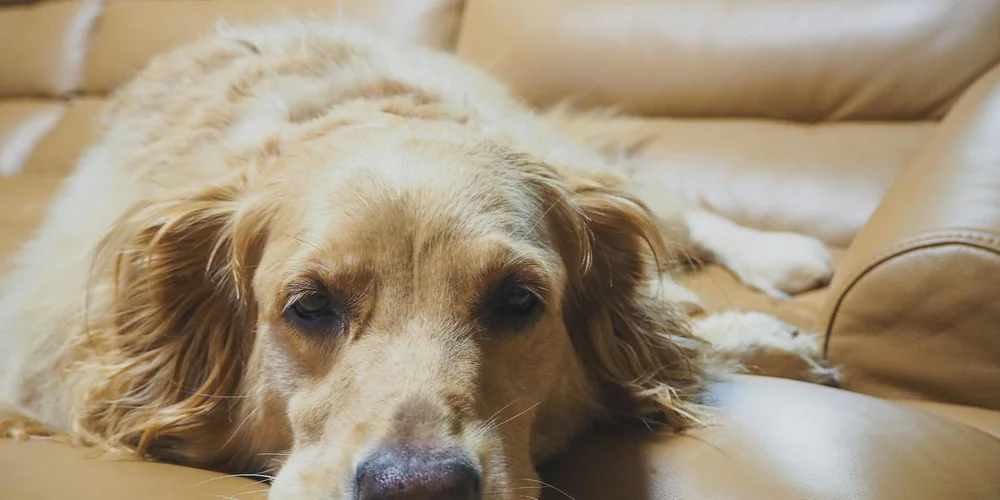
Most marks from a pet’s playful swipe or a stray claw are just surface-level. Think of them like a scuff on a shoe, not a tear in the fabric. The first step is to run your finger gently over the mark. Does it catch your fingernail? If it just feels like a faint line in the finish, you’re in luck. These are cosmetic and often blend away.
Deep gouges, where the leather’s top grain is clearly torn or missing, need a different approach than simple surface marks. You can see the lighter, fibrous underside of the leather. These aren’t something you can rub out, but they can often be made nearly invisible with the right materials and patience.
Buffing Out Minor Scratches
For those light surface trails, you often have what you need already at home. Your own body heat and a bit of leather conditioner can work wonders. This is the same trick I use on June, my leather jacket, after she snags on a door handle.
Start with a clean surface. Use a soft, damp cloth with a drop of pH-balanced leather cleaner to wipe away any dust or oils. Let it dry completely. Now, take a small dab of a quality leather conditioner or cream on your fingertip. Choose the right cleaner to ensure you don’t damage your leather.
- Warm the conditioner by rubbing it between your fingers.
- Gently massage it into the scratched area using small, circular motions. The heat and oil help the leather’s fibers relax and swell slightly.
- Let it sit for five to ten minutes, then use the clean, dry part of a soft cloth to buff the area firmly.
You are not removing the scratch, but hydrating and polishing the surrounding leather so the mark fades into the patina. For very fine marks, this one-step buff might make them disappear entirely. For a cluster of light scratches, you may need to repeat this process over a few conditioning sessions, allowing the leather to absorb the treatment fully each time.
When to Call a Professional
If your fingernail catches in the groove or you see a flap of torn grain, home buffing won’t fix it. For these, you have two good paths.
A leather repair filler kit can be effective for small, isolated gouges. These kits use a flexible compound you color-match and layer into the wound, then seal. They require a steady hand and practice on a hidden spot first. The result can be very good, but it’s a skill.
For extensive damage or valuable furniture, a professional leather repair technician is your best investment. They have the tools, dyes, and experience to seamlessly rebuild the leather’s surface. They can make damage vanish in a way DIY kits rarely achieve. It’s the choice I made for a deep scratch on Mason, my saddle, and it was worth every penny for the perfect, durable fix. It’s essential when you want to repair and remove scratches from leather and suede that are persistent.
What’s a Good Maintenance Routine for Leather with Pets?
Think of your sofa like my leather jacket, June. I don’t wait for her to get dirty or stiff. A little regular care keeps her soft, clean, and strong for years. The same idea works perfectly for furniture. A simple schedule stops pet hair, oils, and the occasional claw from becoming a permanent problem.
This routine combines protection, cleaning, and moisturizing. It’s about gentle, consistent attention.
Your Daily Minute
This takes less time than making your morning coffee. When you get up or before bed, give your leather a quick once-over.
- Smooth your throws or slipcovers back into place. This keeps them ready to deflect paws and claws.
- Use a dry, soft cloth (like an old t-shirt) to whisk away any loose pet hair or dust. A quick wipe down the cushions prevents hair from getting ground in.
This tiny daily habit is your first and best defense, keeping the surface clear before anything can settle in.
The Weekly Check-In
Once a week, set aside ten minutes. This is like giving your furniture a quick health check. You’ll need a soft brush (a horsehair detailing brush is perfect) and a clean, damp microfiber cloth.
- Remove all throws and covers.
- Use the soft brush to gently loosen and lift any embedded pet hair from the grain and crevices. Brush in one direction.
- Dampen your microfiber cloth with clean, cool water. Wring it out completely-it should only be slightly damp.
- Wipe the entire surface of the leather to remove surface oils and dirt. Let it air dry for five minutes.
- Replace your protective covers.
This weekly wipe-down removes the oils from your pet’s fur and skin before they can dry out the leather or attract more grime.
The Monthly Conditioning Session
Once a month, your leather needs a drink. Cleaning can dry it out, and pets add stress. Conditioning puts moisture back in. For this, you need a pH-balanced leather conditioner. Avoid anything with silicone or waxes for now; we want nourishment, not a seal.
- Complete your weekly cleaning steps and let the leather dry fully.
- Apply a small amount of conditioner to a fresh, soft cloth.
- Rub it into the leather in gentle, circular motions. Focus on areas that get the most wear: seat tops, armrests, headrests.
- Let the conditioner soak in for the time recommended on the bottle (usually 20-30 minutes).
- Buff off any excess with a dry cloth. The leather should feel nourished, not sticky.
Conditioning monthly replenishes the leather’s natural oils, keeping it supple and less likely to crack from scratches or pressure. It’s the same principle I use on June’s sleeves and collar to prevent deep creases from turning into tears.
Common Mistake & The Simple Fix
A common error is using a strong all-purpose cleaner or a silicone-based spray. These can strip the leather’s finish or create a slippery film that actually attracts more dirt and hair.
The fix is simple: stick to products made for leather care. If you’ve used a harsh cleaner, your leather might feel stiff. The next conditioning session will be extra important. Apply conditioner, let it sit, and buff. You may need to repeat this in two weeks to restore flexibility.
Your furniture is a daily companion, just like my well-worn jacket. Regular, gentle care is the reliable way to enjoy it for years, pets and all.
Is Leather Furniture Protection Insurance or a Warranty Worth It?
It’s a common question when you’re investing in a nice sofa or chair. That salesperson offers an extra policy for scratches and stains. It sounds like peace of mind. Let’s look at what you’re really buying.
These policies usually cover specific accidental damage. Think about a pet’s deep scratch that catches the grain, a juice spill that soaks in before you can blot it, or a tear from a toy. They are designed for sudden, one-time accidents, not for the slow wear and fading that comes from daily life.
Read the fine print carefully. Most exclude damage they call ‘gradual’ or ‘pre-existing’. This often means:
- Normal creasing and patina development.
- Color loss from sunlight.
- Drying or cracking from lack of conditioning.
- Damage from using the wrong cleaners.
If your cat makes the same scratching spot a little worse each day, that likely won’t be covered.
Weighing the Cost Against Real Repairs
First, get a quote for the policy. Then, think about the cost of common fixes. A professional leather repair technician can often blend out a set of light to medium scratches for less than the price of a multi-year warranty. For a major spill, a deep cleaning and re-dyeing of a cushion panel might cost a bit more.
The math usually only makes sense if you fear a total loss-a massive, irreparable tear or stain that would require replacing the entire piece. For my friend’s sofa, a warranty would have cost $300 over five years. A repair for their dog’s claw mark cost $120. They came out ahead without the insurance.
Look at What You Already Have
Before you buy more coverage, check your existing tools. Your homeowner’s or renter’s insurance policy may already cover certain types of accidental damage to furniture. The deductible might be high, but it’s good to know. Some premium credit cards also offer purchase protection for new items, covering damage or theft for a short period after you buy.
Your best and most reliable protection isn’t a piece of paper. It’s a simple, consistent care routine using the right products for your leather type. A conditioned, clean leather surface is more resilient to minor scratches and easier to clean quickly when spills happen. That’s a warranty you control.
Common Questions
Is a leather protection cream or spray better for pet homes?
Use both, but for different reasons. A conditioner cream nourishes the leather to prevent drying and cracking, while a protectant spray creates a slick, temporary barrier against immediate spills and messes.
Can I find a good leather protection spray at a local store?
Yes, but read the label carefully. Look for a spray specifically for finished leather, and always test it on a hidden area first to check for color change or unwanted residue.
How should I protect leather furniture during a move or shipping?
Wrap it in soft, breathable cotton moving pads-never plastic. Plastic traps moisture, which can cause mildew or finish damage during temperature changes in transit.
Is a store’s leather furniture protection plan a good substitute for regular care?
No. Most plans cover sudden accidents, not gradual wear or damage from neglect. Your best insurance is a consistent routine of cleaning and conditioning.
Final Thoughts on Leather and Pets
Protecting your furniture starts with proactive habits, not just reactive covers. The best method combines a physical barrier, like a durable throw, with consistent training for your pets.
Good leather care is a sustainable practice, extending the life of a well-made piece for years. Building your maintenance skills means you can handle minor scratches yourself, keeping your leather furniture beautiful and out of the landfill.
Relevant Resources for Further Exploration
- How To Protect Leather Furniture From Cats | Bel Furniture
- Amazon.com: Cat Scratch Deterrent For Leather Furniture
- How to Protect Leather Dining Chairs From Cats Grossman Furniture
Harriet is a avid collector of leather goods such as purses, bags, seat covers, etc and has an extensive background in leather care, recovery, stain removal and restoration. She has worked for a number of years perfecting her leather care techniques and knows the ins and outs of restoring all kinds and types of leather products. With her first hand knowledge in leather care, you can not go wrong listening to her advice.
Furniture and Upholstery Care