How Has Leather in Automotive Interiors Evolved From Classic to Modern?
Published on: September 7, 2026 | Last Updated: September 7, 2026
Written By: Harriet Nicholson
Hello Tannery Talk. Have you ever wondered why the leather in a vintage car feels so distinct compared to your new vehicle’s seats?
We will cover the rugged, breathable hides of classic automobiles, the durable coated materials used today, and how to adapt your care routine for each era.
I have worked hands-on with leather from every decade, restoring everything from sun-baked classic car upholstery to modern perforated seats.
How did leather first find its way into cars?
In the early days, cars were essentially horseless carriages. The craftsmen who upholstered carriages simply moved their skills to the automobile. They brought the same thick, full-grain leather with them.
That leather had a distinct character. It felt substantial, like the weight of my old saddle, Mason. You could see the natural grain pattern, and it had a rich, earthy smell from vegetable tanning. It was not soft or supple at first. It broke in over years of use, developing a deep patina and a gentle creak.
Luxury brands chose this leather not just for comfort, but because it was the most durable material available for a rough, dusty ride. It was a clear sign of status, showing your vehicle was built with the best materials meant to last for decades, just like a fine saddle.
If you own something from this era, or a modern piece made with similar full-grain leather, care is straightforward. Use a gentle, pH-balanced leather cleaner once or twice a year. Follow with a light application of a natural conditioner, like a cream or oil. Let it absorb fully. For guidance on the best products and methods for cleaning leather, seek trusted recommendations. Choosing cleaners and conditioners wisely helps preserve color and texture. This maintains the leather’s strength and lets the patina shine.
What happened to car leather after World War II?
The demand for cars exploded, and manufacturers needed faster, cheaper production. Leather had to adapt. The industry moved towards more processed hides. These were often split and sanded, then given a heavy pigment coating and a plastic-feeling topcoat.
This new leather was thinner and more uniform than the old full-grain hides. It felt smoother and was easier to cut and sew in large volumes. However, that robust, breathable character was lost. Comparing this coated leather to the earlier kind is like comparing a crisp new baseball glove to Mason’s deeply broken-in saddle; one is shiny and perfect, the other is lived-in and strong at its core.
This change meant care needs shifted dramatically. You were no longer caring for raw leather, but for a painted and sealed surface. Harsh chemicals or oily conditioners could damage the coating. The rule became: clean gently with a product meant for coated leathers and use only water-based or silicone-based protectants to maintain the finish without causing peeling or discoloration.
The rise of leatherette and vinyl alternatives
Synthetic materials like vinyl and leatherette became popular for simple reasons: low cost and perfect consistency. Every roll looked exactly the same, with no natural markings, which simplified manufacturing.
Think of it this way: comparing real leather to a synthetic alternative is like comparing my soft calfskin jacket, June, to a plastic raincoat. One breathes, ages, and tells a story. The other is waterproof, wipes clean easily, and always looks the same.
Here are the key differences in how they feel and wear:
- Feel: Real leather is supple and warm to the touch. Synthetic materials often feel cooler and can have a slight plastic tackiness.
- Wear Over Time: Leather develops a patina. Synthetics do not age; they typically show wear by cracking, peeling, or fading in color.
- Care: Caring for synthetics is mostly about surface cleaning with a mild, non-abrasive cleaner. You should avoid leather conditioners, as they cannot penetrate the plastic surface and will just sit on top, attracting dust.
A common mistake is using a leather conditioner on a vinyl seat, which creates a greasy, sticky film. The simple fix is to wipe it off thoroughly with a damp cloth and a drop of mild soap, then use a protectant made specifically for vinyl or plastic surfaces.
Why did real leather make a comeback in modern cars?
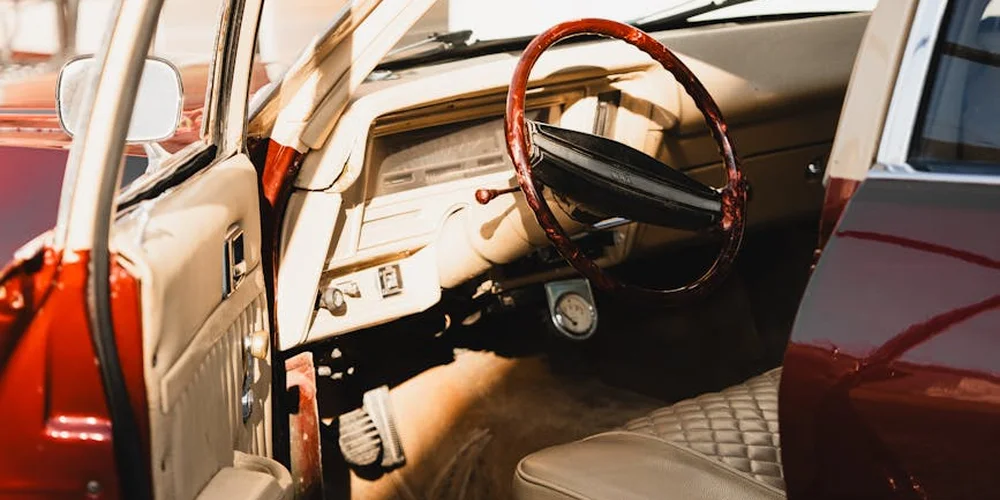
For a while, many cars used synthetic materials that looked like leather. They were easy to wipe clean. But they didn’t feel right. They didn’t breathe. People started wanting the real thing again for that authentic, premium feel. Modern buyers value leather because it’s a natural, breathable material that ages with character, not one that just gets old and worn out.
Today’s automotive leather is engineered for daily life. It often uses a semi-aniline finish or a protected coating. This means the hide gets a light, even dye to show off its natural grain, then a clear protective layer goes on top. This balances luxury with practicality. The leather feels soft and looks rich, but that top coat resists spills and UV fading far better than untreated leather.
Think of it like my veg-tan wallet, Scout. Scout is durable because it’s thick and I’ve fed it oils for years. Modern car leather is durable in a different way. Its strength comes from that protective finish, like a resilient shell. It’s a different kind of toughness, built to handle sunlight and blue jeans without needing constant attention.
How do you care for genuine vintage leather seats?
Older car leather, often from the 90s or earlier, is a different beast. It’s usually more porous and has dried out over decades. Your goal is not to seal it, but to nourish it back to health. Rushing this can cause damage.
Start with a thorough, gentle clean. Use a dedicated saddle soap or a very mild, pH-neutral leather cleaner. Dampen a soft microfiber cloth with water, work the soap into a lather on the cloth, and wipe the seats in small circles. You want to lift dirt without soaking the leather. Wipe off the soapy residue with a second, clean damp cloth, then let the seat dry completely. This can take a few hours. This aligns with general methods and best practices for cleaning natural leather without damage. For a complete reference, see the do clean natural leather chair without damaging it guide.
Next, conditioning is key. For this old, dry leather, you need a nourishing oil or conditioner without silicones. Silicone-based products sit on top and create a plastic-like layer that can eventually crack and prevent the leather from absorbing real nutrients. Look for conditioners with natural ingredients like lanolin or beeswax. To get lasting softness and prevent cracking, choose the best oil conditioning leather products. These oils nourish rather than just sit on the surface, helping the leather stay supple over time. Apply a small amount to a clean cloth and work it into the leather in circular motions. Let it soak in overnight.
The leather will darken initially. Don’t panic. As it fully absorbs over 24-48 hours, the color will even out. If the leather still feels stiff and dry to the touch after a week, repeat the conditioning step. Patience brings the best results.
Spotting and fixing common vintage issues
Before you start any care routine, inspect your seats closely. Look for three main things: surface cracks, color transfer, and overall hardness.
Fine surface cracks are often just in the top finish. Deeper cracks that look like dry riverbeds mean the leather fibers are breaking. Dye transfer from jeans is common on light seats and usually sits on the surface. Hardness means the leather’s natural oils are long gone.
For light cracks and stiffness, your cleaning and conditioning regimen is the fix. It won’t erase cracks, but it will make the leather more supple and prevent them from getting worse. For dye transfer on leather, try a gentle leather eraser or a tiny bit of cleaner on a cotton swab first. Test it in a hidden spot.
This is like the careful work on my jacket, June. I didn’t replace the whole panel when it scuffed. I cleaned it, fed it conditioner, and touched up the color with a careful hand. For vintage leather, slow and repeated conditioning is the true repair. It reinforces the material from within. Quick fix sprays that promise a shiny new coat often fail and can trap moisture underneath, leading to bigger problems. Feed the leather, don’t just paint it.
What’s the best way to maintain modern coated leather?
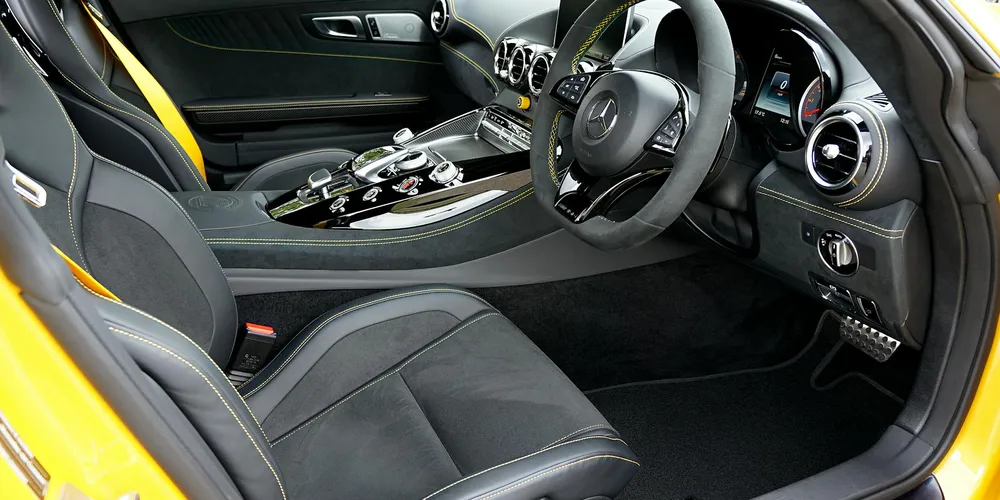
Modern car seats feel different. They’re smooth, uniform, and resist coffee spills wonderfully. That’s because they’re coated with a thin, protective layer of polyurethane or similar material. Think of it like a clear, flexible nail polish over the leather. Your job isn’t to feed the leather underneath, but to keep this topcoat clean and intact.
Your cleaning routine is simple but specific. Start by vacuuming the seats thoroughly to lift grit that can scratch the coating. For the cleaner, you need a pH-balanced, leather-specific spray. Harsh all-purpose cleaners will dull and degrade the protective finish over time. Spray the cleaner directly onto a soft microfiber cloth, not the seat, to avoid oversaturation. To round out care, consider the best products and techniques for cleaning, maintaining, and repairing genuine and faux leather car seats in automotive interiors. This broader approach helps protect the coating and extend the seat’s life.
Gently wipe the surface in one direction, following the grain if you can see it. For textured areas, a soft bristle brush can help lift dust from the pores. Wipe dry with a second clean cloth. That’s it for cleaning. The whole process for two front seats should take about 15 minutes.
Conditioning is where most people go wrong. A heavy, greasy conditioner made for a saddle like Mason will never penetrate that modern coating. It will just sit on top as a sticky film, attracting more dirt. For modern coated leathers, use a lightweight, water-based conditioner or a protectant formulated for finished leathers. Apply it sparingly, twice a year at most, just to maintain the coating’s flexibility.
Over-conditioning is harmful because it creates buildup. This gummy layer can trap dirt, cause discoloration, and even crack as it ages. If your seats feel slick or look shiny in patches, you might be using too much product. A simple wipe-down with a damp cloth can often remove the excess.
How can you identify what type of leather is in your car?
You don’t need to be an expert. A simple touch and visual test in good light will tell you most of what you need to know. Your goal is to figure out if you’re dealing with a thirsty, porous hide or a sealed, protected one.
First, look closely. Run your fingers over the surface. Does it have a natural, uneven grain pattern with visible pores and scars? That’s a good sign of an older, full-grain or top-grain leather. Is it perfectly smooth and uniform in color and texture? That’s almost certainly a modern coated leather.
Now, do the absorption test. Put a single, tiny drop of water on an inconspicuous spot (like the lower back bolster). Watch it for 60 seconds. On an older, uncoated leather, the water will darken the spot almost immediately as it soaks in, just like it would on my old wallet, Scout. On a modern coated leather, the bead of water will just sit on the surface.
Identifying your leather type is the single most important step before you choose any cleaner or conditioner. Using the wrong product is the fastest way to damage it. Here’s a quick guide based on the car’s era:
| Era | Common Leather Type | Key Identifier |
| Pre-1980s | Full-grain, Aniline | Rich, varied grain; water absorbs fast. |
| 1980s-1990s | Heavy Top-grain, Early Coatings | Stiffer feel, some grain; water may absorb slowly. |
| 2000s-Present | Corrected-grain with Polymer Coating | Very smooth, uniform; water beads on surface. |
Matching your care routine to your leather’s era
Pre-1960s: Nourishing and restoring
Leather from this era is like a vintage baseball mitt. It’s often thick, full-grain, and thirsty. The priority is deep nourishment to restore suppleness and prevent the leather from drying out and cracking. Avoid any modern “all-in-one” cleaner-conditioners with harsh chemicals.
Clean very gently with a damp cloth or a dedicated saddle soap. Then, use a quality leather oil or rich conditioner. Apply it, let it soak in for an hour, and buff off the excess. This process may darken the leather permanently, but that’s part of its honest patina. Do this every 6 to 12 months.
1970s-1990s: Cleaning and preserving synthetics or mixed materials
This period is a mix. You might find real leather, but you’ll also find vinyl (PVC) and early polyurethane blends. These materials are more about surface cleaning than deep conditioning. A pH-balanced cleaner for vinyl and leather is your safest bet, especially when you’re unsure of the exact composition. For genuine leather, make sure to disinfect and clean it properly to maintain its quality.
Harsh cleaners and aggressive scrubbing will fade and crack these synthetic surfaces. Use a soft brush and gentle cleaner to lift grime from the grain. Conditioning is less critical; a light, non-greasy protectant can help maintain flexibility and resist UV fading. Test any product in a hidden area first.
2000s to present: Protecting the finish
This brings us back to where we started. Your routine is defense. The leather underneath is well-preserved by its coating, so your fight is against abrasives and UV rays. Regular dusting with a microfiber cloth is more useful than frequent conditioning.
Use a dedicated UV protectant spray designed for automotive interiors to guard against the sun’s fading power, which is the primary threat to modern leather’s appearance. Clean spills immediately with a damp cloth. The focus is on preserving that factory-fresh look for as long as possible by caring for the top layer, not trying to feed what’s beneath it. Together, these steps help clean and protect leather car seats from sun damage, spills, and wear. Proper care keeps the leather looking factory-fresh longer.
Quick Answers

What’s the one thing I’m doing daily that’s harming my modern leather seats?
Using harsh cleaners or all-purpose wipes. They strip the protective coating over time, leaving the surface dull and vulnerable. For daily upkeep, just use a dry, soft microfiber cloth to dust the seats.
How often should I *really* condition my car’s leather?
For modern coated leather, condition sparingly-only once or twice a year with a water-based product. Over-conditioning creates a gummy film that attracts dirt and can lead to cracking in the coating itself.
A spill just happened. What’s my first move?
Immediately blot-do not rub-the liquid with a clean, absorbent cloth. Rubbing can grind the spill into the leather’s grain or force it past seams. For coated leather, follow up with a damp cloth; for vintage leather, let the area dry fully before assessing.
Are home remedies like vinegar or saddle soap safe to use?
Generally, no. Vinegar is too acidic and can damage finishes, while traditional saddle soap can leave a residue that clogs modern coatings. DIY methods using common household items—like vinegar, alcohol, or soap—can inadvertently harm leather by drying, staining, or stripping finishes. Always use products formulated specifically for your leather’s type and era.
My car is garaged. Do I still need UV protection?
Yes. Even indirect sunlight through windows causes fading and degrades leather over time. A light, dedicated UV protectant spray for automotive interiors is the best defense to preserve color and material integrity.
The Long Road Ahead
The best choice for your car’s interior is the leather that fits your life. Pick durable, coated leather for family spills or rich, aniline hides for a classic look that ages with you.
Treating leather with care honors the material and the animal. Your skill in maintaining it is a quiet craft that only gets better with time, helping to develop patina in fine leather.
Related Guides and Information
- Automotive Interior Leather Market | Industry Report, 2033
- The History of Automotive Upholstery: From Leather to Vinyl – Distinctive Industries
- The Art of Automotive Interior Leather & Upholstery
- Leaving leather behind – a look at emerging materials for automotive interiors – Just Auto
- Custom Leather Seat Covers, Leather Seats, & Interiors | Katzkin
Harriet is a avid collector of leather goods such as purses, bags, seat covers, etc and has an extensive background in leather care, recovery, stain removal and restoration. She has worked for a number of years perfecting her leather care techniques and knows the ins and outs of restoring all kinds and types of leather products. With her first hand knowledge in leather care, you can not go wrong listening to her advice.
Car Interior and Auto Leather Care