Can You Use Olive Oil to Condition Leather? Debunking Common Myths
Published on: August 13, 2026 | Last Updated: August 13, 2026
Written By: Harriet Nicholson
Hello Tannery Talk. I often see this question pop up in workshops and online, usually from someone holding a bottle from the kitchen cabinet, worried about drying leather.
Let’s clear the air. We will cover what really happens when oil meets leather, why household oils can cause long-term harm, and the safe, effective alternatives I trust for pieces like Mason, June, and Scout.
I’ve conditioned, repaired, and revived hundreds of leather items, learning what works through hands-on care.
Why Do People Think Olive Oil Conditions Leather?
It makes perfect sense when you’re in a pinch. Your favorite bag feels a little stiff. You want to care for it, but you don’t have a special product. You look in the kitchen cabinet. There it is: a bottle of olive oil. It’s natural. It makes food taste good. It must be good for leather, right? This thought is the heart of the myth.
The appeal is strong. It’s a one-ingredient, cheap fix that promises immediate results. When you rub olive oil onto dry leather, it does provide a temporary softening effect, which feels like success. That initial change in handfeel is what convinces so many people. The leather drinks it in and looks richer, darker, and more supple for a short while.
I’ve heard this advice everywhere. It pops up in online forums, passed along by a well-meaning relative, or suggested as a “life hack.” I even tried it years ago on an old belt before I knew better. The problem isn’t the intent; it’s the chemistry. That initial softness is a trap, masking what’s really happening inside the leather’s fibers.
The Immediate Effect vs. The Long-Term Problem
Think of olive oil on leather like sugar for energy. A spoonful gives you a quick burst, but then you crash. Olive oil sits on and in the leather, but it doesn’t nourish it correctly.
- It’s a non-drying oil. It never fully sets or cures.
- It leaves a permanent, sticky residue that attracts dust and dirt.
- Over weeks, it can go rancid. This means it breaks down, becoming acidic and developing an unpleasant odor.
- That acidity can actually damage the leather’s fibers over time, making them brittle where they once felt soft.
That initial softening is simply the fibers being coated and weighed down, not truly replenished. For a piece like my wallet, Scout, using olive oil would be like clogging its pores, trapping dirt next to the leather and ruining its ability to age gracefully.
What Does Your Leather Actually Need to Stay Healthy?
Real leather conditioning isn’t about adding any oil. It’s about replacing the specific oils and fats lost through use, time, and cleaning. During tanning, leather is infused with these stabilizing fats. As years pass, they deplete. A proper conditioner puts the right stuff back.
Use this simple analogy: conditioning leather is like moisturizing your skin. You use a lotion made for skin. You wouldn’t rub salad dressing on your hands. Leather needs a product formulated for its unique structure, not a cooking ingredient.
The Right Way to Feed Your Leather
A quality leather conditioner is a balanced blend. It contains nourishing oils and waxes that penetrate without clogging. Many also have emulsifiers that help the product spread evenly and absorb properly. They are pH-balanced to match the leather, preventing damage to the collagen fibers in the leather.
Here is a simple, effective conditioning process:
- Clean First: Always start with a gentle, pH-balanced leather cleaner. Conditioning over dirt seals grime into the pores.
- Apply Sparingly: Use a soft, clean cloth to apply a small amount of conditioner in circular motions. Leather only drinks what it needs.
- Let It Absorb: Give it time, often 30 minutes to an hour, to soak in fully. There should be no greasy feel on the surface.
- Buff Gently: Use a dry part of your cloth to buff off any excess. This brings up a gentle shine and ensures no residue is left behind.
The goal is to protect the fibers from the inside, creating a flexible barrier against dryness and cracking, without creating a sticky surface film. When I condition June, my jacket, it absorbs the product and simply feels more like itself-supple and strong, not greasy.
What If You Already Used Olive Oil?
Don’t panic. If it was a one-time application, you can likely fix it. The key is to gently remove as much of the olive oil residue as possible before it causes problems.
- Wipe the leather down thoroughly with a damp cloth to remove surface oil.
- Use a dedicated leather cleaner to deep-clean the pores. You may need two passes.
- Allow the piece to dry completely for 24 hours.
- Follow up with a proper, neutral leather conditioner to help stabilize the fibers.
This resets the leather, giving it a fresh start with the right kind of care.
The Real Risks: How Olive Oil Can Harm Your Leather
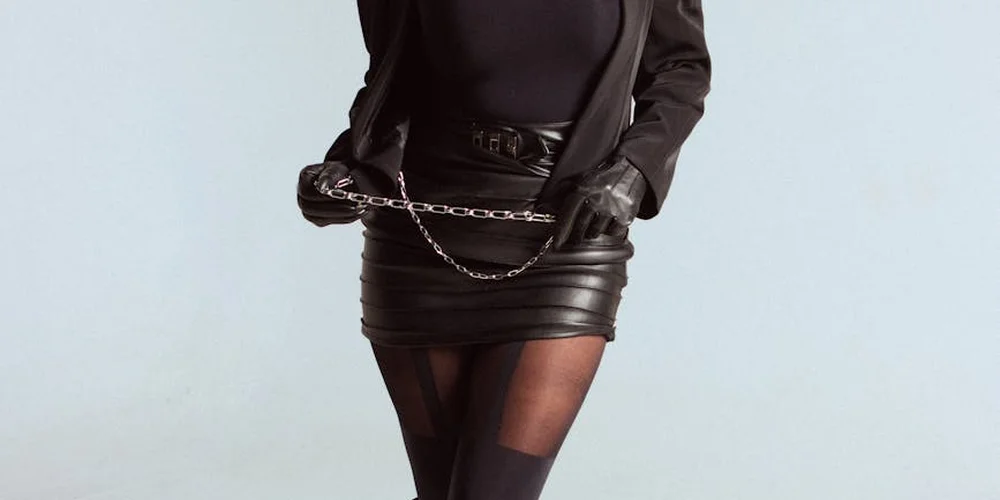
Olive oil might seem like a handy kitchen fix, but it is a poor choice for leather. I have seen the damage firsthand on pieces brought into the shop. Let me walk you through what really happens when you use it on leather.
First, olive oil can turn rancid. It is a vegetable oil that breaks down over time. When olive oil goes rancid, it creates a sour, unpleasant smell and releases acids that weaken the leather’s fibers from the inside out. This breakdown is slow but certain, leading to a brittle, cracked surface.
Second, it attracts dirt and dust. Any oil left on the surface stays sticky. A layer of olive oil acts like a glue trap, grabbing onto dust and lint to create a dirty, grimy film that is tough to clean off. Your leather will look soiled instead of cared for.
Third, it can oversaturate and weaken the leather. Leather needs to breathe. Drenching it in olive oil clogs its natural pores, much like overwatering suffocates a plant’s roots, making the material soft and less durable. The fibers lose their resilience and can tear more easily.
Finally, expect permanent darkening. Olive oil does not absorb evenly. You will likely end up with dark, uneven patches that never fade, ruining the uniform color and patina you love. It is a common mistake with a very permanent result.
Will Olive Oil Ruin Leather Shoes or Dress Shoes?
Yes, olive oil can ruin shoes, and the damage is specific. Dress shoes and boots have delicate constructions that kitchen oil attacks directly.
The oil can seep into the seams and where the sole attaches. This seepage breaks down the adhesives, potentially causing the sole to separate from the upper after a few weeks. The leather uppers themselves become a problem. Instead of staying supple, they often stiffen as the oil dries and gathers dirt, leading to premature creasing and cracks.
Think of my English saddle, Mason. He is eight years old and handles heavy use. I would never risk his deep chestnut patina and strength with olive oil. In restoration, people often compare leather conditioner vs leather oil to decide which to use. The goal is to preserve patina and flexibility without oversaturating or changing the finish. For shoes, just like for Mason, a dedicated leather conditioner preserves flexibility and prevents structural damage. If you have already used olive oil, clean the shoes thoroughly with a neutral leather cleaner and apply a proper conditioner to help stabilize the leather.
What Happens with Olive Oil on Bags, Jackets, or Sofas?
On larger items, the problems magnify. The damage moves from a small spot to a widespread issue.
For bags and purses, olive oil creates prominent stains on panels and straps. These stains attract so much grime that the bag can feel permanently greasy to the touch, and the lining may also absorb the oil and odor. Leather jackets, like my calfskin jacket June, rely on soft drape. Olive oil can stiffen the hide, making it feel boardy and restricting movement. It also traps dirt in the creases.
On a sofa or chair, the stakes are high. A sofa treated with olive oil becomes a magnet for dust, pet hair, and skin oils, leading to a darkened, patchy surface that feels sticky and is difficult to clean uniformly. The oil can also transfer to clothing. The fix for these large items is intensive, often requiring a full cleaning with a gentle, pH-balanced leather soap before any safe conditioning can begin.
Choosing a Safe and Effective Leather Conditioner
Skip the kitchen cabinet. Real leather conditioners are formulated to nourish without harm. Here is how to pick one.
Look for products with ingredients that mimic leather’s natural oils. Conditioners based on lanolin (from wool), beeswax, or neatsfoot oil (from cattle) are excellent because they moisturize, protect, and allow the leather to breathe. These ingredients have been used by tanners and craftsmen for generations.
Your choice depends on your leather’s type and finish. Use this simple guide:
- For robust, full-grain leather (like belts, saddles, or work boots), a richer conditioner with oils and waxes adds deep nourishment.
- For delicate or finished leather (like dress shoes, handbags, or car interiors), a lighter, pH-balanced cream conditioner prevents oversaturation and maintains the original finish.
Feel the leather. If it feels dry and thirsty, it needs conditioning. If it still feels supple, it might just need a light cleaning. Always test any new conditioner on a small, hidden area first to check for color change.
I advocate for products from companies that are transparent about their sourcing. Choosing a conditioner from a responsible maker supports animal welfare and ensures you are not putting harsh chemicals on your valued pieces. Good care is about respecting the material, from the animal to your hands.
How to Properly Condition Your Leather Goods
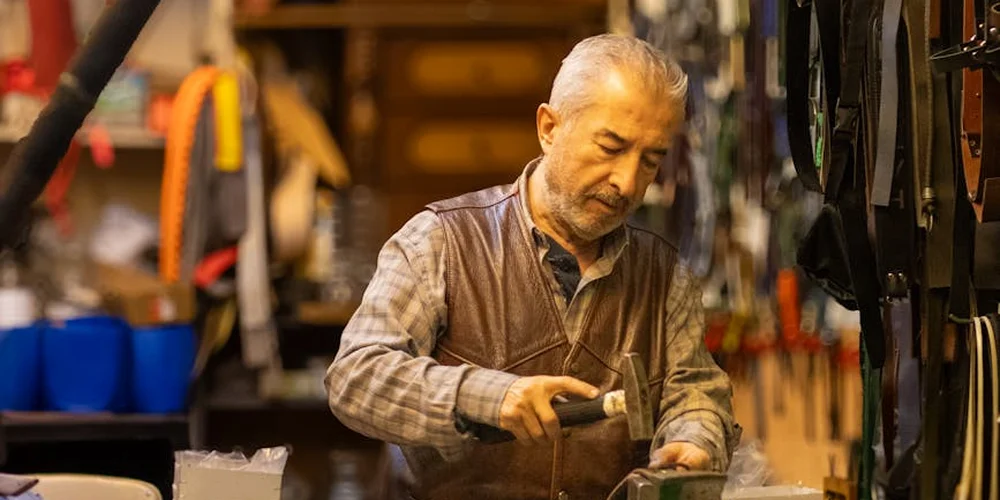
Think of leather conditioning like putting lotion on dry skin. You wouldn’t rub lotion onto dirty skin, and you shouldn’t put conditioner on dirty leather. The process is simple and works for nearly every piece you own. Knowing what to use and how to use it is crucial.
- Clean First. Use a soft brush or damp cloth to remove surface dirt. For a deeper clean, use a pH-balanced leather cleaner.
- Apply Sparingly. Put a small amount of conditioner on a soft, lint-free cloth. Rub it into the leather using small circles.
- Buff Dry. Let it soak in for 15-20 minutes. Then, use a clean, dry cloth to buff off any residue until the surface feels smooth, not tacky.
Conditioning is not a race; taking your time prevents a greasy, sticky mess that attracts more dirt. A common question is how often to do this. For items like Mason my saddle, used in all weather, I condition every three months. For a handbag used weekly, once or twice a year is plenty. Always test your conditioner on a small, hidden area first to check for color change.
Caring for Your Leather Shoes and Boots
Your boots are workhorses. They face salt, water, and constant flexing, especially in the creases. Over-conditioning here can soften the leather too much and weaken its structure.
After cleaning, apply just a few drops of conditioner to your cloth. Work it gently into the vamp (the toe and instep area) and the ankle creases. Pay close attention to the seams where the sole meets the upper, as dirt collects here and dries out the leather. Buff them well. If you see dark, wet spots after buffing, you used too much. Wipe it again with a dry cloth.
Maintaining Leather Bags, Wallets, and Purses
These items live in your hands. The oils from your skin, plus constant handling, wear down the finish in specific spots. Think of Scout, my wallet. The edges and the spot where my thumb opens it are always the first to look dry.
Focus your conditioner on these high-touch areas: handle ends, strap anchors, and corners. For lined bags or purses, be very careful to avoid getting conditioner on the fabric lining, as it can stain and create a permanent oily patch. Apply conditioner to the exterior leather only, using your finger for precise control on edges. For an item used daily, a light conditioning every six months is sufficient to keep it supple.
Looking After Leather Jackets and Furniture
Large surfaces need a methodical approach. The goal is even, thin coverage. For a sofa or chair, work on one cushion at a time. Apply conditioner in sections using wide, circular motions with your cloth, then immediately buff that section before moving on.
For a jacket like June, the areas that need the most love are the collar, cuffs, and the fold lines along the arms and back. These spots flex constantly and lose their natural oils first. Use the “sparingly” rule here, too. A heavy hand can darken the leather unevenly or make the jacket feel stiff as the conditioner sits on top. A light, even coat protects the leather without changing its character.
Other Common Household Products That Damage Leather
Olive oil isn’t the only kitchen cabinet product that can ruin good leather. Well-meaning advice often suggests other household items, but they carry similar risks, such as vinegar, alcohol, and soap.
Coconut oil is a major culprit. It feels nourishing, but like olive oil, it eventually goes rancid. This process creates acids that break down leather fibers from the inside, leading to a strange, sour smell and permanent degradation.
Baby wipes or disinfectant wipes seem like a quick cleaning fix. Their chemicals are often too harsh and will strip the protective finishes and natural oils from the leather’s surface, leaving it dry and vulnerable. It’s not recommended to use baby wipes on leather for cleaning purposes.
Petroleum jelly, like Vaseline, is a disaster. It never truly absorbs. It sits on the surface as a thick, greasy layer that clogs the leather’s pores, attracts every bit of dust and lint, and prevents the leather from breathing. These DIY solutions fail because they are not formulated to work with leather’s complex chemistry, often leading to stains, odors, and irreversible damage that a professional can’t even fix. Using products designed for leather is the only safe way to preserve your investment for years.
Quick Answers
Can I mix olive oil with vinegar or lemon juice to clean my leather?
Absolutely not. This homemade solution combines an oil that will rot with an acid that can strip the leather’s finish. For cleaning, use only a dedicated, pH-balanced leather cleaner to safely lift dirt without causing chemical damage, unlike Murphy’s Oil Soap and Vaseline.
Is olive oil safe to use on antique or very dry leather?
No, it poses the same risks of rancidity and darkening, which can permanently ruin a valuable piece. For antique leather, consult a professional conservator who can use stable, museum-approved materials to safely nourish the fibers.
What about using olive oil just to shine my leather shoes quickly?
It’s a poor substitute that creates a temporary, greasy gloss while attracting dirt. For a proper shine, use a cream polish or wax polish specifically made for footwear, which will condition and protect the leather as it shines.
Are other kitchen oils, like coconut or avocado oil, any better?
No, they share the same fundamental flaw: they are non-drying, food-based oils that will eventually go rancid. Stick to conditioners formulated with stable, penetrating oils like neatsfoot or mink oil for lasting health.
Caring for Leather the Right Way
Stick with products made for leather. A dedicated conditioner protects your item without the long-term risks of household oils like olive oil.
Good care honors the animal and the craft. Learning proper maintenance is part of owning a leather good well.
Expert Resources and Citations
- r/Leathercraft on Reddit: Is olive oil really bad for leather?
- Can I use Olive Oil on my Leather Items? | Fibrenew International
- Leather Maintenance Myths & Tips | Leather Honey Leather Care
- What is the Best Oil for Leather? Neatsfoot, Coconut, Mink | Carl Friedrik
- Oils and Leather Don’t Mix! | Fibrenew Sunflower / Kansas City
Harriet is a avid collector of leather goods such as purses, bags, seat covers, etc and has an extensive background in leather care, recovery, stain removal and restoration. She has worked for a number of years perfecting her leather care techniques and knows the ins and outs of restoring all kinds and types of leather products. With her first hand knowledge in leather care, you can not go wrong listening to her advice.
Applying Oils, Creams, and Waxes