How Long Does Mink Oil Take to Dry on Boots? Drying and Application Explained
Published on: August 8, 2026 | Last Updated: August 8, 2026
Written By: Harriet Nicholson
Hello Tannery Talk. You’ve just treated your boots with mink oil and now you’re watching the clock, worried about when they’ll be ready to wear. That feeling is completely normal.
Let’s clear up the confusion together. We will cover what affects drying time, how to apply mink oil properly, and how to test if your boots are dry.
I’ve conditioned and cared for leather for years, from daily boots to my own well-worn gear, so I can offer you reliable, hands-on guidance.
What Mink Oil Actually Does for Your Boots
Mink oil works by soaking into leather fibers. Think of dried-out leather like a sponge. The oil fills the tiny spaces between the fibers, conditioning them from the inside out. Mink oil, made from the fat of the animal, is a traditional mink fat leather conditioner. It helps replenish oils lost over time, keeping leather supple and resilient. This makes the leather more flexible and much more resistant to water.
Applying mink oil is a trade where you exchange a bit of the original color for long term protection and character. It will darken the leather, often giving it a deeper, richer shade. Over many applications, it builds a soft, waxy patina that looks lived in and cared for. If you’re considering mink oil for leather boots, you might wonder about the benefits, whether it should be applied to boots, and how it affects polishing. These questions naturally lead to practical care steps and guidance.
This makes it a fantastic choice for boots that see real use. Work boots, hiking boots, and any rugged full grain leather thrive with it. My old saddle, Mason, has a similar treatment. Its deep chestnut color comes from years of oils soaking in, creating a shield against rain and mud.
But mink oil is less ideal for delicate leathers. Avoid it on suede, nubuck, or very thin dress shoe leather. The heavy waxes can mat the nap of suede and over soften fine leathers. Learn about the best uses, benefits, and top alternatives of mink oil for leather.
When you choose a mink oil product, look for information on how the mink fat was sourced. Responsible brands are transparent about their supply chain. A quality product supports both your boots and ethical practices.
The Straight Answer: How Long Mink Oil Takes to Dry
You can expect mink oil to take anywhere from 4 hours to 24 hours to dry to the touch. For the oil to fully cure and your boots to be ready for a wet, muddy day, give them a full 24 to 48 hours.
The key is knowing the difference between “soaked in” and “fully cured.” Soaked in means the surface is no longer greasy. Fully cured means the oil has finished migrating deep into the leather fibers and has stabilized. Only then is the waterproofing at its best.
I learned this patience with Mason. If I rode him right after a heavy conditioning, the oil would rub off on my clothes and dirt would stick. Waiting a full day let the treatment set properly, making the care last longer.
So, how long should you let mink oil soak in? Let it sit on the leather for about 30 minutes after you rub it in. This gives it time to start penetrating before you buff off any excess with a clean cloth. This buffing step prevents a sticky residue. Understanding how often you should apply mink oil to leather boots is key for optimal conditioning and waterproofing. In the next step, we’ll dive into the recommended frequency to keep your boots protected.
How long do you leave mink oil on boots? Apply it, let it soak for 30 minutes, buff it, and then leave the boots alone in a warm, dry room for at least a day. Do not use heat to speed this up. Heat can damage the leather and cause the oil to dry on the surface rather than soak in deeply.
A Simple Application Process
- Clean your boots thoroughly with a damp cloth and a mild leather or saddle soap. Let them dry completely.
- Apply a thin, even layer of mink oil with your fingers or a soft cloth. Massage it into the leather, especially over seams and dry spots.
- Let the oil soak in for 30 minutes. You will see the leather darken.
- Buff the boots firmly with a clean, dry cloth to remove any oil still sitting on the surface.
- Place the boots in a well ventilated area, away from direct heat or sunlight, and let them cure for 24 to 48 hours.
A common mistake is applying too much oil too fast. If the leather feels tacky or looks splotchy after the cure time, you used too much. Wipe it down again with a dry cloth and give it more time. The leather will only absorb what it needs.
What Changes How Long Mink Oil Takes to Dry

Drying time is not a fixed number. Think of your leather like a thirsty sponge. Some sponges are thick and dense, others are thin and quick to absorb. A few key things decide how fast your leather drinks up the mink oil.
- Leather Type and Thickness: A dense, thick work boot leather has tightly packed fibers. It absorbs oil slowly and steadily over many hours. A thinner, more supple leather, like the calfskin on my jacket June, will soak it in much faster because the fibers are less compact.
- Temperature and Humidity: This is the biggest variable. Oil flows and absorbs better in warm, dry air. In cold, damp conditions, the oil thickens and the leather’s pores tighten up. Cold, damp air can easily double or triple your total drying time.
- Oil Formulation: Pure mink oil is rich and penetrates deeply. Some products blend mink oil with waxes or other conditioners. These blends can create a protective layer on top that might feel dry to the touch sooner, while the oil underneath is still working its way in.
- How Dry the Leather Was: Bone-dry, thirsty leather will absorb oil rapidly at first. Leather that’s already somewhat conditioned will take longer because it’s not as porous.
So, your heavy work boots in a humid garage might need a full 48 hours. My jacket June in a warm, dry room could be ready in 12. Patience depends on your conditions.
How to Apply Mink Oil the Right Way
Doing this right saves you time and avoids a sticky mess. Follow these steps in order.
Step 1: Clean and Dry Your Boots Thoroughly
This step cannot be skipped. Any dirt or salt on the boot will get pushed into the leather pores by the oil, acting like sandpaper from the inside over time.
Use a damp cloth to wipe off all surface mud and grime. For a deeper clean, use a small amount of saddle soap with a soft brush. Rinse the brush and wipe away all soap residue with a clean, damp cloth.
Then, let the boots dry completely, away from direct heat. This might take a few hours. Applying oil to damp leather can trap moisture and lead to mildew. The leather must feel dry and cool to the touch. Proper drying techniques are crucial for leather items, whether they are boots, jackets, or shoes.
Step 2: Apply the Oil in Thin, Even Coats
You do not need to drown the leather. A thin, even coat is the goal.
Use a clean, soft cloth or your bare fingers. Work a small amount of mink oil into the leather using circular motions. Pay extra attention to seams, welts, and any dry, scuffed areas-these spots drink up the most. Knowing which are the best products and methods for cleaning leather can guide your next steps. This choice helps protect the finish and extend the life of the leather.
How many coats should you apply? For most maintenance, one thin coat is perfect. If the leather is extremely dry and faded, you can apply a second light coat after the first one has soaked in for about an hour. Over-application is the most common mistake, and it leads to days of drying time and a greasy, sticky feel.
Step 3: Let it Soak In and Wipe the Excess
This is the “how long should I let mink oil dry” part of the active process. After applying the oil, don’t just put the boots away.
Let them sit for 30 minutes to an hour. This gives the oil time to penetrate deep into the leather fibers. You will see the leather darken as it absorbs the oil.
After this waiting period, take a fresh, dry cloth and buff the entire boot. This wipes away any oil that’s still sitting on the surface, which would otherwise stay sticky. A good buffing ensures only the absorbed oil remains, cutting down the final curing time.
Now, your boots are ready for the final, patient drying phase. Place them in a warm, dry spot with good air circulation to finish curing.
How to Know for Sure When Your Boots Are Dry
Patience is your best tool here. The clock is a guide, but your senses give the final answer.
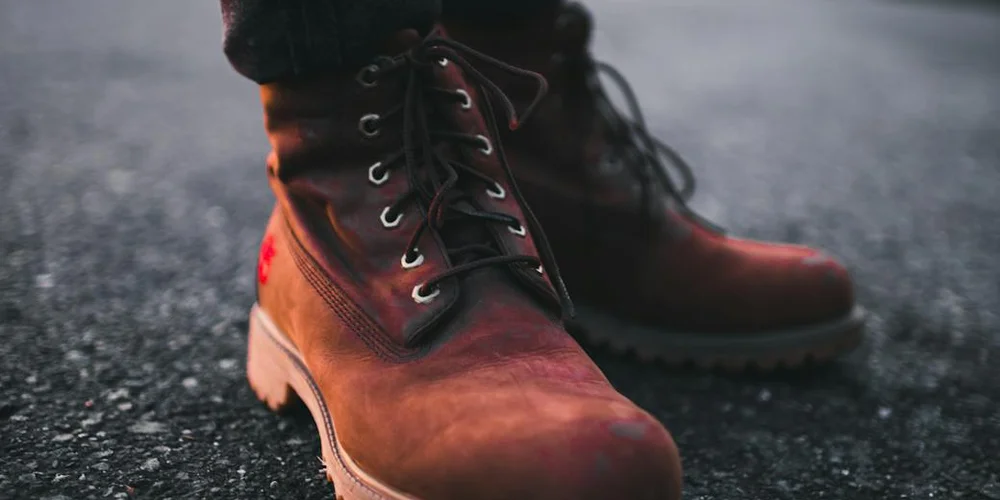
Start with the tactile test. Touch the leather in a few spots, like the toe and the instep. Properly dried leather will feel cool to the touch, slightly supple, and never tacky or greasy. If your finger leaves a mark or feels any residue, it needs more time. Think of the handfeel of my old wallet, Scout. Dry, smooth, and ready for action.
Next, check with your eyes. Hold the boot under a good light and look at the surface. You want to see a uniform, matte or soft satin finish without any shiny, wet-looking spots. Those glossy patches are pockets of oil that haven’t fully soaked in yet. A consistent look means the conditioning is even.
When in doubt, I use a simple rule I call the Scout test. Ask yourself: if this leather felt the way it does now, would I be happy putting it in my back pocket next to my wallet? If the answer is no because it feels damp or oily, then your boots aren’t ready to wear. It’s a reliable, real-world check.
Can You Make Mink Oil Dry Faster?
I understand the urge to speed things up. You want your boots back. But leather care is a slow craft. Rushing it almost always leads to problems.
You can encourage faster drying safely. After applying the oil, place your boots in a warm, dry room with good air circulation. A gentle breeze from a fan across the room can help, but don’t aim it directly at the leather. The goal is to let moisture evaporate steadily, not to force the oil deeper with heat.
This is the critical part. You must avoid direct heat. Do not use hair dryers, space heaters, radiators, or place the boots in direct sunlight. Direct heat cooks the leather, driving out its natural oils and moisture far too quickly, which causes brittleness, cracking, and irreversible damage. I’ve seen it ruin good boots. My saddle, Mason, would never forgive me.
Remember, mink oil needs to penetrate and polymerize slowly within the leather fibers to build protection. Rushing the dry time often results in uneven conditioning, leaving some areas brittle and others overly saturated. Giving the process the full time it needs is the only way to ensure deep, uniform nourishment for long-lasting durability, especially when conditioning leather jackets or other garments.
How Often to Treat Your Boots with Mink Oil

There is no universal calendar for this. The right schedule depends entirely on how your boots live their life. Think of it like hydrating your own skin. A day spent in dry, cold wind demands more care than a quiet day indoors.
The best guide is to watch your boots, not the clock, and let their condition tell you what they need.
A Practical Guide Based on Your Use
I maintain three very different leather pieces, and their needs are a perfect example.
- Daily Work or Hiking Boots (Like my saddle, Mason): These see mud, water, and constant flexing. A protective coat of mink oil every 2 to 4 months is typical. This frequent care replaces what the elements strip away.
- Regular Casual Boots (Like my jacket, June): Worn a few times a week in varied weather. Treating them once or twice a year, often at the start of winter and after spring, is usually sufficient.
- Light-Use or Dress Boots (Like my wallet, Scout): For boots that mostly avoid the rain and heavy wear, a single, light application once a year is often plenty to keep the leather supple.
How to Judge by the Leather’s Feel
Forget guessing. Use your eyes and hands. A boot that needs oil sends clear signals.
First, look. The color may appear faded or ashy, especially in high-flex areas like the toe creases. The surface loses its soft glow and looks dull.
Next, feel. Pinch a flexible part, like the side of the shaft. Dry leather feels stiff, almost cardboard-like. It doesn’t want to bend easily. Now compare that to a well-oiled spot. The difference in pliability is immediate.
If your boot looks thirsty and feels stiff to the touch, it is definitely time for conditioning. A simple test is a tiny drop of water. On well-conditioned leather, it will bead up. On very dry leather, it will soak in dark and fast. That’s your boot asking for help.
Making Your Treatment Last
This connects directly to how long mink oil lasts on your boots. A proper, patient application is what extends the time between treatments.
Rushing is the most common mistake. Applying a second layer before the first has fully absorbed, or wearing the boots while they are still damp inside, creates a surface seal that feels greasy but doesn’t penetrate deeply. The leather underneath stays dry, and the protection wears off quickly.
The key to longevity is letting each thin, even layer dry completely, which allows the oil to soak in deeply and bond with the leather fibers for durable, long-term protection.
When you take the time to do it right, you build a resilient foundation. Your boots will repel water better, resist cracking, and stay supple for many more miles before they ask for another drink. You are not just applying a product, you are maintaining a material.
Quick Answers
Should I apply mink oil to wet or dry boots?
Always apply to completely dry boots. Oil applied to damp leather traps moisture inside, which can lead to mildew and rot the fibers from within.
How many coats of mink oil should I apply?
Start with one thin, even coat. You can apply a second light coat only if the leather is extremely parched, and only after the first has soaked in for an hour.
Can I speed up the mink oil drying process?
You can encourage it with warm, dry air circulation, but never use direct heat. A hairdryer or heater will cook the leather, making it brittle and ruining the oil’s penetration.
How do I know when the mink oil is fully dry?
The leather should feel cool and supple, not tacky or greasy. Look for a uniform, matte finish with no shiny, wet-looking spots.
What’s the biggest mistake people make with mink oil?
Using too much, too fast. Over-application creates a sticky surface seal that takes days to dry and doesn’t allow for deep, lasting protection. Thin coats win.
Putting Your Best Foot Forward
The single most important step is patience. Give your boots a full 24 to 48 hours to dry completely in a warm, airy spot, resisting the urge to wear them too soon. After drying, properly clean and condition the leather to maintain its waterproof finish. This helps keep oiled boots and shoes supple and ready for wear. A thin, even coat applied to clean, dry leather always beats a thick, sloppy one.
Choosing quality products from responsible sources honors the material and the animal. View each conditioning session not as a chore, but as a small, sustaining ritual that builds your skill and extends the life of a trusted item.
Further Reading & Sources
- Mink Oil FAQ: How to Apply, Drying Time, Suede Use & Effects – BIKI
- How to Apply Mink Oil to Boots – Ultimate Guide – Stone&Clark
- Mink Oil Directions for Use
- r/RedWingShoes on Reddit: in your personal opinion what is the best technoque to apply mink oil to your boots?
- How To Use Mink Oil For Boots
Harriet is a avid collector of leather goods such as purses, bags, seat covers, etc and has an extensive background in leather care, recovery, stain removal and restoration. She has worked for a number of years perfecting her leather care techniques and knows the ins and outs of restoring all kinds and types of leather products. With her first hand knowledge in leather care, you can not go wrong listening to her advice.
Boot and Shoe Care