How Does Leather Conditioner Nourish and Protect? The Science of Collagen Fibers Explained
Published on: October 7, 2026 | Last Updated: October 7, 2026
Written By: Harriet Nicholson
Hello Tannery Talk. If your leather feels stiff or looks thirsty, you might wonder what conditioner is actually doing inside those fibers.
This article will show you the simple science behind the care, covering what leather fibers are made of, why collagen is leather’s backbone, and how quality conditioners bond with it to restore softness and strength.
I’ve learned this through years of hands-on care, keeping pieces like Mason’s saddle and June’s jacket supple by working with these very principles.
What is Leather, Really? A Look Under the Microscope
Leather is not a solid, uniform sheet. It’s a dense, three-dimensional web. Think of it like a kitchen sponge made of incredibly strong, microscopic ropes. Those ropes are collagen fibers.
When you look at a piece like my old saddle, Mason, you see a smooth surface. But if you could zoom in, you’d see a fibrous network with countless tiny gaps and channels. This structure is what gives leather its breathability and strength.
Tanning is the process that preserves and sets this fibrous network, turning perishable skin into durable leather, but the collagen itself is still the living heart of the material we care for.
This sponge-like quality is why leather absorbs. It explains why a conditioner doesn’t just sit on top-it soaks into those channels, reaching the fibers deep inside.
How This Structure Affects Your Care Routine
Because leather is a network, caring for it means treating the whole structure, not just the surface. Here’s what that looks like in practice:
- Cleaning: Dirt sits in the pores of the fiber web. Use a soft brush and a pH-neutral leather cleaner to lift grit out of those channels without harming the fibers.
- Drying: Always let leather air dry at room temperature. Forcing heat into that dense network (with a hairdryer or heater) cooks the fibers, making them brittle.
- Conditioning: Your goal is to get nourishing oils and waxes into the middle of that sponge, not just gloss the top. Apply in thin, even layers and allow time to penetrate.
The Lifeblood of Leather: Understanding Collagen
Collagen is the strong, flexible protein that makes up every fiber in that web. Imagine each collagen fiber as a tough, twisted rope. This rope is naturally coated with the animal’s own oils and waxes, which keep it supple.
Over time, through use and exposure, this natural coating depletes. The collagen rope dries out. When collagen loses its essential moisture and lubricants, it becomes brittle, like an old rubber band left in a drawer-it loses its stretch and can snap.
You’ve felt this. It’s that stiff, papery feeling in an old bag strap, or the fine cracks (called “drying cracks”) that appear on a neglected belt. My jacket, June, started to get that stiff feeling on the cuffs before I gave it a thorough conditioning.
How Conditioners Interact with Collagen
A good conditioner is designed to mimic and replenish that natural coating. It’s not magic, it’s basic maintenance. Here’s the simple science of application:
- Step 1: Check for Dryness. Press your thumb firmly into the leather. If the surface wrinkles stay for more than a second or two, the collagen fibers are thirsty and lack flexibility.
- Step 2: Choose a Nourisher. For deep dryness, use a pure oil or blend (like neatsfoot or a conditioning oil). For maintenance, a balanced cream with waxes and oils is perfect. These products are designed to bond with the collagen at a molecular level.
- Step 3: Apply and Wait. Work a small amount into the leather with your fingers in a circular motion. The warmth helps. Then, walk away. Let it sit for a full 24 hours. This gives the oils time to travel deep into the fiber network and coat each collagen strand.
- Step 4: Assess. After a day, feel the leather. It should be cooler, softer, and more pliable. If it still feels dry, you can apply a second light layer. More is not always better-you want the leather nourished, not soggy.
The right conditioner re-hydrates the collagen fibers and replenishes their protective coating, restoring flexibility and dramatically slowing down the aging process.
A common mistake is using a product that only seals the surface, like a heavy silicone spray. This can trap existing dryness inside the fiber web, causing the collagen to deteriorate unseen. Always use products that penetrate.
How Conditioners Interact with Leather on a Molecular Level

You may have heard that leather needs to be “fed.” This is a helpful image, but it’s not quite right. Leather’s structure is a dense, three-dimensional web of collagen fibers. These fibers are strong, but they are not alive. Over time, they lose their natural oils and can dry out, shrink, and rub against each other. This internal friction is what leads to cracks.
Conditioner works like a lubricant for this web. The oils and waxes in a good conditioner coat each individual collagen fiber.
This thin coating reduces friction between the fibers as they flex, which is what prevents the tiny tears that grow into large cracks.
Think of it like oil in a hinge. The metal parts are still strong, but the oil lets them move smoothly without grinding themselves apart. That’s what conditioner does inside your leather.
These products also fill the microscopic gaps that form in the fiber network as leather ages and dries. This helps maintain the leather’s overall tensile strength and flexibility. A dry fiber network is brittle; a lubricated one is supple and resilient.
So, does leather conditioner actually work? Absolutely yes. The mechanism is not magic, it’s simple physics and material science. Proper conditioning replaces lost lubricants, protects the fiber structure from wear, and dramatically extends the life of the material. My saddle, Mason, is proof. Eight years of riding would have turned a dry hide into a stiff board. Regular, mindful conditioning keeps those fibers sliding smoothly.
The Step-by-Step Guide to Conditioning with Science in Mind
Understanding the “why” makes the “how” much clearer. This process is about helping the conditioner get where it needs to go-into the fiber web-without causing any problems. You don’t need many tools.
- A clean, soft, lint-free cloth (like microfiber or an old t-shirt).
- The appropriate conditioner (a simple, pH-balanced product for most items).
- A little bit of time and patience.
Step 1: Always Clean First
This step is non-negotiable. Dirt and grime sit on the surface and in the pores. Applying conditioner on top simply seals that grit into the fiber network, where it acts like sandpaper, accelerating wear. Use a neutral leather cleaner and a soft brush to gently lift away surface soil. Let the piece dry completely.
Clean leather absorbs conditioner; dirty leather just gets a greasy topcoat that can damage it from the inside.
Step 2: Apply a Thin, Even Layer
More is not better. Your goal is to coat the fibers, not flood them. A thick, gloopy application can clog the pores and spaces between fibers. This prevents the leather from breathing and can lead to a sticky, stiff finish. Apply a small amount to your cloth and work it in with circular motions.
You should see the leather darken slightly as it absorbs the conditioner, but it should not look soaked or wet.
Step 3: Let It Absorb Fully
Walk away. Let the piece sit for at least several hours, or preferably overnight, in a cool, dry place. This is the “soaking in” phase. The oils need time to wick through the entire thickness of the fiber matrix.
Compare it to putting lotion on your skin. You rub it in, but the real benefit happens as it soaks in over the next few minutes. Rushing this step means you’ll buff off all the active ingredients before they can do their job.
Step 4: Buff Off the Excess
After the absorption period, take a fresh, clean cloth and gently buff the surface. You’re removing any conditioner that did not soak into the fiber network. This leaves the surface clean and smooth, and it ensures the leather can still breathe naturally.
This final buff is what gives a conditioned piece its perfect finish-supple to the touch but never tacky or oily.
My jacket, June, is a perfect example of this gradual approach. I never slather her in product. A light, annual conditioning, applied clean and buffed well, has kept her calfskin soft and her color rich for years, without any wax buildup or stiffness. Her strength comes from consistent, careful care, not from one heavy treatment.
Choosing Your Conditioner: Oils, Creams, and Waxes Explained
Not all conditioners work the same. They fall into two main groups: ones that go deep to feed thirsty fibers, and ones that sit on top to guard against the elements. Picking the right one keeps your leather healthy for its specific job. Choosing between mink oil, beeswax, and synthetic conditioners can make all the difference to leather longevity.
Penetrating Oils and Balms
Think of these like a tall drink of water for dry, thirsty leather. They are thin liquids or thick pastes designed to soak into the fiber network. Their job is to replenish the natural oils that evaporate over time.
Use a penetrating conditioner when the leather feels stiff, dry, or looks faded, as these are signs the collagen fibers are thirsty.
My wallet, Scout, gets a dab of oil every six months. It lives in my pocket, absorbing body heat and losing moisture. A light, penetrating oil keeps its veg-tan fibers supple without making it greasy.
Protective Creams and Waxes
These products are like a raincoat. They contain more waxes and create a barrier on the leather’s surface. This layer shields against rain, dirt, and daily scuffs. Unlike waterproofing treatments that are designed to penetrate, these waxes sit on top.
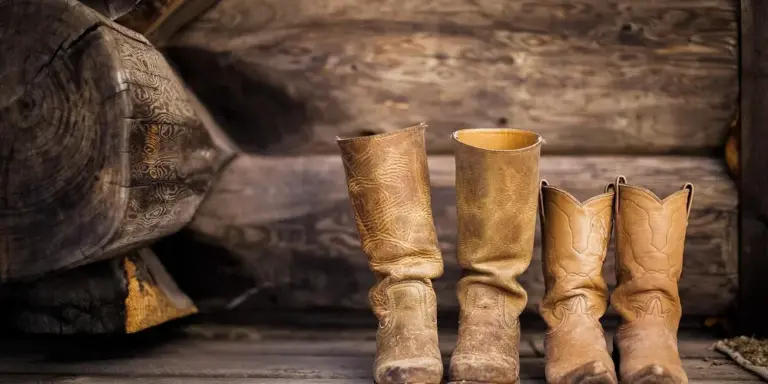
Choose a cream or wax for items that face the weather, like boots, saddles, or outdoor bags, where keeping water out is the priority.
For Mason, my English saddle, I use a heavy wax-based conditioner before the rainy season. It protects the dense fibers from moisture while allowing the leather to breathe. It adds a layer of defense, not deep moisture.
Matching Product to Purpose
- Scout the Wallet (Daily Carry): A light, fast-absorbing neatsfoot or mink oil. Prevents cracking from constant flexing.
- June the Jacket (Frequent Wear): A balanced leather cream with lanolin. It moisturizes the soft calfskin and adds a slight protective sheen without stiffening.
- Mason the Saddle (Heavy Outdoor Use): A tough, wax-heavy conditioner (often with beeswax). Prioritizes water resistance and abrasion protection.
Understanding Conditioner Ingredients
Are all leather conditioners made of the same material? No. But most contain a mix from these categories:
- Natural Oils (Neatsfoot, Mink, Coconut): These mimic the skin’s natural oils. They penetrate well to soften and nourish from within.
- Animal Fats (Lanolin from wool, Beeswax): Excellent for water resistance and adding a soft, pliable feel. Beeswax is a key component in hard-wearing protectants.
- Emulsifiers and Preservatives: These help blend ingredients (like oil and water) and keep the product stable on your shelf. They are necessary in cream-based products.
Look for simple ingredient lists with oils or waxes you recognize. A good rule is the more a product promises (shine, waterproofing, cleaner), the more complex and potentially coating the formula may be.
Common Conditioning Mistakes and How to Avoid Them
A little knowledge prevents a lot of damage. Here are the slips I see most often, and how you can steer clear.
Mistake 1: Over-Conditioning
Can you use too much leather conditioner? Absolutely. More is not better. Leather fibers are like a sponge; they can only hold so much. Key ingredients matter—different leather types respond to different formulations. In the next step, we’ll explore which ingredients are best for each leather type.
Over-saturating the collagen matrix weakens the bonds between fibers, making leather overly soft, prone to stretching, and slow to dry, which can lead to mildew.
The leather should absorb the conditioner in a few minutes. If it’s still wet and slick after 15, you’ve used too much. Wipe the excess away with a clean cloth. A thin, even application twice a year is often better than a heavy soak once a year.
Mistake 2: Using a Coating Product
Silicone sprays and some heavy “conditioners” don’t feed leather. They coat it in a plastic-like layer. This seals the surface, trapping dirt and preventing the leather from breathing. So which do you really need: a leather conditioner or a waterproofing spray? We’ll compare them in the next steps.
Over time, these coatings can crack, peel, and actually draw oils out of the leather, leaving it brittle underneath. You might notice a sticky or plastic-like feel.
Stick to products that absorb into the leather, leaving it feeling nourished, not sealed under a separate film.
Mistake 3: Skipping the Spot Test
Always test first. Color transfer or an unwanted darkening can happen. Pick a hidden spot-like the back of a belt loop or an inside seam.
- Clean a small area.
- Apply a dime-sized amount of conditioner.
- Let it dry fully (overnight is best).
- Check for color change and feel. If you’re happy, proceed with the whole item.
The Cost of Not Conditioning
What happens if you don’t condition leather? The collagen fibers become dry and brittle. They lose their flexibility.
Think of a dried-out leaf. It’s fragile and cracks easily. The same happens to leather. It will start with small, white creases (not to be confused with a healthy patina). These will turn into deep, irreversible cracks. The color will fade and look dusty. Regular conditioning replaces lost oils, keeping the fiber network supple and resilient, which is the true foundation of leather’s longevity. Addressing peeling and cracking early prevents further damage and helps maintain the leather’s durability. It supports long-term resilience by preserving the surface and resisting future wear.
Bringing It All Home: Caring for Your Specific Leather Goods

Whether it’s a jacket, a boot, or a sofa, the goal is the same: keep the collagen network healthy. The science doesn’t change, but your approach should. Think of it like skincare. Your face and your hands need the same basics, but you apply moisturizer more often to your hands because they face more wear.
Your leather care routine is just a matter of adjusting the frequency and choosing the right product weight for the job.
Leather Jackets & Lightweight Garments
My jacket, June, is a perfect example. Soft calfskin needs to stay flexible and resist light rain. Heavy oils would clog her pores and make her stiff.
- Clean only when soiled. Use a damp cloth or a very mild, pH-balanced leather cleaner for spots.
- Condition 1-2 times per year, or whenever the leather feels dry or stiff. Use a light, non-greasy cream or liquid conditioner.
- Buff gently with a soft cloth to restore a subtle shine.
A common mistake is over-conditioning, which can lead to a sticky surface. If this happens, simply wipe the excess away with a dry cloth and let it air out. Less is more here.
Bags, Briefcases, and Daily Companions
These items get constant handling, which transfers oils from your skin, but also dirt. They need gentle but consistent cleaning to prevent grime from grinding into the fibers.
- Every month, wipe down with a dry, soft brush to remove dust.
- Every 3-4 months, use a neutral leather cleaner on a cloth to remove deeper dirt and oils.
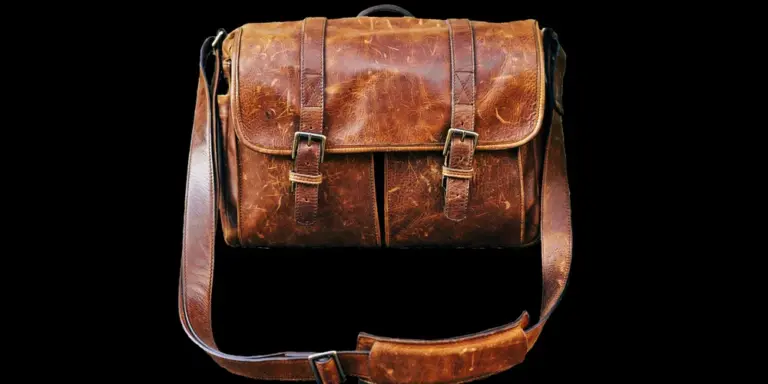
- Condition every 4-6 months with a medium-weight balm or conditioner to replenish what daily use depletes.
- Pay extra attention to handles and straps, as friction wears down the protective top coat fastest.
Boots & Footwear
Boots face the harshest conditions: water, salt, mud, and constant flexing. They need the most robust care to protect their collagen structure from moisture damage and cracking.
For a pair of work or casual boots, follow this sequence after they get dirty or wet:
- Let them dry completely at room temperature, away from direct heat.
- Brush off all dried mud and dirt.
- Clean with a saddle soap or dedicated leather soap, which cleans and adds a little moisture.
- Apply a generous amount of a dedicated leather conditioner or oil. For tough environments, a wax-based product adds a water-resistant barrier.
- Let them absorb the conditioner for at least an hour, then buff.
Conditioning your boots every 1-3 months is not excessive; it’s preventative medicine for the leather. It’s essential to know the right frequency and application techniques to keep them in optimal condition.
Furniture & Upholstery
Leather furniture suffers from sunlight, dry air, and body oils. It needs protection and even hydration over heavy conditioning. Regular upkeep—cleaning, conditioning, and protection—helps properly maintain leather couches and sofas and extend their lifespan. A simple, consistent care routine can keep them looking and feeling new for years.
- Dust weekly with a dry cloth.
- Clean with a dedicated leather upholstery cleaner every 4-6 months to remove oils and maintain the finish’s pH balance.
- Use a light conditioner specifically made for aniline or protected leathers once a year to prevent the collagen from drying out and cracking.
- Keep it out of direct sunlight to prevent the collagen fibers from becoming brittle and fading.
Seeing your leather as a network of collagen fibers takes the mystery out of care. You’re not just rubbing in a cream; you’re replenishing essential moisture and oils at the fiber level. This knowledge turns a confusing chore into a simple, satisfying act of preservation. Your Mason, your June, your Scout-they all benefit from the same core principle.
Common Questions
How often should I condition my leather?
Frequency depends on use and exposure. Condition heavy-use items like boots every season, and stable items like a sofa once a year.
What’s the real difference between a leather conditioner and a protectant?
Conditioners penetrate to nourish and lubricate the collagen fibers. Protectants, often wax-based, sit on top as a barrier against water and scuffs.
Can you condition leather too often?
Yes. Over-conditioning can oversaturate the fiber network, weakening it and potentially causing mildew. Let the leather’s dryness, not the calendar, be your main guide.
Does all leather need the same type of conditioner?
No. Match the product to the leather’s purpose. Use light creams for garments and heavy balms or oils for work boots and saddles.
Caring for Your Leather with Knowledge
Remember, the best leather care starts with understanding how conditioners gently oil and support the collagen network inside. You’ll also want to know when to use conditioner versus leather oil. That distinction guides care decisions across different leathers and finishes. Trust the feel of the leather over any schedule, and let pieces like my saddle Mason guide you with their honest wear.
Choose conditioners from brands committed to ethical sourcing and sustainable practices, honoring the material’s origin. Every time you care for a piece, you’re building a skill that extends its life and deepens your connection to the craft.
Sources and Additional Information
- Understanding How Leather Conditioning Works
- Effect of collagen packing and moisture content on leather stiffness – ScienceDirect
- Changes to Collagen Structure During Leather Processing | Request PDF
- Changes to Collagen Structure during Leather Processing | Journal of Agricultural and Food Chemistry
Harriet is a avid collector of leather goods such as purses, bags, seat covers, etc and has an extensive background in leather care, recovery, stain removal and restoration. She has worked for a number of years perfecting her leather care techniques and knows the ins and outs of restoring all kinds and types of leather products. With her first hand knowledge in leather care, you can not go wrong listening to her advice.
Aniline and Semi-Aniline Leather Care