How Does Mold Grow on Leather? Prevention and Treatment Strategies
Published on: October 21, 2026 | Last Updated: October 21, 2026
Written By: Harriet Nicholson
Hello Tannery Talk, spotting that first patch of mold on a leather good can make your heart sink. I’m here to help you understand why it happens and what to do.
In this article, we will cover how mold biology works on leather, practical steps to prevent it, and safe methods to treat an affected piece.
My advice comes from hands-on experience rescuing leather from mold, including on well-loved items like my saddle Mason and jacket June.
What Is Mold, and Why Does It Love Leather?
Leather is skin. It’s an organic material, which means it’s made of proteins and fats that living things can break down for food. Think of it like a slice of bread.
Mold spores are everywhere, floating in the air. To grow, they need just three things: food, moisture, and warmth. Leather provides a rich meal of collagen and natural oils. Add a little humidity and a dark, still space like a closet or a basement, and you’ve made a perfect home for mold.
Leather in a damp, enclosed space is like that slice of bread left in a plastic bag; it’s only a matter of time before you see fuzz. The science is simple. High humidity lets moisture soak into the leather’s fibers. Without airflow to dry it out, that dampness gets trapped. This creates a tiny, warm, wet ecosystem that mold spores land on and start to colonize.
How Do You Spot the First Signs of Mold?
Catching mold early makes all the difference. Your first clues are usually visual. Look for unusual spots or patches.
- Powdery or dusty-looking circles, often white or grey.
- Fuzzy raised patches that can be green, black, blue, or even pink.
- Discoloration or dulling of the leather’s finish in a splotchy pattern.
Your nose is a powerful tool. A healthy leather piece has a distinct, pleasant smell-oak bark, wax, oil. Mold introduces a different scent. A persistent, musty, earthy odor that doesn’t fade when you move the item to a fresh room is a major red flag.
Trust your hands, too. Run your fingers lightly over the surface. Does it feel unexpectedly powdery? Is there a new, slight sliminess in an area that used to be dry? These tactile clues often confirm what your eyes suspect.
I remember the first time I found spots on an old travel bag pulled from under a bed. It was a client’s heirloom, stored in a basement for a season. The spots weren’t fuzzy yet, just a chalky white film. That dusty feel was the giveaway. We caught it in the early, surface stage, which meant a simple, careful cleaning was all it needed to be saved. It taught me to always trust that first strange texture.
A Step-by-Step Guide to Treating Moldy Leather
Before you touch the leather, get your workspace ready. This is the most important step. Mold spores are airborne and you do not want to breathe them in or spread them through your home. Take the item outside. If you must work inside, open every window and use a fan to blow air out. Wear a mask and gloves, especially when learning how to remove mold from leather furniture and couches.
Now, let’s save your leather.
Step 1: The Dry Brush-Off
Do not use any liquid yet. Start with a soft-bristled brush, like a clean shoe brush or a dry paintbrush. Gently brush the entire surface of the leather to knock loose the dry, powdery mold spores. Brush in one direction, over a trash can or onto newspaper you can roll up and discard. This simple step removes a huge amount of the problem before it can get wet and smear. However, brushing alone isn’t enough; you need to properly treat the leather to remove and prevent mold.
Brushing dry first makes the deep cleaning easier and stops you from grinding mold deeper into the leather’s pores.
Step 2: Gentle Cleaning with the Right Solution
First, always test your chosen cleaner on a hidden spot, like an inside seam or the back of a strap. Apply a small dab, wait 15 minutes, and check for discoloration or texture change.
For cleaning, you have a couple of safe options. A 50/50 mix of distilled white vinegar and cool water is a gentle, effective choice for many leathers. The mild acidity helps kill mold. For a treasured piece like my jacket June, I prefer a pH-balanced leather cleaner. It’s formulated to clean without stripping oils, especially when you’re trying to remove mildew from leather.
- Dampen a soft, white cloth (an old t-shirt works) with your chosen solution. Wring it out until it’s just damp, not dripping.
- Wipe the leather in small, gentle circles. Do not soak it. You’re lifting grime, not bathing it.
- Use a second cloth dampened with clean water to wipe away any cleaner residue.
Step 3: The Crucial Drying Phase
Patience here makes the difference between success and ruined leather. Never, ever use direct heat from a hairdryer, radiator, or sunbeam. Heat will bake the moisture into the leather, causing it to become stiff and brittle, which can lead to damage and discoloration.
Wipe the piece gently with a dry, absorbent towel. Then, let it air dry naturally in your well-ventilated space. Prop open bags, stuff boots with crumpled paper to hold shape, and hang jackets loosely. This can take 24 to 48 hours. The leather must feel completely cool and dry to the touch before you move on.
Forcing dry leather with heat is a guaranteed way to crack it, as the outer layer shrinks faster than the inner core. The physics of moisture movement explains why slow, even drying minimizes internal stresses. Gradual drying lets the outer and inner layers shrink more in sync, preventing cracks.
Step 4: Restoring Lost Moisture
After the mold attack and cleaning, your leather is thirsty. Conditioning is mandatory. Once the piece is fully dry, apply a thin, even layer of a quality leather conditioner or balm with a clean cloth. For a workhorse like Mason the saddle, I use a richer oil-based conditioner. For a soft calfskin jacket, a lighter cream.
Massage it in gently, let it absorb for an hour, then buff off any excess with a dry cloth. The leather should look nourished, not greasy. If it still feels dry after 24 hours, a second light application is okay.
What Cleaning Products Work (and Which to Avoid)?
It’s tempting to grab whatever is under the sink. Resist that urge. Leather is skin, and it needs care tailored to its biology.
Home Remedies: Pros and Cons
Household items can work in a pinch, but know their limits.
- White Vinegar (Diluted): The mild acidity can kill surface mold and is generally safe on most finished leathers. The smell fades as it dries. I don’t use it on very dry, unfinished, or antique leathers as it can be slightly drying.
- Rubbing Alcohol (70% Isopropyl): It evaporates quickly and kills germs, which is good. But it is also a powerful degreaser. Alcohol will aggressively strip the natural oils from leather, leaving it parched and prone to cracking. I avoid it for general cleaning.
Choosing a Commercial Leather Cleaner
Look for a cleaner labeled specifically for leather. The best ones are pH-balanced to match leather’s natural slight acidity. They clean effectively without harming the tannins and oils that give leather its strength and flexibility. A neutral leather cleaner is a versatile, safe bet for almost any project.
Products to Absolutely Avoid
These common cleaners will damage your leather every time.
- Bleach: It will burn and discolor the leather, breaking down its fibers.
- Ammonia: Far too harsh and alkaline, it dries and degrades the material.
- All-Purpose Household Cleaners or Soaps: These are designed for hard surfaces and often contain salts and degreasers that remain in the leather, attracting more moisture and dirt over time.
Think of it this way: you wouldn’t wash your own skin with bathroom cleaner. Your leather deserves the same consideration.
A Quick Guide to Mold Fighters
| Product Type | Best For | Key Consideration |
|---|---|---|
| Diluted White Vinegar | Light surface mold on common finished leathers. | Test first. Can be drying, so condition well after. |
| pH-Balanced Leather Cleaner | Reliable, safe cleaning for all but the most delicate leathers. | The go-to choice for balanced cleaning without guesswork. |
| Leather-Safe Disinfectant Spray | Use after cleaning to kill lingering spores on the surface. | Must be formulated for leather; never a substitute for cleaning. |
| Leather Conditioner/Balm | Final, essential step to restore pliability and protection. | Conditioning is non-negotiable after any mold treatment. |
One Common Misunderstanding
People often ask, “Can I just use a leather mold prevention spray on this?” The answer is no. Those sprays are designed as a protective barrier on clean, dry leather to *prevent* future growth. Applying a prevention spray over active mold simply traps the mold against the leather, allowing it to continue eating away unseen. You must clean, dry, and condition first. Prevention is the next step, for another day.
How Can You Store Leather to Keep Mold Away for Good?
Think of mold as a guest that only shows up when the conditions are perfect for it. Your job is to make your storage space the most unwelcome place imaginable. Mold needs moisture, warmth, and stagnant air to grow. Deny it those things, and you win.
The perfect storage spot is consistently cool, dry, and has gentle air circulation. A closet in a lived-in, climate-controlled room is often ideal. The air from simply opening the door now and then is usually enough.
Places Your Leather Should Never Live
Some spots are practically mold incubators. Avoid storing your leather goods in these places:
- Basements and Attics: These spaces have wild swings in temperature and humidity. They trap damp, stale air, which is exactly what mold spores love.
- Plastic Bags or Bins: Sealing leather in plastic traps any existing moisture against the hide. It creates a tiny, humid ecosystem where mold can thrive unseen.
- Airtight Containers: Like plastic, these prevent the leather from breathing. Any residual dampness from cleaning or the air gets locked in.
Preparing Your Leather for a Long Rest
Before you tuck a piece away for the season, it needs a little prep. This routine is the difference between finding a healthy item and a moldy one later.
Let’s use our friends as examples. For Mason, the English saddle, I follow a specific ritual:
- Give it a thorough wipe-down with a barely-damp cloth to remove sweat and dirt.
- Let it air dry completely in a room, never in direct sun or with heat.
- Apply a generous coat of a neutral leather conditioner, working it into all the stitching and under the flaps.
- After 24 hours, I buff off any excess with a clean, dry cloth.
- I store it on a saddle stand in a closet, with a breathable cotton cover draped over it-never wrapped tightly.
For June, the leather jacket, the process is similar but gentler:
- Spot clean any marks with a leather cleaner for garments.
- Let it dry fully, then use a light, pH-balanced conditioner to keep the calfskin supple.
- Hang it on a wide, padded hanger to keep its shape.
- Place it in a breathable garment bag, leaving the bag unzipped a few inches at the bottom for air flow.
Your Storage Allies: Silica Gel and Cotton
Two simple tools make a huge difference. Silica gel packets are not just for new shoes. Tuck a few into the pockets of a jacket or the boot of a saddle. They passively absorb moisture from the immediate air, acting as a tiny dehumidifier for your stored item. Just remember to recharge or replace them according to the package instructions.
Skip the plastic. Use a breathable cotton storage bag or an old pillowcase instead. Cotton allows moisture to wick away from the leather while protecting it from dust. It’s the gentle, breathing barrier your gear needs.
Are Some Leathers More at Risk Than Others?

Absolutely. Just like some fabrics stain easier, some leathers are more inviting to mold. It all comes down to the surface and how “open” the leather is.
Think of unfinished leathers, like the vegetable-tanned leather on Scout the wallet. This leather has a porous, thirsty surface with minimal topcoat. It absorbs oils, water, and humidity deeply. That same openness makes it a prime target for mold if stored damp. Its natural, organic qualities are both its beauty and its vulnerability.
Heavily finished leathers, like those with a glossy patent or plastic-feeling topcoat, have a much more sealed surface. This coating acts as a barrier, making it harder for moisture to penetrate deeply and for mold to take root in the leather itself. The risk isn’t zero-mold can grow on the surface coating-but it’s generally lower.
The Special Case of Suede and Nubuck
Suede and nubuck are the most delicate. Their fuzzy, raised nap creates a massive surface area, like a velvety sponge. This texture traps moisture and organic particles (like skin cells or salt) incredibly well. Because you cannot aggressively clean or saturate them with conditioner without ruining the nap, preventing mold through perfect storage is your only real strategy. Always store them impeccably clean, perfectly dry, and with extra silica gel packs.
When Past Damage Invites Future Trouble
Leather that’s already stressed is more susceptible. Deep scratches, untreated water spots, or areas stiff from neglect have compromised the hide’s natural structure. These spots can hold moisture differently or have a rough texture that spores cling to, creating a perfect foothold for a mold colony to start. A consistent care routine that keeps the entire piece nourished and supple is your best defense, making the surface uniformly inhospitable to invaders.
When Should You Call a Professional?
Sometimes, the best tool for the job is a professional’s phone number. Knowing when to step back protects both your leather and your health.
Scenarios That Need Expert Hands
I consider calling a specialist in three main situations. The first is extensive growth. If the mold covers more than half the item, or is thick and fuzzy, home treatment risks driving it deeper into the leather. Even when trying to remove mold from leather shoes or boots, it’s crucial to tread carefully.
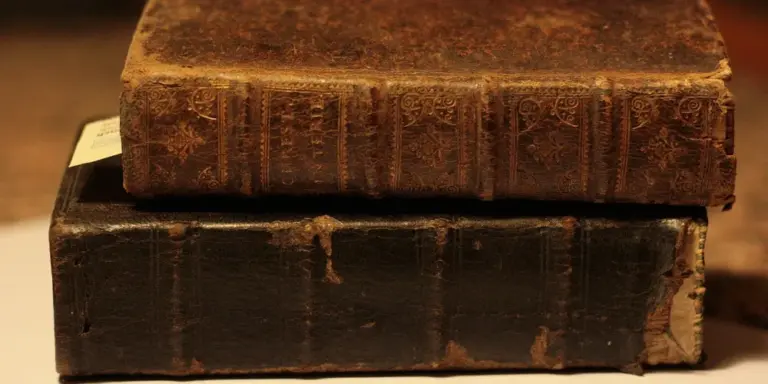
Precious heirlooms or high-value pieces always deserve a professional consultation first. A family bible with a moldy cover or a vintage designer bag requires methods that preserve history, not just clean surfaces.
The final sign is a persistent, musty odor that lingers after a careful cleaning. This often means mold has rooted in the lining or inner layers, which is incredibly difficult to address without specialized tools.
Signs of a Knowledgeable Leather Conservator
A true professional won’t just grab a bottle of cleaner. They will start by asking you questions. They should want to know the leather’s history, its age, and what you’ve already tried. This shows they’re diagnosing, not just reacting.
They will discuss the cause, not just the symptom. A good pro will talk to you about improving storage ventilation or humidity control to prevent the mold from coming back. If they don’t, the problem likely will.
Be wary of anyone who guarantees they can remove all staining. An honest conservator will explain that mold can leave permanent shadows or texture changes, especially on lighter leathers, and their goal is to stop the growth and stabilize the material. They manage expectations, which builds trust.
Health Comes First: Handling Dangerous Mold
This is non-negotiable. If you see widespread mold growth, or suspect the presence of toxic black mold (often a darker greenish-black or slimy texture), do not attempt cleaning yourself.
For your safety, large-scale infestations should always be handled by specialists in mold remediation who have the proper protective gear and containment equipment. They can assess the health risk and safely clean the environment. Your leather item may need to go to a conservator after the area is safe. It’s a two-step process, and your well-being is the critical first step.
Common Questions
Is preventing mold a daily concern, or just for seasonal storage?
It’s a daily mindset, especially regarding humidity. Wipe down leather with a dry cloth after use in damp weather and never put it away while damp. For long-term storage, the full cleaning and conditioning ritual is non-negotiable.
I see a lot of “leather mold prevention spray” online. Do I need one?
They can be a useful final step on a clean, conditioned piece going into storage, creating a protective barrier. They are never a treatment for active mold or a substitute for proper cleaning and conditioning first.
What’s the single most important factor in preventing mold?
Controlling moisture. Keep your leather in a space with stable, low humidity. Use silica gel packets in storage and ensure there’s always some air circulation—a stuffy closet is an invitation to problems in high humidity.
On forums like Reddit, people recommend everything from vinegar to vodka. What’s your take?
Stick to the basics: a pH-balanced leather cleaner is your safest, most reliable bet. Home remedies are a gamble; what works on one type of finish can irreversibly damage another. Always test first.
If my home is generally humid, is my leather doomed?
Not doomed, but it requires more vigilance. A room dehumidifier is your best investment. For prized items, consider a climate-controlled storage cabinet instead of a standard closet.
Final Thoughts on Mold and Leather Care
Stopping mold comes down to managing moisture and airflow before problems start. When you catch it early, a careful clean with white vinegar or saddle soap can often restore your leather fully.
Good leather care respects the material by using products from responsible makers and keeping goods in service for decades. I find that regular practice, whether on June my jacket or a new belt, builds the confidence to handle any issue that comes your way.
Related Guides and Information
- Why does leather grow mold and how to fix it? – High On Leather
- r/Leathercraft on Reddit: Moldy Leather
- What Causes Mold on Leather: Expert Tips You Need! – Andar
Harriet is a avid collector of leather goods such as purses, bags, seat covers, etc and has an extensive background in leather care, recovery, stain removal and restoration. She has worked for a number of years perfecting her leather care techniques and knows the ins and outs of restoring all kinds and types of leather products. With her first hand knowledge in leather care, you can not go wrong listening to her advice.
Treating Mold and Mildew