How Often Should You Apply Mink Oil to Leather Boots?
Published on: June 15, 2026 | Last Updated: June 15, 2026
Written By: Harriet Nicholson
Hello from Tannery Talk. You love your leather boots, but figuring out how often to use mink oil can be confusing. Too much, and they get greasy; too little, and they dry out.
We will cover the clear signs your boots need oil, the key factors that change how often you should apply it, and the right way to oil for lasting protection.
I have conditioned countless boots in my workshop, learning exactly what keeps leather supple and strong.
How Mink Oil Works on Your Boots
Think of conditioning and waterproofing as two jobs for one product. Conditioning is like putting lotion on your skin. It feeds the leather from within. Waterproofing is more like a durable raincoat. It creates a protective layer on the surface. Mink oil does both, but they work a little differently.
Leather is a network of fibers, like a sponge. Over time, the natural oils that keep it supple dry up. The fibers get brittle and can crack. Mink oil soaks in to replenish those lost oils. It makes the fibers flexible again. Are you wondering about the benefits of mink oil on leather boots, whether you should apply it, and how it interacts with polish? This deep conditioning keeps boots supple and is what keeps your boots from drying out and breaking down over years of wear.
For waterproofing, the oil also fills the tiny pores in the leather’s surface. This blocks water from soaking in easily. It won’t make your boots submersible, but it causes water to bead up and roll off. This protection fades as the oil wears away or is absorbed.
A quick note on color: mink oil will darken leather. This is completely normal. Think of it like the leather drinking the oil and becoming richer. On some finished leathers, the darkening might be less noticeable. Always test a small spot first, like inside the tongue.
As a craftsperson who values materials, I choose mink oil from suppliers who are transparent about their sourcing. Responsible leather care means considering the welfare of all animals involved. Look for products that specify ethical sourcing.
Finding Your Boots’ Conditioning Rhythm
You will read a lot of rules. “Condition every three months!” is a common one. I can tell you from caring for pieces like my old saddle, Mason, that this is rarely perfect. A boot worn daily on a construction site has different needs than one worn to the office. The right schedule is not about the calendar, it’s about how your boots live.
Forget a strict timetable. Instead, answer this question: how often do you wear your boots and what do you put them through? Your routine comes from there.
| Use Level | Example | Mink Oil Frequency |
| Heavy Daily Use | Work boots, hiking boots in all weather | 4 to 6 times a year (Seasonally, or every 2-3 months) |
| Frequent Moderate Use | Everyday wear boots, like my jacket June gets | 2 to 3 times a year |
| Occasional Use | Weekend or seasonal boots | Once or twice a year |
| Very Rare Use | Fine dress or fashion boots | Possibly never, or only if they look/feel dry |
This table directly answers the common question, “How many times a year should you condition leather boots with mink oil?” The range is wide because your specific boots matter most.
Watch for the signs your boots are thirsty. Does the leather look pale or chalky? Does it feel stiff, not supple? Does water stop beading and start soaking in immediately? These are your cues to condition, regardless of the last time you did it.
Waterproofing needs a slightly different eye. The outer protective layer wears off faster than the deep conditioning breaks down. If you’re in a wet season and notice water soaking in more quickly, a very light application of mink oil can refresh the water resistance without a full conditioning session. For heavy-use boots, I often renew the waterproofing a little more frequently than the deep conditioning.
The best approach is simple. Pay attention to your boots. They will tell you what they need. Start with the guide above, then adjust based on what you see and feel. This mindful care is what builds trust with a great pair of boots.
The Right Way to Apply Mink Oil

Think of applying mink oil like preparing a good meal. The steps matter, and skipping one can ruin the whole dish. This process is not a suggestion. It is the only way to get the deep conditioning and waterproofing you want.
Your Step by Step Guide
-
Clean the boots thoroughly. Use a damp cloth with a bit of saddle soap or a dedicated leather cleaner. You must remove all dirt, salt, and grime. Oiling over dirt is like rubbing a fine sandpaper into your leather. You grind the grit deep into the pores, causing unseen wear that weakens the fibers over time.
-
Let them dry completely. Pat them with a towel and let them air dry at room temperature, away from radiators or direct sun. Heat can bake the leather and make it brittle. Your boots should feel cool and dry to the touch, with no damp spots. It’s a common misconception that leather should never get wet, but proper drying techniques can preserve their quality.
-
Apply a thin, even coat. Use a clean, soft cloth or your fingers. Warm the oil between your palms first. Massage it into the leather using small circles, covering every inch. You only need one coat for most conditioning jobs. If the leather is severely dry, like an old work boot left in a shed, you can apply a second very thin coat after the first one soaks in for an hour. More than that is almost always too much.
-
Let it soak in overnight. Place the boots in a warm, dry spot in your home. Give the oil at least 8 to 12 hours to travel deep into the leather’s fibers. This patience is what creates lasting protection from the inside out.
-
Buff off any excess. The next day, take a dry, clean cloth and briskly buff the entire boot. A little residue is normal, but you should not see a greasy shine. The leather will feel richer and slightly darker.
More oil is not better. An over-oiled boot feels heavy, sticky, and attracts dirt like a magnet. The leather’s pores get clogged, it cannot breathe, and it becomes more prone to mold or rot. If you ever apply too much, simply buff aggressively with a dry cloth and let the boots air out for a few extra days before wearing them.
Your Boots Are Telling You When They’re Thirsty
Forget the calendar. I never look at a date to decide when to condition my leather. I check its condition. Your boots will give you clear signals. Learning to read them puts you in control.
I do the same check on my own pieces. Before a long ride, I run my hand over Mason the saddle. I flex the elbow on June my jacket. I am looking for the same signs you should watch for in your boots.
Signs Your Boots Need Conditioning
- The color looks faded, dusty, or has a pale, chalky film on the surface.
- The leather feels stiff, papery, or rough, not soft and pliable.
- When you flex it, it loses that quiet, supple creak and feels resistant.
- Small wrinkles or creases look overly dry and white, instead of blending smoothly.
Signs the Waterproofing is Fading
- Water stops beading up and rolling off the surface.
- Instead, droplets soak in almost immediately, leaving dark, saturated spots.
- The boot feels damp on your foot much faster in wet conditions.
What are the signs that leather boots need another application of mink oil? Look for a chalky look, stiff feel, and water that soaks in instead of beading. These are your boots asking for help. When you see them, go back to that step by step process. Clean first, then feed them a thin, even coat. They will thank you with years of reliable service.
How Your Climate and Habits Change the Game
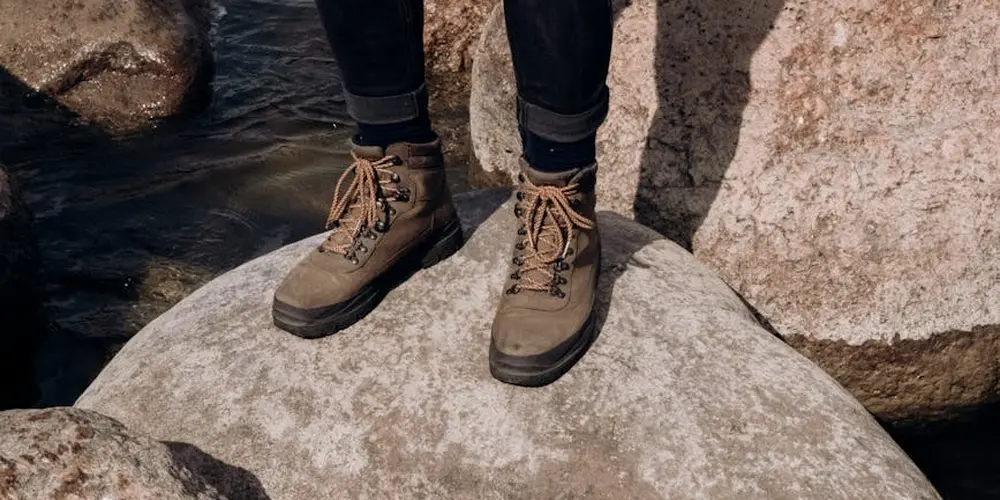
Is there a difference in how often you use mink oil based on your boots’ use or your local weather? Absolutely. Think of it like skincare for your boots. The same boots worn in the Arizona sun will have different needs than a pair trudging through Boston winters. A quick guide to mink oil application for different leather boot types can help you decide when and how to treat work, hiking, or dress boots. Understanding the right approach for each boot type keeps them supple and protected, no matter the conditions.
A fixed schedule is a good start, but your boots will tell you what they need. You just have to know what to look for.
Living in a Dry, Arid Climate
Hot, dry air acts like a sponge, pulling the natural oils right out of leather. I’ve seen it on my old saddle, Mason. After a summer in low humidity, the leather feels stiff, almost thirsty. In these conditions, your boots are losing their internal moisture faster.
In arid climates, you’ll likely need to apply mink oil more frequently than the standard recommendation, perhaps every 4-6 weeks during peak use.
Pay close attention to the leather’s handfeel. If the surface starts to feel dry, stiff, or looks slightly dull compared to its usual luster, it’s time for conditioning. A light, more frequent application is better than letting the leather become parched and brittle.
Facing Wet, Rainy, or Salty Conditions
Here, the priority shifts from simple conditioning to maintaining a strong waterproof barrier. Every rainstorm, puddle, or walk on salted pavement slowly wears down the protective layer of oil and wax in your mink oil treatment.
In wet or salty environments, reapply mink oil based on exposure, not just the calendar, focusing on keeping the waterproofing effective.
A common mistake is applying mink oil over boots caked in dried salt or mud. This traps abrasive particles against the leather. Always clean your boots with a damp cloth and a mild, pH-balanced leather cleaner first, especially to remove salt stains after winter. After a tough winter season, my jacket June gets a full clean and condition to wash away salt residue before I build the protection back up.
Preparing Boots for Long-Term Storage
When you’re putting boots away for a season, don’t just toss them in a closet. Leather sitting in a dry, climate-controlled space for months will slowly dehydrate.
- Give them a thorough cleaning to remove any dirt or salt.
- Apply a generous, even coat of mink oil, ensuring it soaks into all the seams and stress points.
- Let them dry completely away from direct heat.
- Store them in a breathable cloth bag (not plastic) in a cool, dry place.
This single protective coat acts as a moisture reserve, keeping the leather supple until you’re ready to wear them again.
Mink Oil Compared to Other Conditioners
Mink oil is a great all-in-one, but knowing its cousins helps you choose. For a boot that’s severely dried and cracked, a pure neatsfoot oil might penetrate deeper for intensive rehab. For boots facing constant downpours, a heavier wax-based conditioner (like one with beeswax) might offer a more durable water-repellent shell.
Mink oil sits in the middle-it conditions well and waterproofs decently, making its application frequency a balance of both needs.
If you switch products, test on a small, hidden area first. My wallet Scout is veg-tan, and it darkens dramatically with oils, so I always do a spot check. The frequency you’ve learned for mink oil will change if you use a different product, so adjust your routine based on the new conditioner’s purpose.
Common Questions
Is the frequency for conditioning the same as for waterproofing?
No. The deep conditioning lasts longer. The surface layer for waterproofing wears off faster, especially in wet conditions, and may need a light refresh between full conditioning sessions.
Can I apply mink oil too often?
Yes, and it’s a common mistake. Over-application clogs the leather’s pores, creating a greasy, dirt-catching surface that can weaken the fibers and prevent proper drying.
Should I condition my boots right before storing them for a season?
Absolutely. A single, thorough application before storage acts as a moisture reserve, preventing the leather from drying out and becoming brittle while in your closet.
When is mink oil the right choice versus another conditioner?
Choose mink oil for balanced conditioning and water resistance. For purely dry, cracked leather, use a pure penetrant like neatsfoot oil. For extreme wet weather, a heavier wax-based product may be better.
A Final Word on Conditioning Your Boots
The best schedule for mink oil is the one your boots show you. Check the leather’s feel before you reach for the tin, and apply only when the material feels dry or looks thirsty. Understanding how often to condition leather boots helps you plan maintenance. It also clarifies the best application method for lasting protection.
Good leather care honors the animal and the craft. Every thoughtful application of conditioner is a step toward mastering a sustainable skill and extending the life of a well-made good.
Research and Related Sources
- Oiling Your Boots
- The Ultimate Guide to Mink Oil on Leather – Moonster Leather Products
- Mink Oil For Boots (Expert Guide) | Pros, Cons, & Alternatives | Stridewise
- Is Mink Oil Bad for Leather? The Benefits and Drawbacks Revealed – Independence Brothers Blog
Harriet is a avid collector of leather goods such as purses, bags, seat covers, etc and has an extensive background in leather care, recovery, stain removal and restoration. She has worked for a number of years perfecting her leather care techniques and knows the ins and outs of restoring all kinds and types of leather products. With her first hand knowledge in leather care, you can not go wrong listening to her advice.
Boot and Shoe Care