How Long Does Leather Furniture Last? The Key Factors for Lifespan
Published on: May 27, 2026 | Last Updated: May 27, 2026
Written By: Harriet Nicholson
Hello Tannery Talk. You’re looking at your leather sofa and wondering if it will last decades or just a few years.
Let’s get practical. We will cover leather type and quality, construction methods, your care routine, and how daily life affects it.
I’ve conditioned, repaired, and learned from pieces like my steady saddle Mason for years, giving me a craftsman’s view on durability.
How Long Does a Leather Couch or Sofa Really Last?
I think of leather furniture the way I think about my old saddle, Mason. He’s not just sitting in a barn. He’s used, and he’s beautiful for it. A leather couch’s lifespan isn’t just about the day it finally falls apart.
For me, a piece ‘lasts’ as long as it remains a beautiful, comfortable part of your daily life, not just a functional object.
With that in mind, a well-made leather sofa can be a 15 to 25-year companion. Budget pieces made with thin, corrected leather might only look and feel good for 5 to 10 years before the surface shows heavy wear. The difference is in the materials and the care.
Compare it to other leather goods. My jacket, June, gets more abrasive daily wear than a sofa, but with conditioning, she’ll last decades. A hard-wearing leather boot sole endures constant punishment. Your couch faces different tests: sunlight, consistent pressure, and occasional spills. How you meet those tests defines its lifetime.
The First Rule: Not All Leather is Created Equal
This is the most important factor. The type of leather used is everything. Think of it like denim.
Full-grain leather is like a perfect, sturdy pair of raw denim-it shows all the natural markings and develops a rich patina over years. It’s the top layer of the hide, minimally processed. It’s the most durable and ages the best, just like Mason’s saddle.
Top-grain leather is sanded to remove surface imperfections. It’s more uniform but slightly less rugged than full-grain. Corrected grain leather is sanded heavily and then stamped with an artificial grain and coated with a heavy pigment or polymer layer. This coating can eventually crack or peel with age and flexing.
Then you have pull-up or aniline leathers. These are dyed through but have little topcoat. They are incredibly soft and show dramatic color changes when you pull or bend them. They age with unique, characterful creasing, but they are more susceptible to stains and need gentle, regular care.
Most durable furniture is made from cowhide. It’s a great balance of strength, availability, and texture. When you care for it, you are preserving the work of the animal and the tanner. That’s a responsibility I take seriously.
How Furniture Construction Affects Longevity
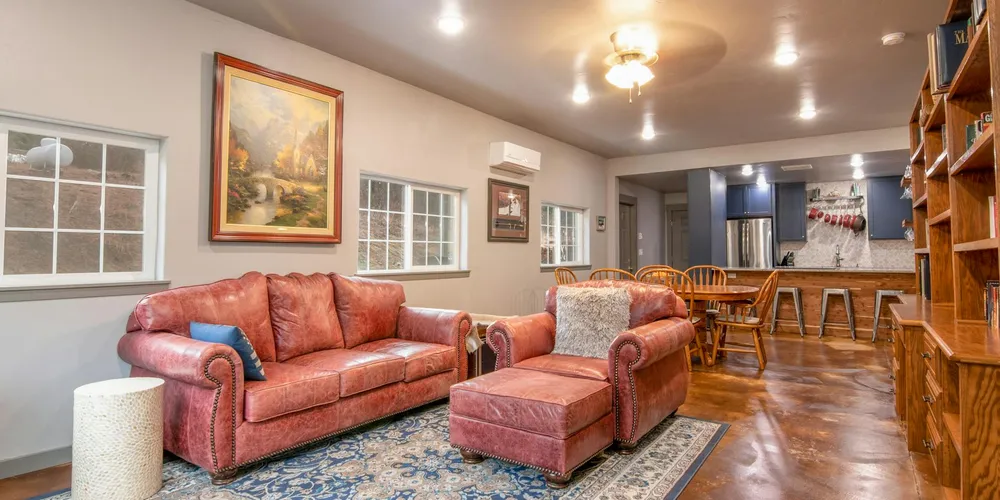
The leather is just the skin. What’s underneath gives it shape and support for decades. A weak frame or failing springs will cause the leather to stretch and strain in ways it never should. Think of it like a good pair of boots, the welt and insole need to be solid for the upper to last.
Frame Integrity: The Backbone
You want a frame made from kiln-dried hardwood, like oak, maple, or ash. This wood is stabilized to resist warping and won’t harbor moisture that leads to rot or mold. Softwoods, like pine, can compress and crack over years of weight and movement. A wobbly frame is the beginning of the end.
Give your furniture a simple test: lift one corner slightly and listen for creaks or feel for looseness. A quality frame feels solid and silent.
Suspension Systems: The Support
This is what you sit on, and it takes all the pressure. There are two main types you’ll find:
- Eight-Way Hand-Tied Springs: Coils are tied by hand in eight directions. This is the gold standard. It provides even, durable support that moves with you and resists sagging. You find this in heirloom-quality pieces.
- Sinuous Springs: These are long, snaking wires. They are more common and cost-effective. They offer good support but can eventually lose tension, leading to a “hammock” effect in the seat cushion.
You can check by pressing down firmly on the seat. It should feel supportive and spring back evenly, without any metallic groans or feeling like you’re hitting bottom.
Stitching and Seams: The Craftsmanship Tell
Look closely at the seams, especially on cushions, arms, and backs. The stitching should be straight, tight, and consistent. Double-stitching or the use of thicker, bonded nylon thread is a great sign of strength. Loose, uneven, or already-fraying threads are a red flag.
Seams that are puckering or pulling apart put direct stress on the leather holes, which will tear over time. I’ve repaired countless pieces where the seam failed long before the leather panel wore out. A simple, timely repair with a matching thread can prevent a major reupholstery job later.
Your Home’s Environment: The Silent Factor
Your furniture lives in your home’s climate. Light, heat, and air act on it every single day. This is where most damage happens slowly, without you noticing until it’s pronounced. Managing this is your most powerful tool for preservation.
Sunlight Fades and Dries Leather
Direct sunlight is a relentless force. It bleaches color from dyes and, more critically, cooks the natural oils and moisture right out of the leather fibers. The result is a pale, dry, and brittle surface that will crack. Think of how sun damages your skin.
Use blinds, curtains, or UV-filtering window film on windows that get strong afternoon sun. Rotate cushions if you can, and condition any sun-exposed areas every six months. My jacket, June, lives on a hook away from direct sun for this exact reason.
Heat Vents and Radiators Cause Rapid Dry-Out
Placing a leather sofa or chair right next to a forced-air vent or radiator is one of the worst things you can do. The constant blast of hot, dry air accelerates moisture loss dramatically. The leather will stiffen, shrink, and crack much faster than normal.
Always maintain at least a two-foot buffer between your leather furniture and any direct heat source. If your layout makes this hard, be extra vigilant with conditioning, perhaps every three to four months during heating season. Feel the leather near the heat; if it’s warm and dry to the touch, it’s actively being damaged.
Humidity Levels Dictate Leather’s Flexibility
Leather is hygroscopic, meaning it absorbs and releases moisture from the air. Stable, moderate humidity (around 40-50%) is ideal. Wild swings are the problem.
- Very Low Humidity: (Common in winter with heating) pulls moisture from leather, making it stiff and prone to cracking.
- Very High Humidity: Can encourage mold growth on the surface and within the frame, especially if the furniture is against an exterior wall.
A simple hygrometer can help you monitor your room’s humidity. In dry conditions, a quality leather conditioner replaces lost oils. In damp conditions, ensure good air circulation around the furniture and clean surfaces with a dry, soft cloth to prevent mildew.
The Care Ritual: Your Direct Role in Durability
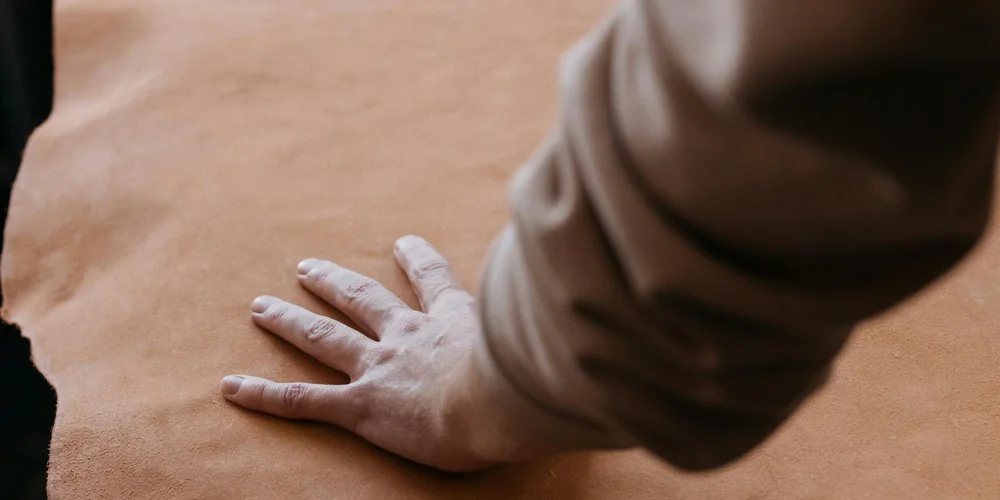
This is where you take control. The way you treat your sofa or chair has a huge impact on its lifespan. It’s not complicated. Think of it as a simple check-in, like the occasional oil change for your favorite old truck.
Cleaning: The Foundation of Care
Dust and grit are leather’s quiet enemies. They settle into the grain and act like sandpaper every time you sit down. A simple weekly habit prevents this.
- Use the soft brush attachment on your vacuum to gently go over the entire surface. This takes two minutes.
- For spills, act fast. Blot, never rub, with a clean, absorbent cloth. For sticky messes, a barely damp cloth with cool water is your first tool. Always follow the grain of the leather.
For a deeper clean every few months, use a dedicated leather cleaner. Look for a gentle, pH-balanced formula. Apply a small amount to a soft, lint-free cloth, work in circular motions on a small section, and immediately buff dry with a second clean cloth. Wondering what the best products and methods for cleaning leather are? We’ll cover trusted options in the next steps. Testing any new product in a hidden spot first is a non-negotiable step that can save you from heartache.
Conditioning: Replenishing Lost Oils
Leather is skin. Just like your own skin gets dry and can crack without lotion, leather loses its natural oils over time. Conditioning puts those oils back.
I condition my leather jacket, June, every autumn. It’s a ritual that keeps her soft. For most furniture in a typical home, a conditioning every 6 to 12 months is perfect. In very dry, sunny rooms, lean toward every 6 months.
Apply a quality leather conditioner with a clean cloth, using a small, circular motion. Let it soak in for the time recommended on the bottle, usually 15-30 minutes, then buff off any excess. Well-conditioned leather doesn’t feel greasy; it feels supple, resilient, and has a healthy, subtle glow.
Protection and Damage Control
A little prevention makes repair work rare.
- Use decorative throws on the arms and headrests, which see the most contact from skin and hair oils.
- Rotate and flip loose cushions every month if you can. This spreads the wear evenly, just like rotating tires.
Scratches happen. For light surface scuffs, your own fingers are often the best tool. The natural oils in your skin can sometimes buff a minor mark away. For slightly deeper scratches, a dab of conditioner rubbed gently along the mark (not across it) can help the leather relax and blend the damage. Most minor marks blend into the patina, adding character rather than subtracting life.
Call a professional for repairs if you see a puncture, a tear starting, or if the finish is flaking off in large areas. They have the right adhesives and pigments to fix it correctly.
How Does Vegan or Faux Leather Furniture Compare?
Vegan leather furniture durability comes from a different place. It’s a plastic-based material, usually PVC (vinyl) or PU (polyurethane), applied to a fabric backing.
Think of it like a laminated countertop, while real leather is a solid wood slab. The plastic top layer is what you see and feel. Real leather wears in, developing a patina. Faux leather wears out. Its lifespan is often shorter, typically in the 2 to 5 year range with regular use, before showing failure.
The main failure points are different. Instead of developing a rich patina, faux leather can crack or the plastic layer can peel away from its backing entirely. This is often accelerated by heat, sunlight, and flexing on seams and cushions.
Care is simpler but less restorative. You clean it with a damp cloth and a mild detergent. You cannot condition it, as there are no natural oils to replace. Using a leather conditioner on faux leather will just sit on the plastic surface, creating a sticky film. You are maintaining a plastic coating, not nourishing a natural material, which fundamentally limits its long-term durability and requires careful cleaning to avoid damage.
Making a Choice for the Long Haul
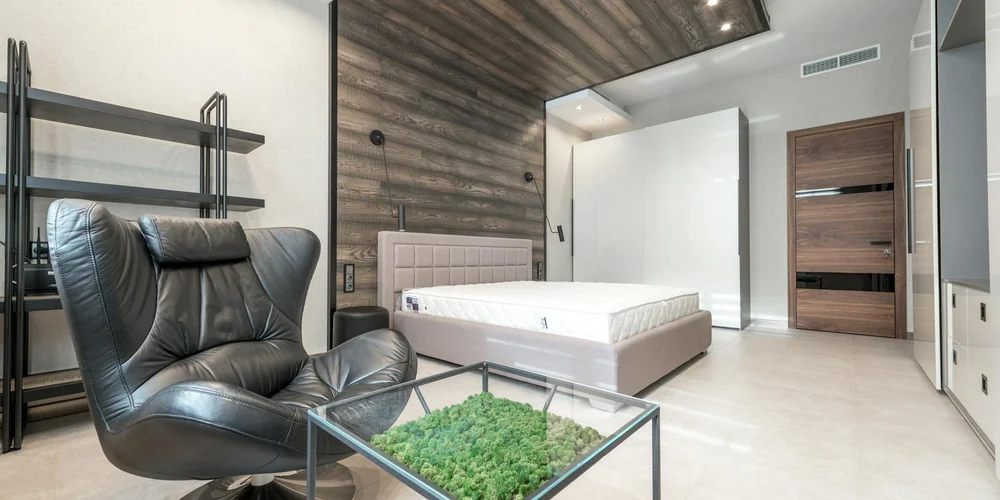
Choosing leather furniture is a vote for the future. You are not just buying a couch or chair for today. You are selecting a companion for the next twenty, thirty, or more years. This choice involves understanding a few simple trade-offs.
Think of it like choosing a pair of boots. A top-grain, aniline-dyed leather is like a supple, full-grain work boot. It costs more upfront and will show every scuff and mark, developing a rich, personal story. That question of aniline vs. pigmented leather—which hides stains better and is easier to repair—comes up often. A heavily corrected, pigmented leather is more like a sturdy, weatherproof hiking boot. It has a uniform finish that hides imperfections well and often costs less, but it won’t develop that same deep, characterful patina.
The real trade-off is between embracing a changing, living surface and prioritizing a consistent, protected look.
The Investment and the Return
A higher initial investment in quality leather and construction pays you back in decades of use. My English saddle, Mason, cost a fair bit eight years ago. Today, its deep chestnut color is richer and more complex than the day I bought it. That value grows with time.
For furniture, the “return” is measured in daily comfort and lasting beauty. A well-made leather sofa doesn’t wear out. It wears in. The leather softens, the cushions settle to your shape, and the color deepens. A cheaper, synthetic-coated alternative might look pristine for five years, but then the coating can crack or peel. That damage is not a story. It’s just the end of the line. So, it’s essential to choose a quality leather sofa from reputable brands to ensure durability and comfort.
Patina Versus Perfection
This is the heart of the choice. Patina is not damage. Patina is a record. It is the light creasing on the arms of your chair, the gentle sheen from years of use, the subtle darkening where your head rests.
My jacket, June, has a small, repaired tear on the sleeve. I see that scar and remember the day it happened. It is part of her, and it makes her more beautiful to me. If you demand a piece that looks factory-fresh forever, leather might frustrate you. Leather’s greatest beauty reveals itself only when you stop chasing perfection and start appreciating character.
Common mistakes happen when people fight this natural aging. Using harsh chemical cleaners or waxes that clog the pores can make leather look plastic and fake. The simple fix is to work with the leather, not against it, especially when it’s beginning to show signs of wear.
Your Care: The Deciding Factor
With a mindful choice and simple care, leather can absolutely be a lifelong companion. Your maintenance routine is straightforward but powerful.
- Clean Gently, Clean Regularly: Every three to six months, dust with a soft, dry cloth. For spills or dirt, use a barely damp cloth with a drop of neutral leather cleaner. Never soak the leather.
- Condition with Purpose: Once or twice a year, use a pH-balanced leather conditioner. Apply a thin coat with your fingers or a soft cloth, let it absorb for an hour, then buff off any excess. This replaces the natural oils that time dries out.
- Protect from Extremes: Keep your furniture away from direct, hot sunlight and intense heat sources. This is the single best thing you can do to prevent fading and premature drying.
This routine takes less than an afternoon each year. It is not a chore. It is a conversation with something built to last.
The beauty of aged leather is a quiet, tactile beauty. It is the warm, supple handfeel that new leather simply cannot replicate. It is the light creak of a cushion settling under your weight. It is the deep, variegated color that light plays across, telling a story only your home knows. You are not just owning a piece of furniture. You are curating a legacy of comfort and warmth.
Common Questions
How do I know when my leather needs conditioning?
Trust your touch. If the surface feels stiff, dry, or looks dull instead of having a slight sheen, it’s time. Conditioning is preventive, so don’t wait for it to feel like paper.
Can I use household products like vinegar or saddle soap?
No. These can strip natural oils or leave residues that damage the finish over time. Use only pH-balanced products formulated for your specific leather type.
What’s the one thing I should never do to faux leather?
Never use a real leather conditioner or oil. Since it’s a plastic layer, those products can’t be absorbed and will just create a greasy, attracting-dirt film on the surface.
Are scratches and scuffs a sign of poor quality?
Not necessarily, especially on full-grain or aniline leather. These marks blend into a patina, telling the story of use. Only severe peeling or cracking indicates a material failure.
When should I call a professional instead of trying a repair myself?
Call for any tear longer than an inch, a failing seam, or if the finish is flaking off in sheets. My rule: if your fix involves super glue or duct tape, pick up the phone instead.
Making Your Leather Furniture Last a Lifetime
The most important factor in your leather sofa’s lifespan is not luck, it is consistent, gentle care. Think of maintenance not as a chore, but as a simple ritual that honors the material and preserves your investment for years to come. Proper maintenance can extend the lifespan of leather couches and sofas. By following simple steps, you can keep the leather supple and crack-free.
Every time you condition a scratch or clean a spill, you are practicing a sustainable craft. You extend the life of a beautiful natural material, which is the most responsible choice you can make.
References & External Links
- How Long Do Leather Sofas Really Last? – Leather Medic
- How Long Should a Leather Couch Last? Your Guide to Leather Sofa Durability-
- How Long Does A 100% Real Leather Sofa Last? – Currier’s Real Leather Furniture
- How Long will Genuine Leather Last?
Harriet is a avid collector of leather goods such as purses, bags, seat covers, etc and has an extensive background in leather care, recovery, stain removal and restoration. She has worked for a number of years perfecting her leather care techniques and knows the ins and outs of restoring all kinds and types of leather products. With her first hand knowledge in leather care, you can not go wrong listening to her advice.
Furniture and Upholstery Care