How to Identify Cowhide Leather: Types, Origins, and Treatments
Published on: April 30, 2026 | Last Updated: April 30, 2026
Written By: Harriet Nicholson
Hello Tannery Talk. When you hold a piece of leather, do you ever wonder what story its surface tells? The type of hide, where it was raised, and how it was tanned all shape its character and care needs.
In this guide, we will explore the common types of cowhide leather, their key origins, and the treatment methods that define their use and care.
My years of repairing and conditioning leather, from saddles to jackets, give me a hands-on view of how these factors play out in real wear.
What is Cowhide? The Basics Every Keeper Should Know
Let’s start simple. When we say cowhide, we mean the raw skin from cattle. It is pronounced just like it looks: “cow-hide”.
To define what cowhide means for your care routine, think of it as a dense, natural fabric made from interwoven collagen fibers. These fibers are what give leather its potential for incredible strength. When it arrives at the tannery, this raw hide is like a blank, stiff canvas. The tanning process-using materials like vegetable tannins or minerals-preserves it and makes it pliable, turning that canvas into something you can craft with and care for.
The Main Types of Cowhide Leather: From Full-Grain to Bonded
Not all cowhide leather is the same. The biggest differences come from which layer of the hide is used and how it’s finished. Imagine the hide has layers, like a tough piece of wood.
At the very top is the strongest part. This is where we get full-grain leather. When you hear “top layer cowhide,” it almost always refers to full-grain, which keeps the entire natural grain surface intact for maximum durability, much like the worn-in leather on a trusted work boot.
Here’s a quick look at the main family members, from the top layer down:
- Full-Grain: The entire top layer. It shows natural marks, has the best breathability, and develops a patina.
- Top-Grain: The top layer that’s been lightly sanded to remove surface imperfections. It’s softer and more uniform but slightly less rugged.
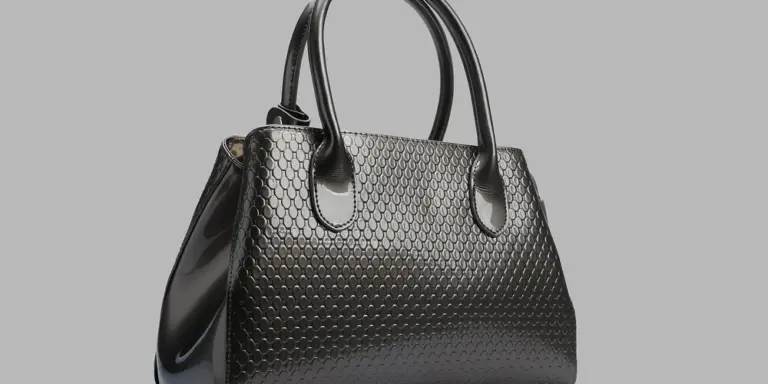
- Corrected-Grain: A top-grain that’s been heavily sanded and then embossed with a new grain pattern. It has a very consistent, man-made look.
- Suede: Made from the inner “flesh side” of the hide (or a split layer). It’s brushed to a soft, nappy texture.
- Bonded Leather: Not a natural layer. It’s made from shredded leather fibers bonded with latex onto a fabric backing. It has a short lifespan.
We also have special types defined by their finish:
- Pull-Up Leather: Usually a full-grain or top-grain leather heavily infused with oils and waxes. When you bend it, the oils shift and the color lightens, like the fading on a favorite pair of jeans. The color returns when relaxed.
- Nubuck: This is top-grain leather where the outer surface is lightly sanded to create a velvety feel, but it’s more durable than suede.
Full-Grain and Top-Grain: The Workhorses
These are the types you’ll meet most often in goods built to last. Full-grain is the toughest. Its natural grain and pore structure make it highly breathable and resistant to moisture. Every scar, wrinkle, and insect bite on the original hide remains, telling the animal’s story and creating a surface that develops a rich, personal patina over years of use and care.
My English saddle, Mason, is full-grain. Its deep chestnut color has warmed and darkened in the places I grip and polish, a record of every ride. Top-grain, being sanded, has a smoother handfeel and accepts color dyes very evenly. My jacket, June, is a soft top-grain calfskin. It’s more supple from the start but still wonderfully strong.
You might see terms like “alpha cowhide” or “chevron leather.” These are typically just marketing names for leathers with a very pronounced, specific grain pattern, not a different type of hide. The care principles remain the same.
Suede, Nubuck, and Corrected Leather
The feel and care needs change dramatically here. Suede is all about that soft, brushed texture, but it’s more porous and can stain easily. Nubuck feels similar but is more robust because it starts from the top-grain side. Roughout adds a rugged, textured surface that wears well with use. Understanding suede, nubuck, and roughout—the textures, care, and best uses—helps you pick the right option.
Corrected-grain leather offers a uniform, often glossy appearance, but the heavy surface treatment means it won’t develop a natural patina like full-grain. It can be more prone to showing scratches in the coating.
Your care strategy must adapt to the texture:
- Suede & Nubuck: Use a specialized, soft-bristled brush for regular upkeep. Clean only with cleaners made for these napped materials. Protect them with a spray-on protector designed for suede at the very start.
- Corrected-Grain: Wipe with a damp cloth. Use a gentle, pH-balanced leather cleaner. Conditioning is less critical than with full-grain, but a light application of a non-oily conditioner can keep the base material supple.
The golden rule: always test any cleaner or conditioner in a small, hidden area first. What works for Mason’s rugged full-grain could stain a delicate suede shoe.
Where Cowhide Comes From: How Origins Shape Your Leather
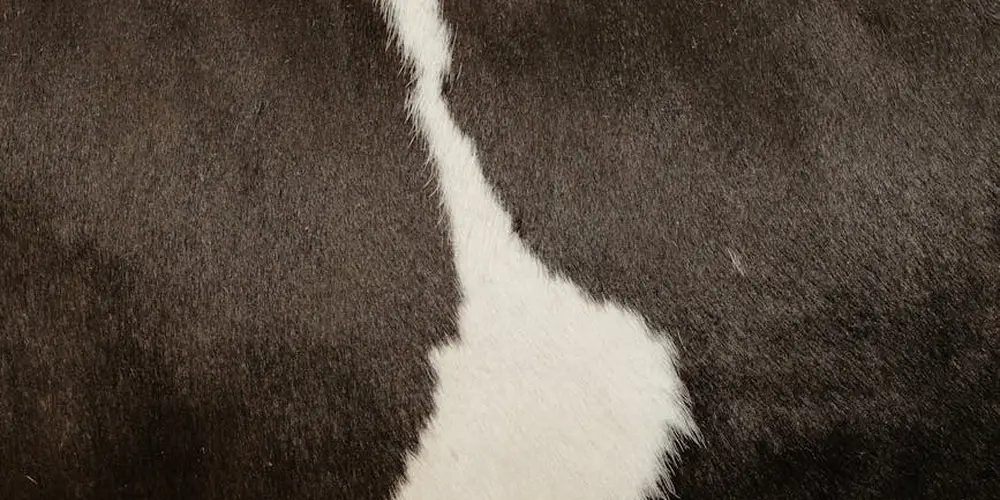
A hide’s origin story is written in its grain and its feel. It’s more than a country on a tag. It’s about the animal’s life.
The breed of cattle, what they eat, and the climate they live in all change the leather. Grass-fed cattle in cooler climates often have tighter, more even grain. Cattle in hotter regions might have more insect marks or scars. This isn’t a flaw. It’s proof of a life lived outdoors.
I always advocate for knowing your leather’s source. Responsible sourcing means better animal welfare, which directly leads to fewer damaged hides and stronger, more consistent leather from the start. You are caring for the story of that animal’s life, which is why it’s crucial to ensure ethical and sustainable practices when sourcing leather.
You can feel this story in your hands. American and Argentinian hides are often thicker and more robust, perfect for heavy-duty belts or work boots. European calfskin, especially from Italy, tends to be finer, softer, and more supple from the start, ideal for a sleek jacket like my June.
Why Origin Affects Care
That thicker South American hide is like a dense sponge. It can absorb a lot of conditioner without feeling greasy. A fine Italian calfskin is more delicate. It needs lighter, more frequent conditioning.
Your care routine must match your leather’s density and natural oils.
For a dense work boot leather, use a rich conditioner and work it in thoroughly. Let it soak for a full 24 hours before judging. For a soft calfskin jacket, use a lighter lotion-type conditioner. Apply a thin coat, let it absorb for 15 minutes, then buff off any excess with a soft cloth. The handfeel tells you everything—dry, thirsty leather feels rough and stiff, while nourished leather feels supple and cool. Knowing when and how to apply conditioner is just as important as choosing the right type.
How Cowhide is Treated: Tanning, Dyeing, and Finishing
Think of a raw hide as perishable food. The treatments of tanning, dyeing, and finishing are the preservation and preparation process that turns it into a durable, beautiful material you can use for decades.
Tanning: The Preservation Step
Tanning stabilizes the protein in the hide so it won’t rot. The method used defines the leather’s soul.
Vegetable-tanning uses natural tannins from tree bark and leaves. It’s a slower, traditional process. The leather starts pale and ages to a rich amber, developing a deep patina with every touch and scratch. My wallet, Scout, is veg-tanned. It’s like air-drying or pickling food-a slower method that creates complex character.
Chrome-tanning uses mineral salts. It’s faster and produces leather that is very soft, flexible, and water-resistant right away. Most soft leathers and linings are chrome-tanned. Think of it like pressure-canning-efficient and consistent.
Some tanneries use hybrid methods, like semi-vegetable, to blend durability with softness. The tanning method is the foundation. Everything else builds on it.
Dyeing and Coloring
This is where color and depth are added. The main two methods create very different looks.
Aniline dye is transparent. It soaks deep into the leather fibers, like staining wood. It shows off the hide’s natural grain, scars, and markings. Almost all full-grain leather is aniline-dyed. The color can be more susceptible to fading and water spots, but that’s part of its living charm. Leather porosity governs how deeply dyes and other stains travel. This helps explain why some stains sink deeper than others.
Pigmented finish is like paint. It sits on top of the leather in a thin, opaque layer. It creates a uniform, consistent color and is very durable and fade-resistant. Corrected-grain and most bonded leathers use a heavy pigmented finish to mask the surface. While tough, it can crack if the leather underneath dries out or if the surface is not properly painted. Paint leather. While tough, it can crack if the leather underneath dries out.
Final Finishes: Oils, Waxes, and Coatings
This last step adds performance and personality. It’s the “weatherproofing” and style layer.
Pull-up leather gets its name from this step. It’s saturated with oils and waxes. When you bend it, the oils “pull up” to the surface, creating a temporary lightening effect. This treatment makes it very water-resistant and gives it a lived-in look instantly. It’s like a well-worn pair of jeans straight from the store.
Many leathers receive a light protective topcoat. This is a clear acrylic or polyurethane layer sprayed on. It adds scuff and stain resistance, especially for items like bags or shoes. But this topcoat can form a barrier, so conditioners need to be non-oily to penetrate. Different leathers benefit from different key ingredients in conditioners, so choose formulas tailored to your leather type. Finished leathers respond best to non-oily, pH-balanced conditioners. For these finishes, use a pH-balanced leather conditioner designed for finished leathers. Apply it, wait, and buff. If the conditioner just sits on top, you know that topcoat is doing its job-focus on keeping it clean to maintain the seal.
How to Care for Each Type of Cowhide Leather
The best care is the right care for your specific leather. Treating a rugged work boot the same as a delicate suede loafer can cause damage. Here is my hands-on guide, organized by the main categories you will encounter.
Caring for Full-Grain and Quality Top-Grain
This is where a simple routine pays off for decades. Leather like this ages beautifully, developing a personality known as a patina. Think of it like the character lines on a well-loved face. Your goal is gentle maintenance, not a complete makeover. When you do proper maintenance, leather couches and sofas can last for many years. Small, regular acts—cleaning, conditioning, and protecting from sunlight—help extend their lifespan.
The golden rule with full-grain is “less is more,” focusing on cleaning off grime and replacing lost oils without smothering the natural character.
Here is a simple routine I use for pieces like my Scout wallet.
- Gentle Cleaning: Use a soft, damp cloth. For tougher dirt, a drop of pH-neutral leather cleaner on another cloth works. Wipe in one direction, following the grain. Let it dry completely.
- Nourishing: Apply a small amount of conditioner made with natural oils or waxes. Use your fingers to rub it in evenly. The leather will drink it in. If it looks soaked, you used too much.
- Protecting (Optional): For items facing rain, like boots or a bag, a light spray of waterproofing protector adds a shield. It can slightly darken the leather temporarily.
A common mistake is over-conditioning, which can clog the pores and make the leather feel sticky. Condition only when the leather feels dry or stiff, not on a fixed schedule. For Scout, that is about once a year with heavy use.
Caring for Suede and Nubuck
Forget everything you know about conditioning. Suede and nubuck need a completely dry approach. Their velvety surface traps liquids and oils, leading to permanent stains.
Your primary tools for suede and nubuck are a soft-bristled brush and a specialized suede eraser, never a bottle of conditioner.
Keep this type of leather looking its best with a two-step defense.
- Brush First, Always: Keep a suede brush handy. Brush the nap lightly after each wear to lift dirt and restore the texture. Brush in one direction for a uniform look.
- Treat Stains Dry: For scuffs or dirt marks, use a suede eraser. Rub it gently on the mark, then brush away the residue. For oil stains, sprinkle a tiny amount of cornstarch, let it sit overnight to absorb the oil, and brush it out.
If the piece is new, apply a spray-on suede protector. This creates an invisible barrier against water and stains. Test it on a small hidden area first. Never use standard leather conditioners or saddle soap, as they will ruin the delicate surface.
Maintaining Corrected and Finished Leathers
These leathers have a smooth, consistent top coat. Think of this coating like the clear coat on a car. Your care is about cleaning that surface without scratching it.
Focus on surface cleaning with gentle, pH-balanced products, and avoid any abrasive pads or stiff brushes that can mar the finish.
The process is straightforward but requires a soft touch.
- Wipe the item down regularly with a dry, microfiber cloth to remove dust.
- For cleaning, use a damp cloth with a mild, pH-balanced soap. Wipe gently and dry immediately with another cloth.
- If the manufacturer recommends a specific cream or conditioner for the finish, use a tiny amount. Often, a simple clean is all that is needed.
Avoid products with harsh chemicals or solvents, as they can break down the protective coating over time. The beauty of this leather is in its uniform look, and proper care keeps it that way.
Common Questions
How can I tell the main types apart just by looking and feeling?
Run your fingers across the surface. Full-grain will feel solid and show natural pores and marks, while suede and nubuck feel like velvet. Always check the edge or backing; a uniform, fabric-like backing often indicates bonded leather.
Does where the hide comes from really change how I maintain it?
Absolutely. Thicker, denser hides from regions like South America absorb conditioner deeply and need less frequent care. Finer European calfskins require lighter, more frequent conditioning to avoid becoming stiff.
When should I use wax versus oil on my leather goods?
Use waxes for water resistance on items like boots, and oils for suppleness on dry, vegetable-tanned items. Never use either on suede or nubuck-they will stain permanently. If oil ends up on suede—on shoes, boots, or uggs—use a suede-safe stain-removal method.
What’s the one thing I should do to make any leather item last longer?
Keep it clean. Dirt and grit act like sandpaper, grinding down fibers and finishes. A soft, dry brush or cloth used regularly is the most effective preservation tool you have.
Making Your Choice and Moving Forward
Choosing leather is about matching its character to your life. Pick a type not just for how it looks new, but for how it will age with you over the years.
Caring for any leather item starts with knowing where it came from and choosing products that support its long life. A well-made piece, treated with respect, becomes more personal and valuable with every use, developing a unique patina over time.
Deep Dive: Further Reading
- Types & Identifying Tips of Cowhide Leather – Artsome
- What is Cowhide Leather? Origins, Types, and Maintenance
- What is Cowhide Leather? – Poshéle
- What is Cowhide Leather? Everything You Need to Know – KINNLS
Harriet is a avid collector of leather goods such as purses, bags, seat covers, etc and has an extensive background in leather care, recovery, stain removal and restoration. She has worked for a number of years perfecting her leather care techniques and knows the ins and outs of restoring all kinds and types of leather products. With her first hand knowledge in leather care, you can not go wrong listening to her advice.
Full-grain and Top-grain Leather Care