How to Clean, Condition, and Protect Your Leather Bag to Prevent Cracking and Stains
Published on: November 21, 2026 | Last Updated: November 21, 2026
Written By: Harriet Nicholson
Hello Tannery Talk, noticing the first signs of dryness or a new stain on your leather bag is a common worry. I’m here with practical, hands-on steps to help.
We will cover cleaning, conditioning, and protecting your bag with methods that work.
My advice comes from years of hands-on care for pieces like Mason, my trusty eight-year-old saddle, keeping them supple and strong.
Gather Your Leather Care Kit First
Before you start, get your tools together. A proper kit makes the job easier and safer for your bag.
- A soft brush, like a horsehair brush for shoes.
- A few lint-free cloths, such as microfiber or clean cotton.
- A gentle leather cleaner or saddle soap.
Next, you need conditioner. Leather dries out, just like skin. A good conditioner replaces lost oils.
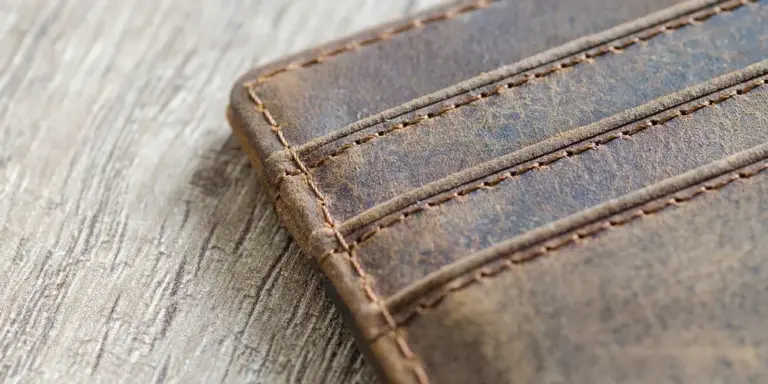
Think of my wallet, Scout. Its deep color and soft handfeel come from regular, light conditioning, not one heavy treatment. Look for a pH-balanced product. It feeds the leather without harming it.
Finally, consider a protectant. This is your bag’s raincoat. A wax-based cream or a water-resistant spray adds a shield.
June, my jacket, handles a sudden drizzle because of a light wax coat. It beads water away without making the leather stiff. For a bag, a protectant guards against spills and stains.
Here is the most important rule. Test every single product in a hidden spot first. Inside a seam or under a flap is perfect. Some finishes or dyes can react. Wait for it to dry completely. This simple step prevents heartbreak.
The Step-by-Step Care Ritual for Your Bag
This is a calming process. Set aside an hour at a clean table. There is no rush. Good care is about patience.
Step 1: Prep and Brush
Empty the bag completely. Check all pockets. Shake out any crumbs or dust.
Use a dry, soft brush. Gently brush the entire surface, going with the grain of the leather. This lifts away surface dirt so you do not grind it in during cleaning. Listen for the light creak of clean leather. For the best results, the next steps will guide you to the right products and methods for cleaning leather.
Step 2: Clean Gently
Dampen a cloth with cool water. Wring it out so it is barely damp. Apply a tiny drop of leather cleaner to the cloth. This damp cloth method is especially useful for gently cleaning leather coats.
Less is more. You can always clean again, but you cannot take away too much moisture or product once it is applied.
Work in gentle, small circles. Focus on one section at a time. For stains, use less pressure, not more. Rinse your cloth often and go over the area with just water to remove any cleaner residue. Let the bag air dry completely, away from direct heat. This can take a few hours.
Step 3: Condition and Feed
Once the bag is dry, apply conditioner. Use a small amount on a fresh cloth. Rub it between your fingers to warm it up.
Massage it into the leather like hand cream. Cover the entire surface evenly. Pay extra attention to dry, stiff areas like handles or folds. These steps are general methods for caring and treating leather items.
Conditioning is not about coating the surface. It is about letting the leather drink in the oils it needs to stay flexible. This is where the science behind leather conditioning comes in—how oils and waxes penetrate the hide to protect it and keep it supple.
Let the bag absorb the conditioner. Leave it for at least several hours, or overnight. The leather will look darker at first. As it dries, the color will even out to a rich, nourished hue. Alternatively, how to restore and repair the color on a faded leather bag if it’s still not vibrant enough.
Step 4: Apply Protection
If you are using a protectant, this is the final step. Ensure the bag is fully dry from conditioning.
For a cream, use a speck and buff it in well. For a spray, hold the can a good distance away and apply a light, even mist. One thin layer is better than one thick, sticky layer.
Let it cure fully. This creates the shield. Wait a full day before using your bag again.
How often should you clean a leather bag?
Your bag will tell you. For daily use, a quick brush and light conditioning every three to four months is perfect. For a bag you use once a week, once or twice a year is enough.
Clean it only when it is visibly soiled. Over-cleaning can do more harm than good. The goal is maintenance, not perfection.
Stopping Cracks and Stains Before They Start
Think of your leather bag like skin. Without moisture, skin gets dry and cracks. Leather is the same. Cracking is simply dried-out leather fibers that have lost their natural oils.
Preventing cracks means keeping those fibers nourished and safe from things that dry them out.
The main enemies are easy to remember: sun, heat, dryness, and abrasive dirt. Sunlight and heat suck the moisture right out. Dry air, like from heating vents, does the same. Gritty dirt grinds into the surface like sandpaper when you move the bag.
I keep Mason, my English saddle, in a shaded tack room. Direct sun would fade his rich color and make the leather brittle over time. Your bag deserves the same kindness.
How to Prevent Stains Before They Set
Stains happen fast. The trick is to act faster.
- Blot, don’t rub. For spills, press a clean, absorbent cloth onto the spot immediately. Rubbing can push the liquid deeper.
- Let the area air dry completely away from direct heat.
- Avoid getting perfumes, lotions, or hand sanitizer directly on handles and straps. These can break down the leather’s finish and cause discoloration.
Quick action with a simple cloth is your best defense against permanent marks.
Handling Creases and Preventing Fade
You might see soft creases where the bag bends. This is normal, like the gentle creasing on my jacket, June. These are part of the bag’s character.
If creases feel dry or look too white, a light application of conditioner can soften them and restore flexibility. Use a fingertip to gently work a pea-sized amount of pH-balanced leather conditioner into the crease. Let it absorb overnight. For a complete guide on removing and preventing creases, smoothing leather, and protecting your footwear.
Fading is caused by ultraviolet (UV) light. To keep colors rich, store your bag in a closet or inside a breathable cotton dust bag. For bags you carry often in sunny weather, a light spray with a UV-protectant leather product can help. Always test any product in a hidden area first.
Daily Habits and Smart Storage for Long Life
Taking care of a leather bag daily is about mindful habits, not just occasional cleaning. Small actions add up to years of use.
Your daily routine protects the bag’s structure and appearance.
Be Kind to the Shape and Straps
Resist the urge to overstuff your bag. When you force too much inside, you permanently stretch the leather and put extreme stress on the straps and stitching. Think of it like overloading a backpack; the seams wear out faster.
My wallet, Scout, stays slim because I only carry what I need. Your bag will last longer with the same approach.
Smart Storage is Simple Storage
When you’re not using your bag for a while, store it smartly.
- Stuff it with clean, acid-free paper or a soft pillow to help it keep its shape.
- Place it in a breathable cotton dust bag. Never use plastic bags or covers, as they trap moisture and can lead to mildew.
- Keep it in a cool, dry place away from heaters, air conditioners, or sunny windows.
Good storage prevents misshaping, dryness, and color fade while your bag rests.
When Your Bag Gets Damp
If your bag gets caught in the rain or damp, don’t panic. Wipe off any moisture with a dry, soft cloth. Then, let it air dry at room temperature, away from radiators or hairdryers. Stuff it with paper towels to absorb internal dampness and help it hold its shape as it dries.
Never apply heat to dry leather quickly; slow, natural drying prevents stiff water stains.
Quick Checks for Longevity
Every few months, give your bag a quick check. Look at the hardware like zippers and buckles for loose parts. Run a finger along the stitches, especially on straps. If you see a loose thread, you can carefully trim it with small scissors before it unravels further. This is like checking the seams on a favorite coat-a little attention prevents bigger repairs.
Your Home Leather Care Kit
A simple kit lets you handle most maintenance. You don’t need many tools.
- A soft-bristled brush (like a horsehair brush) for dust.
- Several clean, lint-free cloths (microfiber or soft cotton).
- A small bottle of neutral leather cleaner for general soil.
- A container of pH-balanced leather conditioner for moisturizing.
With these basics, you can clean a spill, condition dry spots, and keep your bag looking its best for years.
Common Questions
My bag’s leather turned from shiny to matte. Did I ruin it?
No, a matte finish is often a sign of dried-out oils. It means the leather is thirsty and telling you it’s time for a proper conditioning. Use a quality, pH-balanced conditioner to restore suppleness and a healthy sheen.
How do I stop the creases, especially on straps, from turning white?
Those white stress marks are fibers begging for oil. Before they crack, work a tiny amount of conditioner directly into the crease with your fingertip. This re-plasticizes the fibers and prevents them from breaking.
What is the one non-negotiable item for a home leather care kit?
A soft, natural-bristle brush. Regular, gentle brushing lifts abrasive dust and grit before it gets ground into the finish. It’s the simplest, most effective preventative maintenance you can do.
The carrier straps are stiff and uncomfortable. Can I soften them?
Yes, but go slowly. Apply a light coat of conditioner specifically to the straps, working it in thoroughly. Let it absorb fully, then gently flex the leather by hand-do not force it by overloading the bag.
Are all leather conditioners basically the same?
Absolutely not. Avoid products with silicone or petroleum distillates that sit on top. You want a conditioner with natural oils and waxes that penetrate to nourish the hide from within, which is why a pH-balanced product is key.
Final Thoughts on Keeping Your Leather Bag Healthy
Your bag’s best defense is a simple, gentle routine. Regular, light care with a good cleaner and conditioner prevents most problems long before cracking or stains can set in. Think of it like giving Mason a quick brush after a ride, or wiping down Scout before you put him back in your pocket.
Every time you care for your bag, you honor the material and extend its life. Building this skill turns maintenance into a quiet ritual, one that builds a soft patina and a deeper connection to the things you use every day.
Further Reading & Sources
- 3 Steps to Care for Your Leather Bag | Buffalo Jackson
- The Ultimate Guide to Leather Care | Aspinal of London
- How to Care for Leather Bags: 4 Simple Tips – Moonster Leather Products
- [GUIDE] HOW TO: LEATHER CARE 101 & BAG MAINTENANCE : r/RepGirls
- Care Guide – Leather – Cuyana
Harriet is a avid collector of leather goods such as purses, bags, seat covers, etc and has an extensive background in leather care, recovery, stain removal and restoration. She has worked for a number of years perfecting her leather care techniques and knows the ins and outs of restoring all kinds and types of leather products. With her first hand knowledge in leather care, you can not go wrong listening to her advice.
Handbag and Purse Care