How Did Leather Conditioners Change? From Animal Tallow to Modern Silicon Blends
Published on: September 27, 2026 | Last Updated: September 27, 2026
Written By: Harriet Nicholson
Hello Tannery Talk. Picking a leather conditioner can feel confusing with so many options. The story of how we got here is both practical and surprising.
We will walk through that story together, covering early animal fat treatments, the rise of beeswax and oil mixes, and the development of today’s silicon-based conditioners.
I have cared for leather for years, using every type of conditioner on my own gear, from Mason’s saddle to June’s jacket.
Why the History of Your Conditioner Matters Today
The ingredients in your conditioner bottle tell a story. Knowing that story helps you make smarter choices for your bag, boots, or jacket.
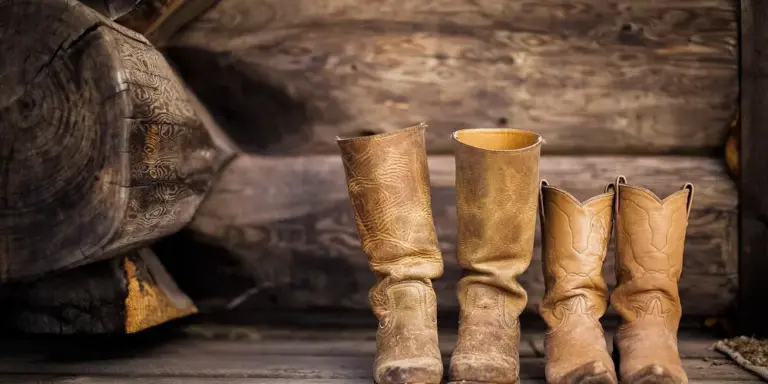
Think of it like choosing footwear: you wouldn’t use the same care on a heritage work boot as you would on a sleek designer loafer, because they’re built for different purposes from different materials. Old formulas and new chemistries are simply different tools. One isn’t automatically better. The right one depends on your leather’s age, tanning method, and the life you lead.
I still use a simple beeswax-based dressing on Mason, my old English saddle. It’s what that type of thick, vegetable-tanned leather has responded to for decades. For June, my softer calfskin jacket, I use a lighter modern emulsion. Matching the product’s heritage to the item’s needs prevents damage and preserves character.
The First Conditioners: What Did People Use Before Bottles?
For most of history, leather care wasn’t a separate hobby. It was a necessary part of making useful goods last. People used what they had. As centuries passed, the tools of leatherworkers evolved—from simple blades to purpose-made awls and pliers—shaping best practices. Understanding that evolution helps explain current leatherworking techniques.
The most common conditioner was animal fat, especially rendered tallow from beef or mutton. After cleaning, a craftsman would warm a small amount in their hands and work it into the leather. This simple fat replaced the natural oils lost during tanning and use, keeping the leather supple and water-resistant. These early practices mark a long history—from animal fats to modern polymers. Over time, care shifted to synthetic polymers that resisted spoilage. It was effective, available, and cheap. The downside? It could go rancid over time and attract pests if over-applied.
Other cultures used what their environment provided. Brain pastes, rich in emulsifying oils, were used in some brain-tanning processes to soften hides. Plant-based oils, like linseed or olive oil, and natural waxes from berries or insects were also rubbed into leather goods. These methods were less about achieving a perfect shine and more about pure, practical preservation for daily survival.
From the Workshop to the Store Shelf: Pre-Industrial Recipes
As leather goods became more specialized, so did their care. By the 18th and 19th centuries, the simple tallow rag was joined by refined, purpose-mixed recipes. These weren’t just for preservation anymore. They were for performance and appearance.
Craftsmen in saddleries and bootmakers developed specific blends. They knew a carriage harness needed a different handfeel than a gentleman’s boot. This era gave us the core ingredients we still debate today.
Key Ingredients of the Workshop Era
Three substances defined this period of leather care:
- Lanolin: This wax is washed from sheep’s wool. It’s a superb, natural waterproofer. I find it gives leather a rich, supple feel without a heavy grease. It was a prized addition for items facing the weather.
- Neatsfoot Oil: Rendered from cattle bones and feet, this oil penetrates deep. It was the go-to for keeping working leathers like harnesses and saddles from drying out and cracking. My old saddle, Mason, owes its flexibility to generations of craftsmen using oils like this.
- Beeswax: Used alone or blended with oils, beeswax creates a protective top layer. It adds a subtle sheen and a firmer barrier against moisture and scuffs.
The real shift was moving from generic preservation to tailored maintenance for specific goods. A coachman mixed a heavy oil and wax blend for his rig’s harness. A soldier used a lighter oil and lanolin paste on his marching boots. A traveller used a simple beeswax cream on a trunk. Each recipe aimed to address how the leather was used.
The 20th Century Shift: New Oils and the Rise of “Miracle” Products
The 20th century brought two big changes: new marketing and new chemistry. Leather care moved further from the workshop and into the consumer aisle.
The Popularization of Mink Oil
Mink oil was marketed as a superior, luxury conditioner. Adverts promised unparalleled softness and water resistance. It gained a loyal following, especially for work boots and rugged jackets. Made from mink fat, the oil has long been used to condition leather. In leather care, it is valued for restoring softness and moisture resistance.
In practice, mink oil is a very effective conditioner. It’s rich and does waterproof well. But it has a trait you must know: it darkens leather significantly and can remain slightly greasy. On a pair of rough-out boots, that’s often desired. On a smooth calfskin jacket like June, it can create permanent dark spots and a tacky feel. It’s important to know how to properly apply it to avoid uneven results.
The Post-War Chemical Boom
After WWII, chemistry offered new, cheap, and consistent materials. This led to the first wave of petroleum-based conditioners and dressings. They were often sold as all-in-one “miracle” products that could clean, condition, and waterproof any leather.
These silicone-based formulas created a shiny, water-beading barrier on the leather’s surface. They were convenient and gave quick, visible results. Researchers study the science of leather waterproofing—how treatments work and what influences their longevity. This helps explain why some coatings last longer and maintain protection over time.
The Emergence of Pros and Cons
This new era came with clear trade-offs that we still manage today.
- Pros (The Allure): These products were shelf-stable, affordable, and easy to use. They offered strong, immediate water resistance and a uniform shine. For a quick refresh on a baseball glove or work boot, they did the job.
- Cons (The Compromise): The barrier they create often sits on top of the leather. Over time, it can seal dirt in and plasticize the surface, masking the natural grain and breathability. That greasy residue on an old jacket isn’t just untidy, it can trap moisture and dirt against the leather, leading to long-term damage. The silicone can also make future repairs or professional re-dyeing difficult.
I’ve seen jackets like June come in with a stiff, plastic-like feel from years of these dressings. The fix is a gentle, thorough cleaning with a pH-balanced leather cleaner to strip that old layer away before a proper conditioning with a modern, breathable product.
The Modern Era: What Are Silicone and Synthetic Conditioners?

Leather care took a sharp turn with chemistry. Modern conditioners often use silicone oils and other synthetic polymers. They work differently from the old ways. That naturally raises questions about which ingredients are best for different leather types. Are the key ingredients in leather conditioners the same for all leathers, or should they be tailored to each type?
Chemically, these are man-made molecules that form a flexible, water-resistant layer on top of the leather. They don’t sink in to replace lost fats. Their main job is to create a durable, flexible barrier that shields the leather from water, dirt, and scuffs. Think of it like a thin, invisible raincoat. Traditional oils and waxes aim to nourish from within; synthetics protect from the outside. Many compare natural oils vs synthetic sealants for leather waterproofing. Oils tend to condition from within, while sealants shield from the outside.
This makes them a right or wrong choice depending on your goal.
Choose a silicone-based formula when you need maximum weather protection for a short time. It’s a good pick for boots you’ll wear in heavy rain or a car interior that gets strong sun. The barrier it creates is very effective.
Avoid silicone-based formulas for fine, absorbent leathers you want to age beautifully. On my veg-tan wallet Scout, silicone would seal the surface, preventing it from developing a rich patina. It can also make leather feel plasticky over time. For a treasured jacket like June or a saddle like Mason, I stick with nourishing conditioners.
How to Use This History to Care for Your Leather Now

History gives us a toolkit. Your job is to pick the right tool. Match the conditioner’s origin story to your leather’s age, type, and needs.
Here is a simple guide. For old, dry, or vegetable-tanned leather (like a heritage belt or Scout the wallet), lean on traditional animal or plant oils. They nourish deeply. For soft garment leather (like June the jacket), a light lanolin blend or a dedicated garment conditioner works well. For items facing harsh, wet elements where a temporary shield is useful, a modern synthetic can be the practical choice.
| Ingredient | Best For | Considerations |
|---|---|---|
| Tallow/Oil Blends | Restoring very dry leather, work boots, saddlery. | Nourishes deeply; can darken leather. Source responsibly. |
| Lanolin Blends | Soft leathers, jackets, gloves; adds suppleness. | Great moisturizer; can feel slightly greasy initially. |
| Modern Synthetics | Creating a water/stain barrier on utility items. | Excellent protector; doesn’t nourish, can alter feel. |
Let’s put this to work with a real piece. Imagine checking on Scout, your three-year-old veg-tan wallet.
- Clean First. Wipe it down with a damp cloth. Let it dry completely.
- Assess the Feel. Pinch the leather. Does it feel stiff, papery, or dry? Good veg-tan should feel firm but supple.
- Choose Your History. For dry veg-tan, history says to nourish it. A light, natural oil (like a neatsfoot blend) or a dedicated veg-tan conditioner is your pick from the toolkit. You want something that soaks in, not sits on top.
- Apply Sparingly. Use a soft cloth. Apply a small amount, massage it in, and let it absorb overnight. You can always add more later.
Whether you choose a modern vegan blend or a responsibly sourced animal product, look for transparency. Trustworthy brands will clearly list ingredients and often discuss their sourcing ethics. Ethical and sustainable sourcing can influence material properties, since tanning and finishing affect durability and texture. So, choosing brands with transparent methods also helps gauge how the leather will perform over time. Your care for the leather extends to your care for how the ingredients were made. Good products support both the longevity of your gear and responsible practices.
Common Questions
Will a silicone-based conditioner damage my leather?
It won’t “damage” it in the short term, but it will seal the surface. This is fine for a temporary weather barrier on boots, but avoid it on fine leathers you want to breathe and age naturally.
Why does my conditioner darken the leather, and is that bad?
Most conditioners, especially oils like neatsfoot or mink, darken leather by replacing its lost fats. This is normal and often desired for work gear, but always test on a hidden spot first if you’re concerned about color change.
Is there a “one-size-fits-all” conditioner I should use?
No. Your grandfather’s saddle oil is wrong for your modern jacket. Match the conditioner to the leather’s age, tanning, and use, just as you match your tools to the task.
Are modern “vegan” or synthetic conditioners as good as traditional ones?
They are different tools. Synthetics excel at creating a protective top-coat, while traditional oils nourish from within. For preservation, choose based on the leather’s need for nourishment versus a surface shield.
Caring for Your Leather Today
The best conditioner for your piece is the one that matches its leather type and the job it needs to do. Whether you choose a traditional wax, a modern silicone blend, or a simple oil, applying it correctly and consistently matters more than the century the formula comes from.
Looking back at old recipes reminds us that caring for leather is an act of preservation, not just consumption. Taking the time to learn your gear’s needs and source products responsibly turns routine maintenance into a skill that honors the material and extends its life for years. This understanding lays the foundation for proper leather care practices.
Citations and Authoritative Sources
- How to make your own leather condioner and use it | Horse and Hound Forum
- Tallow Leather Conditioner – The Butcher’s Tallow
- r/Leathercraft on Reddit: Lets talk conditioner, tallow, and old leather!
- Tallow Leather Conditioner – Etsy
- Leather Care – Simon Tuntelder – Leather Goods
Harriet is a avid collector of leather goods such as purses, bags, seat covers, etc and has an extensive background in leather care, recovery, stain removal and restoration. She has worked for a number of years perfecting her leather care techniques and knows the ins and outs of restoring all kinds and types of leather products. With her first hand knowledge in leather care, you can not go wrong listening to her advice.
Applying Oils, Creams, and Waxes