Why Do Some Leather Stains Sink Deeper? The Science of Porosity
Published on: August 25, 2026 | Last Updated: August 25, 2026
Written By: Harriet Nicholson
Hello Tannery Talk. That ink blot on your bag or coffee splash on your boots – some marks vanish into the leather, feeling like they become part of it forever.
Let’s look at what happens beneath the surface. We will cover how leather’s natural fibrous structure acts like a sponge, why tannages like vegetable or chrome change absorption, and practical steps to manage stains based on your leather’s character.
Conditioning and repairing pieces like my jacket June and saddle Mason has shown me how porosity shapes a leather’s life.
What Makes Leather Porous in the First Place?
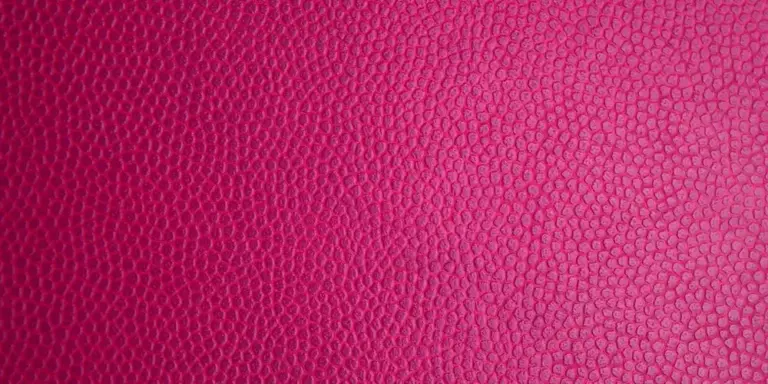
Think of a piece of leather under a powerful microscope. You would not see a solid sheet. You would see a complex, three-dimensional web. This web is made of collagen, a natural protein fiber. Between these interwoven fibers are countless tiny gaps and channels. These are the pores.
This structure is why leather can breathe and why it accepts conditioners. It is also why spills can travel. The density and tightness of this collagen web is the main factor deciding how porous your leather is. Understanding how conditioners interact with collagen fibers can help you care for your leather better.
Compare a tight, full-grain leather to a soft suede. Full-grain leather has a dense, organized top layer. Its pores are small and tight, like the weave of a sturdy pair of denim jeans. Suede is created by buffing away that top layer, exposing the loose, fluffy interior fibers. Its pores are wide open, much more like the loops of a thick terry cloth towel.
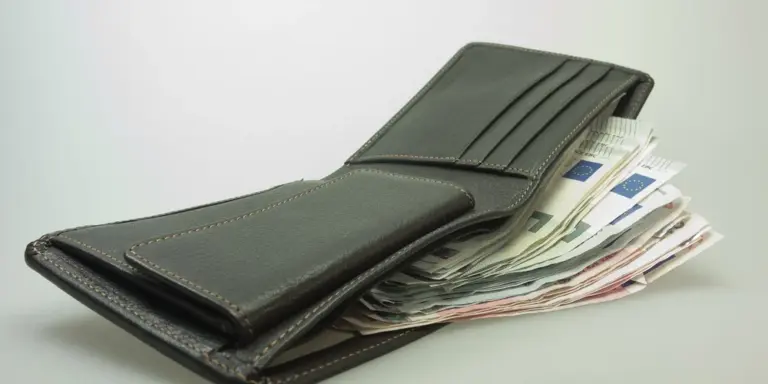
You can feel this difference on a piece like Scout, my veg-tan wallet. Its surface is smooth but not plasticky. If you put a single drop of water on it, the leather will slowly drink it in, darkening the spot. That is porosity in action-the natural gaps between fibers welcoming moisture inside.
How Tanning Changes Leather’s Thirst for Stains
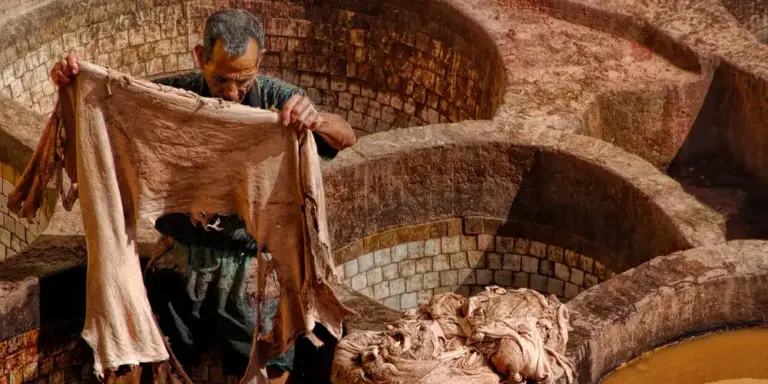
Tanning is the process that turns raw animal skin into stable, usable leather. The method used directly builds the leather’s personality, including its porosity. Beyond tanning, there are different types of leather finishing processes that determine the final look and feel. These steps tailor color, surface texture, and durability after tanning.
Vegetable tanning uses natural tannins from tree bark, leaves, and fruits. It is a slow, traditional process. Chrome tanning uses mineral salts (chromium sulfate). It is a faster, more modern method.
The Open Nature of Vegetable-Tanned Leather
Veg-tan leather, like my old English saddle Mason, is often more absorbent. The natural tannins bond with the collagen fibers but generally leave the pore structure quite open. Imagine the web of fibers being preserved and stabilized, but not filled in.
This makes veg-tan exceptionally receptive to oils, conditioners, and, unfortunately, stains. A coffee spill on a veg-tan bag will often sink in quickly and spread. This same openness allows it to develop a rich patina over years, as it slowly absorbs oils from your hands and the environment.
The Sealing Effect of Chrome Tanning and Finishes
Chrome tanning fills more of the natural gaps in the leather’s structure. It creates fibers that are more slippery and water-resistant from the start. Many chrome-tanned leathers then receive a heavy polymer or pigment finish sprayed or rolled onto the surface to enhance their resistance to stains and damage.
This finish acts like a raincoat. It sits on top of the leather’s pores, sealing them shut. My jacket June is a chrome-tan calfskin with a light finish. A splash of water will bead up on its surface for me to wipe away, rather than soaking in immediately.
The type of tanning and the surface finish are your biggest clues for predicting how a stain will behave. A porous, unfinished veg-tan will invite stains deep into its fibers. A heavily finished chrome-tan might let you wipe a spill off the surface, though a forceful or oily stain can still breach that seal.
The Natural Defenses: Oils and Fats in Your Leather
Think of leather as a living, breathing hide. It’s not a solid piece of plastic. It’s a network of fibers, and between those fibers are tiny spaces we call pores. When leather is made, one of the most important steps is called fatliquoring.
Fatliquoring isn’t as strange as it sounds. It’s just a process where oils and fats are worked deep into the leather. Imagine putting a rich moisturizer on dry skin. The moisturizer sinks in, fills in the tiny cracks, and makes the skin soft and supple. Fatliquoring does the same for leather.
This process gives your leather its softness and prevents it from drying out and cracking, essentially by filling and lining those porous pathways. This relies on the science of how conditioning oils and waxes penetrate the hide to form a protective layer. Understanding this helps explain how moisture is locked in and the surface stays resilient.
That protection doesn’t stop at the tannery. Every time you condition a piece, you’re adding to that defense. My jacket, June, gets a light coat of conditioner every six months. The oils from the conditioner, combined with the natural oils from my skin over years of wear, build up a subtle barrier on and in the leather.
Think of this barrier like a wax on a car. A well maintained surface makes liquid bead up and roll off. A well oiled piece resists stains better because its pores are partially plugged. Liquids have a harder time finding an open path to travel down.
How to Check Your Leather’s Defenses
You don’t need special tools. Use your hands. Here’s how I check Mason’s saddle or Scout my wallet:
- Find a small, inconspicuous spot, like an inside seam or the back of a strap.
- Press your thumb firmly into the leather and drag it forward slightly.
- Watch the surface. If the color lightens significantly under your thumb and the leather feels stiff or thirsty, it’s dry. The pores are likely open and hungry.
- If the color change is minimal and the leather feels supple, its natural oils are still doing their job.
Feeling for that dryness is your first and best clue that your leather’s pores are vulnerable and it’s time for conditioning.
Why Water, Oil, and Ink Behave So Differently on Leather
Not all spills are created equal. You’ve seen it: a drop of water sits on your boot, while a drop of olive oil vanishes in seconds. The reason comes down to the liquid’s chemistry and how it interacts with your leather’s defenses.
Let’s break them down.
Water Based Stains (Coffee, Soda, Rain)
Water is thin and has a high surface tension. On leather with good oils, it wants to bead up. The oils repel it. But if your leather is dry, those open pores act like straws. Water based stains can penetrate deep if given time, and they often leave a dark, watermarked ring as they displace the remaining oils inside the hide. If you’re dealing with this on leather furniture upholstery, you may want to know how to remove water stains spots from leather furniture upholstery. A careful approach can help restore the leather’s appearance.
Oil Based Stains (Cooking Oil, Grease, Hand Cream)
This is the tricky one. Oil is attracted to the oils already in your leather. They are chemically similar. Think of it like a wooden board. Pour water on it, and it might pool. Pour linseed oil on it, and the wood drinks it right up because they are compatible.
An oil based stain sees the fats in your leather and doesn’t see a barrier, it sees an invitation, which is why it soaks in deep and fast, often leaving a permanent dark spot.
Inks and Dyes (Pen, Marker, Berry Juice)
These are intense colorants. They are designed to stain. They are usually very thin, liquid pigments that flow easily into any available space. Even on well conditioned leather, a fine tip pen ink can wick into a pore line before you can blink.
Here’s a simple way to visualize it:
| Stain Type | Behavior on Oiled Leather | Why It Penetrates |
| Water | Often beads up initially | Needs dry, open pores to soak in deeply |
| Oil/Grease | Soaks in rapidly | Chemically bonds with leather’s internal fats |
| Ink/Dye | Wicks in quickly along pores | Extremely thin, pigmented liquid finds any tiny gap |
The depth of a stain isn’t just about the spill. It’s a race between the liquid’s properties and the state of your leather. A thick, waxy balm might sit on the surface of dry leather, while a thin cooking oil will sink into the most supple jacket. Knowing this difference helps you react faster when an accident happens.
How Your Leather Ages and Changes Its Porosity
Think of new leather like a tightly woven sweater. The fibers are plump and close together. Over time, those fibers lose their natural oils and moisture. They begin to dry out, stiffen, and separate just a tiny bit. This is what opens up the pores.
An aged piece feels different because it literally is different-those microscopic gaps have grown, making it softer to the touch and ready to drink in conditioners or, unfortunately, stains.
My old English saddle, Mason, is a perfect example. When it was new, the chestnut hide felt dense and tight. Now, after eight years of use, its surface is supple and thirsty. A drop of oil sinks right in, where it might have sat on the surface years ago.
Not all leathers age the same way. A soft calfskin jacket like June develops fine creases that can channel spills deeper into the grain. A stiff bridle leather belt might resist absorption for years before finally opening up. Each type has its own timeline and pattern for changing porosity.
This direct link between age, type, and porosity decides your care routine. A thirsty, porous piece needs frequent hydration to keep those fibers from cracking. A tight-pored new item needs lighter, preventative care to maintain its natural barrier.
Smart Care: Choosing Products Based on Porosity
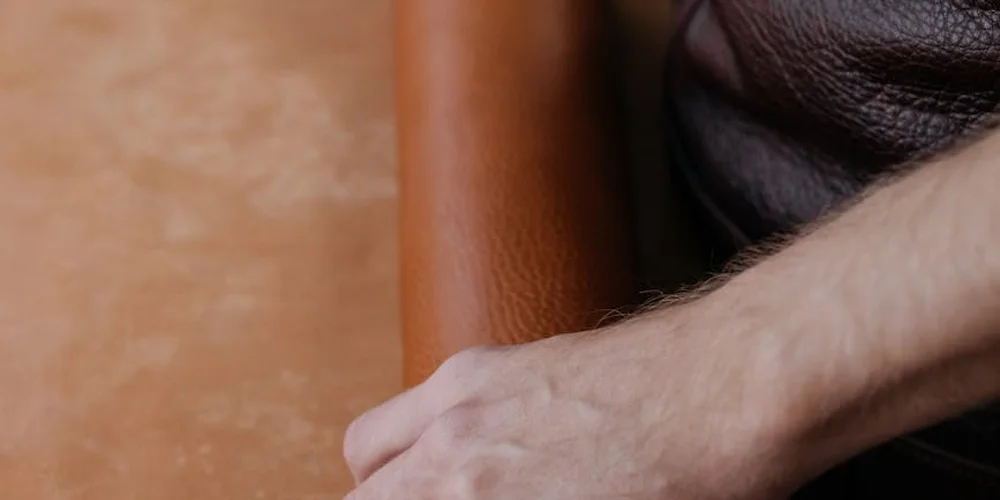
You do not need a lab to check your leather’s porosity. Use the water test. Sprinkle a few tiny droplets of clean water onto an inconspicuous spot. Watch them for 60 seconds.
- If the water soaks in and darkens the leather, you have porous leather.
- If the water beads up on the surface, you have non-porous leather.
This simple test tells you everything about how to proceed. Here is how care differs for each.
Caring for Porous, Thirsty Leather
This leather, like aged Mason, absorbs everything quickly. Your goal is to nourish it without overwhelming it.
- Clean Gently: Use a pH-balanced leather cleaner with a very soft brush. Aggressive scrubbing can force dirt deeper into the open pores.
- Condition Generously: Apply a rich, oil-based conditioner. Let it soak in fully for several hours. A second light application may be needed for severely dry pieces.
- Protect Thoughtfully: After conditioning, a light wax-based protectant can help shield the surface, but reapplication will be needed more often as the leather drinks it in.
Caring for Non-Porous, Tight Leather
This leather, like a new bag, has a sealed surface. Your goal is to maintain that barrier without clogging it.
- Clean Lightly: A damp microfiber cloth is often enough. For marks, use a tiny amount of neutral cleaner.
- Condition Occasionally: Use a very lightweight, penetrating conditioner (like a milk or spray) once or twice a year. Too much product will just sit on top and feel greasy.
- Protect Strategically: A silicone-free leather protectant spray can help bead up water and resist stains without altering the finish.
For a product that works well on both porous and non-porous leather, look for lightweight, penetrating conditioners with natural oils like neatsfoot or jojoba. These can hydrate dry fibers in aged leather without leaving a heavy residue on tight-finished new leather. This naturally ties into the question of the best products and methods for cleaning leather. We’ll explore those options in the next steps.
The practical rule is this: match your product’s weight to your leather’s thirst. Porous leather handles heavy balms. Non-porous leather needs featherweight lotions. When in doubt, start with a light product on a hidden spot. You can always add more, but you cannot take it back out.
When Stains Sink Deep: Repair Strategies for Porous Leather
That sinking feeling when a spill happens on a soft, absorbent leather is real. The repair approach changes completely. With porous leather, you are not just cleaning a surface. You are negotiating with the material’s inner structure.
Your First Response: Acting Fast on a Fresh Stain
Speed is your best friend here. The goal is to stop the stain from traveling deeper into the leather fibers. Think of it like spilling ink on a paper towel. The longer it sits, the wider and deeper it spreads.
- Blot, immediately. Use a clean, absorbent cloth or paper towel. Gently press down to soak up as much of the liquid as you can. Do not wipe or rub. Rubbing grinds the stain deeper into the pores.
- Apply a targeted cleaner. Use a small amount of a neutral, pH-balanced leather cleaner on another clean cloth. Dab it gently onto the stained area. Let the cleaner work for a minute to lift the residue.
- Blot it away. With a dry part of your cloth, blot the area again to remove the cleaner and any lifted stain.
- Air dry, completely. This is the most critical step. Let the leather air dry naturally for at least 24 hours, away from direct heat or sun. Applying anything else while it’s damp can trap moisture and cause more problems.
Rushing the drying or skipping the gentle blotting are the two biggest mistakes that turn a surface mark into a permanent resident.
The Reality of Old, Set-In Stains
Time changes the game. For a stain that has dried and settled, your options narrow. I look at it this way: is this a destructive stain or a decorative one?
An oil stain that has oxidized and darkened the leather is often there for good. The oil has bonded with the fibers. A water-based ink might lighten with a specialized cleaner, but you likely won’t get it all. A stain from dirt or mud might come out with careful, repeated cleaning.
Before you start a deep restoration, ask if the attempt might cause more damage than the stain itself. Harsh chemicals or aggressive scrubbing can strip the leather’s natural oils, fade the dye, or roughen the smooth grain. Sometimes, the wiser choice is to clean the entire piece evenly, condition it well, and accept the mark as part of the leather’s story. My wallet, Scout, has a permanent ring from a coffee cup. I keep it clean and conditioned, and now I just see it as a reminder of early mornings. This approach is especially important for vintage leather that might not withstand aggressive treatments.
Why Porous Leather is a Tougher Fix
The challenge comes down to simple physics. Imagine spilling wine on a sealed tile floor versus spilling it on a sponge. On the tile, you wipe the surface clean. The sponge soaks it up, holding the wine inside its very structure.
Porous, oil-tanned, or suede leather acts like that sponge. The stain isn’t sitting on top. It has woven itself into the network of collagen fibers that make up the leather. Surface cleaning removes what’s on top, but the color particles or oils are now part of the material’s matrix. You are not cleaning a surface. You are trying to remove a guest who has moved into the walls.
A Personal Note on History and Patina
I learned to manage my expectations from a piece like my jacket, June. A few years back, the cuff caught on a sharp edge and gained a small, ragged scratch. I could have tried to fill it, sand it, dye it. Instead, I just smoothed the fibers, kept the leather conditioned, and let it be.
That scratch is still visible. In the right light, you can see it. But it’s not a flaw to me anymore. It’s proof of years of wear. It has softened with the rest of the jacket. Leather is a living record. A deep stain can feel like a mistake, but with care, it often becomes just another chapter in your gear’s unique history, adding to its character rather than taking away from its value.
Quick Answers
What’s the most important thing to know about leather porosity for daily care?
Know your leather’s thirst. Perform the simple water droplet test on an inconspicuous spot to see if it beads up or soaks in. This tells you whether to use light conditioners or heavier balms.
Should I try to seal my porous leather to prevent stains?
I don’t recommend it. Sealing often fails and can damage the leather’s ability to breathe and accept beneficial conditioners. Your best defense is regular, appropriate conditioning to maintain the leather’s natural oil barrier.
How does the age of my leather change my care routine?
As leather ages and dries, its pores open, making it more absorbent and vulnerable. An older piece will need conditioning more frequently than a tight, new one to keep those fibers nourished and less likely to soak up spills. Science shows aging leather cracks as moisture and oils deplete and fibers weaken. This knowledge helps guide strategies to combat cracking and extend the life of your leather.
Why is an oil stain often a death sentence for leather?
Oil is chemically similar to the fats already in your leather, so it doesn’t see a barrier-it sees an open door. It bonds deep within the fiber matrix, making it nearly impossible to fully extract without damaging the hide.
What’s your one rule for choosing a conditioner?
Match the product’s weight to the leather’s thirst. Porous, dry leather can handle a heavy balm, while a sealed, non-porous finish needs a featherweight lotion to avoid a greasy residue.
Mastering Porosity in Your Daily Care
The single most important thing is to treat your leather’s porosity as its unique signature, not a problem. Before any treatment, always test stains and conditioners on a small, hidden area to see how deeply your specific leather will drink them in.
I choose products from tanneries committed to animal welfare and eco-conscious methods, because care is an act of respect. Every time you condition a piece, you build a skill that deepens, much like the rich patina on a well-loved wallet like Scout.
Further Reading & Sources
- Porous leather – www.leather-dictionary.com – The Leather Dictionary
- Leather Stains – Refinish Coatings
- Effect of Syntan to Fatliquor Ratio on Porosity and …
Harriet is a avid collector of leather goods such as purses, bags, seat covers, etc and has an extensive background in leather care, recovery, stain removal and restoration. She has worked for a number of years perfecting her leather care techniques and knows the ins and outs of restoring all kinds and types of leather products. With her first hand knowledge in leather care, you can not go wrong listening to her advice.
Aniline and Semi-Aniline Leather Care