How Do You Care for Suede in Summer and Winter?
Published on: January 1, 2026 | Last Updated: January 1, 2026
Written By: Harriet Nicholson
Hello Tannery Talk. You adore that suede jacket or bag, but summer showers and winter grit make you pause.
This guide walks you through prepping suede for humidity, guarding against salt stains, quick cleaning methods, and off-season storage.
I care for leather daily, from June my jacket to Scout my wallet, so I know what works.
Can You Wear Suede in Summer and Winter?
I hear this question all the time. Are suede shoes only for winter? Can a man wear a suede shoe in July? The short answer is yes. Absolutely. Suede is a year-round friend if you know how to look after it.
The worry comes from suede’s beautiful texture. That soft nap, which feels so good, is more exposed than smooth leather. It can trap dust and show water spots. Winter brings salt and slush. Summer brings dust and sudden rain showers. Each season asks for a slightly different kind of attention from you.
Your suede items don’t need to hibernate for half the year, they just need you to be a bit more mindful of the challenges each season presents. My own summer suede jacket gets just as much wear as my winter boots, they just follow different care routines.
How to Style Suede for Warm Weather
Summer suede is all about choosing the right piece and pairing it smartly. Think breathability and lighter colors.
Choosing Your Summer Suede
- Footwear: Suede loafers, clean white sneakers, or minimalist sandals are perfect. They’re open, airy, and look sharp with summer fabrics.
- Apparel: A lightweight suede jacket (like my friend June) over a cotton tee, or a suede vest. Avoid heavy, lined pieces.
- Bags: Small crossbody bags or unstructured totes in suede add great texture without the weight of a winter leather bag.
So, are suede loafers for summer or winter? They are a classic summer style. The key is to wear them without socks or with invisible liners to prevent sweat from staining the interior leather. And yes, blue suede shoes are absolutely in fashion for summer. A light blue or grey suede shoe pairs brilliantly with neutral linen, denim, and chinos.
Styling Tips to Protect the Suede
How you wear suede is your first line of defense.
- Match your socks or liners. For shoes, wear moisture-wicking no-show socks or leather-specific liners. This creates a barrier between your sweat and the suede inside.
- Think about color. Lighter suede (tan, grey, light blue) shows dust less than dark suede. Dark suede absorbs more heat from the sun.
- Rotate your items. Don’t wear the same pair of suede shoes three days in a row in summer heat. Let them air out and dry completely between wears.
- Be ready for weather. If you see dark clouds, consider carrying your suede loafers in a bag and wearing other shoes for the commute. A sudden downpour is suede’s biggest summer foe.
Styling suede for summer is less about strict rules and more about smart, protective pairings that let you enjoy the material without constant worry. A little planning keeps your suede looking fresh all season. Even a sudden shower can threaten suede, so a quick water-repellent spray helps you stay stylish.
How to Style Suede for Cold Weather
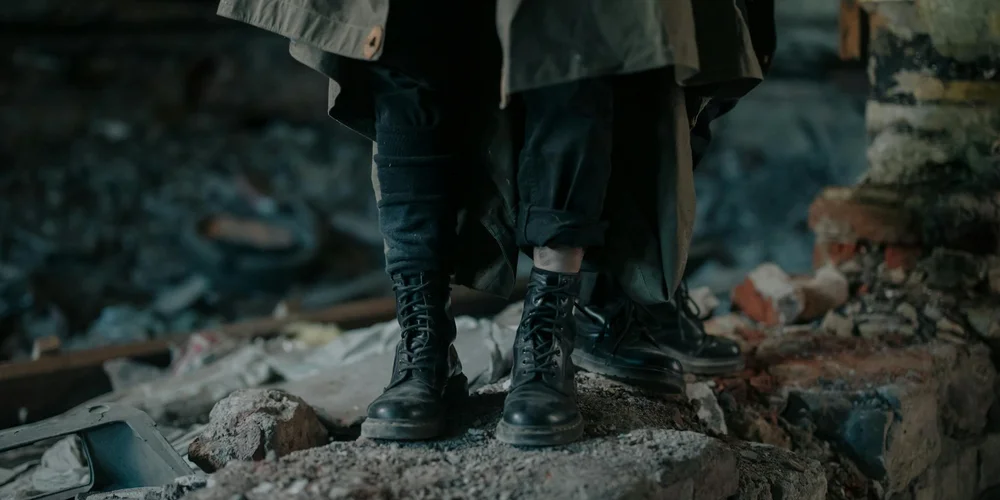
Winter styling with suede is all about smart choices and preparation. You can wear it, but you must plan for it.
Let’s clear up two common questions right away. First, are suede boots good for winter? The honest answer is: it depends on your winter. A quality suede boot with a robust sole can handle cold, dry days and light frost beautifully. My own winter suede boots, which I’ve treated well, have walked through many chilly seasons. But deep snow, slush, and constant wetness are their enemies. For those conditions, a full-grain leather or rubber boot is a safer bet.
Second, are suede bags only for winter? Not at all. A suede bag is a year-round companion. In winter, its texture adds wonderful depth to wool coats and knits. The key is rotation and protection, not relegating it to a single season.
Preparing Your Suede for the Cold
Before the first frost hits, give your chosen winter suede pieces some attention. This one afternoon of care saves weeks of worry.
- Clean First. Use a specialized suede brush or a clean, dry microfiber cloth to gently lift any surface dust or dirt from the nap. Never apply a protector to dirty suede.
- Apply a Protector. This is your most important step. In a well-ventilated area, spray a water- and stain-repellent product made for suede evenly over the entire surface. Hold the can about 6 inches away. Let it dry completely, away from heat. One coat is often enough for moderate wear.
- Choose the Right Pieces. Opt for suede items with structure. A lined suede jacket, a boot with a storm welt, or a bag with a firm frame will naturally resist moisture and hold its shape better against the elements than a very soft, unstructured item.
A common mistake is skipping the protector spray, thinking a quick wipe will suffice. Suede absorbs moisture instantly, so that barrier is non-negotiable for winter wear.
Styling to Minimize Element Exposure
How you wear suede is just as important as how you treat it. The goal is to enjoy the look while shielding the material.
- Layer Strategically. Wear your suede jacket over a long sweater or under a water-resistant shell coat if rain or snow is forecast. The shell takes the brunt of the weather, while the suede provides insulation and style.
- Mind the Hemline. For suede boots or skirts, be conscious of puddles and slush. Tucking pants into boots or choosing a shorter skirt with warm tights can prevent the suede from wicking up moisture from the ground.
- Embrace Accessories. A suede bag is perfect for dry, cold days. If the weather turns, simply tuck it inside your coat or under an umbrella. Its role is to complement your outfit, not battle a storm.
Think of suede in winter like a beautiful wool scarf. You wouldn’t drag it through a puddle, but you’d happily wear it on a crisp, clear day. With simple prep and mindful wearing, your suede pieces will transition through the colder months with grace.
Summer Suede Care: Beat the Heat and Rain
Summer puts suede through a lot. Sunshine, sudden rainstorms, and salty air from beach trips all test its soft surface. Your approach needs to be gentle and preventative. Think of suede like the nap on a velvet cushion-you want to smooth it, not scrub it raw.
How to Clean Suede in Summer
For light dirt and stains, acting fast is your best tool. The goal is to lift the grime without saturating the leather or damaging the delicate nap.
- Brush it first. Always start with a dedicated suede brush or a clean, dry microfiber cloth. Brush in one direction to lift the nap and dislodge surface dust. I do this with my suede boots, Scout, every time I wear them.
- Address stains immediately. For a fresh spill, blot-never rub-with a clean, absorbent cloth. For dried-on dirt, use a suede eraser. Gently rub the stained area until the debris rolls away.
- For a deeper clean, use a specialized suede cleaner. Apply a small amount to a clean cloth and work in gentle, circular motions on the stained area only. Let it air dry completely away from direct heat.
- Restore the nap. Once completely dry, brush the area again with your suede brush to fluff the fibers back up.
Rushing the drying process with a hairdryer or heater will stiffen and potentially shrink the leather, a mistake that’s very hard to reverse. Patience keeps the handfeel soft. That careful approach also applies to drying leather jackets and leather shoes. Find out how to dry them without damaging them.
How to Protect Suede from Summer Rain
Getting caught in a summer downpour can panic any suede owner. I’ve been there with a favorite bag. The key is calm, quick action.
- Shake off excess water immediately. Do not wipe.
- Blot gently with a super-absorbent towel like a microfiber cloth to pull moisture from the surface.
- Stuff the item with clean, dry paper or cloth to help it hold its shape as it dries. Replace the stuffing if it gets soaked.
- Let it dry naturally in a room with good airflow. Keep it away from radiators, sunlit windows, and hair dryers.
Once fully dry, the suede will likely feel stiff and look flat. This is normal and fixable. Use your suede brush vigorously over the entire area to reactivate the nap. It may take several passes, but the soft texture should return.
The best defense is a good protector spray. Choose a formula made for suede and nubuck, and apply it in a well-ventilated area before the season starts. Reapply after a heavy cleaning. It won’t make the item waterproof, but it will buy you precious minutes to find shelter when the skies open.
How to Prevent Suede from Drying Out in Summer
Heat and UV rays are sneaky threats. They don’t leave a visible stain, but they slowly bake the natural oils out of the leather, leaving it brittle and prone to cracking. Think of how sun-dried clay shrinks and splits. They are even more damaging when combined with humidity and other environmental factors.
Direct sunlight is your suede’s biggest summer enemy. Never leave it in a hot car, on a sunny patio chair, or to dry on a windowsill. Store items in a cool, dark closet when not in use.
Unlike smooth leathers, you should not condition suede with oils or creams. These will clog the pores and mat the nap. Your protection comes from smart storage and avoiding extreme heat sources. If your suede does become excessively dry and stiff, consulting a professional restorer is the safest next step.
Winter Suede Care: Fight Salt and Moisture
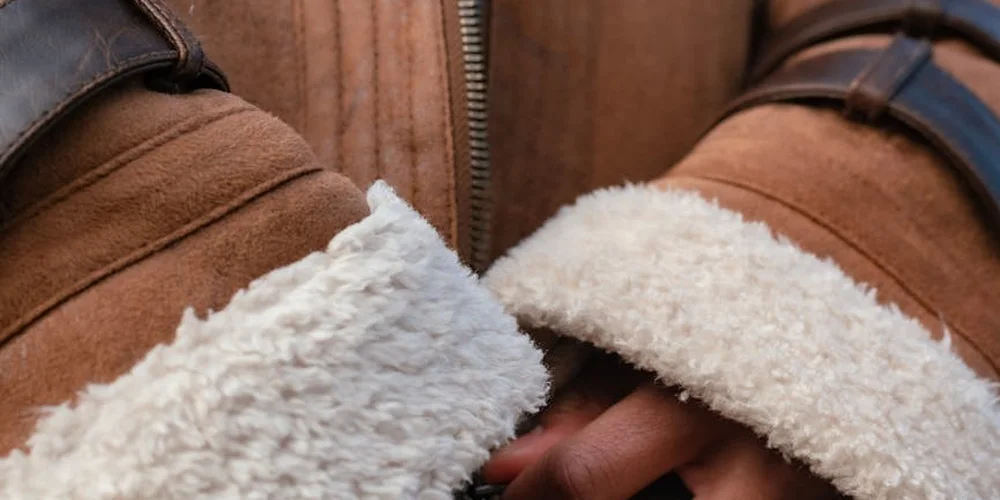
Winter turns sidewalks into a minefield for suede. I think of my old suede chukka boots, a pair I loved for years until a harsh season left them stiff and stained. Salt and slush don’t just look bad. They pull moisture from the leather and leave behind crystals that cut into the fibers like tiny blades.
How to Clean Suede in Winter
Act fast. Salt stains set quickly. For fresh slush or a salt sprinkle, your first move is simple.
- Let the item dry completely at room temperature, away from direct heat. Rushing this with a hairdryer will bake the salt and moisture deep into the leather.
- Once dry, take a soft-bristled suede brush. Brush the nap gently in one direction to lift the dried residue. You’ll see a cloud of white powder come off.
For stubborn salt rings, you need to reintroduce moisture to dissolve the crystals safely. Dampen a clean, white cloth with cool water-wring it out so it’s barely moist. Gently dab (don’t rub) the stained area. Then, use your suede brush again as it dries to restore the nap. For set-in stains, a dedicated suede cleaner or a white vinegar solution (one part vinegar to three parts water) applied with a cloth can help. Always test any cleaner on a hidden seam first. These techniques also apply to removing salt stains and snow damage from suede or faux suede boots.
How to Protect Suede from Winter Salt and Slush
Defense is better than repair. The best strategy has two parts: a barrier before you go out, and a routine when you come in.
Pre-treatment is your invisible shield. Apply a water-and-stain repellent spray made for suede. Do this when the item is new and clean, and reapply every few months during wet seasons. Hold the can about six inches away and spray in a steady, even motion. Let it dry fully for a day.
Your daily habit is just as important: a quick wipe-down prevents long-term damage. Keep a soft, dry microfiber cloth by the door. When you come inside, gently blot any wet spots on your suede boots or bag. Then, give them a gentle brush with a suede brush to keep the nap standing up and free of debris. This two-minute routine makes deep cleans far less frequent.
How to Prevent Suede from Cracking in Winter
Cracking happens when suede loses its natural oils and dries out completely. Indoor heating and wet-dry cycles are the main culprits. Conditioning smooth leather like June’s jacket is straightforward, but suede is different. You can’t slather on a heavy conditioner; it will mat the nap and create dark spots.
Your focus should be on controlled drying and gentle nourishment. Never place wet suede near a radiator or fireplace. The intense, dry heat sucks out moisture too fast, causing the fibers to contract and crack. Let it air dry slowly in a cool, well-ventilated room.
If your suede feels unusually stiff and dry after a season of wear, a light suede conditioner or refresher spray can help restore suppleness. These are formulated to moisturize without clogging the surface. Apply sparingly, following the product instructions, and always allow for extended drying time. For most items, keeping them clean, protected, and away from extreme heat is enough to maintain their flexibility for years.
How to Store Suede Between Seasons
Whether you’re tucking away a summer suede bag in fall or boxing up winter suede boots for spring, the core rules are the same. Suede doesn’t like extreme changes. Heat can dry and crack the delicate nap, while cold, damp air invites mildew. The goal is to create a stable, peaceful environment for your item to rest.
Think of seasonal storage as putting your suede into a gentle hibernation; you want it to wake up looking just as good as when it went to sleep.
The Essential Pre-Storage Clean
Never store suede dirty. Dust, salt, and oils left on the surface can set in and become permanent stains or attract pests. This step is non-negotiable for both summer and winter gear.
- Give the entire item a thorough brushing with a clean, soft-bristle suede brush. Brush in one direction to lift the nap and dislodge surface dirt.
- For any stains or overall grime, use a specialized, neutral suede cleaner. Always test it on a small, hidden area first.
- Allow the item to dry completely, away from direct heat or sunlight. Air drying in a room-temperature space is best.
My own suede jacket, June, gets this treatment every time she goes into storage. A few minutes of care prevents a world of frustration later.
Choosing the Right Storage Space and Materials
Where and how you store your suede is just as critical as cleaning it. The wrong choice can undo all your good work.
Plastic bags are the enemy of suede storage because they trap moisture and prevent the leather from breathing, creating a perfect habitat for mold. Instead, use a breathable fabric garment bag or a plain cotton pillowcase. This allows air circulation while keeping dust off.
Find a cool, dry, and dark place. A closet in a climate-controlled room is ideal. Avoid attics (too hot and variable) and basements (often damp). Make sure the spot is free from direct sunlight, which will fade the color over time.
Final Steps for Safe Keeping
Before you place your item in its breathable bag, give it some support. Stuff bags and shoes with acid-free tissue paper or clean, white cotton towels. This helps them maintain their shape and prevents deep creases from forming.
Finally, do a quick check every few months. A quick visual inspection lets you catch any potential issues early, like unexpected humidity changes in the storage area. A little attention goes a long way in preserving the soft hand and rich color of your suede for years of seasonal use.
Your Suede Care Toolkit: Brushes, Erasers, and Sprays
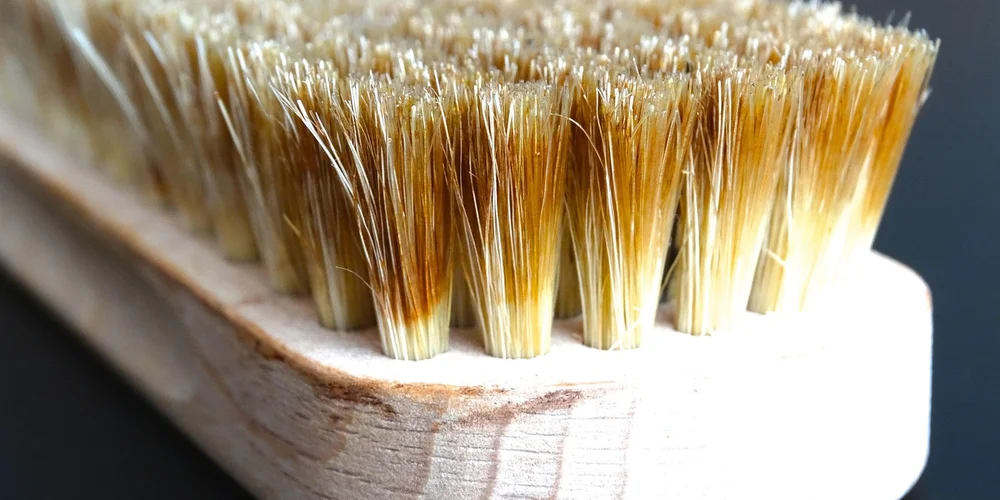
Think of suede like velvet or a very short, dense carpet. That soft surface is called the nap. Care is all about gently lifting and grooming that nap without mashing it down. With the right three tools, you can handle most everyday issues.
How to Brush Suede Correctly
A suede brush is not a scrub brush. The bristles are usually made of brass or nylon and are designed for grooming, not aggression. I keep one in my desk drawer for quick touch-ups on Scout, my wallet, when it picks up pocket lint.
The key is to always brush with the grain of the nap, not against it. You can find the grain by gently stroking the surface with your finger; one direction will feel smoother than the other. Brushing against the grain can permanently mat the fibers.
- Hold the item firmly or lay it on a clean surface.
- Using light pressure, brush in one smooth, consistent direction following the nap.
- For stubborn flattened areas, like where a bag strap rests, you can use slightly more pressure or a brass-bristle brush, but always stick to the grain.
This simple step after each wear lifts dust and restores the velvety texture. It is your first and best defense against a tired-looking finish.
How to Use a Suede Eraser for Spots
A suede eraser is a gentle abrasive block. It works like a pencil eraser on paper, lifting away surface grime and scuff marks by friction. It is perfect for those light-colored scuffs on a tan suede shoe or a dusty mark on a bag.
Common mistake: people rub too hard and create a shiny, bald spot. The goal is to lightly buff the mark away, not erase the leather itself.
- First, brush the area thoroughly with your suede brush to remove loose dirt.
- Gently rub the eraser back and forth over the spot or scuff. Use short, light strokes.
- After erasing, brush the area again vigorously with your suede brush to restore the nap and remove any eraser crumbs.
If the mark is still visible after this, it may be a deeper stain that needs a specialized cleaner. The eraser is for surface-level issues only.
How to Apply Protector and Handle Stains
A protector spray is your suede’s raincoat. It does not make it fully waterproof, but it causes water to bead up and roll off, giving you precious time to blot a spill before it soaks in. I treat my pieces like June, my jacket, with this every season.
An even, light coat is better than a heavy, drippy one that can darken the leather unevenly.
- Work in a well-ventilated area. Ensure the suede is clean and dry.
- Hold the can about 6 inches away from the surface. Spray using a steady, sweeping motion, slightly overlapping your passes. Cover the entire item with a misty layer.
- Let it dry completely, which usually takes an hour or two. For full protection, apply a second light coat after the first is dry.
For stains, your toolkit works together. For a fresh water spot, simply let it air dry away from direct heat, then brush the nap. For oil or a dark spill, immediately blot (do not rub) with a clean, absorbent cloth to lift as much as possible. Once dry, try the eraser technique. For persistent stains, a dedicated suede cleaner applied with a soft cloth, working in a circular motion from the outside in, is the next step. Always re-apply your protector spray after any cleaning. Different stains on suede respond to different treatments. In the next steps, we’ll show how to remove various stains from suede material.
Step-by-Step Care for Suede Jackets, Bags, and Shoes
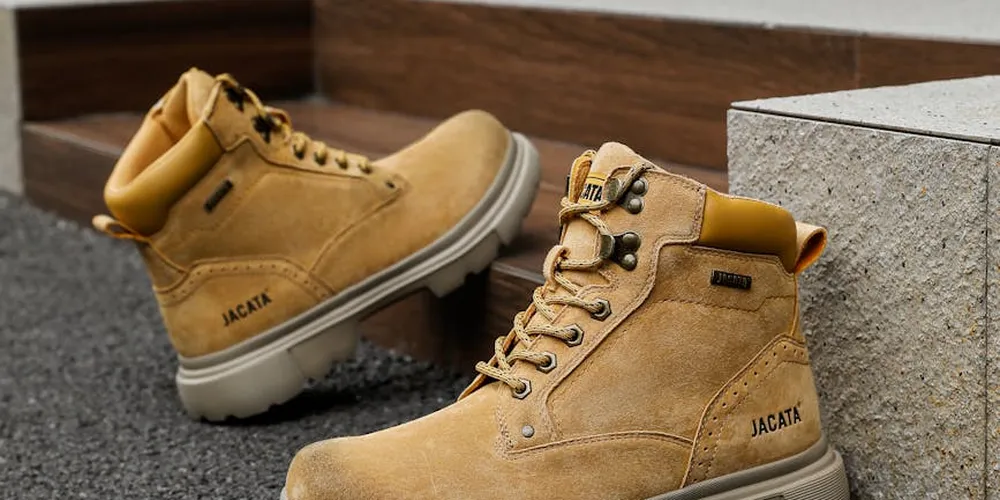
Think of suede’s soft nap like the blades of a healthy lawn. You wouldn’t mow it when it’s soaked or covered in mud. You gently brush it when it’s dry. That’s the golden rule for all suede care: always start dry. The routines below follow that principle, adjusting for where your item gets the most wear.
How to Care for Suede Jackets and Apparel
Your suede jacket, like my jacket June, is all about surface area. It brushes against seats, catches splashes, and absorbs skin oils at the cuffs and collar. The goal is to maintain an even nap and prevent permanent stains.
For a basic, post-wear refresh, a dry brush is your best friend. Always brush in one direction to lift the nap and smooth out light scuffs. Do this every few wears to keep it looking fresh.
Post-Summer Cleaning Checkpoint
After a season of wear, your jacket needs more than a brush. Sunscreen, sweat, and dust build up.
- Hang the jacket in a well-ventilated area and brush the entire surface thoroughly.
- For oily marks (like from sunscreen), use a dry suede eraser. Gently rub the mark until it lifts.
- If the entire jacket feels grimy, use a specialized suede cleaner. Apply it with a clean, damp cloth, working in small circles. Let it dry completely away from direct heat.
- Once bone-dry, brush the entire jacket again to restore the uniform, velvety texture.
Pre-Winter Protection Checkpoint
Before the cold weather hits, your priority is water resistance. Think of this like applying a protective coat before a rainy season.
- Ensure the jacket is impeccably clean and dry from your post-summer care.
- In a well-ventilated space, apply a spray-on suede protector from about 6 inches away. Use even, sweeping motions.
- Let the jacket dry fully. I often do this the day before I plan to wear it in uncertain weather. This barrier won’t make it waterproof, but it will cause water to bead up and roll off, giving you time to blot it dry.
How to Care for Suede Bags
A suede bag has stress points similar to a shoe’s sole, but on its sides. The corners, the base, and where the strap attaches get constant friction and pressure. This can mat the nap down permanently if not addressed.
Focus your care on these high-contact zones to prevent premature aging. Brush these spots gently after each use to prevent dirt from grinding in.
Post-Summer Cleaning Checkpoint
Summer outings mean setting your bag on outdoor surfaces, leading to dirt on the bottom and stains from spills.
- Empty the bag completely and gently tap it to dislodge any crumbs or grit inside.
- Pay special attention to the base and corners. Brush them diligently with a suede brush.
- For color transfer (like from dark denim rubbing against a light bag), a suede eraser can often lift the dye.
- If the interior is lined, check for spills and spot-clean the lining according to its material care instructions.
Pre-Winter Protection Checkpoint
Winter care for a bag is about repelling rain and salt. The pre-winter spray is just as critical here as it is for a jacket.
- After a thorough post-summer clean, apply suede protector spray over the entire exterior, ensuring you cover the base and straps.
- Consider treating the inside of the strap if it’s also suede, as it will rest on your winter coat.
- If you live in an area with sidewalk salt, be extra vigilant. Salt is suede’s enemy. If you get splashed, let the bag dry and then brush the area immediately to break up any residue.
How to Care for Suede Footwear
Suede shoes and boots take the most direct punishment. Like the soles of your feet, they need specific support where impact happens. The care difference between seasons is stark, moving from sweat management to a full-on defense against moisture and salt. Properly waterproofing suede and faux suede shoes or boots helps shield them from rain stains. This simple care step can extend their life and keep their look intact through wet seasons.
Winter salt can ruin suede faster than almost anything else; immediate, dry cleaning is non-negotiable.
Post-Summer Cleaning Checkpoint
Summer wear means sweat, dust, and dirt. The goal is to deep clean and let the leather recover.
- Remove the laces and clean them separately.
- Use a stiff suede brush to knock off all dried mud and dirt. A brass-bristle brush is excellent for this first pass on durable soles and edges.
- For stains, use a suede eraser. For overall grime, use a suede cleaner and a small brush, following the product instructions.
- Stuff the shoes with paper to help them hold their shape as they dry naturally for 24 hours.
- Once dry, give them a final brush to fluff the nap.
Pre-Winter Protection Checkpoint
This is your boot’s armor application. Do not skip this step.
- After the post-summer clean, ensure boots are 100% dry.
- Apply a heavy-duty suede and nubuck waterproofing spray. Coat the entire shoe, paying extra attention to the sole welt (where the upper meets the sole) and the toe cap.
- Allow them to dry completely. For heavy winter boots, a second light coat can be applied.
- If you walk in salted areas, the moment you come inside, brush the boots dry with a soft brush. This prevents the salt from dissolving and being absorbed. For salt stains, a mixture of equal parts white vinegar and water dabbed on the stain can help neutralize it. Always let it dry and brush afterwards.
Common Questions
What’s the main difference between storing suede in summer versus winter?
The principle is the same: clean, dry, and in a breathable bag. The seasonal focus shifts-guard against summer’s humidity and winter’s dryness by ensuring your storage space is consistently cool and moisture-controlled.
How do I stop my summer suede from getting stiff and dry?
Never let it bake in direct sun or dry near a heat source. Your best prevention is proper storage in a cool, dark place, as applying traditional conditioners will ruin the nap.
My winter suede feels stiff; is it already cracked?
Not necessarily. Cracking is permanent damage from severe dryness. Stiffness can often be remedied by using a product made specifically for refreshing suede’s moisture, applied sparingly after a thorough cleaning.
What’s the one immediate thing I should do for my suede bag after a day out?
Give it a quick, dry brush, focusing on the corners and base where dirt grinds in. This regular habit prevents debris from becoming a permanent, matted stain.
Can I use the same protector spray on all my suede items?
Yes, but ensure it’s formulated for suede and nubuck. Always apply to a clean, dry surface in a well-ventilated area for an even, protective barrier.
Keeping Your Suede Year-Round
The most important thing is to make a habit of brushing and using a protectant spray. This simple routine is your best defense against salt, sweat, and summer rain.
Mindful maintenance is a sustainable practice, allowing your suede items to last for seasons. Building your care skills honors the material and the craft behind every piece.
Expert Resources and Citations
- Care Guide | Suede | MORJAS
- Can You Wear Suede in the Summer?
- How to Protect Suede Shoes During Winter | Love Your Leather
- Can You Wear Suede Shoes In The Summer? Yes, and How?
Harriet is a avid collector of leather goods such as purses, bags, seat covers, etc and has an extensive background in leather care, recovery, stain removal and restoration. She has worked for a number of years perfecting her leather care techniques and knows the ins and outs of restoring all kinds and types of leather products. With her first hand knowledge in leather care, you can not go wrong listening to her advice.
Suede and Nubuck Care