
How Do Water, Rain, and Alcohol Shrink, Damage, and Stain Leather?
Published on: April 8, 2026 | Last Updated: April 8, 2026
Written By: Harriet Nicholson
Hello Tannery Talk. That sudden splash on your boot or a spilled drink on the sofa can make your heart sink, and I understand why.
Let’s look at what happens inside the leather. We will cover how water triggers shrinkage at a cellular level, why alcohol breaks down leather’s natural oils, and the way rain leads to deep, set-in stains.
Having conditioned everything from rain-soaked saddles to bar-stool jackets, I’ve seen how these elements interact with leather’s unique structure.
Why Leather Shrinks and Gets Stiff: The Science of Wet Fibers
Think of a piece of quality leather, like the hide on my old saddle Mason, as a dense network of fibers. These fibers are bound together by natural oils and tannins. It’s not a solid sheet, it’s more like a complex, tightly woven rope that’s been treated to be supple and strong.
When water soaks in, those fibers absorb it and swell. Imagine that tightly woven rope getting soggy and bloated. The fibers push against each other, distorting the material’s natural shape.
The real damage happens during drying, especially if it’s forced with high heat. As the water evaporates, the swollen fibers contract. Without the original oils to lubricate them, they pull tighter than before and can bind together, leaving the leather shrunken, stiff, and brittle. A damp sponge left on a radiator dries into a hard, shrunken lump, and leather reacts in a similar way.
So, does leather shrink? Yes, absolutely. Can leather boots shrink? They can, and heat is a major culprit. Placing wet boots by a fireplace or in direct sun forces rapid, uneven drying, which pulls and tightens the fibers aggressively. This directly answers “do leather boots shrink in heat?” with a firm yes.

The fix is all about managing moisture to prevent further damage. You must dry leather slowly, at room temperature, away from direct heat sources. Stuff boots with crumpled paper to help them keep their shape as they dry naturally. This method is particularly important when trying to fix peeling leather on shoes, boots, and furniture.
This stiff, shrunken state is the exact opposite of what a good conditioner provides. A quality leather conditioner replenishes the oils and fats that keep fibers supple and separate. It’s like giving that woven rope a fresh coat of lubricant so it can flex and move without binding. Regular conditioning, as I do for June my jacket, builds resilience so the fibers have a buffer against water’s harsh effects.
How Plain Water and Rain Create Different Kinds of Trouble
A spill from a clean glass of water on your desk and a walk through a spring shower pose very different risks to your bag or boots.
Rain is rarely just water. It carries dissolved minerals from the air and environment. When a raindrop lands on leather and evaporates, those minerals are left behind as a faint, chalky ring. This is “water spotting.”
Can water stain leather? Yes, mineral deposits from water, especially rain or hard tap water, are a primary cause of permanent light-colored stains on leather. These stains can be tricky to remove, especially on leather upholstery. The stain isn’t from the water itself, but from the residue it leaves.
Here’s a simple fix if you act fast. If you get caught in the rain:
- Blot the leather gently with a soft, absorbent cloth. Do not rub.
- Let it air dry naturally, away from heat, for a full 24 hours.
- Once completely dry, gently brush the area with a soft horsehair brush. This can often lift the dried mineral residue away.
- Follow up with a light application of conditioner to restore moisture balance to the fibers.
A common mistake is trying to wipe a large wet area aggressively, which can spread the minerals and water deeper into the leather’s pores. Understanding the science of leather porosity helps explain why some stains sink deeper. That insight guides gentler, more effective cleaning approaches.
Beyond staining, damp leather creates a perfect home for mold and mildew. This fuzzy growth loves the dark, moist environment in seams, stitching holes, and between layers of leather. Once mold takes hold, it can cause permanent damage and a musty odor.
Does leather ruin in rain? Not from a single, properly managed exposure. My wallet Scout has seen his share of drizzle. The real ruin comes from prolonged, repeated saturation followed by neglect, letting moisture fester and break down the fibers from within. Leather can be naturally water resistant with proper care. Keep that protection up with simple steps like conditioning and light sealing after wet exposure. Consistent, gentle care after any wet exposure is what preserves leather for decades, letting pieces like Mason and June develop a beautiful, resilient patina from their adventures.
The Harsh Truth About Alcohol and Leather
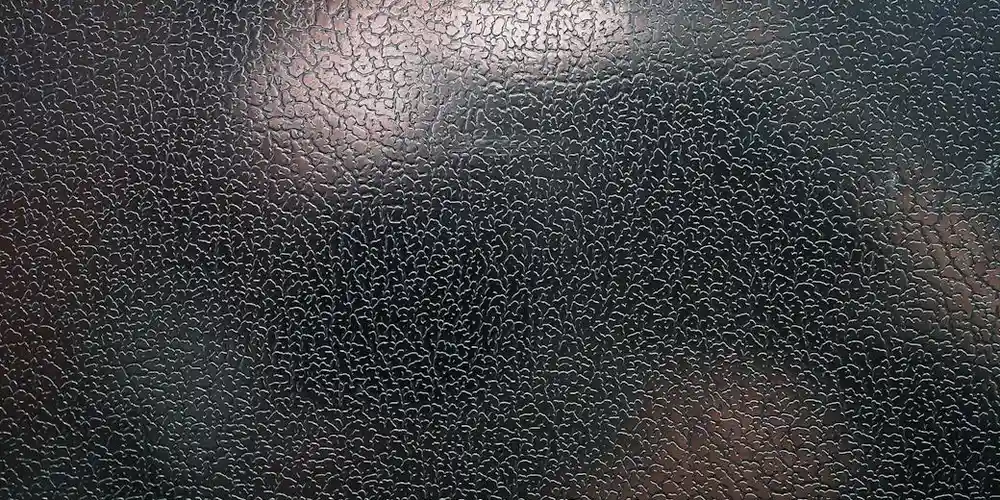
Think of alcohol not as a liquid, but as a solvent. Water soaks in, but alcohol actively dissolves.
It strips the natural and applied oils from leather far faster than water, leaving the fibers unprotected and desperate for moisture. The result is not just a wet spot. It is leather that becomes stiff, brittle, and prone to cracking. It can lose its supple handfeel and turn cardboard-like. Understanding the science behind leather conditioning—how oils and waxes penetrate and protect the hide—explains why this happens. Proper conditioning can restore moisture and flexibility.
Yes, alcohol damages leather. A small spill from a drink or a few drops of hand sanitizer can ruin the finish and dry out the hide. Common sources are everywhere now: perfumes, cleaning sprays, and that quick pump of sanitizer before you grab your bag.
All leathers are at risk, but unfinished ones are the most vulnerable. An aniline leather, like my jacket June, has no protective topcoat. A spill soaks right in and starts breaking things down immediately. A protected or corrected-grain leather might buy you a few more seconds to wipe it away, but the threat is the same.
Your First Response: A Step-by-Step Damage Control Guide
Accidents happen. Your first move is calm, immediate action. Do not panic. Follow these steps.
- Blot, never rub. For any liquid-rainwater, a spilled drink, sanitizer-press a clean, absorbent cloth (like a microfiber or cotton towel) directly onto the stain. Lift straight up. Rubbing will grind the substance deeper into the leather’s pores and can damage the grain.
- For plain rainwater or surface moisture, a gentle wipe with a dry towel is often enough. You just want to remove the standing water.
- Air dry at room temperature, away from all heat sources. Never use a hairdryer, radiator, or place it in direct sun. The heat will bake the leather, causing it to shrink and harden irreversibly. For a bag or a pair of shoes, stuff the interior loosely with plain newspaper or clean paper towels. This helps absorb internal moisture and holds the item’s shape as it dries.
- This is the patience test. Let the item dry completely. This can take 24 to 48 hours. Leather water damage repair truly begins only after the piece is bone-dry throughout. Trying to condition or treat damp leather will trap moisture and can lead to mold.
- Assess the damage. Once fully dry, feel the area. Is it stiff? Is there a discolored ring or a sticky residue? The stiffness tells you oils were lost. The stain or residue tells you what was left behind.
For my saddle Mason, getting caught in a downpour means a thorough blot, stuffing the sweat flaps with paper, and a two-day wait in the tack room before I even think about conditioning. The wait is always worth it.
Repairing the Damage: From Stains to Shrinkage
Accidents happen. You’re caught in a downpour, a drink tips over, or you clean a spill with the wrong solution. Now what? Let’s fix it.
Removing Stains and Restoring Softness
A water ring or alcohol mark on your favorite bag isn’t the end. The key is a gentle, two-step process: clean, then condition.
Start with a soft, dry cloth to blot away any standing liquid. For a fresh water stain, sometimes that’s all it needs once it dries. For a dried mineral stain or a sticky spot, you need a cleaner.
Use a dedicated, pH-balanced leather cleaner or a saddle soap diluted with water on a damp cloth. Work in small circles over the stain, never soaking the leather. I always test this on a hidden seam first, like inside a jacket cuff or under a bag flap, especially when trying to remove stubborn stains from leather surfaces.
For saltwater damage, you must act fast. Salt is corrosive. Rinse the area immediately with a cloth dampened in clean, cool water to dilute the salt, then dry it gently.
Let the piece dry naturally, away from direct heat. You might see a faint stain ring or feel stiffness. This is normal. The leather’s natural oils have been washed out or displaced.
Conditioning is not a suggestion here, it is the essential second act to replace the lost oils and prevent cracking. This is how I prevent my leather items from cracking and drying out, keeping them supple over time. Regular conditioning helps stop dryness and cracking before it starts. Once the leather is completely dry to the touch, apply a quality conditioner. Use your fingers to massage a small amount into the affected area and the surrounding leather. Let it soak in overnight.
For water damaged leather shoes, this clean-and-condition routine can often revive them. If the stain is very stubborn, repeating the process once more after the first conditioning can help. However, it is always better to prevent damage in the first place by taking proper care of your leather boots and shoes, especially by protecting them from scratches, salt stains, and water damage.
Addressing Stiffness and Minor Shrinkage
When leather dries out completely, the fibers tighten and bind. This causes that stiff, cardboard-like feel and can lead to minor shrinkage. Your goal is to relax those fibers with moisture and motion.
First, ensure the leather is thoroughly conditioned. The oils and fats in the conditioner lubricate the fibers, making them pliable again.
Then, begin to gently work the leather with your hands. Knead it slowly. Bend it back and forth. Flex the seams. Think of it like waking up stiff muscles with careful stretching. My saddle, Mason, needs this every spring after a dry winter in storage.
For items meant to mold to your body, the best tool is you. After conditioning a stiff pair of gloves or water damaged shoes, wear them around the house. The gentle warmth and movement from your hands or feet will help the leather relax into its proper shape again.
Be patient. Severe shrinkage, deep cracks, or leather that feels brittle are warning signs. For a treasured jacket like June or valuable water damaged leather seats in a car, this is the moment to consult a professional restorer. They have the tools and expertise to rehydrate leather more aggressively without risking further damage.
How to Protect Your Leather From Future Spills and Storms
Fixing damage is good. Preventing it is easier. Think of leather care like skincare, a simple routine that builds resilience over time.
The first line of defense is a protectant. A quality leather protector spray creates a sacrificial barrier on the surface. It repels water and oil-based liquids, giving you precious time to wipe a spill away before it soaks in. Always test the spray on a small, hidden area first to ensure it doesn’t darken the leather.
True protection comes from within. Regular conditioning, every 6 to 12 months depending on use, keeps the leather’s own fibers supple and strong. A well-nourished piece, like my wallet Scout, naturally resists water absorption and is less prone to permanent staining.
Build smart habits. Keep a soft microfiber cloth handy. After a rainy walk, give your bag or boots a quick wipe down. Use coasters. Think of your leather furniture as you would a wood table, a surface to be mindful of.
With this simple plan, your leather isn’t fragile. It’s prepared. It can develop a beautiful history of honest wear without falling apart from a little rain or a spilled drink. You give it the care, and it will handle life’s accidents for years to come.
Quick Answers
My leather car seats got soaked from a window left open in the rain. What’s my immediate plan?
Blot, stuff, and air dry. Immediately blot all moisture with a dry towel, stuff the seat cushions with dry towels to absorb water from within, and let the car air out with windows down-never use the car’s heater to speed things up.
How is saltwater damage different, and why is it such an emergency?
Salt is corrosive and actively draws moisture out, causing rapid stiffness and cracking. You must rinse the salt off immediately with a damp cloth using clean, cool water, then dry and condition the leather thoroughly.
I found mold on a water-damaged leather glove. Is it salvageable?
Possibly, if caught early. Gently brush the mold off outdoors, clean the area with a diluted leather cleaner, and let it dry completely in a well-ventilated area before a heavy conditioning.
Can I condition leather while it’s still damp to prevent stiffness?
Absolutely not. Conditioning damp leather traps moisture inside, leading to mold and further fiber damage. Repair begins only after the leather is completely dry to the touch, especially considering the humidity and temperature in the environment.
The article says to dry things slowly. What about a treasured pair of soaked leather boots?
Stuff them firmly with crumpled newspaper, replace the paper every few hours, and let them dry at room temperature for at least 48 hours. Keep them away from radiators, which guarantees shrinkage.
Keeping Your Leather Dry and Durable
Your best move is to shield leather from heavy moisture and alcohol, and act fast if it gets wet. I treat my own gear this way-a gentle dry and timely conditioner keeps pieces like Mason flexible and June’s jacket from stiffening up.
Caring for leather well shows respect for the animal and the craft, making each item last longer. Stay curious about maintenance; those small skills add up to a lifetime of reliable use.
Deep Dive: Further Reading
- Can You Safely Shrink Leather? Find Out Now at LeatherNeo
- Way to Shrink Leather Our Informative Guide – Vintage Leather Sydney
- Leather Wear and Tear: When Leather Gets Wet Does it Stain? – MAHI Leather
Harriet is a avid collector of leather goods such as purses, bags, seat covers, etc and has an extensive background in leather care, recovery, stain removal and restoration. She has worked for a number of years perfecting her leather care techniques and knows the ins and outs of restoring all kinds and types of leather products. With her first hand knowledge in leather care, you can not go wrong listening to her advice.
Drying Leather Correctly