How to Remove Grease Stains from Leather Furniture, Jackets, and Accessories
Published on: June 21, 2026 | Last Updated: June 21, 2026
Written By: Harriet Nicholson
Hello Tannery Talk. Seeing a grease stain on your leather can make your heart sink, but please don’t panic. I’m here to help you fix it.
We will cover how to safely blot fresh grease, select a gentle cleaner for your specific leather, work the stain out without damaging the surface, and nourish the area after cleaning.
My advice comes from years at the workbench, regularly caring for pieces from my worn-in jacket June to my dependable saddle Mason.
The First Thing You Should Do When You Spot the Stain
Seeing a grease stain on leather feels like a sudden chill. Your instinct might be to scrub it away. Resist that urge. Immediate action is key, but it must be passive-blotting, not rubbing, is your best friend here. I remember a moment with June, my leather jacket, when a dab of hand cream left a mark. Panic didn’t help; a calm blot did.
Follow these steps right away:
- Find a clean, dry, absorbent cloth. Microfiber or plain cotton works perfectly.
- Gently press the cloth onto the stain. Hold it there for a few seconds to soak up the oil. Do not rub back and forth.
- If the grease is thick and sticky, like butter or bacon fat, you can lift it off. Use the straight edge of a credit card. Carefully scrape it across the surface to collect the bulk without scratching.
Why is rubbing so bad? Rubbing grinds the grease deeper into the leather’s grain. It pushes the oil into the tiny pores, making the stain permanent. Blotting lifts it out. Think of it like soaking up a spill on a wooden table versus wiping it in.
After this, the stain might look lighter or fainter. That’s good. You’ve removed the surface grease, but some may still be inside the leather.
Choosing Your Method: It Depends on Your Leather’s Finish
This choice is the most critical part of the process. Using the wrong method can damage your leather’s finish, changing its color and texture forever. I’ve seen it happen when a friend tried to clean a nubuck bag with a furniture spray.
Leather finishes fall into two broad categories for stain removal:
- Delicate, porous leather: This includes aniline, nubuck, and suede. These leathers have no protective top layer. They feel soft and absorb liquids like a sponge. Aniline leather shows natural markings, similar to wood grain.
- Protected leather: This includes pigmented, semi-aniline, and most leather furniture. These have a coating that resists stains, like a waxed jacket repels rain. They often have a consistent color and slight sheen.
Here is the simple rule I live by. For delicate leathers, use only dry, absorbent powders. For protected leathers, you can use mild, pH-balanced leather cleaners. Curious how saddle soap stacks up against pH-balanced cleaners for your leather? It’s a natural next step to figure out which option serves your leather best.
Not sure which you have? First, check the care tag inside your jacket or under your furniture cushion. If there’s no tag, always do a spot test in a hidden area. Try the inside of a seam or the back of a cushion.
For a spot test, dab a little of your chosen cleaner or powder on an unseen spot. Wait 15 minutes. Look for color changes or texture shifts. If all looks well, proceed.
Method for Delicate Leathers: Dry Absorption
Since water can stain these leathers, we use powders to pull grease out. Cornstarch or plain talcum powder works well for removing grease stains from leather.
- Sprinkle a thick layer of powder over the stain. Cover it completely.
- Let it sit for at least 4 hours, or overnight. The powder will slowly absorb the grease.
- Gently brush off the powder with a soft-bristled brush, like a suede brush. Use light strokes.
- If a shadow remains, repeat the process. Patience gives the best results.
I used this on a suede keychain once. It took two rounds, but the stain vanished without a trace.
Method for Protected Leathers: Gentle Cleaning
These leathers can handle a bit of moisture. Use a mild, pH-balanced leather cleaner-avoid household soaps or all-purpose sprays, especially when caring for leather in high humidity. This ensures its durability and appearance over time.
- Dampen a soft cloth with water and wring it out until it’s just moist.
- Add a small drop of leather cleaner to the cloth. Rub it into a lather.
- Gently wipe the stained area in small circles. Do not soak the leather.
- Use a dry part of the cloth to blot away any leftover moisture and cleaner residue.
- Let the leather air dry completely, away from direct heat or sunlight. This usually takes an hour or two.
After cleaning, I always apply a light leather conditioner. This restores moisture and keeps the leather supple. My saddle, Mason, gets this treatment to maintain its deep chestnut color. These steps reflect the best general methods for caring and treating leather items. They help ensure nourishment and protection for other gear as well.
A common mistake is using too much cleaner or rubbing too hard. Less product and gentle pressure prevent damage and preserve your leather’s finish for years. That’s why repairing peeling and cracking matters for preventing future damage and maintaining durability. Addressing these signs early helps your leather stay resilient over time.
How to Remove Fresh Grease from Protected Leather (Like Most Sofas and Jackets)
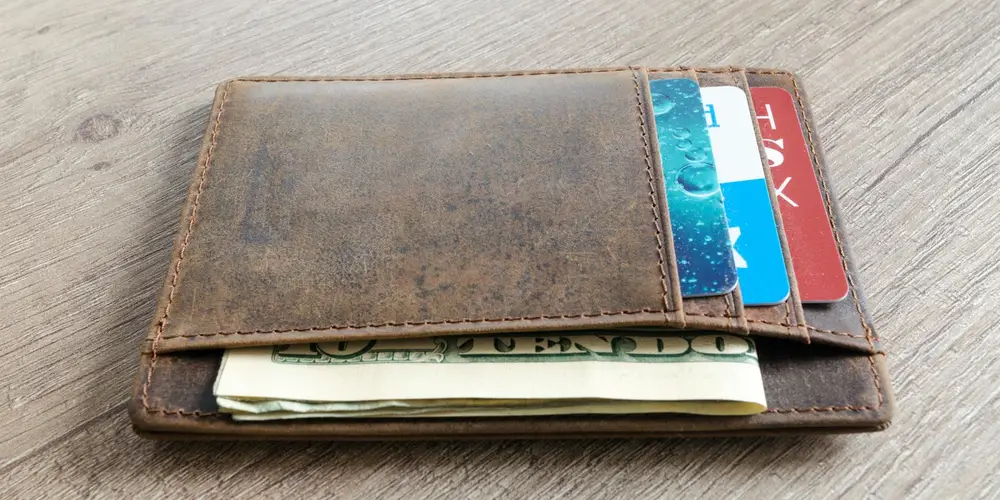
When my jacket June gets a fresh splash of cooking oil, I don’t panic. Most furniture and jackets have a protective finish that gives you time to act. This method pulls oil out before it sets.
- Apply a dry absorbent. Blot up any excess grease with a paper towel. Then, cover the stain completely with a thick layer of cornstarch, baking soda, or talc-free baby powder. The powder acts like a sponge, drawing the oil up and out of the leather’s pores.
- Let it sit. Patience is your best tool here. Leave the powder on for at least 8 hours, or overnight. For a thicker spill, give it a full 24 hours.
- Brush and assess. Use a soft, dry brush (a clean makeup or shoe brush works) to remove all the powder. You will likely see a big improvement. If a faint stain or dark spot remains, move to a gentle clean. Mix one drop of clear, mild dish soap with a cup of lukewarm water. Dab this solution onto a clean, white cloth until it is just damp, not wet.
- Clean gently. Wipe the stained area with the damp, soapy cloth using small circular motions. Do not soak the leather. Immediately follow with a rinse cloth, dampened with plain water, to remove any soapy residue.
- Dry and condition. Let the area air dry naturally, away from radiators or direct sun. Once completely dry, the leather will feel thirsty. Conditioning right after cleaning is non-negotiable; the cleaning process strips natural oils, and you must replace that moisture to prevent the leather from drying out and cracking. Apply a small amount of a quality leather conditioner to the area, buffing it in gently.
This process works for the same reason it does on June. That protective topcoat lets you clean the surface without damaging the hide underneath, as long as you rehydrate it after.
Caring for Delicate Leathers and Getting Rid of Old, Set-In Stains
Not all leather can handle soap and water. And some stains have been there a while. Here is how to handle the tricky cases.
For Suede, Nubuck, or Aniline Leather
These leathers have no protective topcoat. Water or soap will likely cause a permanent dark spot or ring. Your only safe move is the dry method.
Cover the grease spot with an absorbent powder just like in Step 1 above. Let it sit for 24 hours. Brush it away thoroughly. You will probably need to repeat this powder treatment two or three times over several days to pull most of the oil out.
After the final treatment, use a suede brush or a clean, dry towel to gently brush and restore the raised nap of the leather. The goal is to blend the treated area back into the rest of the material. Conditioning these leathers is specialist work; for a spot treatment, using a very light mist of a spray-on suede conditioner can help. These steps are part of the broader care routine on how to clean, condition leather and faux leather jackets, remove stains, and restore their finish. Maintaining a consistent finish helps the jacket look newer for longer.
For Old, Set-In Stains
A grease stain that’s been on a bag or boot for weeks is a stubborn opponent. The oil has deeply penetrated. You must be even more patient.
Start with the dry powder method. Apply a thick layer and let it sit for a full 48 hours. Brush it off and assess. You will likely see some oil in the powder. Repeat. Apply fresh powder and leave it for another 48 hours. You might do this cycle four or five times over two weeks. Each time, it pulls a little more oil out.
If a shadow remains after multiple powder treatments, you can try the diluted soap method very carefully on protected leathers. For delicate leathers, the powder is your limit. An old stain may never vanish completely, but you can make it a faint memory.
When Cleaning Reveals Leather Creases
After you treat a stain, the cleaned area might look different. Creases can become more visible because the leather is clean and dry.
This happened on a bag strap I worked on. First, condition the area well to restore flexibility. Then, gently massage and reshape the leather with your hands. For a jacket like June, you can hang it on a shaped hanger and gently smooth the creased panels. Never use a heat source like a hair dryer or clothing iron, as direct heat will bake the leather and cause irreversible damage, making it brittle. With consistent, gentle conditioning over time, natural creases will soften and blend into the item’s character.
Special Cases: Grease on Shoes, Bags, and Your Car’s Seats
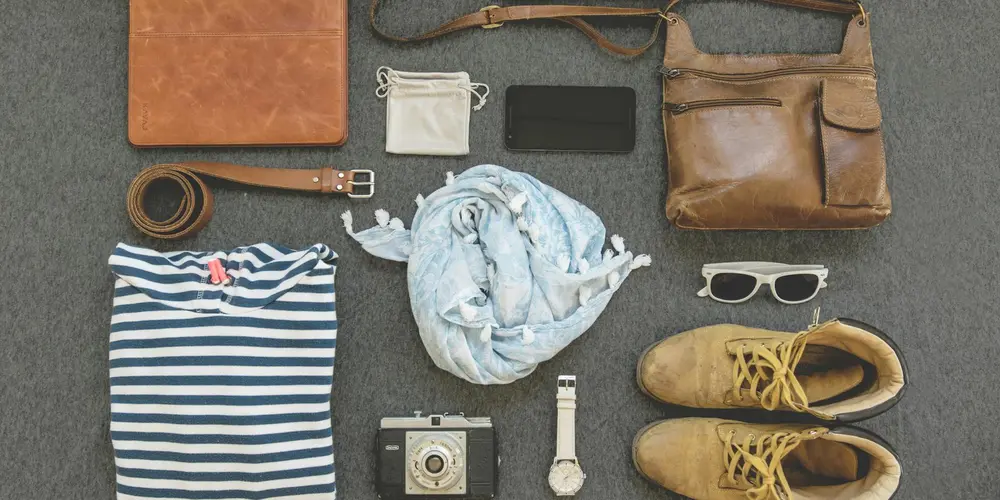
Not all grease stains are created equal. The item’s shape and how you use it change the game.
For Bags and Shoes
Think of my wallet, Scout. It’s tough but has tight seams and molded edges. Grease loves to hide there. The leather on bags and shoes is often thicker, but that molded shape makes cleaning tricky.
Your goal here is precision, not power. Blasting the whole area can oversaturate the leather and spread the oil.
- Focus your efforts on the exact spot of the stain.
- Use a cotton swab dipped in your neutral cleaner. Roll it gently along the seam or edge where the grease sits.
- Blot with a clean corner of your cloth. You might need several swabs.
- Let the area dry completely. If a faint shadow remains, apply a tiny drop of conditioner just to that spot with your fingertip.
For Your Car’s Leather Seats
Car leather is a different beast. It’s almost always coated with a protective finish, which makes it durable and stain-resistant. This is good news. The bad news is your car’s interior heat.
Heat from the sun or your seat warmer can bake a grease stain into that coating, making it permanent. Speed is your best friend.
- As soon as you see the stain, gently wipe the area with a damp, soapy cloth (use the same mild soap method).
- Rinse the cloth with clean water and wipe again to remove soap residue.
- Dry thoroughly with a separate towel.
Avoid the urge to use strong automotive “cleaners” or dressings. Many contain silicones or solvents that can degrade the leather’s coating over time, leaving it sticky or cracked. Understanding the best products and methods for cleaning leather can help you choose safer options.
How to Keep Grease Stains Away for Good
Fighting stains is one thing. Preventing the fight is better. This is where your care shifts from repair to building resilience.
A well-conditioned piece of leather is naturally more resistant to absorbing spills in the first place. The fibers are plump and satisfied, so they’re less eager to soak up oil or grease. My saddle, Mason, has seen its share of dirt and rain, but its regular conditioning schedule is why spills wipe right off its patina.
Start with a simple routine.
- For items you use daily, condition them every three to six months.
- For treasured pieces in storage, a conditioning treatment before and after the season keeps them supple.
For items truly on the front lines, consider a leather protector spray. Think of it as a light, invisible raincoat. Apply it to a clean, dry item according to the product’s directions. It won’t make leather bulletproof, but it gives you critical extra seconds to wipe a spill away before it soaks in.
Finally, build small habits. Be mindful when handling greasy foods near your leather couch. Wipe your hands before grabbing a light-colored bag. These moments of care add up. They keep your gear looking sharp and turn everyday use into a story of character, not accidents.
Common Questions
After I clean a grease stain, the leather feels stiff and creases look worse. What did I do wrong?
You likely forgot to condition. Cleaning strips natural oils, drying out the fibers and exaggerating creases. This is how you prevent cracking and drying out over time. Regular conditioning keeps leather supple and resilient. Always apply a quality leather conditioner to the cleaned area once it’s fully dry to restore suppleness.
A faint shadow remains after multiple powder treatments on my suede jacket. Is it ruined?
Not ruined, but it may be at its limit. Some deeply absorbed oil can leave a permanent “memory” stain. Continue gentle brushing to raise the nap and blend the area; this is often more effective than further cleaning attempts.
Can I use a hair dryer or clothing iron to smooth out leather creases quickly?
Absolutely not. Direct heat will cook the leather, permanently damaging its fibers and causing brittleness and discoloration. Your patience and proper conditioning are the only safe tools for relaxing creases over time.
Is baby powder a safe dry absorbent for all leather types?
Only if it is 100% talc-free and unscented. Many baby powders contain additives and perfumes that can stain or leave a residue. Plain cornstarch or pure arrowroot powder are simpler, safer choices for delicate leathers.
How do I prevent new creases from forming in a spot I just cleaned and conditioned?
Support the leather’s natural shape while it dries and settles. For a jacket, use a wide, padded hanger. For furniture, avoid sitting on or flexing the treated area for a day to let the conditioner fully absorb and the fibers stabilize. This is part of doing proper cleaning, conditioning, and storage for a leather jacket to maintain its look and durability. When you follow these steps, the leather stays supple and the finish remains consistent as it ages.
Caring for Your Leather After a Grease Stain
From my bench, the best advice is always to blot a grease stain quickly with a dry absorbent like cornstarch. This simple step can lift the oil before it sets, saving you from harsh cleaners.
Looking after your leather extends its use and honors the animal it came from. Building your care skills, whether for a jacket like June or a wallet like Scout, makes each piece a testament to responsible craftsmanship.
Research and Related Sources
- How to Get Oil Stains Out of Leather: 5 Household Remedies
- 3 Ways to Clean Grease Stains on Leather – wikiHow
- How to Remove Oil and Grease Stains from Leather Furniture Effectively
- Remove grease stains from leather: The best hacks with household remedies
Harriet is a avid collector of leather goods such as purses, bags, seat covers, etc and has an extensive background in leather care, recovery, stain removal and restoration. She has worked for a number of years perfecting her leather care techniques and knows the ins and outs of restoring all kinds and types of leather products. With her first hand knowledge in leather care, you can not go wrong listening to her advice.
Removing Oil and Grease Stains