
How Do You Deep Clean a Cowhide Rug Without Damaging the Natural Hair?
Published on: April 21, 2026 | Last Updated: April 21, 2026
Written By: Harriet Nicholson
Hello Tannery Talk. You love the look and feel of your cowhide rug, but now it needs more than a simple vacuum. The worry about ruining that beautiful natural hair is real, and I hear you.
This guide will walk you through a safe, methodical clean. We will cover the crucial first step of proper brushing, how to choose a gentle yet effective cleaner, the hands-on spot-cleaning technique, and the non-negotiable rule for thorough drying.
I care for leather goods daily, from Mason my work saddle to Scout my everyday wallet, and the same principles of patience and the right materials apply here.
What You Need to Know Before You Start Cleaning
Think of your cowhide rug as having two distinct, living layers. The leather backing is skin. It can dry out, stiffen, or even crack if it gets too wet or is cleaned with harsh chemicals. The hair on top is just like the hair on your head. It can become brittle, matted, or start to fall out if it’s treated roughly. Proper care and handling are essential to keep both layers in good condition.
Your goal is to clean the hair and surface without soaking or stressing the leather skin underneath. This is the golden rule for keeping your rug healthy for years.
Two Simple Tests to Perform First
Always do these checks in an inconspicuous corner, like near the fringe.
- The Spot Test: Dampen a white cloth with the cool water and mild soap solution you plan to use. Gently press it onto the leather backing and a small patch of hair. Wait for it to dry completely. Check for any color transfer to the cloth or changes in the hair’s texture. If all looks good, your cleaning method is safe.
- The Hair Shedding Check: Run your fingers firmly through the hair against the grain. A few loose hairs are normal, just like brushing a pet. If you get a large clump, the hide may be old or damaged. You’ll need to be extra gentle, using more brushing and less liquid.
If you’re searching for “how to clean a faux cowhide rug,” stop right here. This advice is for genuine leather and hair. Faux rugs are often plastic and can usually handle a different, sometimes harsher, cleaning approach.
Don’t let this make you nervous. I’ve cleaned pieces in far worse shape than your rug is likely in. With the right gentle approach, you’ll restore its beauty without any drama.
Gathering Your Gentle Cleaning Kit
You don’t need specialty products. You need the right *type* of product and tools that won’t fight against the rug’s natural materials.
The Safe Essentials
- Brushes: Two are ideal. A soft-bristled brush (like a horsehair detailing brush or a very soft baby hairbrush) for the hair. A separate, clean paintbrush or makeup brush for applying cleaner to the leather side.
- Cloths: White or light-colored, 100% cotton cloths or microfiber towels. Color can transfer, and rough fabrics can snag hair.
- Cleaner: A pH-balanced leather cleaner or a simple mix of cool water with a few drops of clear, mild dish soap (like the kind for hand-washing dishes).
- Conditioner: After cleaning, a light, neutral leather conditioner for the skin side is crucial to replenish moisture.
What to Absolutely Avoid (and Why)
Some common “cleaners” will do more harm than good.
- Harsh Chemicals: Ammonia, bleach, or all-purpose cleaners will strip the leather’s natural oils, leaving it parched and prone to cracking.
- Vinegar or Essential Oils: While natural, their acidic or oily nature can alter the pH of the leather and stain or mat the hair. I learned this the hard way on an old bag, and the stain never fully came out.
- Excessive Water: Never soak the rug or use a steam cleaner. The leather backing can shrink, warp, or become stiff as a board as it dries.
Are there specific products or tools recommended? Focus on the quality of the tool, not the brand. A soft brush is defined by how it feels on your own skin. A good leather conditioner will feel like a light lotion, not a greasy wax, for this job.
Finally, clear a space on a clean, dry floor where the rug can lie flat. A garage, patio (in the shade), or a large tarp over a carpet works perfectly. Having a dedicated space lets you work methodically without rushing.
Step 1: How to Remove Surface Dirt and Debris Safely
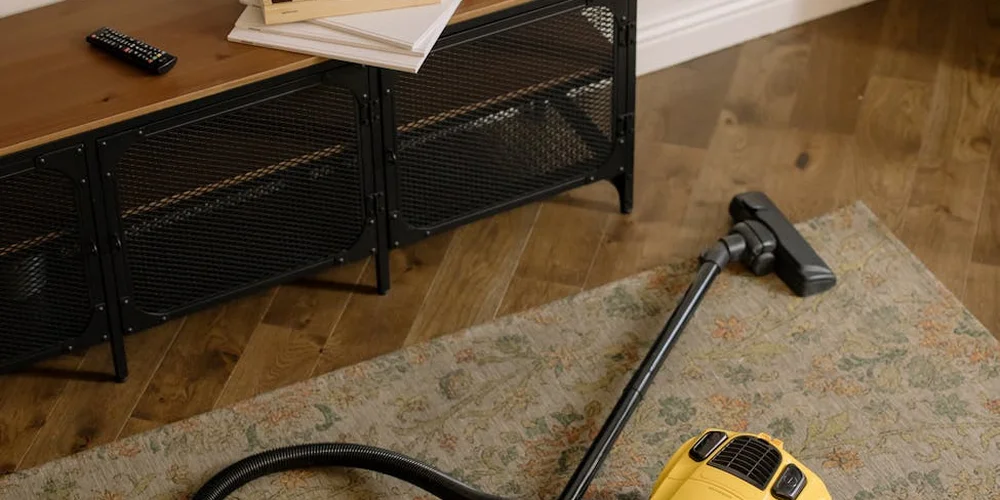
Your first move is to get the rug to a good workspace. Take it outside, weather permitting. A clean garage floor or a large, open indoor area also works.
Lay the hide flat with the hair side up. Give it a good, firm shake. You’ll hear dirt and grit hitting the ground. This simple step does a lot of the work for you.
Next, you need a soft-bristled brush. A horsehair grooming brush or a boar bristle brush is perfect. Starting at one end, gently brush the hair in long, smooth strokes. Always, always brush in the direction the hair naturally lies.
Brushing against the grain is the quickest way to tangle and mat the hair, creating a fuzzy, worn spot that’s hard to fix.
Work section by section across the entire rug. If you see a clump of pet hair or lint, a rubber grooming glove or a slightly damp sponge can lift it right off the surface. This gentle process is all you need for regular upkeep, just like I give my English saddle, Mason, a quick brush-down between rides.
Common Mistake and Simple Fix
Many people reach for a vacuum cleaner hose. The powerful suction can pull and weaken individual hairs. If you must use a vacuum, drape a piece of window screen or netting over the area first to act as a buffer. Gentle hand-brushing is always the safer choice.
Step 2: Treating Stains Without Stripping Natural Oils
Spills happen. The golden rule is to act fast and stay calm. For any liquid stain, grab a clean, absorbent cloth and press down firmly. Blot, do not rub.
Rubbing a stain works it deeper into the leather hide and tangles the hair fibers, setting the stain permanently.
For dried mud or food crumbs, let them dry completely. Then, you can often just flex the leather backing gently to make the debris pop right off the hair.
For a stain that needs cleaning, your best tool is a mild, pH-balanced solution. Mix one teaspoon of a gentle, wool-safe shampoo with one cup of cool water. Always test this mix on a small, hidden corner of the rug first, like near the edge on the back.
- Dampen a soft white cloth in your cleaning solution and wring it out until it’s just barely moist.
- Gently dab and wipe the stained area, again following the direction of the hair.
- Immediately blot the area dry with a second clean, absorbent towel.
- Let the spot air-dry completely, away from direct heat or sun.
This method cleans effectively without using harsh detergents that strip the leather’s natural oils. My jacket, June, has had a few close calls with coffee, and this blot-and-dab technique has saved her every time. Whether you’re cleaning real leather or a faux leather jacket, a gentle approach helps remove stains and preserve the finish. Regular cleaning and conditioning can help restore its look and longevity.
Common Mistake and Simple Fix
The mistake is using too much water or cleaner. Soaking the leather can make it stiff and brittle as it dries. If you accidentally get an area too wet, don’t panic. Blot it relentlessly with dry towels, then place the rug in a well-ventilated room with a fan circulating air. The key is even, slow drying.
Step 3: The Right Way to Wash and Rinse Your Rug
Now we get to the main event. This is where patience pays off. You are not washing a car or shampooing a carpet. Think of it more like gently cleaning the hair on your own head, where the scalp underneath is precious, delicate leather.
The Gentle Wash
Create your cleaning solution by mixing a pH-balanced leather cleaner or a drop of mild, glycerin-based saddle soap with cool water. You want just enough to make faint suds. To choose the right approach, consider whether saddle soap or a pH-balanced cleaner is better for your leather type and finish. In the next steps, we’ll compare these options to help you decide confidently.
Work on one small, manageable section at a time, no larger than a dinner plate. This control is everything.
- Dip a soft, lint-free cloth or a very soft boar’s hair brush into your sudsy solution. Wring it out until it is just damp, not dripping wet.
- Starting at the top of your section, gently work the solution into the hair in the direction of its natural growth. Use light, circular motions for any spots on the hide itself.
- Your primary goal is to clean the hair and surface, not to soak the leather backing. If the back of the rug feels damp, you are using too much moisture. Stop and let that area dry before continuing.
I learned this the hard way with my saddle, Mason. Getting the leather core too wet can lead to stiffness, just like a boot left out in the rain.
Thorough, Careful Rinsing
This step is non-negotiable. Leftover soap residue will dry into a stiff, sticky film that attracts more dirt and dries out the leather. Make sure to properly apply saddle soap when cleaning leather.
Take a second clean cloth and rinse it in cool, clean water. Wring it out so it is barely damp-even drier than your washing cloth.
- Go back over the section you just washed. Wipe gently with the damp cloth in the same direction to lift the soap away. Do not scrub.
- Rinse your cloth frequently. You may need to go over the area two or three times with a fresh, barely-damp cloth until no more suds appear.
- To check for residue, the leather back should feel clean, not slick or tacky. The hair should not feel sticky or look soapy.
Only when one section is completely rinsed should you move to the next, overlapping slightly to avoid lines. Take your time.
Step 4: Drying and Restoring Softness to the Hair
How you dry the rug determines its final feel. Rushing this will ruin all your careful work.
First, lay the rug completely flat on a clean, dry towel in a well-ventilated room. A spare bed or a clean floor works. The hair side must face up. Never hang it or drape it over a railing, as this can stretch the hide.
Keep it away from direct sunlight, radiators, or hair dryers. Artificial heat will bake the leather, making it brittle and prone to cracking and drying out.
Gently blot the surface with another dry towel to soak up the standing moisture from the hair. Do not rub. Then, leave it alone. Let air do its job. This can take 24 to 48 hours.
As the rug dries (after about 12 hours), you can help it along. Every few hours, use your fingers to gently fluff and separate the hairs. This prevents them from matting together as they dry.
Once the rug is completely dry to the touch on both sides, the final step is restoration. The hair might look a bit flat or feel coarse.
- Take a soft-bristle brush, like one used for grooming or a very soft clothes brush.
- Brush the hair firmly but gently in the direction of growth. You will feel it begin to separate and see the natural luster return.
- Brush it several times over the next few days. This is like brushing a cashmere sweater, it brings back the soft, full handfeel.
My jacket, June, taught me this. After any cleaning, a good brushing brings back its silky texture. Your rug will feel revived, clean, and soft, ready for many more years underfoot.
Keeping Your Rug Clean and When to Call a Professional
Think of your cowhide like my jacket, June. A little consistent care keeps her looking great for years. A deep clean is a big project. Regular upkeep makes it a rare event.
Simple Habits for a Healthier Rug
Your goal is to stop dirt from becoming a problem.
- Shake it out weekly. Take the rug outside and give it a good shake. This lifts loose dirt and hair from the surface before it gets ground in.
- Vacuum gently on a low-suction setting. Use a brush attachment and go with the direction of the hair. Never use a beater bar.
- Act fast on spills. Blot liquids immediately with a clean, dry cloth. For sticky messes, use a barely damp cloth to dab, not rub, the area.
- Rotate your rug every few months if it’s in a sunny spot or a high-traffic area. This ensures even wear and fading, just like rotating a mattress.
This routine takes minutes but adds years to your rug’s life by preventing deep-set grime.
Signs It’s Time to Stop DIY
You know your tools and limits. I know when a job on Mason’s saddle is beyond my bench. Your rug will tell you when it needs a pro.
- The leather backing feels stiff, brittle, or cracked. This means the hide is dehydrated and very fragile.
- There is a persistent, unpleasant odor that doesn’t fade after airing out. This often signals mold, mildew, or deep bacterial growth.
- You see areas of torn skin, significant hair loss, or pre-existing damage from pets.
- The rug has a large, set-in stain from red wine, ink, or other strong pigments that spot cleaning won’t touch.
- You simply feel unsure. If your gut says you might damage it, listen. It’s better to pause.
Why Professional Cleaning Can Be the Best Choice
For severe cases, a professional cleaner with experience in hides is your safest path. They have tools and knowledge we don’t keep at home.
They use specialized, gentle cleaning solutions made for leather and hair. Their controlled drying process prevents the shrinkage and stiffness that happens with air drying in a humid room. They can also apply the correct conditioners and protectants to the skin side after cleaning, which is a critical step we often miss at home.
Choosing a pro isn’t a failure, it’s a responsible choice for preserving a piece you love when the job is too big. It brings peace of mind knowing the rug is in expert hands.
What Common Mistakes Should Be Avoided?
I’ve seen these errors shorten the life of many leather goods. Let’s weave this FAQ right into the advice.
Never soak the rug. Water is the enemy of the skin side. Saturating it can cause the leather to shrink, crack, or become misshapen as it dries. Always use minimal moisture.
Avoid harsh brushes. Stiff bristles can pull hair out and scratch the skin. A soft-bristle brush or even a clean, dry microfiber cloth is best for grooming.
Don’t use generic household cleaners, shampoos, or dish soap. These are often too alkaline and will strip the leather’s natural oils, leaving it dry and damaged. Stick to pH-balanced leather cleaners and avoid DIY cleaning methods that use vinegar, alcohol, or soap, as they can harm your leather.
Skip the hair dryers, heaters, and direct sun for drying. Intense, direct heat bakes and brittles the leather. Always air dry your leather items at room temperature, away from heat sources.
Finally, don’t forget the back. The leather side needs conditioning after any cleaning to restore moisture. A light application of a neutral leather conditioner on the skin side, once fully dry, keeps it supple.
Quick Answers
How do you prepare the cowhide rug for deep cleaning?
First, perform a spot test and a hair shedding check in an inconspicuous area to assess the hide’s condition. Then, establish a clean, flat workspace and gather all your gentle tools-soft brushes, white cloths, and a pH-neutral cleaner-before you even dampen a cloth.
What cleaning solutions are safe for deep cleaning a natural cowhide rug?
Use a commercial pH-balanced leather cleaner or a simple solution of cool water with a few drops of clear, mild dish soap. Avoid anything acidic like vinegar or any all-purpose cleaner, as they will damage the leather’s structure over time. Considering the best products and methods for cleaning leather can help guide your choice. We’ll compare top options in the next steps.
How do you rinse the cleaning solution from the rug effectively?
Use a clean cloth, wrung out until it’s barely damp, to wipe over the cleaned area in the direction of the hair. Repeat with fresh water until no soapy residue remains; the leather backing should feel clean, not slick or tacky.
How can you restore the natural softness and luster of the hair after cleaning?
Once the rug is completely dry, brush the hair firmly but gently in the direction of growth with a soft-bristle brush. This separates the hairs and restores the natural sheen, much like brushing a fine wool garment.
Are there any specific products or tools recommended for deep cleaning cowhide?
Focus on tool quality, not brands. You need a soft-bristled brush for the hair, a separate clean brush for applying cleaner, and 100% white cotton cloths. A quality, light leather conditioner for the skin side is non-negotiable after cleaning.
Caring for Your Cowhide Rug for Years to Come
The single most important piece of advice is to always keep your cleaning gentle. Use a barely-damp cloth, never saturate the hide, and let patience do the work instead of harsh scrubbing.
Proper care is a way to honor the life of the animal and the craft behind the rug. I find that building this simple, mindful skill makes every leather piece in my home, from June my jacket to a rug on the floor, feel more connected and lasting.
Expert Resources and Citations
- How to Clean a Cowhide Rug
- How to Clean Cowhide Rugs: Right Techniques for Desirable Results – The Rug Decor
- Cow skin rug maintenance:essential advice guide.
Harriet is a avid collector of leather goods such as purses, bags, seat covers, etc and has an extensive background in leather care, recovery, stain removal and restoration. She has worked for a number of years perfecting her leather care techniques and knows the ins and outs of restoring all kinds and types of leather products. With her first hand knowledge in leather care, you can not go wrong listening to her advice.
Furniture and Upholstery Care