How Do You Clean, Remove Stains, and Maintain White Leather?
Published on: November 9, 2026 | Last Updated: November 9, 2026
Written By: Harriet Nicholson
Hello Tannery Talk. That first smudge on white leather can make your heart sink, but I am here to help you tackle it with confidence.
We will cover gentle cleaning methods, effective stain removal, and simple maintenance habits to protect your investment.
I have restored everything from stained bags to weathered furniture, learning what truly works through hands-on care.
What Kind of White Leather Do You Have? A Quick Identification Guide
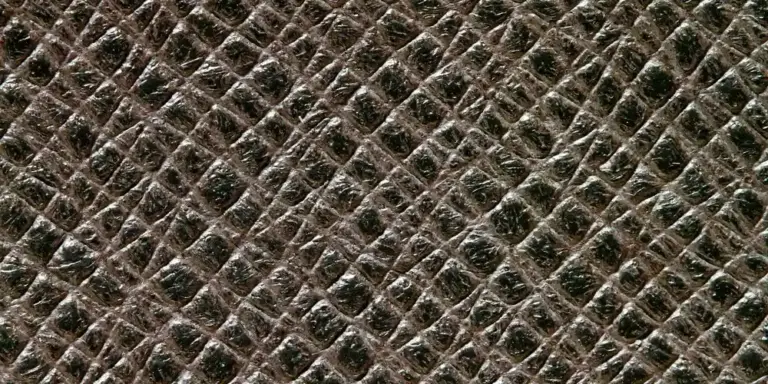
Think of leather like skin. Just like your own skin has different needs than a raincoat, leather types need different care. Getting this wrong is the most common mistake I see.
- Aniline Leather: This is the most natural. It feels soft and absorbent, like a favorite cotton t-shirt. You can see the hide’s unique grain and markings clearly. It’s beautiful but delicate. Using a harsh cleaner here is like spilling red wine on that cotton tee-it soaks right in and stains.
- Pigmented or Coated Leather: This leather has a smooth, consistent finish, more like a rain jacket. That topcoat protects it. It can handle more cleaning power and resists spills better, but the trade-off is it doesn’t feel quite as soft or develop a rich patina like my jacket, June.
- Semi-Aniline Leather: A smart middle ground. It has a light protective layer but retains much of the natural look and feel. Think of it like a cotton shirt with a very light starch.
The single most important step is to perform a water bead test in a hidden spot, like the back or an underside seam.
- Dip a cotton swab in distilled water.
- Touch it gently to the leather.
- Watch: If the water soaks in and darkens the spot within a few seconds, you likely have aniline leather. If it beads up on the surface like on a waxed car, you have coated leather.
Why White Leather Yellows and Shows Every Mark
White leather doesn’t actually turn yellow. That’s dirt, oil, and the finish itself breaking down. Sunlight is the main culprit. UV rays slowly break down the leather’s oils and any clear topcoat, much like sunlight fades a painted fence.
Body oils from your hands, lotions, and dust build up in the fibers, creating a dingy film. Every scuff and smudge is just more visible on a white canvas. It’s normal.
Don’t panic. This process happens over years, and consistent, gentle cleaning removes that grimy film and keeps your white leather looking bright for a long, long time. It’s about maintenance, not magic.
How Do I Clean White Leather Without Damaging It? The Gentle Process
You don’t need a cabinet full of potions. For most cleaning, you just need a few basics. This is the same method I use on all my pieces, from Scout the wallet to a white bag.
- Distilled Water: Tap water has minerals that can leave spots.
- pH-Neutral Leather Cleaner or Castile Soap: Harsh soaps strip natural oils.
- Two Ultra-Soft Microfiber Cloths: One for applying cleaner, one for drying.
- A Soft-Bristled Brush (like a horsehair detailing brush): For gentle agitation on textured grains.
The Universal Step-by-Step Cleaning Method
- Dust First. Use a dry cloth or soft brush to remove loose grit. Rubbing dirt into wet leather makes mud.
- Mix Your Solution. In a bowl, mix a teaspoon of your pH-neutral cleaner with a cup of distilled water. You want it barely soapy.
- Work Tiny. Dampen (do not soak) one cloth in the solution and wring it out completely. Work on an area no bigger than your hand.
- Gentle Circles. Wipe gently in circles. For stubborn spots, use the soft brush with a little solution. Let the cleaner do the work; don’t scrub.
- Dry Immediately. Use your second dry microfiber cloth to buff the area dry. This prevents water rings.
- Air Dry Fully. Let the piece sit for a few hours away from direct heat or sun before using it. Patience prevents moisture damage.
The biggest mistake is using too much water. A damp cloth is your friend; a wet sponge is your enemy.
Your approach changes slightly by item. For a couch, take the cushions off and clean them as separate sections. For shoes, remove the laces and use an old toothbrush on the sole. For a bag, empty it completely and carefully spot-clean the interior lining with a drier cloth.
Cleaning White Leather Furniture and Couches
Large surfaces can feel daunting. The trick is to be a methodical painter, not a frantic cleaner.
Start with the back and sides, then move to seat cushions, then arms. This way, you’re always working on a dry area next to your clean, damp section. Overlap your hand-sized areas slightly to avoid streaky lines.
Never spray cleaner directly onto the couch. Always apply it to your cloth first. This gives you total control over moisture.
Pay close attention to crevices and seams. Dirt loves to hide there. Use your soft brush or a cotton swab dipped in your cleaning solution, then dried almost completely, to gently flick grime out of those tight spaces.
Cleaning White Leather Bags, Shoes, and Boots
These items get handled constantly. Focus on the points of contact.
For bags, the handles, straps, and bottom corners collect the most oil and dirt. Give these areas a second, gentle pass with your cleaning cloth. If the strap is adjustable, clean the buckle area too.
For white leather sneakers and boots, treat the upper and the midsole as two different materials. Clean the leather upper with your standard gentle method, especially if you’re dealing with stubborn stains on leather. For the rubber or foam midsole, you can use a slightly stronger soap and a dedicated brush. Rinse the midsole carefully, avoiding the leather.
Always stuff shoes with clean, white paper or shoe trees as they dry. This absorbs internal moisture and keeps the shape perfect, preventing the leather from collapsing and creasing awkwardly as it dries. It’s a crucial step when learning how to dry leather properly.
How Do You Get Stains Out of White Leather? Targeted Solutions
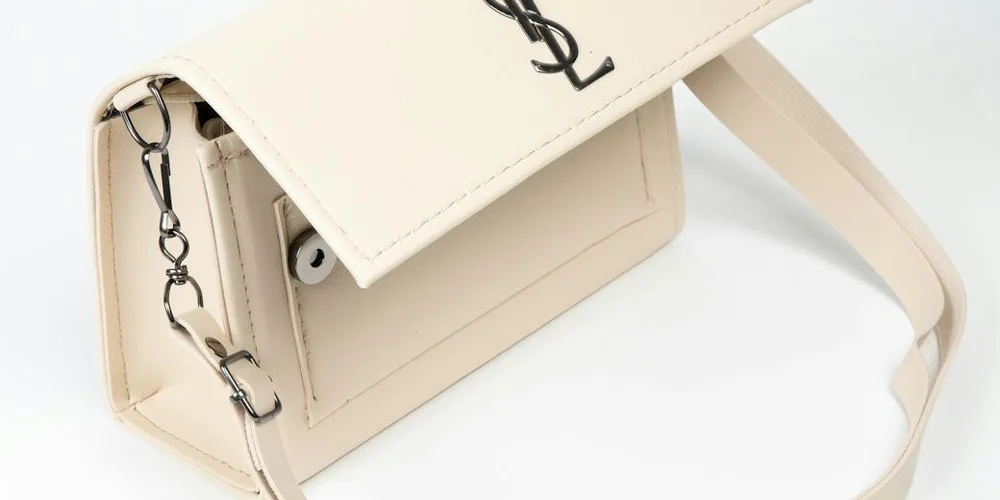
The moment a stain appears on white leather can feel like a crisis. Stay calm. Your first move is the most important. Always blot, never rub, to avoid pushing the stain deeper into the leather’s pores. Think of it like patting a wound, not scrubbing it. Grab a clean, white, lint-free cloth and press down firmly to soak up as much of the spill as you can. Work from the outside of the stain inward to prevent spreading. Common stains—like ink, wine, and oil—benefit from the same careful blotting approach. In the next steps, we’ll outline practical solutions for removing these stains from leather. Now, let’s tackle specific types of stains.
Removing Ink, Pen, and Marker Stains
Ink is a tough one. I’ve seen it soak in fast. A leather-specific ink remover is your best bet. If you don’t have one, a dab of isopropyl alcohol (70% or lower) on a cotton swab can sometimes work. You must test this on a hidden spot first, like under a cushion or inside a seam. The alcohol can strip dye and finish, so testing is non-negotiable. Apply a tiny amount to your hidden test spot and wait 30 minutes. If the color or texture looks okay, you can proceed cautiously on the stain. People often search for how to remove ink from leather surfaces and items.
- Dampen a cotton swab with your tested solution.
- Gently dab (do not scrub) the center of the ink stain.
- Blot immediately with a dry part of your cloth to lift the ink.
- Repeat with a clean part of the swab until no more ink transfers.
- Let the area air dry completely away from heat.
Treating Food, Drink, and Grease Spills
For a fresh spill, speed is your friend. Blot it up with a dry cloth immediately. For a dried spill or an oily mark, you need a gentle cleaner. A simple solution of a few drops of mild, pH-balanced dish soap in a cup of distilled water works well. For grease, like butter or oil, you need to absorb it first.
For dried food or drink stains:
- Dampen a clean cloth with your mild soap solution and wring it out tightly.
- Gently dab the stained area.
- Rinse your cloth with clean water, wring it out, and dab the area to remove soap residue.
- Blot dry with a separate towel and let it air dry.
For grease stains:
- Sprinkle a generous amount of cornstarch or baking soda onto the grease spot. It should look like a light dusting of snow.
- Let it sit for at least 8 hours, or overnight. The powder will pull the grease up and out.
- Gently brush the powder away with a soft-bristled brush.
- If a shadow remains, clean the area with your mild soap solution as described above.
How to Maintain White Leather and Stop Yellowing Before It Starts
Think of maintenance as feeding your leather. Just like my jacket June needs hydration to stay soft, white leather needs specific care to stay bright and resist yellowing. This is about prevention, not just reaction.
Conditioning is the single most important step for keeping white leather supple and preventing the dry, cracked surface that attracts and traps dirt. You must use a conditioner labeled for white or light-colored leather. These are formulated with neutral oils that won’t add a yellowish or dark tint. Apply it in a thin, even layer with a soft cloth, let it soak in for 15-20 minutes, then buff off any excess with a clean cloth. A subtle, healthy glow is what you want, not a greasy shine.
UV protection is your other powerful tool. Sunlight is a major cause of yellowing and drying. For furniture, use window shades or films. For bags and shoes, store them in a closet or dust bag away from direct sunlight. This simple habit prevents the question of how to clean white leather that has yellowed from ever coming up.
The Right Way to Condition White Leather
Conditioning white leather is like putting on a light, unscented hand lotion. A little goes a very long way. Always start with leather that is perfectly clean and dry. Any dirt or moisture trapped under the conditioner can cause spotting.
- Apply a dime-sized amount of white leather conditioner to a soft, lint-free cloth.
- Rub the conditioner into the cloth first to spread it out.
- Massage it into the leather using small, even circles. Cover the entire surface.
- Let it sit for the time specified on the product label, usually 15-20 minutes.
- Buff gently with a clean, dry cloth to remove any haze.
For a piece you use daily, like a bag or a favorite chair, condition it every 3 to 4 months. For decorative items, once or twice a year is plenty.
Choosing a Protector Spray for White Leather
After conditioning, a protector spray adds a final shield. These sprays create an invisible barrier that makes future spills bead up on the surface, giving you precious time to blot them away. Look for a spray designed for light-colored leathers or one that dries clear. In a well-ventilated area, hold the can about 6 inches away and apply a light, even mist over the entire surface. Let it dry completely before using the item. Reapply this spray every few months, or as directed, especially after a deep clean.
What Not to Do: White Leather Care Mistakes That Cause Damage

I’ve repaired pieces damaged by well-intentioned but harmful methods. Avoiding these mistakes is simpler than fixing them.
- Household Cleaners: Never use bleach, ammonia, vinegar, or glass cleaner. They are far too harsh and will strip the leather’s finish, leading to permanent discoloration and brittleness.
- Baby Wipes or Disinfectant Wipes: These often contain alcohols or other chemicals that dry out leather and leave a filmy residue.
- Saddle Soap on Coated Leathers: Most modern white leathers have a protective topcoat. Traditional saddle soap can cloud or damage this coating.
- Silicone-Based Sprays: They can create a sticky film that attracts dust and eventually turns yellow themselves.
- Food “Hacks”: Milk, mayonnaise, or vinegar concoctions do not clean leather. They introduce organic matter that can spoil, attract bacteria, and cause odors.
Patience with the right, gentle products will always beat a quick, abrasive fix that compromises your leather’s lifespan.
Why Harsh Rubbing and Improper Drying Are Your Worst Enemies
Scrubbing a stain seems logical, but it’s a disaster. You grind the dirt particles deeper into the leather’s grain, making the stain permanent. Always dab and blot.
Never use a hairdryer, space heater, or place leather in direct sun to dry it. Heat bakes stains into the leather and causes the fibers to contract and crack, much like skin with a bad sunburn. After any cleaning, simply let the item dry naturally at room temperature, away from direct heat sources. It might take a few hours. That’s okay. Good care isn’t rushed.
Common Questions
What’s the single best tip for cleaning white leather sneakers?
Never soak the leather upper. Use a barely-damp cloth with a drop of pH-neutral cleaner, and always stuff the shoes with white paper to hold their shape as they air dry away from heat. This is especially important when cleaning leather boots or shoes to preserve their finish.
How do I keep the handles of my white leather bag from getting dirty so fast?
Your hands transfer oils constantly. Give handles and straps a quick wipe with a dry microfiber cloth after each use, and condition these high-contact areas every other month to maintain a protective barrier.
Can I use the same cleaner on my delicate white leather gloves?
Yes, but be extra gentle. Use a microfiber cloth lightly dampened with your cleaning solution, and never saturate the leather. Lay them flat on a towel to dry, reshaping the fingers as they do. There’s a safe way to clean leather gloves without damaging them. A quick guide covers the best steps.
People on Reddit always say white leather is impossible to maintain. Is that true?
No, it simply requires consistent, gentle care. The biggest mistake is using harsh chemicals; the secret is regular dusting, prompt blotting of spills, and using conditioners and UV protectants made for white leather.
Caring for Your White Leather
The single best thing you can do is act fast with a gentle cleaner made for leather. Regular, light cleaning prevents the deep-set stains that are so hard to lift from white leather.
Taking proper care of your leather goods is the most sustainable choice you can make, extending their life for years. Building your care skills honors the material and the craft behind every piece. In the next steps, we’ll highlight the best general methods for caring and treating leather items. This will help you choose the right approach for each piece.
Deep Dive: Further Reading
- Caring for and Cleaning White Leather Shoes, Furniture and More – Leather Honey
- How to Clean White Tesla & Other White Leather Seats | Chemical Guys
- white leather what’s the best product to clean it? | Autopia Forum-Auto Detailing & Car Care Discussion Forum
Harriet is a avid collector of leather goods such as purses, bags, seat covers, etc and has an extensive background in leather care, recovery, stain removal and restoration. She has worked for a number of years perfecting her leather care techniques and knows the ins and outs of restoring all kinds and types of leather products. With her first hand knowledge in leather care, you can not go wrong listening to her advice.
Furniture and Upholstery Care