How Do You Remove Pet and Cigarette Odors from Leather Furniture, Jackets, and Bags?
Published on: April 26, 2026 | Last Updated: April 26, 2026
Written By: Harriet Nicholson
Hello Tannery Talk. I understand that stubborn smell on your leather can feel like a permanent mark, but don’t worry, it’s often a fixable issue.
This guide will walk you through identifying the odor source, safe cleaning techniques, proven deodorizing approaches, and preventive care for your specific leather.
As a leather craftsman who has cared for pieces like Mason and Scout for years, I’ve successfully refreshed many smoke and pet-affected items.
Why Leather Holds Onto Unwanted Scents
Think of a piece of leather like your own skin. It has a complex surface with tiny pores. It breathes. Just like skin can absorb lotion or sweat, leather soaks up oils and moisture from its environment.
This porous, fibrous structure is what makes leather durable and gives it character. It is also what makes it a magnet for smells. Pet dander and dried urine salts are fine particles that work their way deep into the material. Cigarette smoke is not just a smell, it is a residue of sticky tar and chemicals that coats every fiber.
When these particles settle in, they are not just sitting on the surface, they are trapped within the leather’s very structure.
This is why wiping the surface often does nothing. It is also why the wrong cleaning method can lock smells in forever. Using too much water or a harsh soap can drive particles deeper. It can also strip the leather’s natural oils, causing it to dry out and crack, creating even more tiny spaces for odors to hide.
What to Have on Hand Before You Begin
Do not rush this. Having the right, gentle tools ready makes all the difference. You are not attacking the smell, you are patiently persuading it to leave.
Gather these basics:
- Soft, white microfiber cloths: You will need several. Color-free cloths prevent dye transfer.
- A pH-balanced leather cleaner: Look for a neutral, mild formula designed for cleaning, not conditioning.
- Distilled water: Tap water contains minerals that can leave spots.
- A box of baking soda: The classic, gentle odor absorber.
- White vinegar: A mild acid that can help break down alkaline odors, like urine.
Before you put anything on your leather, your first step is always a spot test. Apply a tiny amount of your chosen cleaner to a hidden area, like inside a seam or underneath a cushion. Wait 24 hours. Check for color change or texture damage. This is non-negotiable, no matter which products or methods you use.
Optional helpers can make the job easier:
- A vacuum cleaner with a soft brush attachment to lift loose hair and dander before cleaning.
- Bags of activated charcoal or plain clay kitty litter. These are excellent for passive odor absorption in a closed space.
I keep a bag of plain clay litter in the closet with my leather jacket, June, during the humid months. It quietly soaks up any ambient moisture and keeps the leather smelling neutral and fresh.
Your Step-by-Step Plan for a Smelly Leather Couch
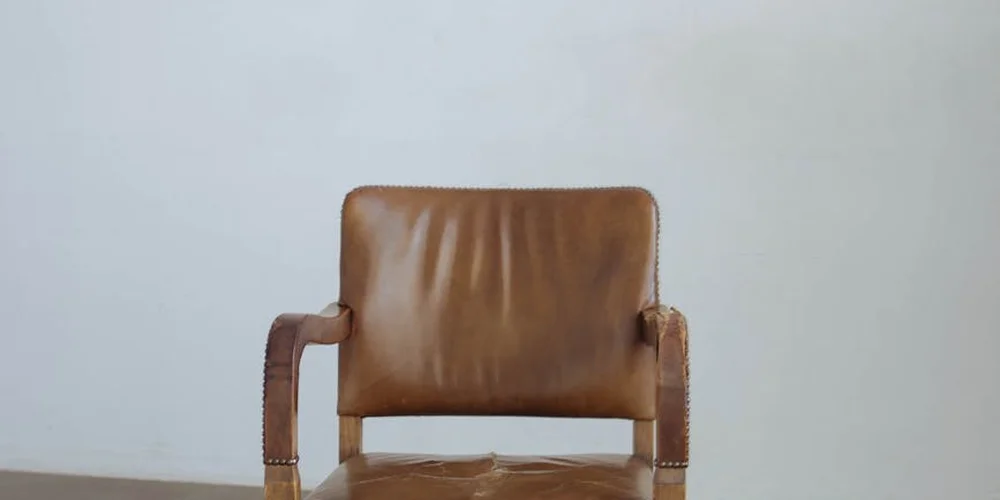
First, tackle the surface. Gently vacuum the entire couch using a soft brush attachment. This picks up pet hair, dust, and crumbs that trap odors deep in the seams. Think of it like cleaning a wound before applying a bandage. Beyond this, you might wonder how to remove pet urine and other odors from suede without damaging the material. In the next steps, we’ll cover suede-safe methods to tackle those tougher odors.
This initial physical clean is the foundation for how to get odor out of leather couch effectively.
The Gentle Clean
Leather hates being soaked. Use a damp cloth, not a wet one. Wring it out so it feels cool to the touch but leaves no drips.
- Mix a few drops of a pH-balanced, neutral leather cleaner into a bowl of cool water.
- Dip a soft, lint-free cloth into the solution and wring it thoroughly.
- Wipe the leather in smooth, overlapping sections. Do not scrub.
- Immediately follow with a second dry cloth to buff away any moisture.
Work on one small area at a time to prevent the leather from staying damp for too long.
Tackling the Odor Itself
After cleaning, odors from pets or smoke often linger in the leather’s fibers. This is where targeted methods help, especially when you don’t know how to remove cat urine and other animal urine odors from leather furniture.
For Pet Odors
Pet smells are often organic and acidic. Baking soda is your friend here, but never use it dry on leather as it can be abrasive. DIY cleaning can backfire—household items like vinegar, alcohol, or ordinary soaps can damage leather. It’s worth knowing safe alternatives before you try any home remedy.
- Make a thick paste with baking soda and a small amount of distilled water.
- Using a soft cloth, apply a very thin layer of the paste to a hidden spot first, like under a cushion, to test for color fastness.
- If all is well, apply the paste sparingly to other affected areas.
- Let it sit for no more than 30 minutes, then wipe it away completely with a damp cloth and dry immediately.
The baking soda paste works to neutralize odors without harsh chemicals that can dry out the hide.
For Cigarette Smoke
Smoke odor is a sticky, oily residue that clings. Good airflow is the most important tool.
- After the gentle clean, place the couch in a well-ventilated room.
- Place a few bowls of white vinegar or activated charcoal near the couch, but not touching it. These absorb odors from the air.
- Let the couch air out for at least 48 hours, turning on a fan to circulate air if possible.
Patience is critical with smoke; the smell needs time to dissipate from every pore of the leather. The same patience helps when you need to remove musty smells from leather bags or eliminate odors from leather jackets.
For both methods, always let the couch air dry naturally, away from radiators, heaters, or direct sunlight. Heat can bake the odor in and crack the leather.
Freshening Up Leather Jackets and Bags After Smoke Exposure
Smaller items like jackets and bags are easier to manage than a couch. You can give them a thorough airing. My jacket June gets this treatment after any smoky event.
Hang June on a padded hanger outside in a shaded, breezy spot for a full day. The fresh air works wonders.
For bags, you must clean the interior where odors settle. Be very gentle with linings.
- Empty the bag completely and turn it inside out if the lining allows.
- Wrap the nozzle of your vacuum hose with a soft, thin cloth to prevent snags.
- Gently run the covered nozzle over the interior lining to lift dust and particles.
If the smell persists, use an odor absorber. This is a safe, hands-off method.
- Find a cardboard box large enough for your item.
- Place an open, shallow container filled with baking soda or activated charcoal in the box.
- Put your leather jacket or bag in the box, ensuring it does not touch the absorber.
- Close the box lid and leave it for three to five days.
Sealing the item with an odor absorber for several days gives trapped smoke molecules a place to go.
This process is similar to the couch method but requires more care for details. Always check zippers, buttons, and linings before cleaning. Avoid getting any moisture on metal zippers to prevent rust, and never submerge a lined bag. A quick wipe of hardware with a dry cloth is usually enough.
Choosing Between Home Remedies and Specialized Products
You have a smelly leather couch. Your first thought might be to raid the kitchen cabinet. That instinct makes sense. Let’s look at your two paths.
The DIY Approach: Baking Soda & Vinegar
For a mild, recent odor-like a dog who napped on the armrest once-a home remedy can work well. It’s low-cost and uses items you already own.
Baking soda is excellent for absorbing fresh, surface-level odors from leather, much like it does for your refrigerator.
Here is how to use it safely:
- Vacuum the leather surface gently to remove any loose hair or debris.
- Sprinkle a thin, even layer of plain baking soda over the area.
- Let it sit for at least 8 hours, or overnight. The powder will pull odors from the surface.
- Thoroughly vacuum it all away. Use a soft brush attachment to avoid scratches.
A vinegar and water spray (one part white vinegar to three parts water) can help with mild pet smells. Lightly mist it on a cloth first, never directly on the leather. Wipe the surface and let it air dry. The sour vinegar scent will vanish as it dries, taking some of the odor with it.
The big limitation? Penetration. Home remedies work on the surface, but stubborn smells from cigarette smoke or long-term pet accidents sink deep into the leather’s core and padding. My jacket, June, picked up a campfire smell once; baking soda helped a little, but I needed a stronger solution for the smokiness trapped in the lining.
Commercial Leather Deodorizers
For serious, deep-set smells, a product made for the job is your best bet. These are designed for leather odor removal, which means neutralizing smells, not just covering them up with perfume.
A good leather deodorizer uses enzymes or other active agents to break down odor molecules at their source, rather than masking them with a stronger scent.
Choosing one requires a quick label check. Your goal is to find a product that is:
- pH-balanced for leather: Harsh chemicals can dry out or damage the hide.
- Dye-free: You don’t want to alter your leather’s color.
- Tested for use on your leather type (aniline, semi-aniline, corrected grain).
Application is usually simple: spray on, wipe off, and allow to dry. The real work happens as the formula dries and neutralizes the odor. It is the difference between dusting a bookshelf and deep-cleaning the whole room.
| Method | Best For | Key Consideration |
|---|---|---|
| Baking Soda | Fresh, surface-level odors | Needs prolonged contact time; may not reach deep smells. |
| Vinegar Spray | Light, organic odors (mild pet) | Always test on a hidden area; the acidic smell fades as it dries. |
| Commercial Deodorizer | Old, deep-set smoke or pet odors | Check for leather-safe, neutralizing formulas; follow instructions closely. |
Easy Ways to Stop Odors Before They Start

Odor removal is reactive. Good care is proactive. The best fix is preventing the smell from settling in the first place. Think of it like this: a well-maintained leather jacket is far less likely to hold a smell than a dry, neglected one.
Make Cleaning and Conditioning a Habit
Dirt and skin oils attract and trap odors. Regular, light cleaning with a neutral leather cleaner removes the daily grime that odors cling to. I give my wallet, Scout, a quick wipe with a damp cloth every week or two. It takes ten seconds.
Conditioning is your secret weapon. Soft, supple leather has a tighter surface. Dry, thirsty leather is more porous and absorbent. A light application of a quality leather conditioner every 3-6 months keeps the material resilient. Don’t confuse leather conditioner with waterproofing spray, as they serve different purposes.
Conditioned leather resists absorbing spills and smells more effectively than parched, dry leather. Science explains why some waterproofing lasts longer—the chemistry of the film and the leather’s condition matter. Regular conditioning supports that barrier, helping its longevity. My saddle, Mason, gets a deep condition every season. It repels water and dirt better than any new treatment I could apply after a problem starts.
Smart Habits for a Fresher Home
Small changes make a huge difference. Here are simple rules I follow with my own pieces:
- Use a washable blanket or throw on leather furniture if pets like to curl up there. It is easier to wash a blanket than to deodorize a whole sofa.
- After using a leather bag, empty it and leave it open in a well-ventilated space for a few hours. Let the lining air out, especially if you carried gym clothes or food.
- For cigarette smells, the best prevention is not smoking near your leather goods. Smoke permeates everything, and removing it is the most challenging task of all.
Leather is a resilient, living material. With consistent, gentle care, it develops character without holding onto unwanted memories like last season’s ashtray or your cat’s favorite napping spot.
When to Think About Professional Leather Cleaning
Sometimes, a smell is a battle you shouldn’t fight alone. I’ve worked on pieces where the odor was so woven into the fibers that my usual toolkit just wasn’t enough. Knowing when to call a professional saves your leather from unnecessary stress and saves you from wasted effort.
There are a few clear signs that your home efforts have reached their limit and you need expert help. The first is time. If the smell has been settled in for months or years, especially in an old, dry piece, it’s often locked deep within the core of the leather. The second is the source. Severe, chronic smoke damage from a house fire or heavy, ongoing pet accidents create a level of saturation that surface cleaning can’t touch.
Consider the value, too. A cherished antique or a high-end designer bag isn’t the place for guesswork. The risk of altering the color or finish with repeated, aggressive DIY treatments is real. If your gut says “this is too precious to mess up,” listen to it.
What Professional Leather Cleaners Can Do
Think of a professional cleaner not just as a cleaner, but as a specialist with tools you don’t have at home. Their process is more intensive and targeted.
- Advanced Degreasing & Deep Cleaning: They use industrial-grade, yet leather-safe, solutions that can pull oils, tar, and nicotine residues from deep within the pores without stripping the leather’s natural oils entirely.
- Ozone Treatment: This is a common and effective method for odor. The item is placed in a sealed chamber where ozone gas circulates. This gas breaks down odor molecules at a chemical level, rather than just masking them. It’s powerful for smoke and biological smells.
- Complete Reconditioning: After such a deep clean, leather is vulnerable. Professionals will systematically reintroduce the correct oils and conditioners to restore flexibility and protection, which is a delicate balancing act.
My jacket, June, once came back from a professional clean after a close call with some persistent mildew. The difference wasn’t just the missing smell; the leather’s handfeel was consistently supple again, something I was struggling to achieve spot-treating it at home.
Finding and Choosing a Professional Service
Choosing the right service is as important as the decision to use one. You want a specialist, not a general upholstery cleaner.
Start by searching for services that specifically mention leather or luxury goods. A search like “leather odour removal Toronto reviews” is a good model. The reviews are key. Look for comments about communication, process explanation, and results on items similar to yours.
When you contact them, ask direct questions. A reputable cleaner will be transparent. Here’s what I ask:
- “What is your process for removing smoke or pet odors?” (Listen for terms like inspection, degreasing, ozone, and reconditioning).
- “Do you do a spot test on an inconspicuous area first?” (The answer must be yes).
- “Can you provide a clear, written estimate?” (This should include the cleaning method and any conditioning afterwards).
Cost varies widely. It depends on the item’s size, the damage severity, and your location. Cleaning a leather jacket might start in a different range than a three-seater sofa. Get a few quotes. Remember, the cheapest option may use harsh chemicals that dry out and age your leather prematurely. You’re paying for expertise and the longevity of your piece.
A true professional views their work as a restoration, not just a cleaning, and their goal should align with yours: preserving the life and beauty of your leather for years to come.
Common Questions
Can I use an ozone generator at home on my leather couch?
I do not recommend it. Ozone is a powerful oxidant that can prematurely age and crack leather if not applied in a controlled, professional setting.
How much should professional leather odor removal cost?
Cost depends entirely on the item and damage severity. Expect a range from a base fee for a jacket or bag to a significantly higher quote for a large, saturated sofa.
What’s the one thing I should avoid doing when trying to remove smells?
Never soak the leather or use harsh household cleaners. Excess moisture drives odors deeper and strips vital oils, causing permanent damage. Proper leather cleaning involves gentle methods.
Are leather conditioners or protectants useful for preventing odors?
Yes, absolutely. A well-conditioned hide has a more resilient, less porous surface, making it far less likely to absorb odors and spills in the first place.
Keeping Your Leather Fresh
The heart of odor removal is patience and gentle cleaning. Always start with a mild, leather-safe cleaner and give your item plenty of time to dry and air out completely between steps.
Proper maintenance is a responsible choice that honors the material and reduces waste. Building your care skills, whether for a workhorse like Mason or a daily carry like Scout, supports a more sustainable and appreciative approach to leather goods.
Citations and Authoritative Sources
- How To Easily Get Bad Smells Out of Leather | Simple Guide – Von Baer
- How to Get Bad Smells Out of Leather Upholstery | Fibrenew International
- Remove leather smell: home remedies and tips
- Odor Neutralizing Leather Cleaner – Griot’s Garage
Harriet is a avid collector of leather goods such as purses, bags, seat covers, etc and has an extensive background in leather care, recovery, stain removal and restoration. She has worked for a number of years perfecting her leather care techniques and knows the ins and outs of restoring all kinds and types of leather products. With her first hand knowledge in leather care, you can not go wrong listening to her advice.
Eliminating Bad Odors