How Do You Remove Cat Urine and Other Animal Urine Odors from Leather Sofas, Furniture, and Car Seats?
Published on: January 30, 2026 | Last Updated: January 30, 2026
Written By: Harriet Nicholson
Hello Tannery Talk. That sharp, unwelcome smell on your leather can feel overwhelming, but take a breath. I have helped many pieces like yours recover their comfort and charm.
This guide walks you through a safe, effective process, covering why urine is so damaging to leather, your immediate action steps, how to mix and apply a gentle cleaner, the best ways to neutralize odors for good, and how to restore moisture and protection afterwards.
My advice comes from years at the workbench, hands-on with everything from family heirlooms to daily drivers like my own well-worn leather jacket, June.
Why Animal Urine Is a Leather Nightmare
Animal urine isn’t just a bad smell you can cover up. It’s a chemical attack on your leather. The problem comes down to two main parts: urea and uric acid.
Think of urea as the initial flood. It’s water-soluble, so if you catch it fast, you can blot a lot of it up. The real enemy is uric acid. As the liquid dries, these microscopic crystals harden like super glue deep in the leather’s pores and backing.
Here’s the frustrating part. Those dried crystals are mostly odorless. The smell comes roaring back when humidity rises because the crystals absorb moisture from the air and reactivate. It’s like salt on a winter road; you think it’s gone, but the next damp day, it’s back.
I learned this the hard way with an old leather chair a client brought in. A small accident had been “cleaned” with scented sprays for months. Every time their humidifier ran, the room would smell. The odor had settled in, making the fix much harder.
Speed is your greatest ally here. Minutes and hours count. The longer urine sits, the deeper the uric acid crystals bond, and the more likely they are to cause permanent staining and odor locking.
Your First Move: The Immediate Response
When it happens, stay calm. Your goal is to remove as much liquid as possible before it soaks in and dries. Do not panic and grab the first cleaner you see.
First, gently scoop or blot any solid waste with a paper towel. Then, for the liquid, use a clean, white, absorbent cloth or towel. Why white? So you can see what you’re removing, and there’s no risk of dye transfer from a colored towel.
Press the cloth directly down onto the wet spot with firm pressure, hold for a few seconds, then lift. Do not rub or wipe. Rubbing will push the urine deeper into the leather grain and spread the stain. Think of it like soaking up a spill on a paper map; you blot to preserve the surface.
Keep moving to a clean, dry section of your cloth and repeat. Press, lift, replace. Do this until the cloth comes away mostly dry.
What to Avoid Right Now
- Heat: Do not use a hair dryer, space heater, or place the item in sunlight. Heat will bake the urine into the leather, setting the stain and odor permanently.
- Household Cleaners: Ammonia-based cleaners are a definite no (they can smell like urine to a pet). Also avoid bleach, disinfectants, vinegar, or all-purpose sprays. Their chemicals can break down leather’s natural oils and dyes.
- Smothering It: Do not pour baking soda or cover the spot with heavy blankets. You need to deal with the moisture first.
Finally, check everywhere. Liquid follows gravity. Urine can seep through seams and stitching, pooling in the cushion foam or on the wooden frame underneath. Lift cushions carefully. Feel the backing fabric. If the underside is wet, you’ll need to address that area too to prevent a lingering smell from inside the furniture.
Once you’ve blotted everything you can, let the area air dry naturally at room temperature. This is when you prepare for the next, most critical step: neutralizing the odor you can’t see.
Choosing Your Leather Cleaning Strategy
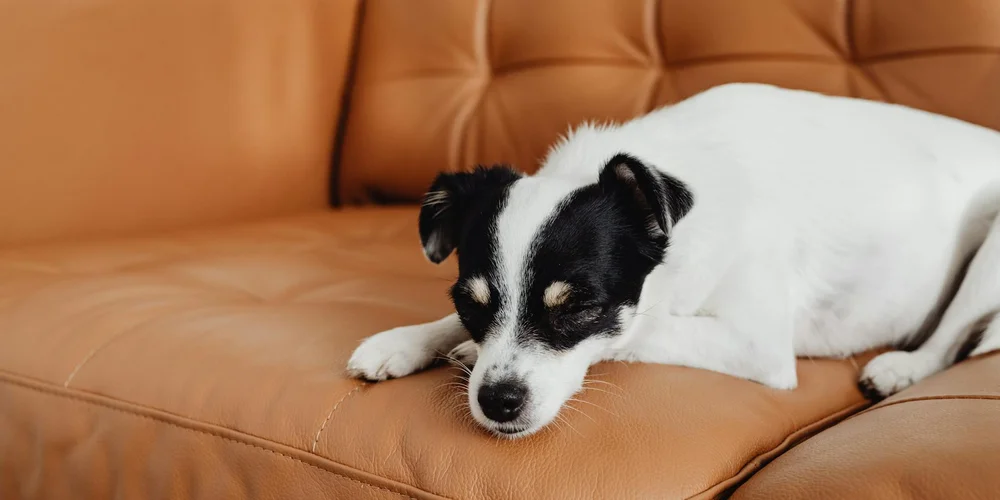
You have two clear paths to take. You can use a dedicated leather cleaner or try a common home remedy. My own well-worn saddle, Mason, has seen both approaches for different issues over the years.
Before you touch the stain, you must do a patch test in a hidden spot, like under a cushion or on a back leg. This one step tells you if a product will discolor or damage the finish. It is never optional.
Here is a simple comparison of your starting options.
- Commercial Enzymatic Cleaners: These are specialized formulas designed to break down the uric acid crystals that cause the lingering smell. They are your most targeted weapon, but they can be pricier.
- Simple pH-Balanced Leather Cleaners: A gentler, more general soap. It cleans the surface well but may not fully tackle the deep-set biological odor on its own. Think of it as a strong first step.
The Professional Cleaner Method
This is my preferred route for a serious problem. It is controlled and effective. The goal is to clean deeply without soaking the leather, which can lead to stiffness or discoloration. If mildew or mold is a concern, a step-by-step guide to remove mildew from leather items safely, clean, and restore moldy leather can guide you next. This keeps the process cohesive and safe.
- Blot up any fresh moisture immediately with a dry, absorbent cloth. Do not rub.
- Apply a small amount of a pH-balanced leather cleaner to a second clean, soft cloth (microfiber is perfect). Do not pour it directly onto the leather.
- Gently work the cleaner into the affected area using small circular motions. You are not scrubbing a floor. For textured leather, you might use a very soft bristle brush to get into the grain.
- Take a third clean, damp cloth and wipe away all the cleaning residue. No soap should be left behind.
- Let the area air dry completely, away from direct heat. This can take several hours. A faint damp smell is normal at this stage.
This exact process is how to clean a leather couch from dog urine, cat accidents, or any other pet stain. The principle is always gentle removal with minimal moisture. Once fully dry, follow with a dedicated leather conditioner to restore lost oils. My jacket June gets this clean-and-condition routine twice a year to stay supple.
The Home Remedy Approach (Vinegar and Beyond)
For older, set-in odors or if a commercial cleaner is not on hand, a diluted vinegar solution can work. White vinegar is acidic, which helps neutralize the alkaline salts in urine.
Will vinegar remove cat urine from leather? It can significantly reduce the odor if used correctly, but it may not eliminate it entirely for severe cases. Always test first.
Here is a safe recipe for cat urine removal with vinegar.
- Mix one part white distilled vinegar with two parts cool, distilled water. This dilution is key.
- Dampen a clean cloth in the solution and wring it out thoroughly. The cloth should be barely damp, not wet.
- Gently dab the stained area. Do not soak it. Allow it to sit for no more than 5-10 minutes.
- Use another cloth dampened with only distilled water to wipe the area clean, removing all vinegar residue.
- Let it air dry completely. The vinegar smell will fade as it dries.
You must be careful. Using a solution that is too strong or letting it pool can dry out the leather or damage some finishes. If the odor persists after this, an enzymatic cleaner is your next step.
I see this advice often, so let me be clear. Do not use baking soda directly on your leather. Baking soda is a great odor absorber for fabrics, but on leather it is a gritty, drying powder that can get trapped in seams and creases, leaving a difficult-to-remove residue that can abrade the surface over time. For safe methods to deodorize leather, rely on products designed specifically for leather care.
The Art of Drying Leather Completely
This is the most critical step. Leather is a skin, not a plastic sheet. Moisture trapped inside is a recipe for two things: a returning, sour odor and long-term damage to the fibers.
Think of my old English saddle, Mason. When he gets a thorough cleaning, he needs patience. Rushing him near a heater would be like baking a steak low and slow, pulling all the natural oils to the surface. It leaves the leather stiff, brittle, and prone to cracking.
Gentle Air is Your Best Tool
Your goal is evaporation, not cooking. Find a room with good, indirect airflow. An open window across the room is perfect. Never place wet leather in direct sunlight, next to a radiator, or use a hairdryer; the intense, uneven heat will permanently damage the hide.
With my jacket June, I’ll hang her on a wide, padded hanger in a breezy hallway. For a sofa or car seat, open the car doors or room windows to create a cross-breeze.
Using a Fan Safely
You can use a simple box fan or a ceiling fan to speed things up safely. The key is distance and indirect flow.
- Set the fan on its lowest setting.
- Point it at a wall or corner near the leather, not directly at it. You want the air to circulate around the piece, not blast one spot dry.
- This constant, gentle air movement pulls moisture away without the risk of heat damage.
Feeling for Dampness and Why Patience Wins
Surface dryness is a trick. The top may feel cool and dry to the touch while the core and, most importantly, the seams and stitching are still damp.
Use the back of your hand. Press it firmly against the leather, especially along stitched areas and folds. Damp leather will feel noticeably cooler than the surrounding dry areas. My wallet Scout feels dense and cool when he’s still holding moisture.
If you apply any conditioner or protectant before the leather is bone-dry, you will seal that residual moisture and odor inside, guaranteeing the problem comes back. This step cannot be rushed. For a heavily soiled area, proper drying can take 24 to 48 hours. It’s a waiting game for leather to dry, but winning it means your leather stays soft, supple, and odor-free for years to come.
When the Smell Lingers: Tackling Stubborn Odors
Sometimes, a surface clean isn’t enough. The smell comes back on a warm day or when you sit down. This means the urine has soaked deeper than the topcoat. Don’t panic. This is a common hurdle, and with the right approach, you can clear it.
Using a Leather-Safe Odor Neutralizer
For odors that return, you need to break down the urine at a molecular level. A standard cleaner can’t do this. You need an enzymatic cleaner or odor neutralizer made for leather.
These products contain natural enzymes or bacteria that actually digest the urine proteins and salts causing the smell. They don’t just mask it.
- First, clean the area with your pH-balanced leather cleaner as described before. You must remove any surface residue so the neutralizer can reach the problem.
- Test the enzymatic spray on a hidden spot. Even leather-safe formulas can slightly alter color on very dry or aniline leathers.
- Apply a light, even mist over the affected area. You want it damp, not soaked.
- The most important step is patience. Let the product work for the full time listed on the bottle, often 15 to 30 minutes, before blotting.
- After blotting, let the leather air dry completely away from direct heat. This entire process can take 24 hours.
I keep a bottle for my workshop. On an old briefcase that had been stored in a damp basement, it took two applications over a week, but the musty odor was gone for good.
Odor Absorbers for Enclosed Spaces
For car seats or sofas in small rooms, the smell can linger in the air and fabric around the leather. Here, a two-part attack works best—especially when you’re trying to get rid of bad smells in leather car seats.
Treat the leather itself with the methods above. Then, address the enclosed space with a leather-safe odor absorber.
- Place an open box of baking soda or activated charcoal under the car seat or near the furniture. These pull odors from the air.
- For cars, leave the windows cracked on a dry day if possible to air it out.
- Never place damp absorbers, like vinegar bowls, directly on or near the leather. The acid and moisture can cause damage.
Advanced Tips for a Leather Couch
How do you get urine smell out of a leather couch for good? Upholstered furniture adds complexity because the urine often seeps through seams into the padding underneath.
If the smell persists after treating the surface, the padding is likely holding the odor. This is a tougher fix.
- Check if your couch cushion covers are removable. If they zip off, you can treat the leather exterior and the fabric interior separately.
- If the cushion is not removable, use a syringe or small spoon to gently apply your enzymatic cleaner along the stitching seams where the leak occurred. The goal is to get a tiny amount into the padding.
- Blot immediately from the outside and place fans around the couch to drive air circulation for several days. This takes time.
- Be very gentle. Aggressive soaking can separate the leather from its backing or cause water stains.
Can Pet Odor Removers Fix Pee Stains on Leather?
This is a vital distinction. An odor remover and a stain remover are two different tools.
Most enzymatic odor removers are designed to break down the smell-causing compounds. They often do not contain cleaning agents or dyes to address discoloration.
A urine stain on leather, especially if it was left untreated, is a combination of a dye transfer (the yellow or dark spot) and possible finish damage. The odor remover might eliminate the smell, but the stain may remain.
Always tackle the odor first, then assess the stain. Trying to strip a stain first can drive the odor deeper into the leather, especially given how porous leather can be. Once the area is odor-free and fully dry, you can explore gentle leather dye touch-up products or seek a professional for stain correction. Mason’s saddle has a small, dark spot from an old spill. The smell is long gone, but the character mark remains, and that’s okay.
Restoring and Protecting Your Leather After the Ordeal
Cleaning the stain and odor is only half the job. The process, especially using vinegar or soap, strips away the leather’s natural oils. Think of your leather like your own skin after a harsh, drying soap. It feels tight and thirsty. That’s why it’s crucial to use the right products and methods for cleaning leather.
Conditioning is not an optional step; it’s the final repair that brings your leather back to life by replacing those lost oils. Skipping it leaves the fibers brittle and prone to cracking. For my old saddle, Mason, a good conditioning after a deep clean is what keeps him supple and strong for another year of rides.
How to Condition Leather the Right Way
This part is simple but needs a gentle touch. The goal is to nourish, not drown.
- Let it Dry Completely. Your leather must be totally dry to the touch. Trapped moisture under conditioner can cause mildew. This usually takes 12-24 hours at room temperature.
- Choose a Simple, Neutral Conditioner. Pick a pH-balanced leather conditioner or cream. For furniture and car seats, a light, non-greasy formula is best. Avoid anything with waxes or silicones meant for shoes at this stage.
- Apply a Thin, Even Coat. Use a clean, soft cloth or your fingertips. Apply a small amount and rub it in using gentle, circular motions. You should not see a thick, shiny layer sitting on top.
- On smooth leather, you’ll see it darken slightly as it absorbs, then return to a richer version of its color.
- On nubuck or suede, use a conditioner made specifically for those materials and always test in a hidden area first.
- Let it Absorb. Give the conditioner at least an hour to soak in. You can buff off any excess with a dry cloth after this time, but often a thin application leaves nothing to buff.
- Feel for Dryness. After a few hours, press your hand on the leather. If it still feels dry or stiff, you can apply a second, even thinner coat. My jacket, June, often needs two light passes after a serious cleaning to feel soft again.
A common mistake is using too much product, which can clog the leather’s pores and leave a sticky residue. If this happens, just buff the area vigorously with a dry, absorbent cloth like an old t-shirt. More is not better.
Building a Defense for the Future
Once your leather is clean and conditioned, you can think about prevention. You can’t make leather completely stain-proof, but you can make cleanup easier.
A leather protector or barrier spray creates an invisible, water-resistant layer on the surface. It helps repel liquids, giving you precious minutes to blot up a fresh accident before it soaks in. It also provides some protection against oils from skin and daily grime.
Look for a protector spray designed for finished leather furniture or automotive interiors. Always apply it to clean, conditioned, and completely dry leather in a well-ventilated space. Spray a light, even mist from about 6-8 inches away and let it dry fully as directed.
This barrier is a helpful shield, not a permanent seal, and will need reapplication every few months depending on use. For a piece like a car seat that sees daily wear, I reapply protector every three to four months. For a sofa that’s used less often, every six months is sufficient. It’s a small step that brings great peace of mind.
How to Stop the Problem Before It Starts Again
Cleaning is one thing, but the real victory is making sure it never happens again. I’ve worked on pieces where the smell kept coming back because the source wasn’t fixed. Let’s look at what you can do.
Start With Your Pet’s Health and Habits
Animals don’t pee on your nice leather out of spite. It’s usually a signal. Ignoring it means the accidents will continue, no matter how well you clean.
The first step is always a vet check to rule out health problems like infections, diabetes, or arthritis that make using a litter box painful.
For cats, the litter box is everything. If it’s not right, they’ll find another place. Here’s what to do:
- Clean boxes daily. I mean really clean-scoop waste and refresh litter.
- Have more than one box. The rule is one box per cat, plus one extra.
- Place boxes in quiet, low-traffic areas. A scared pet won’t use a box near a noisy appliance.
Think of it like this: a comfortable pet is a predictable pet. This simple care saves your leather from becoming their bathroom.
Use Physical Barriers on Favorite Spots
Leather is durable, but constant moisture from accidents breaks it down. An easy fix is to create a removable layer.
A washable throw or blanket over your pet’s favorite couch corner is the simplest form of leather insurance.
Choose machine-washable fabrics you don’t mind cleaning often. When my dog claimed a spot on an old chair, a thick cotton quilt saved the leather underneath. It’s easier to toss a blanket in the wash than to deep-clean a sofa panel.
For car seats, consider a fitted, waterproof seat cover. It protects the leather from claws, dirt, and any unexpected accidents during travel.
Change the Story for Your Cat
If a cat has marked a spot, it can become a habit. You need to make that spot unattractive and offer a better option.
After a thorough clean, make the area less appealing. You can use a pheromone spray designed to reduce stress and marking near the furniture. More importantly, enrich their environment.
- Place a new, very clean litter box near the problem area, then slowly move it to a better location.
- Put a cat tree or scratching post nearby to claim the space in a positive way.
- Play with your cat near the furniture to create happy associations, not stressful ones.
Stopping the behavior is about patience and redirecting their instincts, not punishment. Consistency here keeps your leather-like the soft calfskin on June or the sturdy hide on a car seat-safe and smell-free for the long term.
Knowing When to Call a Professional
Sometimes, the best tool is the phone. I know the urge to fix things yourself. I’ve felt it with my own gear. Calling a professional cleaner isn’t a failure; it’s a strategic decision to protect your investment and your sanity.
You should seriously consider professional help if you notice any of these signs.
- The stain or odor is old and set-in. Home methods work best on fresh accidents.
- The smell seems to come from deep within, not just the surface. This means the urine has soaked through the leather and into the foam or fabric padding underneath.
- Your leather is delicate, like aniline or semi-aniline leather. These porous, unprotected surfaces are easily damaged by aggressive cleaning.
- You’ve already tried a gentle, recommended method and the smell persists or returns.
What a Professional “Cat Urine Removal Service” Actually Does
A good professional brings more than stronger chemicals. They bring a process. Think of it like a surgeon for your sofa, precise and systematic.
First, they assess the damage. They identify the leather type and how deep the urine has penetrated. Then, they get to work with tools you don’t have at home.
- High-Power Extraction: This is not a wet vacuum. Professional machines use strong suction to pull old, trapped moisture and contaminants from deep inside the cushion padding.
- Controlled Steam Cleaning: They may use specialized steam to help break down the uric acid crystals without oversaturating and damaging the leather.
- Enzyme or Oxidizing Neutralizers: They use industrial-grade formulas designed to break down the urine molecules at a chemical level, not just mask them with perfume.
- Deodorization and Conditioning: After neutralizing, they deodorize the area and apply a professional leather conditioner to restore suppleness.
Their goal is to treat the source of the odor in the padding, not just the leather top layer.
How to Find and Vet a Reputable Service
Searching for a “cat urine removal service near me” will bring up options. Your job is to sort the experts from the rest.
Start with a phone call. Ask specific questions. A knowledgeable service will answer them confidently.
- “Do you have specific experience with cat urine on leather furniture and car interiors?”
- “What is your process? Can you walk me through the steps you’ll take?”
- “What type of cleaning and neutralizing agents do you use? Are they safe for dyed leather?”
- “Can you provide references or examples of similar jobs?”
- “Do you offer a satisfaction guarantee or a follow-up if the odor returns?”
Trust your gut during this conversation. A vague answer is a red flag. Look for companies that specialize in upholstery or disaster restoration, as they often have the right equipment. A technician who asks you questions about the leather’s age and type is usually a good sign.
What This Service Might Cost
Costs can vary widely. It depends on your location, the size of the affected area, and how much work is needed.
A single cushion or car seat might be a few hundred dollars. A full multi-cushion sofa will cost more. The complexity is the biggest factor. Odor trapped deep in foam and the frame takes more time and specialized treatment.
View the cost not as a loss, but as the price to reliably save a valuable piece of furniture you love. It is often more economical than replacing the item or living with a persistent problem. Always get a detailed written estimate before any work begins.
Common Questions
Should I just search for a “cat urine removal service near me”?
Only if home methods fail or the piece is valuable. A true professional uses industrial extractors and neutralizers to reach urine trapped deep in padding, which home cleaning can’t touch.
Does vinegar really work for cat urine removal from leather?
As a mild acid, diluted vinegar can neutralize surface odor, but it’s a temporary fix. It does not break down the deep-set uric acid crystals, so the smell often returns without a proper enzymatic treatment.
Why does the odor come back after I’ve cleaned the spot?
You’ve likely only cleaned the surface. The urine has crystallized in the leather’s backing or the cushion foam underneath, reactivating with humidity. This requires a targeted enzymatic neutralizer applied to the source.
When is it time to call a professional cat urine removal company?
Call a pro when the odor is old, the leather is delicate or valuable, or your own careful efforts have failed. Their powerful extraction tools are necessary when the padding inside the furniture is contaminated.
Can I use a home carpet urine removal machine on my leather sofa?
Absolutely not. Upholstery extractors for carpets use far too much water and suction power, which will oversaturate and likely ruin the leather. Always use methods and products designed specifically for leather’s delicate nature.
Caring for Leather After Accidents
The single most important step is to act fast. Blotting up the moisture immediately and using a proper enzymatic cleaner breaks down the odor at its source, giving your leather its best chance.
Responsible care means maintaining your pieces so they last for years, which is the most sustainable choice you can make. Viewing this routine maintenance as a skill you build over time transforms it from a chore into part of your craft.
Further Reading & Sources
- r/CleaningTips on Reddit: My cat peed in our expensive leather chair, how to remove??
- 3 Ways to Remove Cat Spray or Pee from a Leather Couch – wikiHow
- How to Get Cat Urine Smell & Stains Out of Leather – 6 Simple Steps – Catster
- What is the best way to remove cat urine odor and stains from leather couches? Can it be completely removed if it has soaked through the cushion into the frame underneath, or is it too damaged to save? – Quora
- Leather smells like cat pee? – Leatherwork Conversation – Leatherworker.net
Harriet is a avid collector of leather goods such as purses, bags, seat covers, etc and has an extensive background in leather care, recovery, stain removal and restoration. She has worked for a number of years perfecting her leather care techniques and knows the ins and outs of restoring all kinds and types of leather products. With her first hand knowledge in leather care, you can not go wrong listening to her advice.
Eliminating Bad Odors