What’s the Real Difference Between Genuine, Bonded, and Top-Grain Leather?
Published on: August 29, 2026 | Last Updated: August 29, 2026
Written By: Harriet Nicholson
Hello Tannery Talk. Staring at a price tag and wondering if “genuine leather” is a good buy or a clever trick is a common worry.
Let’s clear up the confusion. This guide will cover where each type comes from in the hide, how their durability and feel compare, and simple ways to spot them in a store.
I’ve conditioned, repaired, and lived with pieces made from all these materials, so I can give you the practical facts.
How Is Each Leather Type Made? A Tannery Walkthrough
Think of a leather hide like a block of wood. The way it’s cut and finished determines what you get. Bonded leather is like particle board. Genuine leather is like plywood. Top-grain leather is like a solid wood tabletop. Here’s how each one comes to be on the workbench.
The Making of Genuine Leather
“Genuine” simply means real leather, but it often comes from the lower, fibrous layers of the hide, called a “split.” After the top, strongest layer is removed for higher-grade leathers, this split layer is what remains.
This layer lacks the tight, natural grain pattern. To make it look uniform and usable, it gets a heavy finish. A thick coat of pigment or a layer of polyurethane is applied, then it’s often embossed with an artificial grain pattern. It feels sturdy and consistent, like a well-painted piece of furniture, but you can’t feel the hide’s natural texture underneath.
In short, genuine leather is the real leather left over after the premium layers are taken, and it’s given a thick, uniform coating to make it look and feel consistent.
The Making of Bonded Leather
Bonded leather starts with what’s essentially leather dust. Shredded leather fibers, leftovers from other processes, are mixed with polyurethane or latex binders to form a pulp. This pulp is spread onto a fabric or paper backing in a sheet, then dried.
The sheet is smooth and flat, with no natural character. To make it look like leather, it goes through a machine that stamps on a fake grain pattern. The final touch is a polyurethane topcoat. The result has a faint, chemically leather-like scent, but it feels more like stiff vinyl. It doesn’t breathe like real leather because the fibers are locked in plastic.
Bonded leather is a composite material, a mix of leather fibers and plastic binders pressed into sheets and stamped to imitate the look of real hide.
The Making of Top-Grain Leather
This starts with the very best part: the top, dense layer of the hide. This layer has the hide’s full, natural grain-the unique pattern of pores and wrinkles. To make it smooth and remove any marks, it’s lightly sanded or buffed.
A light finish, often aniline or semi-aniline dye, is applied. This protects the leather while letting its natural character show through. You can still see the variations in the grain, feel its subtle texture, and over time, it will develop a rich patina. My jacket June is a perfect example; her soft creases and deepening color tell the story of years of wear.
Top-grain leather uses the strongest part of the hide, is lightly corrected and finished, and retains its natural ability to age and develop character.
Which Leather Lasts the Longest? The Durability Face-Off
Durability isn’t just about surviving a few years. It’s about how a material ages and handles stress over a decade or more. Here’s how our three contenders stack up.
Bonded leather has the weakest structure. The bond between the fibers and plastic can break down. With flexing, sunlight, or cleaning, the top plastic layer can crack or peel away from the backing. It’s a short-term material. Once it starts to peel, you can’t really fix it, only cover it up.
Genuine leather is stronger because its base is a solid layer of real hide. The main weakness is its thick, inflexible finish. With heavy use, this painted-on coating can crack, and because it seals the leather, it can sometimes prevent conditioners from nourishing the fibers beneath. It lasts longer than bonded but won’t age gracefully.
Top-grain leather is built to endure. The full, dense fiber structure of the top layer gives it high tensile strength. It resists tearing and abrasion. The lighter finish moves with the leather, so it develops a patina instead of cracking or peeling. Think of my saddle, Mason. After eight years of hard use, his surface isn’t peeling or cracked; it’s just richer and more supple. This leather can be cleaned, conditioned, and repaired for generations.
For pure, long-lasting durability and the ability to age beautifully with proper care, top-grain leather is the clear winner. Genuine leather offers decent mid-term durability, while bonded leather has a significantly shorter functional lifespan. If you’re curious about the difference between bonded leather and real leather, our complete guide covers durability, care, and value.
Cost and Value: What Does Your Money Actually Buy?
Let’s talk numbers. Price is often the first thing we notice, but it doesn’t tell the whole story.
For a small item like a wallet, you might see prices like this. Bonded leather versions can be very low cost. Genuine leather wallets sit in the mid-range. A quality top-grain wallet, like my Scout, has a higher starting price.
The price difference comes down to what you start with and the work that goes into it. Top-grain uses the best, most durable part of the hide. More skilled labor is needed to finish it properly. Bonded leather uses leftover fibers and polyurethane, which are cheap materials assembled quickly. The low initial cost reflects that.
This is where cost-per-year matters. A bonded leather sofa might look good for a season or two before the coating cracks. A top-grain leather jacket like June, with proper care, develops character for decades. Think of it as buying a tool for life versus a temporary accessory.
So, which type is the most affordable? Bonded leather has the lowest upfront cost. For long-term value and durability, top-grain leather is often the most economical choice over time. It’s an investment that ages with you.
What’s It Best For? Matching Leather to Its Purpose
Every leather has its job. Using the right type for the right job means your item will last and perform.
Bonded Leather: The Budget Specialist
This material works best where looks are temporary and stress is low.
- Accent pillows on furniture.
- Low-wear interior parts of a car door.
- Coverings for inexpensive journals or binders.
Its plastic coating offers initial stain resistance, but it lacks the flexibility and breathability of real leather. It’s not meant for bending, stretching, or developing a patina. A common mistake is using conditioner on it, which can’t penetrate the plastic layer and just sits on top.
Genuine Leather: The Workhorse
This is where you find practical, durable items that need to take some abuse.
- Work gloves and protective gear.
- Sturdy belts and dog leashes.
- Some luggage tags and key fobs.
The fiber structure is strong but stiffer. It can handle friction and weather better than bonded, but it won’t soften into a buttery feel. A simple fix for dry genuine leather is a light application of a dedicated leather oil, rubbed in thoroughly with a cloth.
Top-Grain Leather: The Everyday Companion
This is the choice for items you use daily and want to cherish for years.
- Handbags, briefcases, and duffle bags.
- Boots, shoes, and jackets (like my jacket, June).
- High-quality wallets (like Scout).
- Fine furniture and auto upholstery.
Its balance of durability, flexibility, and breathability makes it perfect for items that mold to your body and life. It accepts conditioners and develops a richer color over time. A classic top-grain use case is a wallet. It needs to be tough enough for daily carry but soft enough to feel comfortable in your pocket.
What are the most common uses for each type? Bonded is for disposable decor. Genuine is for rugged utility goods. Top-grain is for the heirloom-quality pieces you use every day.
Hands-On Care: A Maintenance Guide for Each Grade
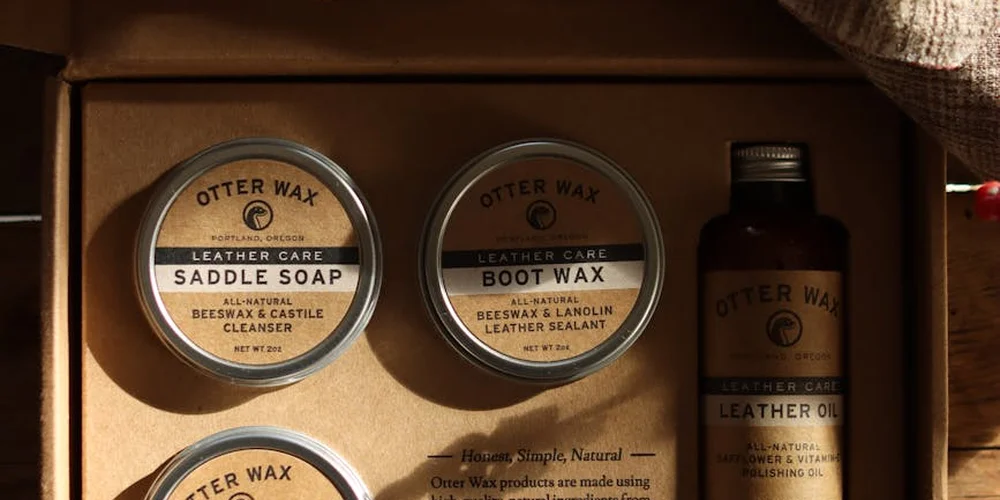
Your care routine makes all the difference. A good piece can be ruined by neglect, and a humble piece can last years with the right attention. Here is how to approach each type.
The most important rule is to match your care to the material’s needs-using a heavy conditioner on bonded leather is like watering a plastic plant, it just won’t work. Treatment for real leather requires understanding the right conditioner.
Caring for Bonded Leather
Think of bonded leather more like a piece of furniture with a leather-print veneer. Your goal is gentle cleaning to preserve the surface coating for as long as possible.
Your cleaning kit is simple: a soft, lint-free cloth (microfiber is perfect) and plain water or a tiny bit of mild, pH-neutral soap.
- Dampen the cloth with cool water. Wring it out completely so it’s only slightly moist.
- Gently wipe the surface in one direction. Never soak or scrub.
- Immediately dry it with a second clean, dry cloth.
- Let it air dry fully away from direct heat or sun.
Avoid any oil-based conditioners, saddle soap, or heavy cleaners. They can’t penetrate the plastic coating and will just sit on top, creating a sticky film that attracts more dirt. If the clear polyurethane coating starts to peel or crack, that’s the bonded layer failing. You can’t condition it back to health. A colored leather balm might temporarily mask small flaws.
Caring for Genuine Leather
This is your workhorse leather. It’s durable but prone to drying out because its fibrous inner layer is exposed. Think of it like a sturdy wooden tool handle-it needs oil to stay strong and flexible.
Regular conditioning is non-negotiable to prevent the stiffness and deep cracks that come from dryness. I treat my reliable work gloves this way.
- Clean it first. Use a mild leather cleaner or a damp cloth to remove surface dirt. Let it dry.
- Apply a light leather conditioner or oil. Use your fingers or a cloth. Good options include neatsfoot oil blend or a universal leather balm.
- Rub it in thoroughly over the entire surface. You want an even, light coat, not a puddle.
- Let it absorb for an hour, then buff off any excess with a clean cloth.
Do this every 3 to 6 months, or whenever the leather feels stiff and thirsty. If it’s already slightly dry, a second light application after a day can help.
Caring for Top-Grain Leather
This is where care becomes part of the joy. A top-grain hide, like my jacket June, develops a richer personality with proper conditioning. The goal is to nourish and protect that beautiful outer grain.
A simple apply-and-buff routine with a quality soft leather conditioner enhances the natural patina, making the leather softer and more resilient over time.
- Dust or gently brush the surface with a soft horsehair brush.
- Apply a small amount of a premium conditioner (like a saphir or lexol-type product) to a soft cloth.
- Massage it into the leather using small circles. You’ll see the color darken slightly as it absorbs-this is normal.
- Let it sit for 15-20 minutes, then buff vigorously with a clean cloth to a soft sheen.
For my saddle Mason, I do a deep condition like this twice a year. For a jacket or bag used weekly, once a season is plenty. Over-conditioning can saturate the leather, so when in doubt, use less.
Feel, Look, and Legacy: Comfort and Conscience
Close your eyes and feel the leather. This tells you more than a label ever could.
Bonded leather feels uniform and slightly plastic-like, while top-grain feels supple, warm, and alive under your fingers. Genuine leather sits in the middle, often feeling firm and fibrous, like a sturdy belt.
Breathability comes from the natural collagen structure of the hide. Top-grain and genuine leather allow tiny amounts of air and moisture vapor to pass through. This is why a real leather jacket or sofa feels comfortable across seasons-it adapts. Bonded leather, sealed with plastic, does not breathe. It can feel clammy.
How to Spot the Difference
Look closely. Check the back edge of a cushion or the inside of a bag seam.
- Top-Grain: You’ll see a consistent, natural grain pattern on the surface. The backside is rough, suede-like, and fibrous.
- Genuine Leather: The surface may be sanded and have an artificial grain stamped on. The backside looks similar to top-grain-fuzzy and natural.
- Bonded Leather: The surface grain is too perfect and repeats. The backing isn’t fibrous leather; it’s fabric, plastic, or a sheet of greyish-brown material that looks like pulped cardboard.
A Note on Source and Impact
Leather is a byproduct of the meat and dairy industries. Choosing full-hide leathers (genuine and top-grain) from responsible sources makes use of this material and can support more traceable, ethical farming practices. The tanning process is key. Vegetable tanning, using plant matter like oak bark, is traditionally more environmentally conscious than some chrome tanning methods. A full comparison of vegetable-tanned vs chrome-tanned leather, including care and sustainability considerations, ties tanning choices to practical maintenance and environmental impact.
When you choose a quality leather piece and care for it, you’re choosing an object with a longer life, less waste, and a story you can see in its evolving patina. Unlike bonded leather, with its short lifespan and plastic content, which often ends up in a landfill much sooner, your care and your choice have a lasting impact.
Common Questions
Which type feels the softest and most luxurious?
Top-grain leather is the softest and most luxurious, as its natural grain and light finish allow it to become supple and develop a rich patina. Bonded leather feels stiff and synthetic, while genuine leather often feels firm and fibrous, prioritizing durability over softness. Within top-grain leather, there are different types and quality grades that influence feel and performance. Understanding these distinctions can help you choose the right leather for your needs.
How can you visually identify each type of leather?
Check the material’s backside and unfinished edges; top-grain has a rough, suede-like back, genuine leather has a similar back but often a perfectly uniform, stamped surface, and bonded leather will show a fabric or greyish pulp backing. The surface grain on bonded leather is flawlessly repetitive, a dead giveaway it’s not natural.
Does the type of leather affect breathability and comfort?
Absolutely. Top-grain and genuine leather breathe, allowing moisture vapor to pass through for greater long-term comfort. Bonded leather is essentially plastic-coated, so it traps heat and moisture, often feeling clammy against the skin.
What are the environmental impacts of producing each type?
Full-hide leathers (top-grain and genuine) make use of a meat industry byproduct and, when vegetable-tanned, have a lower chemical impact. Bonded leather incorporates plastic binders and has a very short lifespan, leading to quicker disposal in landfills-buy quality and maintain it to reduce waste.
Your Leather, Your Legacy
Look for the natural grain when you choose leather; it is the best sign of a piece built to last, like my trusty saddle Mason. Top-grain leather rewards your care with a deep patina, while bonded leather often falters under real use.
Treating your leather well is a mark of respect for the material and the craft behind it. Learn a few basic maintenance steps to extend its life, and seek out goods from sources that prioritize ethical practices, especially when caring for and treating leather items.
Research and Related Sources
- How to Tell the Difference Between Real Leather and Bonded Leather | Buffalo Jackson
- TOP-GRAIN VS. FULL-GRAIN LEATHER | What’s the Difference?
- What is Top Grain Leather: Know The Different Types Of Leather
Harriet is a avid collector of leather goods such as purses, bags, seat covers, etc and has an extensive background in leather care, recovery, stain removal and restoration. She has worked for a number of years perfecting her leather care techniques and knows the ins and outs of restoring all kinds and types of leather products. With her first hand knowledge in leather care, you can not go wrong listening to her advice.
Full-grain and Top-grain Leather Care