How Do You Clean Faux Suede Furniture Without Damaging the Fabric?
Published on: June 27, 2026 | Last Updated: June 27, 2026
Written By: Harriet Nicholson
Hello Tannery Talk. Seeing a stain on your faux suede couch can make you freeze, worried one wrong move will ruin it.
We will cover how to test your material safely, the gentle step-by-step cleaning process, and simple habits to keep it looking fresh.
My hands-on time with pieces like my saddle Mason teaches me to approach every fabric, real or synthetic, with a craftsman’s care.
What is Faux Suede and Why Does It Need Special Care?
Faux suede is a synthetic fabric designed to look and feel like real suede. Think of it like comparing a hardy houseplant to a delicate orchid. Both are beautiful, but the houseplant can handle a missed watering and less perfect light. Faux suede is that hardy houseplant in the world of soft, napped fabrics, especially when compared to other synthetic materials like faux leather.
Its main traits explain why it needs a gentle hand. It is often made from polyester with a brushed surface, or nap, that gives it that soft, velvety handfeel. This nap can get crushed and matted. More critically, many pieces have a protective coating that can be stripped away by harsh cleaning agents or high heat.
When you look up how to clean suede furniture fabric, the advice for the faux version is different. The golden rule for cleaning products is to always choose a mild, pH-neutral solution. A cleaner made for synthetics or one specifically labeled for faux suede is your safest bet. Strong detergents, solvents, or anything acidic can break down that protective layer, leaving your fabric vulnerable.
Your Pre-Cleaning Checklist: The Three Non-Negotiable Steps
Good cleaning is built on good preparation. Rushing in with a wet cloth is how accidents happen. This three-step routine is your foundation for a perfect clean.
Step 1: The Gentle Brush-Out
Before any liquid touches the fabric, you need to dry clean it. Use a clean, soft-bristled brush. A dry shaving brush or a very soft nailbrush works wonderfully. Gently brush the entire surface in one direction to lift embedded dust and restore the raised nap. This alone can refresh the look of your furniture and is the true answer to daily upkeep for how do you clean suede furniture.
Step 2: The Spot Test
I never skip this step, not even on a piece I’ve cleaned before. Colors and coatings can vary. Pick a hidden spot, like under a cushion or on the backside of a skirt.
- Dampen a white microfiber cloth with your chosen cleaner.
- Blot the hidden spot gently.
- Wait for it to dry completely. This can take an hour.
- Check for any color transfer onto the white cloth or a change in the fabric’s texture. If it passes, you’re clear to proceed.
This five-minute wait can save you from a permanent stain or texture change.
Step 3: Gather Your Simple Toolkit
You don’t need specialty gear. Assemble these items before you start:
- White microfiber cloths: Colored cloths can bleed dye.
- A soft-bristle brush: The same one from Step 1.
- A mild cleaner: Either a dedicated faux suede cleaner or a drop of pH-neutral dish soap in a bowl of distilled water.
- Distilled water: Prevents mineral spots from tap water.
- A suede eraser (optional): For scuffs on tougher faux suede.
Avoid common mistakes. Do not soak the fabric, use a steam cleaner, or apply harsh solvents like rubbing alcohol or acetone. Excess water is the enemy-it can seep into padding and cause mildew or break down adhesives in the furniture’s construction.
The Step-by-Step Cleaning Process for Spills and Stains
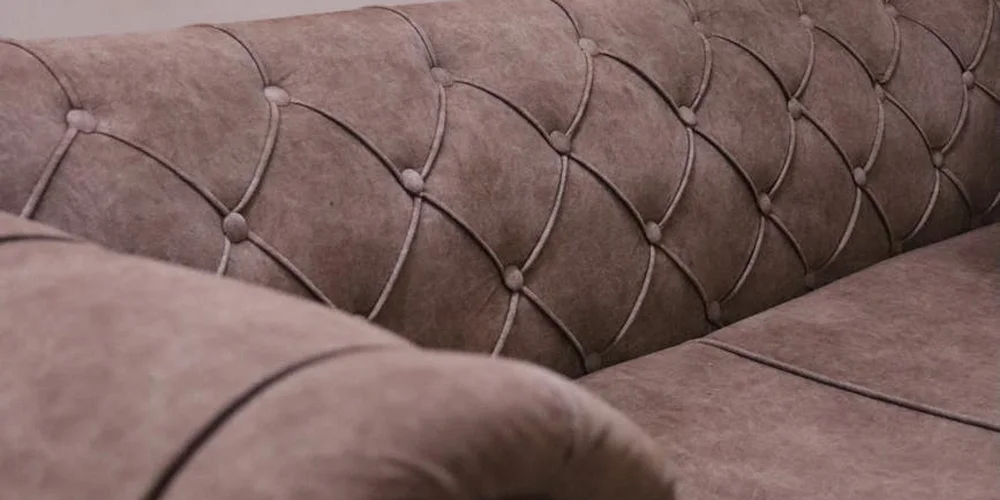
When a spill happens, don’t panic. Faux suede is more resilient than you might think if you treat it with a gentle, consistent hand. This is my go-to method, developed from years of fixing similar materials on bags and jacket linings.
1. The Golden Rule: Blot, Don’t Rub
Your first move is the most important. Grab a clean, dry, absorbent cloth or paper towel. Press it firmly onto the spill. Lift. Press again. Rubbing is your enemy, especially with delicate materials like suede, as it grinds the spill deeper into the fabric’s tiny fibers and can damage the nap permanently. Think of it like pressing on a cut versus scrubbing it-one contains the problem, the other makes it worse.
2. Tackle the Stain Itself
Once you’ve blotted up all the liquid you can, assess what’s left. Your approach changes based on the culprit.
- For Common Spills (Coffee, Soda, Food):
- Dampen a clean white cloth with cool water. Wring it out so it’s barely damp.
- Add one small drop of mild dish soap or a pH-neutral cleaner.
- Gently blot the stain from the outside in, switching to a clean part of the cloth often.
- Rinse your cloth with clean water, wring well, and blot the area again to remove soap residue.
- Finally, blot the whole area dry with a fresh, dry towel.
- For Oily Marks (Butter, Hand Cream, Grease):
Oil repels water, so you need a different tactic. Use a tiny amount of isopropyl rubbing alcohol (at least 70%) on a hidden area first, like the back of a cushion, to check for colorfastness. If it’s safe, put a little alcohol on a cotton swab or cloth and dab carefully at the center of the stain. The alcohol breaks down the grease. Blot with a dry cloth afterwards. This same method also applies to removing oil stains from leather footwear and other leather items. Try it on shoes, bags, or jackets for consistent results.
- For Dried-On Dirt or Scuffs:
This is where a special tool helps. A faux suede eraser (often a gum-like block) works wonders. Gently rub the eraser over the mark. For a DIY option, sprinkle a little baking soda on the spot. Use a soft-bristled brush, like a clean toothbrush, to gently work it into the fibers. Let it sit for 15 minutes to absorb oils, then vacuum it thoroughly away. This method is also effective for removing marker stains from suede shoes, boots, and other suede materials. If the stain remains, you can repeat the gentle erasing step and brushing.
3. Revive the Nap
After cleaning and once the area is completely bone-dry, the fibers will look matted. Take a soft-bristled brush (a suede brush or even a clean, soft toothbrush) and brush the entire section in one direction. This lifts the nap back up and blends the cleaned spot with the rest of the fabric.
This gentle blot-and-clean method is the same one I’d use for faux suede shoes or a faux suede jacket-the material needs the same careful handling whether it’s on your feet, your back, or your sofa.
Drying, Aftercare, and Keeping It Clean
Rushing the drying process can ruin your good cleaning work. Improper drying can leave water rings or stiffen the fibers.
How to Dry Faux Suede Correctly
Always let the furniture air dry naturally. Keep it away from radiators, hair dryers, direct sunlight, and space heaters. Patience is key. You can use a fan to circulate air in the room to speed things up gently. The heat from a steamer or dryer is a major risk, as it can melt the synthetic fibers or their backing, creating a permanent shiny, hard patch.
Smart Aftercare: Fabric Protector
Once your furniture is perfectly clean and dry, consider applying a fabric protector spray made for synthetic materials. It creates an invisible barrier that makes future spills bead up on the surface, giving you precious time to blot. Always test the spray on a hidden area first.
Answering Common Questions
- Can you use a carpet cleaner on faux suede? I advise extreme caution. The forceful water injection and strong suction can be too harsh. Always check your furniture’s care tag or manual first-it often says not to.
- Can I use a steam cleaner on faux suede? No. The intense heat can easily damage the synthetic material, as mentioned.
- Does vinegar clean faux suede? While vinegar is a mild acid that can work on some stains, it can also strip dyes or coatings. For safety, I recommend sticking with the milder soap or alcohol methods outlined above.
Simple Prevention is the Best Care
A little regular attention prevents big headaches.
- Give your furniture a light weekly brush with a soft brush to lift dust and keep the nap looking fresh.
- Address spills the moment they happen. The faster you blot, the less you have to clean.
- If you have pets, keep their claws trimmed. Consider a soft throw blanket in their favorite spot to protect the surface.
Common Questions
Can I use the same cleaner on my faux suede shoes and my sofa?
Yes, the same gentle, pH-neutral principles apply. For shoes, use a slightly stiffer brush to work cleaner into seams, and always stuff them with paper to hold their shape while drying.
What’s the best commercial faux suede cleaner I can buy?
Look for a cleaner specifically formulated for synthetic microfibers or faux suede. A good product will be water-based, free of harsh solvents, and will clearly state it’s safe for the fabric’s protective coating.
Is there a safe DIY faux suede cleaner I can mix at home?
For most spills, a drop of clear, pH-neutral dish soap in a bowl of distilled water is perfectly effective. For a drying powder to absorb oils, pure baking soda is a safe, inexpensive option.
Can I use a home carpet cleaner on my faux suede sofa?
I strongly advise against it. The excessive moisture and powerful suction can drive water deep into the upholstery padding, leading to potential mold and damage to the furniture’s internal structure.
How do I clean a faux suede jacket or clothing item?
Follow the same blot-and-dry method, but always check the garment’s care label first. Most faux suede apparel should be spot-cleaned only and never submerged or put through a washing machine. Even when cleaning fake suede, you want to be very gentle to avoid damage.
Your Faux Suede Care Routine
The most reliable method is a gentle hand. Always test any cleaner in a hidden spot first, and let a soft-bristled brush do the hard work to lift dirt without harming the delicate nap. This simple, patient approach is what keeps faux suede looking its best for years.
Taking good care of any material, from my old saddle to your modern sofa, is a responsible practice. Learning the right way to maintain your belongings builds useful skills and honors the resources used to make them. Especially when it comes to leather couches and sofas, proper maintenance can significantly extend their lifespan.
Related Guides and Information
- How To Clean Faux Suede: Expert Tips And Techniques – Fabricare Center
- How to Clean a Faux Suede Couch: Best Stain Removers
- How to Clean Different Suede Couches and Furniture | Zerorez Carpet Cleaning
- Keep Your Beautiful Suede Couch Clean and Stain-Free
Harriet is a avid collector of leather goods such as purses, bags, seat covers, etc and has an extensive background in leather care, recovery, stain removal and restoration. She has worked for a number of years perfecting her leather care techniques and knows the ins and outs of restoring all kinds and types of leather products. With her first hand knowledge in leather care, you can not go wrong listening to her advice.
Bonded and Faux Leather Care