How to Pick the Right Leather for Gloves & Boots
Published on: June 12, 2026 | Last Updated: June 12, 2026
Written By: Harriet Nicholson
Hello Tannery Talk. Choosing leather for gloves or footwear can feel overwhelming. You want something comfortable from day one that will also stand up to years of wear.
We will cover the unique needs of hands and feet, how different leathers behave over time, and which types offer the best blend of durability, comfort, and character.
My advice comes from years of conditioning, repairing, and breaking in everything from Scout, my everyday wallet, to heavy work boots that see regular use.
How Do You Choose the Right Leather? Start with This.
Choosing leather is not about picking the prettiest one from a list. Think of it like choosing the right tool for a job. You wouldn’t use a delicate scalpel to chop firewood. For leather, you start by asking a few simple questions.
- Is this for fashion or pure function?
- Does it need to shed water or breathe?
- How many hours a day will it be used?
My saddle, Mason, is built for function. It needed to be tough, breathable, and handle daily sweat and friction. My jacket, June, is a blend of fashion and function, needing a soft drape but also durability for city wear. This simple framework works for anything, from finding the best leather types for furniture to the best leather types for clothing. Match the material’s strengths to the item’s purpose.
Leather for Your Hands: Finding the Perfect Glove
Your hands are sensitive tools. The leather you wrap them in must enhance, not hinder. A delicate evening glove and a rugged welding glove are built for entirely different worlds.
For dexterity, the “handfeel” is everything. The leather must be soft and flexible from the start. It should feel like a second skin, not a stiff barrier. For everyday style and driving, you want something supple like lambskin or deerskin.
Now, for a task like welding, the priorities flip. When considering what are the best leather welding gloves, heat resistance and thickness become non-negotiable. A thick chrome-tanned bovine leather is essential here. It’s been processed to withstand high temperatures and provide a critical layer of protection. This need for a specific performance trait is similar to selecting the best leather types for guitar straps, where softness and drape prevent discomfort during a long set.
Top Leather Picks for Gloves
Here is a quick guide to the leathers you’ll often meet in the glove aisle.
- Cabretta Leather: This is a fine, tight-grained sheepskin. It’s the classic choice for sleek dress or smart casual gloves. It has a refined look but can be delicate.
- Deerskin Leather: Incredibly soft with a natural stretch. It’s warm, flexible, and molds to your hand beautifully. Deerskin is heavenly soft but needs regular conditioning with a light lotion to prevent it from drying out and cracking.
- Goatskin Leather: Tough, grippy, and naturally water-resistant. You’ll find it in durable gardening, work, and motorcycle gloves. It breaks in well and handles abrasion.
- Thick Split Leathers: These are the sturdy, often suede-like inner layers of hide. They are cost-effective and used in heavy-duty work gloves for tasks like construction or logging. They offer great protection but less finesse.
Leather for Your Feet: Boots, Shoes, and Everything Between
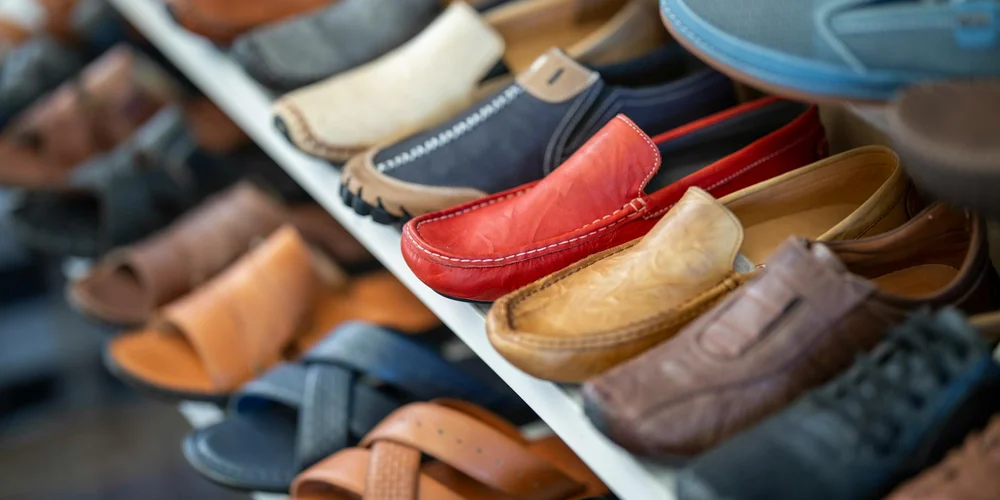
Leather for your feet has a tough job. It supports your full weight, bends with every step, and meets dirt, rain, and salt head-on. It’s why the leather for work boots feels so different from the leather in your favorite sneakers. The right choice here isn’t just about looks. It’s about how the leather will live with you.
For serious work boots, you need dense, oil-rich leather that can resist scuffs and moisture. Think of my old saddle, Mason-thick, sturdy, and made for heavy use. For casual sneakers, you often want something softer and lighter, like the calfskin on my jacket, June. A popular choice for casual boots is “pull-up” leather. It’s stuffed with oils and waxes. When you bend it, the color lightens slightly, showing character right away. It’s forgiving and develops a great worn-in look.
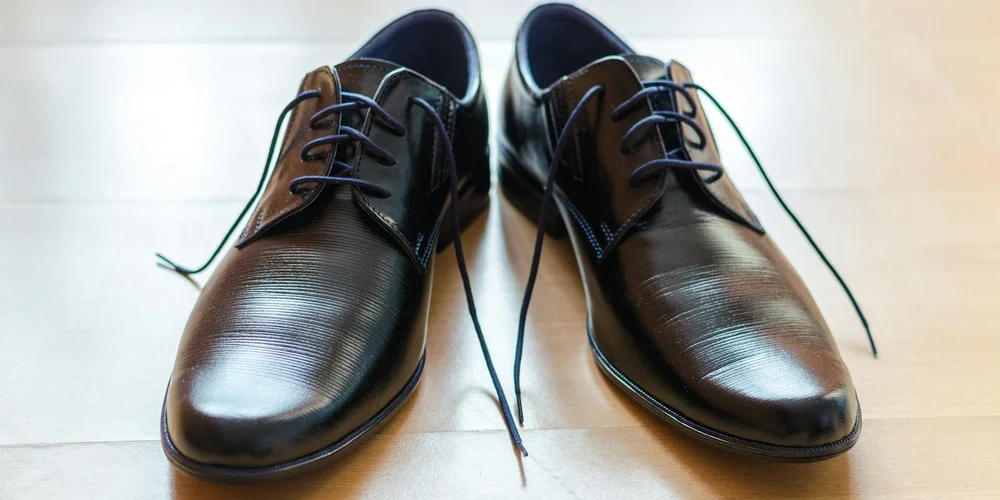
Dress shoes demand a tight, flawless grain for a mirror-like polish. There’s no room for the rustic marks that make work boots handsome. For sandals, you face a choice. Some use soft, supple leather that molds to your foot like a second skin. Others need a firmer structure for arch support, often paired with a cushioned bed. The best one depends on whether you prize comfort or support most.
Top Leather Picks for Footwear
Let’s break down the common heroes you’ll meet.
- Full-Grain Cowhide: This is the durable king for boots. It’s the top layer of the hide, with all its natural grain and scars intact. That natural surface makes it incredibly strong and breathable. It’s the first choice for boots built to last decades.
- Calfskin: This is the go-to for elegant shoes. It comes from younger animals, so the fibers are finer and tighter. It has a smooth, almost silky handfeel and takes a brilliant shine. It’s less about brute strength and more about refined beauty.
- Suede & Nubuck: These are for texture and casual style, common in sneakers and fashion boots. Suede is the fuzzy underside of the hide. Nubuck is the top grain lightly sanded for a velvety feel. They need a bit more care to keep clean.
- Oiled or Waxed Leather: These leathers come pre-treated for weather resistance. They often have a matte, rich appearance and are great for hiking boots or everyday casual wear that might see a sudden downpour.
You’ll also see “corrected-grain” leather. A good way to think of it: full-grain is like a pair of worn-in raw denim jeans, showing its unique life story. Corrected-grain is like new, uniformly dyed denim-it’s been sanded and given an artificial grain to hide imperfections. It’s more uniform, but often less breathable and durable. People seek out durable, attractive full-grain for the same reason they want the best leather for sofas or office chairs-it’s an investment that ages with character, not one that just wears out. But how do these terms map to overall quality grades? Where does ‘top grain’ fit in among them?
Caring for Your Leather Companions: A Simple Routine
Choosing great leather is only the start. The real secret to the “best” leather is how you care for it. A simple, consistent routine keeps everything from heavy boots to delicate gloves supple and strong. This three-step method works for my wallet Scout, a dressy handbag, or a well-worn jacket — especially when paired with high-quality leather conditioner.
Step 1: The Gentle Clean
Dirt acts like sandpaper, grinding down fibers every time you move. Cleaning removes this abrasive grit. Always start with the gentlest method.
For smooth leathers like your boots or shoes, use a soft, dry brush to knock off loose dirt. For grime or salt stains, a damp cloth with a drop of pH-neutral leather cleaner or a classic saddle soap works wonders. Apply with a circular motion, then wipe away the residue with a separate damp cloth. Let it dry completely. These steps are part of the broader question of what are the best cleaning methods to preserve the finish on leather boots and shoes. Using a gentle touch and pH-neutral cleaners helps maintain that finish over time.
For suede or nubuck, never use water or standard cleaners. Use a specialized suede brush or a dry, clean pencil eraser to lift stains gently. The goal is to lift dirt without soaking or scrubbing the delicate nap.
Step 2: The Vital Replenishment
Leather is skin. It loses its natural oils over time, especially when it flexes constantly like on shoes and gloves. Conditioning puts moisture back into the fibers. If the leather feels stiff, looks dusty, or has lost its luster, it’s time. Understanding the science behind leather conditioning—how oils and waxes penetrate the hide—helps explain why regular care matters. This science shows how these substances form a protective, flexible layer that guards against drying and wear.
Use a quality leather conditioner or cream. Apply a thin, even coat with your fingers or a soft cloth. Your body heat helps it soak in. Let it absorb for 15-20 minutes, then buff off any excess with a clean cloth. You’ll feel the difference immediately-it becomes softer and more pliable. This step is non-negotiable for anything that bends. It’s as vital for your hiking boots as it is for historical leather armor, preventing catastrophic cracks in leather.
Step 3: The Smart Shield
Not every piece needs a protector, but it’s a smart move for items facing the elements. Leather protectors or waterproofing sprays create a barrier against water and stains.
Be honest about the trade-off: most protectors will darken the leather slightly, at least temporarily. Test on a small, hidden area first. Use these sprays before a rainy season or on work boots you know will get muddy. Hold the can about six inches away and apply in a light, even coat. Let it dry fully.
Skip this step on very delicate, aniline-dyed leathers (like some luxury bags or fine furniture). Here, the priority is preserving the pure, untreated feel of the leather, and a protector might alter its beautiful handfeel.
Your Leather Questions, Answered Simply
I saw people on Reddit asking about the best leather types for reddit recommends. What’s the deal?
Those threads are a great snapshot of real-world experience. For gloves and footwear, the community consensus is strong. You will see full-grain leather praised constantly for boots. People love its toughness and how it develops a character all its own, like the deep patina on my old saddle, Mason. For gloves, discussions often highlight capeskin or deerskin for their incredible softness and flexibility right out of the box. The advice you find there usually points back to one simple idea: match the leather’s natural strengths to the job you need it to do.
Community wisdom typically reinforces that the best leather is the one built for its specific purpose, not just the most expensive name.
Is the leather for a fancy bag really that different from my work boots?
Absolutely, and thinking about why helps you care for everything better. A formal handbag often uses smoother, tighter-grained calfskin or even exotics. The priority is a flawless appearance and a delicate handfeel. My jacket, June, is made from similar calfskin. It needs gentle conditioning to stay soft, not heavy oils. Your work boots are built like a tank from thick, oily full-grain or rough-out leather. They need to resist abrasion and moisture first. The core principle is the same-use the right care for the specific leather-but the products and pressure you apply scale dramatically.
Comparing bag leather to boot leather is like comparing a silk scarf to a canvas tarp; both are brilliant for their intended use, but you’d never clean them the same way.
How do I actually clean and condition these different leathers?
Let’s break it down by the leather’s finish. This is where most mistakes happen.
For smooth, finished leathers (like most gloves and dress shoes):
- Wipe with a barely damp, soft cloth to remove surface dirt. Never soak it.
- Use a tiny amount of pH-balanced leather cleaner on another cloth, working in small circles.
- Let it dry completely, which usually takes about an hour.
- Apply a light, neutral conditioner. Buff off any excess with a dry cloth.
For rugged, oily leathers (like work boots or outdoor gloves):
- Brush off dried mud with a stiff, dry brush.
- Use a dedicated saddle soap with a damp sponge, working up a good lather. This cleans and adds mild moisture.
- Let the item dry naturally, away from direct heat. This can take a full day for thick boots.
- Nourish the leather with a dedicated leather oil or wax-based conditioner, rubbing it in thoroughly.
Always let the leather dry fully between cleaning and conditioning; applying conditioner to damp leather can trap moisture and cause damage. Understanding the difference between leather conditioner and leather oil is also crucial for proper care.
Will conditioning change the color or feel of my leather?
It can, and that’s usually a good sign. Most quality conditioners and oils will darken the leather slightly while it’s wet. As it dries and absorbs, the color often lightens back close to the original, but with a richer, deeper hue. My wallet, Scout, gets darker each time I oil it, but after a day it settles into a warmer, more vibrant brown. The feel should improve, becoming more supple, not greasy. If the leather stays sticky or excessively dark, you likely used too much product.
A slight, even darkening and increased suppleness means the conditioner is penetrating and feeding the leather fibers, which is the goal. In fact, science explains how conditioners interact with the leather fibers and their collagen. This knowledge helps explain why balanced conditioning preserves texture and durability.
What does “patina” mean, and why do some leathers get it more than others?
Patina is the beautiful, unique wear pattern that develops over time. It’s not damage; it’s a record of your use. Think of it like the fading on a perfect pair of jeans. Leathers with a natural surface, like full-grain or veg-tan, develop the most dramatic patina because their top layer is alive and reacts to light, oils, and touch. Corrected grain or heavily painted leathers resist patina because that reactive top layer was sanded off and covered. The patina on Mason, my saddle, tells a story of every ride.
A developing patina is a sign of a quality, natural leather that you are caring for properly through its life.
I care about animal welfare. How does that fit into choosing leather?
This matters. As a craftsperson, I believe respect for the material starts at the source. Look for transparency. Terms like “by-product of the meat industry” mean the hide was not the primary reason for the animal’s life. Certifications from groups like the Leather Working Group (LWG) audit tanneries on environmental and ethical practices. Choosing full-grain leather from responsible sources also means you’re buying a durable material that, with your care, won’t need replacing for decades. It’s about making a thoughtful, long-lasting choice. Ethical and sustainable sourcing can influence how a hide behaves in use. Different tanning methods can affect flexibility, durability, and patina over time.
Seeking out ethically sourced leather is an extension of good care, ensuring the item you cherish honors its origin. That includes cowhide leather—understanding its properties and how humane, safe practices affect sourcing. Ethical sourcing should guide your choice.
Quick Answers
What are the best leather types for a sofa or armchair?
For heavy use, you want a durable, protected leather. Top-grain or protected full-grain cowhide is best; it resists scratches and spills, and needs only a light dusting and conditioning once a year with a product meant for finished upholstery.
What leather makes the best guitar strap?
You need a strap that’s soft, flexible, and can handle sweat. A lightly oiled or veg-tan leather will mold to your shoulder and develop character, but keep it clean with a dry cloth and condition it sparingly to maintain its drape.
What should I look for in a leather wallet for daily use?
Prioritize tight grain and structure to prevent stretching. A good vegetable-tanned or compact calfskin will hold its shape for years; just keep it out of your back pocket to avoid stress and condition it maybe once a year to prevent the leather from drying out.
You mentioned armor. What leather is historically accurate for that?
Authentic armor used thick, hard vegetable-tanned cowhide or bovine hide, often boiled or waxed for rigidity. The preservation focus for such pieces is stabilizing the environment to prevent rot and using pure neatsfoot oil sparingly to maintain flexibility without causing weight-distorting saturation.
Final Thoughts on Leather for Gloves and Footwear
Your choice ultimately hinges on pairing the leather’s innate qualities with the task at hand. Select full-grain or rugged pull-up leather for footwear that must endure, and prioritize supple, breathable hides like cabretta or deerskin for gloves that need to move with you.
I advocate for purchasing from transparent sources that respect animal welfare and use responsible tanning methods. Building a simple care habit, as I do with Mason’s saddle, not only prolongs your gear’s life but deepens your connection to the craft.
Expert Resources and Citations
- Premium Leather Gloves since 1998 – Leather Gloves Online
- Leather Gloves | English Men’s Shoes & Boots | Loake Shoemakers
- The Glove Boot – Black Nappa Leather
Harriet is a avid collector of leather goods such as purses, bags, seat covers, etc and has an extensive background in leather care, recovery, stain removal and restoration. She has worked for a number of years perfecting her leather care techniques and knows the ins and outs of restoring all kinds and types of leather products. With her first hand knowledge in leather care, you can not go wrong listening to her advice.
Boot and Shoe Care