How to Waterproof Leather Jackets, Boots, and Shoes for Complete Rain Protection
Published on: June 8, 2026 | Last Updated: June 8, 2026
Written By: Harriet Nicholson
Hello Tannery Talk. I see you, standing at the window watching the rain fall, wondering if your favorite leather pieces will make it through another wet season. You want to keep them safe without ruining their look or feel.
This guide will walk you through the entire process, covering the different waterproofing methods, the correct way to apply any product, and a simple schedule to keep your gear protected.
My advice comes from years of hands-on care for pieces like my riding saddle, Mason, and my daily jacket, June, through all kinds of weather.
What Should You Use to Make Leather Water Resistant?
Think of waterproofing as giving your leather an umbrella. You have a few good choices, each with a different purpose. However, leather isn’t naturally waterproof, so this extra protection is important.
Conditioners with Waxes or Oils
This is a two-in-one job. These products feed the leather’s fibers and leave a protective layer. Using a conditioner with wax or oil is like applying a rich lotion to your skin; it moisturizes and creates a natural barrier at the same time. My saddle, Mason, thrives on this. A wax-heavy conditioner gives his chestnut hide a soft glow and tells light rain to bead right up, penetrating and protecting his leather as it should.
Dedicated Waterproofing Sprays
Sprays are specialists. They lay down a clear, protective shield on top of the leather. A waterproofing spray is like a light, breathable raincoat you put over your jacket; it’s a focused layer of defense without changing the leather’s handfeel much. This is what I use on my calfskin jacket, June, before a damp fall season. It protects her soft grain without adding weight.
Wax-Based Pastes (like Dubbin)
This is heavy-duty armor for heavy-duty jobs. These thick pastes are packed with waxes and oils. They deeply penetrate and coat. It’s the best choice for rugged boots or items that will see mud, slush, or constant wet conditions. The leather will darken and develop a robust, waxy finish.
My advice is to find products from companies known for quality leathercraft or tanning. The ingredient lists are often clearer, and they’re made to work with leather’s chemistry. Understanding how tanning chemistry affects care can help you pick durable, compatible products. Different tanning processes influence how finishes and conditioners penetrate and wear.
Remember one key fact. No product makes leather 100% waterproof or submersible. The real goal is strong water resistance, making moisture bead up and roll off so it doesn’t soak in and damage the core fibers. If you fall into a creek, your boots will get wet. But with good care and proper drying techniques, they will dry out properly and survive.
How Do You Prepare Leather for a Waterproofing Treatment?
This step cannot be rushed. Applying any protector to dirty leather seals that grime in forever. I learned this the hard way years ago. Now, cleaning is a non-negotiable ritual.
First, look your piece over. Are there deep scuffs, cracks, or heavy salt stains? These might need a specific repair or cleaning step first. For general preparation, follow this order.
- Brush Off Loose Dirt. Use a soft horsehair or bristle brush. Gently brush the entire surface, especially along seams and stitching. This prevents you from grinding dust into the leather during the next step.
- Clean with a Proper Leather Cleaner. Apply a neutral, pH-balanced leather cleaner or a mild saddle soap with a damp cloth. Work in small circles, lifting the dirt from the grain. For my wallet, Scout, I use a tiny amount of cleaner on a soft cloth to wipe away the patina of daily life.
- Let it Dry Completely. This is where patience pays. Let the item dry naturally, away from direct heat like radiators or hair dryers. Heat can bake and brittle the leather.
How do you know it’s truly dry? Touch it. The leather should feel cool and be the same temperature as the room, not cold or damp to the touch. This can take a few hours, sometimes overnight for thick boots. If you apply wax or spray to damp leather, you trap that moisture inside, which can lead to mildew or weakening fibers. Knowing the right amount of drying time is crucial before conditioning.
Once it’s clean, dry, and at room temperature, your leather is a perfect canvas. It’s ready to absorb the benefits of your chosen protector and build a lasting defense against the rain.
What’s the Step-by-Step Process to Waterproof Leather?
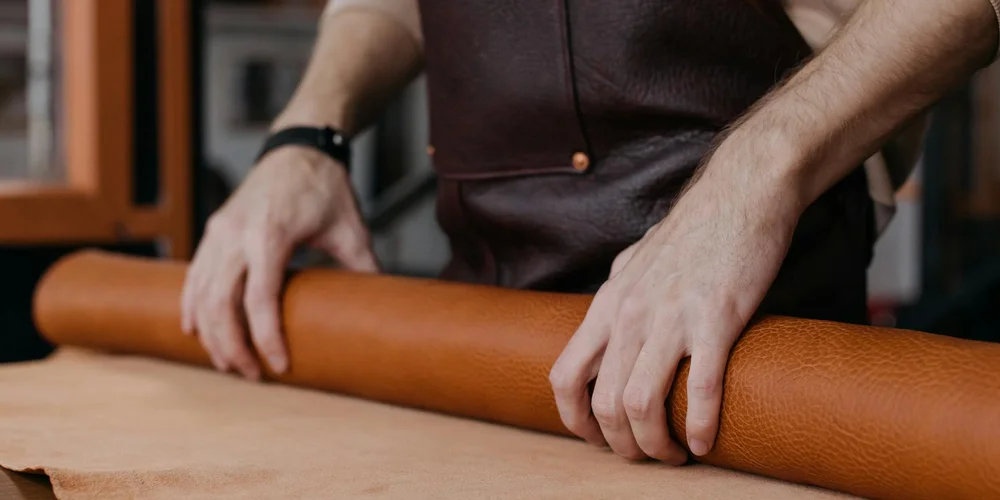
One rule comes before all others. Always test your chosen product on a small, hidden area first, like an inside seam or pocket, and let it dry completely to check for color change or texture issues. This simple step prevents surprises on your favorite pieces. The goal is a complete, even layer of protection, not a soaked piece of leather.
How to Waterproof a Leather Jacket (Like June)
Think of your jacket in panels-back, front, sleeves. Work on one section at a time. For a cream or wax-based product, dab a small amount onto a clean, soft cloth. Rub it into the leather using small circles. Pay extra attention to seams and creases, like the elbows and shoulders, as these are spots where water can sneak in. Let the product absorb for a few minutes, then gently buff off any excess with a dry part of the cloth.
If you’re using a spray waterproofer, take it outside or to a very well-ventilated room. Hold the can about 6 to 8 inches away from the jacket. Use steady, sweeping motions to apply a light, even coat. Don’t spray too heavily in one spot. For a delicate lambskin leather jacket, look for a conditioner or spray labeled as safe for nappa or soft leathers to avoid stiffening the hide. Let the jacket dry flat, away from direct heat, for at least 24 hours before you wear it.
How to Waterproof Leather Boots for Everyday Wear
Your boots face the most direct contact with water. Cleaning them first is non-negotiable. Start with a damp cloth to remove dirt, then let them dry fully. When applying your protector, focus on the high-wear zones. Apply conditioner or wax generously to the toe cap, the welt where the sole meets the upper, and the flex point around the ankle-these areas crack and leak first.
Do not forget the tongue. Pull it all the way out and treat both sides thoroughly. The stitching along seams is another critical entry point for moisture, so make sure product gets worked into those threads. For rugged work or hiking boots, a wax-based product often provides a more durable, long-lasting barrier against wet conditions. After treatment, let the boots rest for a day so the leather can fully absorb the conditioner.
How to Waterproof Leather Shoes or Dress Boots
The aim here is protection without a heavy, greasy look. Choose a lighter cream conditioner or a dedicated waterproofing spray for dress shoes. Use less product than you would on work boots, and buff it thoroughly to maintain that sleek, polished finish. Pay special attention to the sole edge and the instep, as these areas can wick water up into the shoe from wet pavement. Also, when you apply a protective spray, do it properly—spray evenly from a short distance and let it dry before wearing. For suede shoes or boots, use a spray formulated for suede and follow the label directions.
If you’re caring for delicate calfskin or similarly fine leathers, the gentler your touch, the better. A light application of a pH-balanced conditioner is often enough to nourish the leather and provide a slight water-resistant barrier. Applying too much heavy product is a common mistake that can clog the pores of fine leather and alter its soft handfeel. A simple fix is to buff vigorously with a soft brush or cloth to remove any excess residue.
Does the Method Change for Suede, Nubuck, or Full-Grain?
Absolutely. The technique hinges on one simple distinction: is the leather smooth or does it have a nap?
For suede and nubuck, you must use a spray protector made specifically for these materials. These specialty sprays create an invisible shield without gluing down the delicate nap, which keeps the texture looking soft and matte. Hold the can 5-6 inches away and apply two light coats, letting it dry between each, rather than one heavy soaking coat.
For smooth leathers like full-grain or top-grain, the conditioner, wax, or spray methods described above are perfect. Remember that oil-tanned or pull-up leathers will darken more noticeably when treated, much like a pair of dark denim fades with wear—it’s part of their character. With any type of leather, using the wrong product is the most frequent error, so always match the protector to your leather’s finish, especially when deciding between leather conditioner and leather oil.
How Do You Care for Waterproofed Items After the Rain?
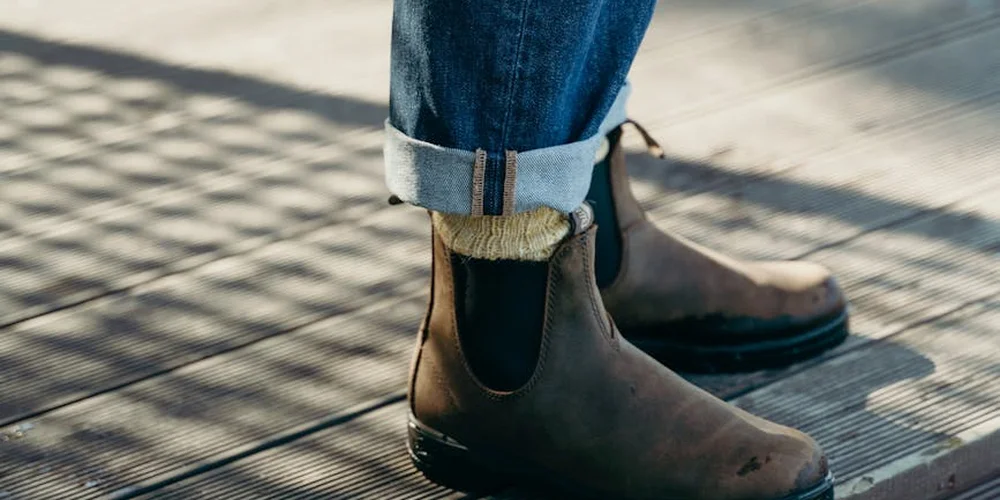
Your work isn’t done when the rain stops. How you treat a wet piece determines its long-term health. I treat my jacket June and my boots the same way after a downpour.
Start by gently wiping off all surface moisture with a clean, dry, absorbent cloth. Dab and wipe, don’t rub harshly. This simple step removes most of the water before it tries to seep past your protective treatment.
Next, let the item air dry. This means keeping it at room temperature, in a spot with good air circulation, and far away from direct heat sources. Never place leather on a radiator, in front of a heater, or use a hairdryer. Intense heat cooks the leather, making it brittle and prone to cracking.
For jackets, hang them on a wide, padded hanger. For boots and shoes, stuff the toes and shafts loosely with crumpled newspaper or plain paper. This paper soaks up internal moisture and helps the item hold its shape as it dries. Never store a damp piece in a dark closet or stuffy bag, as this invites mold.
Patience is key. Drying can take a full day or more for a soaked boot or leather jacket or shoes. Once the leather is completely dry to the touch, give it a light buff with a soft horsehair brush or a clean cloth. This revives the finish and brings back a gentle luster.
How often should you reapply your waterproofing treatment? Forget a rigid calendar schedule. The leather itself will tell you when it needs more protection: when water stops beading up on the surface and starts soaking in, it’s time for a fresh coat. For my daily boots, that might be every few months. For a jacket worn occasionally, it could be once a season.
What Common Mistakes Should You Avoid When Waterproofing?
A few simple missteps can undo your good work. Here’s what I see most often in the workshop.
Pitfalls in the Process
- Using silicone-based sprays long-term. They create a plastic-like seal that can trap moisture inside the leather over time, leading to rot. They also prevent the leather from breathing naturally.
- Applying any product to dirty or wet leather. You’ll just seal in grime or water. Always clean and let the leather dry fully first.
- Over-saturating the leather. More is not better. A thin, even coat is what you want. Excess product can clog the pores and leave a sticky, greasy residue that attracts dirt.
- Using heat to speed up drying. I’ll say it again: heat is leather’s enemy during care. It dries out the natural oils far too quickly.
The Household Items Question
I often get asked about using kitchen or bathroom items. While the intent is good, these are usually poor substitutes.
Olive oil, coconut oil, or other cooking oils can go rancid inside the leather, leading to odd smells and degrading the fibers. Vaseline and other petroleum jellies never fully absorb. They over-soften the leather, attract every speck of dust, and can stain. Plain beeswax alone is too thick and brittle; it needs to be blended with oils and conditioners (like in a good leather balm) to be effective and nourishing.
With proper preparation and the right product, waterproofing is a straightforward and satisfying part of leather care. It’s a simple habit that adds years to the life of your favorite gear, letting you enjoy them in any weather with confidence. It also helps protect leather sheepskin from rain and water damage.
Common Questions
How often should I reapply a waterproofing treatment?
Forget a strict calendar. Reapply when water no longer beads on the surface but soaks in instead. For daily boots, this might be every few months; for a seasonal jacket, once a year often suffices.
What’s the most frequent mistake people make with products?
Using the wrong protector for the leather type, like applying a wax paste to suede. Always match the product to your leather’s finish-smooth or napped-and test it on a hidden spot first.
Can I use something from my kitchen, like olive oil?
Do not. Food oils can go rancid, damaging the leather’s fibers. Use products formulated for leather preservation; they contain stable conditioners and protectors that won’t spoil.
My gear just got soaked. What’s the first thing I should do?
Immediately wipe off all surface moisture with a dry cloth, then let it air-dry naturally away from heat. This prevents water from breaching the protective barrier you worked to establish.
Keeping Your Leather Dry and Durable
I always prep my jacket June with a good clean and condition before reaching for the waterproofing spray. A prepared surface lets the protector bond deeply, creating a shield that’s both effective and gentle on the leather.
Caring for leather is a responsible act that honors its origins and promotes sustainability. Continuously learning about maintenance techniques helps you make ethical choices and extend the life of your valued pieces.
Further Reading & Sources
- r/Leatherworking on Reddit: Leather waterproofing
- Otter Wax Boot Wax | Heavy-Duty Leather Waterproofing Treatment
- Waterproofing Wax for Leather – Nikwax NA
- The Art of Waterproofing Leather: A Comprehensive Guide – Tandy Leather, Inc.
Harriet is a avid collector of leather goods such as purses, bags, seat covers, etc and has an extensive background in leather care, recovery, stain removal and restoration. She has worked for a number of years perfecting her leather care techniques and knows the ins and outs of restoring all kinds and types of leather products. With her first hand knowledge in leather care, you can not go wrong listening to her advice.
Waterproofing Leather (Sprays vs. Waxes)