How Do You Shield Leather and Sheepskin from Water?
Published on: June 29, 2026 | Last Updated: June 29, 2026
Written By: Harriet Nicholson
Hello Tannery Talk. You’re here because you felt that first drop of rain on your favorite leather jacket, and a wave of worry followed it. That’s a feeling I know well.
I will guide you through the simple, proactive steps that work. This article covers how leather and sheepskin react differently to moisture, the protective products that actually help, your routine before bad weather, and what to do if your piece gets a serious soaking.
My advice comes from years spent restoring pieces like Mason’s saddle and June’s jacket, learning what truly guards against the elements.
What Really Happens When Leather or Sheepskin Gets Wet?
Think of leather like a sponge. It’s a network of fibers, held together and kept flexible by natural oils. When water hits it, two things happen at once: it tries to repel the moisture, but soaked leather can still be damaged if not properly protected and cared for.
First, water pushes those precious oils out of the fibers. Second, the water soaks in, causing the fibers to swell. As the item dries, the water evaporates and takes more oil with it. The swollen fibers then shrink back down, often tighter than before. The result is a stiff, dry, and brittle feeling. Over time, this cycle weakens the material, leading to cracks.
Water also leaves marks. Minerals and dirt in rain can create dark spots or rings as they dry, which are often permanent.
Not all materials react the same. My saddle, Mason, is a dense, smooth full-grain leather. A light rain might bead up for a minute, but a steady drizzle will soak right in. Sheepskin is a different story. The leather side acts like Mason, but the wool side soaks up water like a thirsty towel. That wool can hold a surprising amount of moisture, which takes much longer to dry completely. Understanding what’s different about sheepskin helps explain why it behaves this way.
This brings us to a common question: can you wear a leather jacket in the rain? The answer isn’t “no,” it’s “not without preparation.” Wearing June, my jacket, in a sudden shower isn’t a disaster if she’s been properly cared for. It’s about building a defense, not living in fear of clouds.
People also ask if sheepskin leather is waterproof. The skin has natural lanolin (a waxy oil) that gives it some water resistance, much like a duck’s feathers. But it’s not a plastic coating. That natural resistance has limits, and once the lanolin is washed away or the wool is saturated, water will win. The goal is to support that natural defense. For outdoor use in rain or wet conditions, leather is typically water resistant, not fully waterproof. A light touch of waterproofing or conditioning can help it stay durable in those environments.
How to Prepare Your Gear for a Rainy Day
Preparation is everything. A few simple steps make the difference between a piece that survives a storm and one that suffers. This isn’t a last-minute spray. It’s a mindful ritual.
Start with a pre-weather check. This takes about 15 minutes.
- Inspect: Hold the item under good light. Look for any existing cracks, deep scratches, or dried-out spots. These are weak points where water will enter first.
- Clean: Use a soft, slightly damp cloth to wipe away surface dirt. For sheepskin wool, a gentle brush works well. Let the item dry fully for an hour. Never condition damp leather.
- Feel: Press the leather. Does it feel supple, or dry and stiff? The back of your hand is a good test. Dry leather will feel thirsty, not smooth.
Now, the most critical step: conditioning. A protectant spray sits on top. A conditioner sinks in to feed the fibers from within, which is your true base layer of defense.
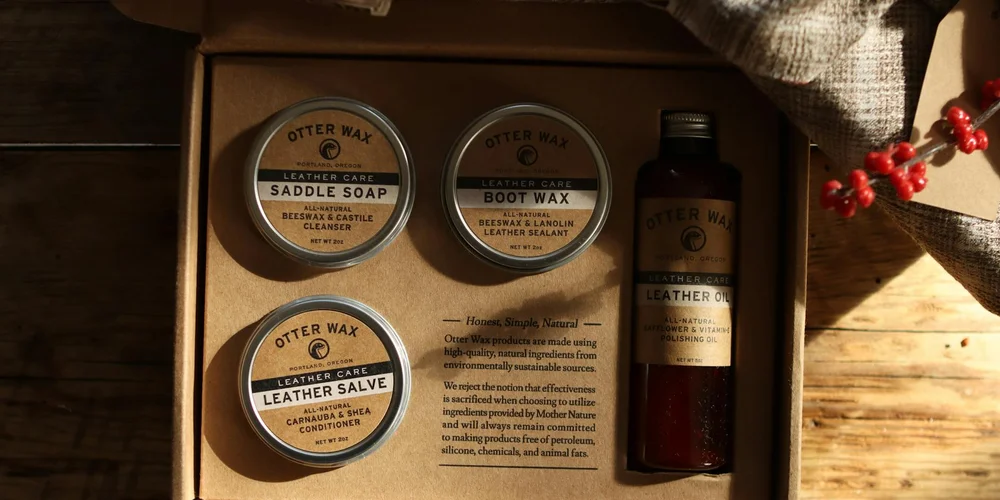
Conditioning is non-negotiable. It replaces the oils water strips away, keeping the fibers strong and flexible so they can handle getting wet and drying out without damage. Use a product suited to your item. For Mason’s saddle or a robust boot, a heavier oil or wax-based conditioner works. For June’s softer calfskin or a bag, a lighter, pH-balanced leather cream is better. Apply a thin, even coat with a clean cloth, let it soak in for an hour, then buff off any excess. Using the best oil conditioning keeps leather soft and prevents cracking over time. In the next steps, we’ll point you to the best oil options for this purpose.
The principle is the same for every item, but the scale changes. Preparing June the jacket means conditioning the entire outer shell, paying attention to the seams. Preparing Scout the wallet means applying just a drop of conditioner to a cloth and working it into every fold and edge. Different items, same core rule: nourished leather is resilient leather.
Only after conditioning should you consider a dedicated water protectant spray. These add a temporary, water-repellent layer on top. They help, but they are not a substitute for a well-fed hide.
The Best Way to Apply a Water Protectant
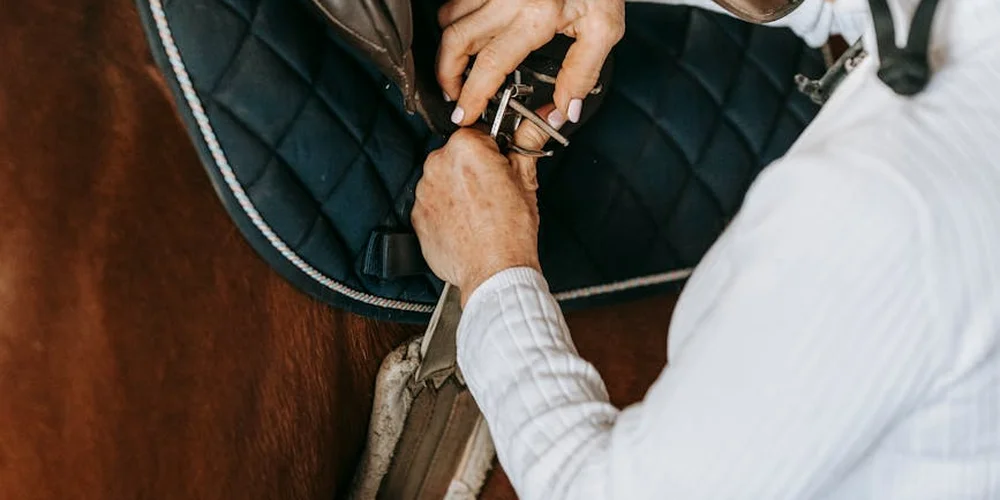
Think of a protectant as a raincoat for your leather. It will not make it a submarine. The goal is to create a barrier that gives you time to get to shelter before water soaks in.
I keep three main types in my shop. Your choice depends on the leather and the look you want.
| Type | Best For | Pros | Cons |
| Silicone-Based Spray | Sporting goods, heavy-duty work boots, items where appearance is secondary. | High water resistance, durable, easy to apply. | Can feel plastic-like, may reduce leather breathability over time, can darken some leathers. |
| Wax-Based Cream (e.g., Beeswax blends) | Full-grain leather boots, outdoor gear, items needing conditioning and protection. | Nourishes while protecting, builds a classic patina, more breathable than silicone. | Requires buffing, needs more frequent reapplication, can significantly darken leather. |
| Modern Fluoropolymer Spray | Fine leathers, suede, nubuck, colored leather where you want to preserve the original handfeel and color. | Excellent water and stain resistance, does not alter color or texture, remains breathable. | Often the most expensive option, effectiveness can diminish with abrasion and time. |
How to Apply Any Protectant Correctly
Rushing this job leads to uneven protection or, worse, damage. Here is my workshop method.
- Start Clean and Dry. Your leather must be clean and fully dry. Any dirt or old conditioner under the sealant will be trapped there.
- The Hidden Test. Apply a small amount to a discreet spot, like inside a belt loop or under a collar. Check for 24 hours to ensure no discoloration or texture change occurs.
- Find Your Space. Work in a well ventilated area, away from sparks or flame. Lay down newspaper.
- Apply Thin, Even Coats. Hold the spray or cloth 6-8 inches away. Use a light, sweeping motion. A single heavy coat will take forever to dry and can leave a sticky residue that attracts dirt. Let the first coat dry completely (usually 2-4 hours) before considering a second, very thin coat.
- Buff Wax Gently. If using a wax cream, let it haze over (about 10 minutes), then buff with a soft, clean cloth to a soft sheen.
- Let It Cure. Give the item a full 24 hours before using it. This lets the protectant fully bond.
A Special Note on Sheepskin Boots
Those popular waterproof sheepskin leather boots for women need a two part approach. The leather upper and the wool cuff are two different materials.
- For the Leather: Follow the steps above. A fluoropolymer or wax based cream is often a good choice for the smooth leather.
- For the Sheepskin Wool Cuff: You must use a protector made specifically for suede and sheepskin. These sprays are designed to repel moisture without matting the delicate wool fibers. Hold the can farther away (about 10 inches) and use a very light, dusting motion. Never saturate the wool.
Treat them as separate projects on the same boot. Protecting only the leather leaves the cuff vulnerable.
What to Do Immediately After a Soaking
Even the best protectant can be overwhelmed. Panic is the real enemy here. I learned this when Mason, my saddle, got caught in a sudden downpour. Calm, slow action saves the leather.
The Urgent DOs
- Blot, do not rub. Use a clean, absorbent towel to gently press water from the surface. Rubbing grinds water and dirt deeper into the grain.
- Stuff to hold shape. For boots, bags, or gloves, stuff them loosely with crumpled white paper or a dry towel. This absorbs moisture from the inside and prevents ugly shrinkage and creasing.
- Air dry slowly, away from heat. Place the item at room temperature with good airflow. Rotate it and change the stuffing paper every few hours as it becomes damp.
The Critical DON’Ts
- Do not use direct heat. No hairdryers, radiators, or oven doors. Intense heat bakes the leather, making it brittle and prone to cracking. It can also set stains.
- Do not wear damp leather. Putting weight and stress on wet leather stretches it permanently. Your boots will lose their shape.
- Do not store it wet. Leather left damp invites mold, which leaves permanent spotting and a musty smell.
The Step by Step Recovery Plan
Once the immediate crisis is over, follow this plan to restore your gear. My jacket June needed this after a long, rainy walk.
- Ensure Complete Dryness. This is the most important step. Patience is key. It can take 24-72 hours for thick leather to dry all the way through. The item should feel cool and supple, not stiff or damp, all over.
- Gentle Cleaning. Once dry, the leather may have water spots or salt rings. Use a pH balanced leather cleaner with a soft brush to gently clean the surface. This preps the leather for conditioning.
- Deep Conditioning Session. Soaking strips leather of its natural oils. This conditioning step is non-negotiable for restoring flexibility and preventing cracks. Apply a generous amount of a quality leather conditioner or balm. For a piece like Mason, I use a richer oil based conditioner. For softer leathers, a lighter cream.
- Let It Absorb. Allow the conditioner to soak in for several hours, then buff off any excess with a cloth. The leather should look nourished, not greasy.
- Re apply Your Protectant. The soaking likely stripped away your previous water protection. Once conditioned and clean, apply a fresh layer of your chosen protectant, following the full application guide above.
This process takes time, but it respects the material. Rushing it with heat or skipping conditioning will result in stiff, damaged leather that ages poorly, as slow drying is crucial.
Special Care for Different Leathers and Sheepskin
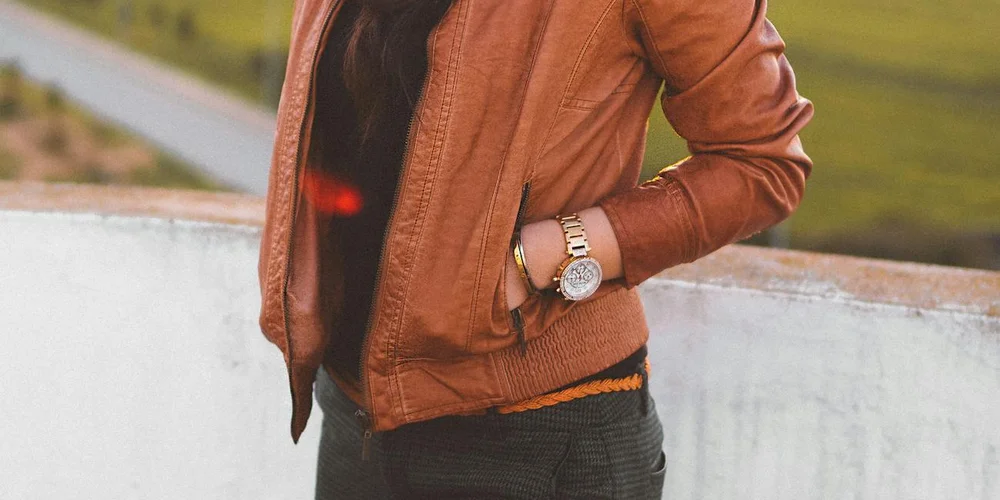
Leather isn’t just one thing. Its personality, and how it handles water, depends on its finish. Think of it like different types of wood. You wouldn’t treat oak the same way you treat cedar. Here’s a straightforward guide to help you match your care to your gear.
| Leather Type (Example) | Water Behavior | Your Care Strategy |
|---|---|---|
| Smooth, Aniline or Calfskin (like my jacket, June) | Shows water spots easily. Can stain if unprotected. | This type needs the most attention. Always use a protectant spray designed for smooth leathers before wearing in damp conditions. For jackets or coats, pay special attention to the shoulders and seams. If it gets wet, blot with a dry cloth and air dry away from heat. |
| Oily Pull-Up or Waxed Leather (like a heavy work boot) | Very forgiving. Water often beads up. Darkens temporarily where flexed. | This is your rain-friendly leather. Can leather boots be worn in the rain? If they’re made of this sturdy, oily leather, the answer is a careful yes. Just let them dry naturally, stuffed with newspaper, and condition them every few months to replenish the oils that make them so resilient. |
| Full-Grain Veg-Tan (like my wallet, Scout) | Absorbs water, which can lead to dark stains and warping if severe. | Keep it dry. If it gets damp, dry it slowly at room temperature. Over time, a patina will build and offer some natural protection, but a light application of a conditioning protector is a good safety net for items like belts or knife sheaths. |
| Suede & Nubuck | Very absorbent. Water creates dark, matte spots. | Pre-treatment is non-negotiable. Use a fluorocarbon-based suede protector spray from day one, and reapply after cleaning. For suede gloves, this is your best defense. If wet, brush the nap gently with a suede brush only after it is completely dry. |
| Sheepskin & Shearling | The leather backing can stiffen, and the wool can become matted. | Shake off moisture. Never rub the wool. Dry at room temperature, away from direct heat, with the skin side out if possible. Once fully dry, brush the wool gently to restore its fluff. For coats, this careful drying prevents the hide from becoming board-like. |
Common Mistake and Fix: Water Spots
You get caught in a drizzle, and now your smooth leather bag has ugly dark spots. Don’t panic. The spot is often just trapped moisture under the surface finish.
- Let the item dry completely for a full 24 hours.
- Often, the spot will vanish as it dries.
- If it remains, gently condition the entire panel, not just the spot. This evens out the moisture content in the leather. The spot usually disappears.
Building a Simple, Lifelong Protection Habit
Protection isn’t about frantic scrubbing after a storm. It’s about small, consistent habits. Leather and sheepskin are strong. With a little routine care, they can handle life with you for decades.
The After-Dampness Routine (5 Minutes)
This is your most important habit. When you come in from the rain or snow:
- Wipe down smooth leathers with a dry, soft cloth.
- Stuff wet boots or shoes with crumpled newspaper to draw out moisture and hold their shape.
- Let everything air dry naturally, away from radiators, fires, or direct sun.
- Brush suede or sheepskin once bone-dry.
This one act prevents 90% of water-related leather problems.
The Seasonal Refresh (Every 6-12 Months)
Think of this as a check-up for your gear. I do this every fall for my winter items. Here’s the simple sequence:
- Clean: Use a pH-balanced leather cleaner to remove dirt and old residues. For sheepskin, use a cleaner made for suede or wool.
- Condition: Apply a light, even coat of conditioner suitable for your leather type. This replaces the natural oils that time and weather strip away.
- Protect: Once the conditioner is absorbed (usually after 24 hours), apply your water protector spray. Two light, even coats are better than one heavy, dripping coat.
A few years back, a friend brought me a vintage briefcase left in a leaky attic. It was covered in dark water spots and felt stiff as cardboard. We didn’t do anything dramatic. Just a gentle clean, two rounds of conditioning over a week, and a lot of patience. The spots faded into the patina, and the leather softened up beautifully. Leather has a incredible memory for life, and it often wants to come back if you give it what it needs: gentle cleaning, good nourishment, and time. That experience sparked my interest in vintage leather bag restoration, especially identifying age to guide proper repair techniques. Knowing the era helps determine the appropriate methods to preserve authenticity.
Common Questions
Is sheepskin leather naturally waterproof?
No. The lanolin in the skin offers initial water resistance, but it’s easily depleted. Once saturated, both the leather and wool will soak up water, leading to stiffness and potential damage—so even leather shoes should be carefully dried.
How often should I re-treat my “waterproof” sheepskin boots?
Treat them at the start of each wet season and immediately after a serious soaking. The protectant layer wears off with use, abrasion, and time, so relying on a single treatment is a mistake.
Can I use my regular leather conditioner on the wool cuff of my boots?
Absolutely not. Oils and creams will mat the wool fibers. You must use a spray protector formulated specifically for suede and sheepskin on the wool to repel moisture without damaging it.
My jacket got damp and now has dark spots. Did the protectant fail?
Not necessarily. Spots are often moisture trapped under the surface. Let the jacket dry completely for 24 hours; if spots remain, a gentle conditioning of the entire panel usually evens it out.
What’s the fastest, safest way to dry a soaked sheepskin item?
There is no fast way. Stuff it to hold shape, blot excess water, and air-dry at room temperature with good airflow. Never apply direct heat, as it will cook the leather and ruin the wool’s loft. That same gentle, heat-free method works for drying leather jackets and shoes without damage.
Caring for Your Leather in Wet Weather
The best protection starts before the storm. Keep your leather conditioned to maintain its natural water resistance, and always dry it slowly away from direct heat if it does get soaked. To guard against rain and moisture, learn how to properly waterproof leather jackets, boots, and shoes. Proper waterproofing helps your gear stay durable in wet weather.
Proper care extends the life of your gear, which is the most sustainable choice you can make. Honoring the material through regular maintenance is a simple, rewarding part of the craftsmanship.
Research and Related Sources
- r/leatherjacket on Reddit: Weather proofing sheepskin jacket
- Is Sheepskin Waterproof? Weather Proof Natural Properties
- What is sheepskin leather? The ultimate guide!
Harriet is a avid collector of leather goods such as purses, bags, seat covers, etc and has an extensive background in leather care, recovery, stain removal and restoration. She has worked for a number of years perfecting her leather care techniques and knows the ins and outs of restoring all kinds and types of leather products. With her first hand knowledge in leather care, you can not go wrong listening to her advice.
Waterproofing Leather (Sprays vs. Waxes)