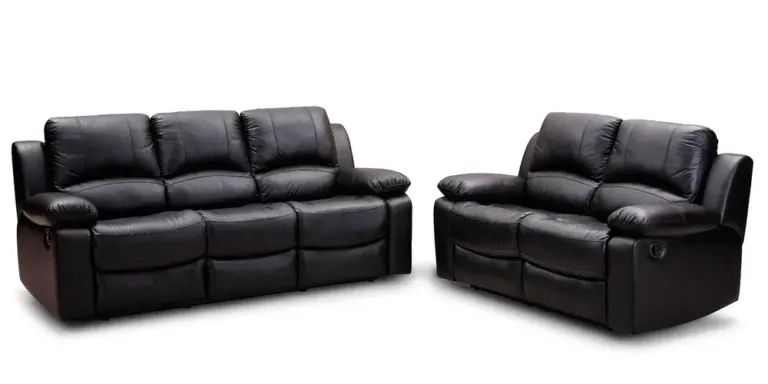
How to Protect Your Leather Couch from Bed Bugs: Prevention & Safe Treatment
Published on: May 26, 2026 | Last Updated: May 26, 2026
Written By: Harriet Nicholson
Hello Tannery Talk. Finding a bed bug on your leather sofa is a sinking feeling. I want to reassure you that with the right approach, you can protect your investment and sleep soundly again.
This guide walks you through a practical plan, from creating a hostile environment for pests to treating an infestation without harming the leather. We will cover effective prevention steps, how to spot early warning signs, and the safest cleaning methods for your couch.
My advice comes from years of maintaining leather, where understanding a material’s vulnerabilities is the first step in defending it.
How Do Bed Bugs End Up on a Leather Couch?
Bed bugs are not drawn to your leather. They don’t crave its scent or feed on its fibers. Think of them as simple hitchhikers. What they follow is warmth and the carbon dioxide we exhale. Your couch is a prime spot because you rest there, providing both.
They arrive by catching a ride. The most common ways are on used furniture, inside luggage from travel, on clothing, or even on a visitor’s bag. Your leather couch becomes a target because it’s where people are, not because of what it’s made from.
Think of it like my wallet, Scout. It doesn’t seek out pocket lint, but after a few days in my jeans, it’s covered in it. Bed bugs operate the same way. They passively transfer from an infested item to the next warm, welcoming surface-which can absolutely be your leather sofa. So yes, bed bugs can get on leather couches. They can go on leather couches just as easily as any other furniture.
Can Bed Bugs Really Live in a Leather Couch?
The direct answer is yes, bed bugs can live in a leather couch, but with a critical clarification. They cannot burrow into the leather hide itself like they might into a fibrous fabric. The dense, finished surface of leather is a barrier to them.
Instead, they live in the habitat the couch structure provides. An infestation happens in the dark, tight spaces around and underneath the leather, not within it. Compare it to a fabric sofa: the bugs can live within the fabric’s weave. On a leather couch, they live in the apartment building next door-the seams, cracks, and folds.
This means bed bugs absolutely can hide in leather couches. You need to check the real estate they can access. Focus your inspection on these specific spots where the leather meets a hiding place. Even though conditioned leather offers some protection, it won’t deter pests.
- Stitch lines and seams: The tiny holes and channels created by stitching are perfect harborage.
- Gaps under buttons or tufts: Any decorative element that creates a shadowy crevice.
- Where cushions meet the frame: Lift every cushion. Check the dark cracks below.
- Underneath skirting or between cushion folds: Any draped or overlapping material.
- Inside zippered cushion covers: If your cushions have removable covers, inspect the interior.
Your First Line of Defense: Practical Prevention Tips

Preventing bed bugs is like caring for my jacket, June. It’s not about fear, it’s about consistent, smart habits that protect your investment. Leather is a durable, non-porous surface, which is a good start, but the seams, folds, and cushions are where trouble can hide. Your goal is to make your couch the last place a bed bug would want to be. It’s essential to properly maintain and condition your leather furniture to extend their lifespan and keep them in good shape.
A calm, regular routine is your most powerful tool against infestation.
Smart Habits for Your Home
Think of this as part of your monthly leather check-up, right after you dust and before you consider a light conditioning.
- Reduce clutter around the couch immediately. Stacks of magazines, blankets, or pillows on the floor are perfect hiding spots. Keep the area clear to leave bugs exposed and easier to spot.
- Consider a protective cover designed for leather furniture. Look for bed bug-proof encasements that zip shut. They create a smooth, impenetrable barrier over the entire couch, sealing bugs out or trapping any inside during treatment.
- Vacuum thoroughly every week. Use the soft brush attachment on your vacuum. Go over every inch of the leather surface, all cushions, and meticulously along every seam and tuft. Pay special attention to the dark space between the couch back and seat cushions, and don’t forget to vacuum the floor and skirt underneath. Empty the vacuum canister or bag into a sealed plastic bag and take it outside right away.
When New Items Enter Your Space
Vigilance here saves countless hours of worry later. This is the wisdom echoed by many careful owners in online communities.
- Inspect any second-hand furniture outdoors or in a garage with a bright flashlight before it ever crosses your threshold. Check every seam, corner, and screw hole. If you have any doubt, treat it or don’t bring it in.
- After traveling, treat your luggage like a potential risk. Unpack in a bathroom or laundry room, not near your bedroom or living room. Wash all clothes on a hot cycle immediately, and inspect your suitcase’s seams and pockets carefully before storing it away.
How to Check Your Leather Couch for Bed Bugs
If you have a suspicion, don’t panic. Approach this like a detailed inspection of a fine leather grain. You need good light and a methodical eye. This process answers the question of how to tell if bed bugs have found your couch. If you’re wondering whether to check your leather furniture for bed bugs, the next steps will cover the checks you should perform. You’ll also learn the best ways to treat an infestation.
Finding proof early changes everything, turning a major problem into a manageable one.
Gather a strong flashlight and a magnifying glass. A credit card or thin spatula can help you gently open tight seams. Start by removing all cushions.
- Examine every seam and tuft. Bed bugs prefer tight, dark spaces. Run your flashlight along every stitched line on the couch frame and cushions. Use your tool to gently pull seams open to peer inside.
- Look behind buttons and in skirt folds. These are classic hiding spots. Shine your light directly into the depression behind each button.
- Check under all cushions. Look at the platform they sit on, the sides of the cushion wells, and the underside of each cushion itself. Pay close attention to the piping edges.
- Inspect the legs, casters, and underside of the frame. Get down low with your flashlight.
You are looking for four key signs:
- Tiny rust-colored or black spots. These are bed bug excrement or blood spots. They often appear clustered on the leather or fabric underneath cushions.
- Pale yellow shed skins (nymph casings). These look like empty, translucent shells of the bugs themselves.
- Live bugs. Adults are apple-seed sized, flat, and reddish-brown. Younger ones are smaller and paler.
- Minute, pearly white eggs. These are about the size of a pinhead and are often glued in hidden seams or crevices.
A common mistake is rushing. This inspection should take 15-20 minutes of focused searching. If you find any sign, avoid moving the couch widely, as this can scatter bugs. Your next step is to research professional treatment options safe for leather.
Safe, Effective Treatment Steps for an Infested Leather Couch
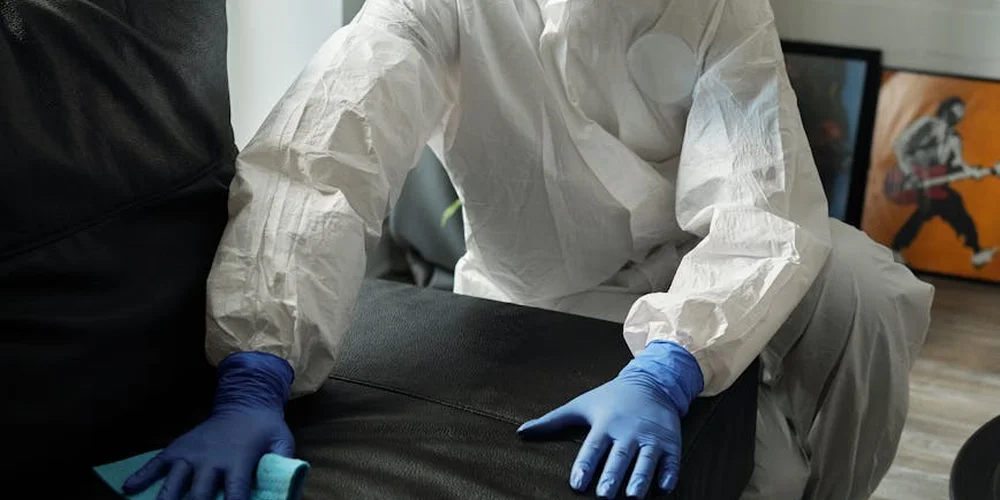
The first rule from my workbench is simple. You must kill the bugs without punishing the leather. Many common insecticides and harsh solvents will dry out the hide, strip its natural oils, and lead to permanent cracking. Your plan should use physical removal and leather-safe methods first.
Follow these steps in order. Patience and thoroughness beat speed every time.
You might see specific sprays or powders mentioned in online forums. If you choose to try one, always do a spot test first. Apply a small amount to a hidden area, like the back of a cushion, and wait 48 hours. Check for discoloration or stiffness before proceeding.
Step 1: Contain the Situation
Your goal is to stop the bugs from spreading and to create a zone where you can work. Do this before any cleaning.
Move the couch away from walls and other furniture. If possible, bring it to the center of the room. This cuts off escape routes and gives you access to all sides.
Place bed bug interceptors under each leg. These are simple plastic cups that trap bugs trying to climb up or down. They help monitor the problem and catch stragglers during treatment.
Step 2: Deep Clean and Remove Bugs
This step is about physical removal. You are manually reducing the population.
Use your vacuum’s crevice tool. Go over every single inch of the couch. Pay fanatical attention to seams, stitching lines, button tufts, and the gap between cushions and the frame. This is where bugs and eggs hide. When you finish, immediately take the vacuum bag or empty the canister into a sealed plastic bag and dispose of it outside.
Next, wipe down all leather surfaces. Use a clean, soft cloth dampened with water and a few drops of a mild, leather-safe soap or a pH-balanced leather cleaner. This removes debris and some eggs. Wipe gently and follow with a barely-damp cloth of clean water. Use validated leather cleaning products and methods to ensure the leather isn’t damaged.
If you see an adult bed bug, you can remove it with tape. Press a piece of strong packing or duct tape over it, lift, and seal the bug inside. Avoid crushing it on the leather, as you would be careful when removing gum from leather. This method answers the common question of direct removal without using damaging chemicals.
Step 3: Apply Targeted Treatments
Now you can use tools that kill remaining bugs with heat or desiccation.
A handheld garment steamer can be effective. Use it on the lowest heat setting that produces steam. Keep the nozzle moving constantly, about an inch from the leather, and never let it rest in one spot. The goal is to deliver lethal heat to seams and crevices without overheating and damaging the leather’s finish. Test the steam on a hidden area first.
Natural desiccants like food-grade diatomaceous earth (DE) can be part of your defense. Sprinkle a light, even ring of DE on the floor around the couch legs, creating a barrier. Do not put DE directly on the leather, as the fine powder can be abrasive and difficult to fully remove from the grain.
I must warn you against a common suggestion: rubbing alcohol. While it kills bugs on contact, it is a severe solvent for leather. It will strip the protective topcoat and fats, leaving the leather dry, discolored, and prone to cracking. The risk to your couch is far too high, so when looking for ways to treat leather furniture for pests, it’s best to avoid harsh chemicals.
Caring for Your Leather After Treatment

After the bugs are gone, your couch needs restorative care. The cleaning and stress can leave leather dry and vulnerable.
First, ensure all treatment residue is gone. Gently go over the entire couch with a dedicated leather cleaner and a soft brush. This lifts any remaining powder or soap film from the pores. If you notice mold or a musty odor, address it with a mold-specific cleaning step after residue is removed. This helps keep the leather dry and prevents further mold growth.
Conditioning is not optional; it is crucial. A quality leather conditioner replaces the natural oils that were lost. Apply it with a clean cloth, working in a thin, even layer. Let it absorb fully. This step restores flexibility and protection, just like the regular conditioning that keeps my old saddle, Mason, supple after years of hard use.
Finally, inspect your couch in good light. Look for any physical damage the pests or cleaning may have caused. Check seams for looseness and the finish for small scratches. Minor scratches can often be blended with a matching leather cream; a loose seam may need a professional touch. Addressing these small issues now prevents bigger problems later.
Straight Talk on Bed Bugs and Leather: Myths vs. Facts

Let’s clear the air. Worrying about pests can make you want to take drastic measures. I’ve seen it. But panic can lead to choices that harm your leather more than any bug ever could. My goal is to give you clear, calm facts so you can protect your couch without damaging it.
Do Bed Bugs Like Leather Couches More Than Fabric?
No, they do not. This is a big myth. Bed bugs are looking for a place to hide, not a material to eat. They are drawn to the carbon dioxide we exhale and our body heat, not to leather, fabric, or suede.
Think of it like this: a bed bug wants a dark, tight seam or crevice close to where people rest. A smooth, top-grain leather surface offers fewer obvious hiding spots than a nubby fabric. But every couch has seams, cushion gaps, skirt folds, or tufted buttons. Those are the real targets.
My English saddle, Mason, has countless stitching lines and tooling grooves. If I didn’t clean him regularly, those spots could collect skin oils and dust-creating an environment pests find interesting. Your couch is the same. The material is less important than the availability of undisturbed, shadowy harborage points.
Can I Spray My Leather Couch for Bugs?
You must be extremely careful. Most common insecticide sprays contain solvents or oils that can permanently stain, discolor, or degrade leather finishes.
If you feel you must use a spray, follow this leather-safe protocol:
- Test First, Always: Find a completely hidden spot, like under a cushion or on the back leg. Spray a tiny amount on a soft cloth, not directly on the leather.
- Wipe Gently: Apply to the test area and let it dry fully.
- Check the Results: Look for any color change, whitish residue, or stiffening. If you see damage, stop.
A much safer and often more effective method is using heat. Bed bugs cannot survive sustained high temperatures.
- Handheld Steamer: Use a garment steamer. Hold the nozzle about an inch from seams, tufts, and crevices. The steam’s heat (over 120°F) can kill eggs and bugs on contact. Move steadily to avoid overheating and damaging one spot.
- Important: Never saturate the leather. After steaming, wipe the surface gently with a dry, soft cloth and let it air dry completely away from direct heat.
Can You Get Bed Bugs from Sitting on a Leather Sofa?
Yes, it is possible, but the sofa itself is not the cause. Bed bugs are hitchhikers. They can be transported on clothing, bags, or other items from an infested area. If someone with bed bugs on their clothing sits on your sofa, the pests could transfer and seek a new hiding place.
This is why vigilance is your first line of defense. Get in the habit of a quick visual check. When you vacuum or condition your couch, take a moment. Look closely at the seams, under cushions, and where the back meets the seat. You’re looking for tiny rust-colored stains, small pale eggs, or the bugs themselves.
This kind of inspection is no different from how I check the stitching on Scout, my wallet, for wear. It’s simple, proactive care.
Your Best Defense: A Proactive Care Routine
The absolute best “leather-friendly repellent” is a clean, well-maintained couch. A regular care routine does two critical things: it removes the organic residues that can attract pests, and it keeps the leather supple so seams and cracks are less likely to open up and create new hiding spots.
Follow these steps every two to three months:
- Vacuum: Use a soft brush attachment. Gently but thoroughly vacuum all seams, crevices, cushions, and the area around and under the couch. This physically removes eggs, bugs, and skin cells.
- Clean: Use a pH-balanced leather cleaner. Apply with a soft, lint-free cloth, working in small sections. This lifts away oils and grime without stripping the leather’s natural protective finish.
- Condition: Once clean and dry, apply a light layer of leather conditioner. This maintains moisture, preventing the leather from drying out and cracking. Well-conditioned leather is more resilient.
This routine keeps your couch in top shape for you and makes it a less appealing environment for unwanted guests. Consistent, gentle cleaning is far more powerful and safer than any emergency chemical treatment.
Common Questions
Will a leather couch cover from Amazon really protect against bed bugs?
Yes, but only if it’s a fully-zippering, bed bug-proof encasement rated for the purpose. A simple decorative throw offers no real protection; you need a sealed barrier that leaves no entry points for bugs.
I saw a used leather couch online. How can I be sure it’s bed bug-free before buying?
Never accept delivery until you’ve inspected it yourself in bright light, outdoors or in a garage. Examine every seam, crevice, and the underside meticulously for the signs outlined earlier-if the seller refuses this, walk away.
Is steam cleaning safe for my leather couch, and will it kill bed bugs?
Yes, a handheld garment steamer can be effective if used correctly. Always test on a hidden area first, keep the nozzle moving, and never saturate the leather, as prolonged heat and moisture can damage the finish and underlying hide. For leather and faux leather items—furniture, jackets, and shoes—use the steam gently, keep a consistent distance, and follow the same safe-use tips to keep them in good condition.
Can I use a bed bug spray I already have, or do I need a special one for leather?
Most general insecticides are harmful to leather. Your first steps should always be thorough vacuuming and steam. If you consider any spray, a spot test in a hidden area is non-negotiable to check for discoloration or stiffening before wider use, especially since household items like vinegar, alcohol, and soap can harm your leather.
Keeping Your Leather Sanctuary Secure
The most effective way to protect your couch is through regular, careful inspection and acting fast at the first sign of trouble. A consistent cleaning routine and smart placement away from high-risk areas form your best defense.
Responsible leather care means respecting the material’s long life by using gentle, appropriate methods. This thoughtful maintenance honors the animal and the craft, turning your care routine into a sustainable practice.
Industry References
- Do Bed Bugs Live in Leather Furniture? | Clegg’s Pest Control
- Do bed bugs get in leather couches? – Quora
- Wondering what you should know about bed bug resistant furniture?
Harriet is a avid collector of leather goods such as purses, bags, seat covers, etc and has an extensive background in leather care, recovery, stain removal and restoration. She has worked for a number of years perfecting her leather care techniques and knows the ins and outs of restoring all kinds and types of leather products. With her first hand knowledge in leather care, you can not go wrong listening to her advice.
Furniture and Upholstery Care