What Are the Different Types and Quality Grades of Top Grain Leather?
Published on: May 25, 2026 | Last Updated: May 25, 2026
Written By: Harriet Nicholson
Hello Tannery Talk. Choosing leather can feel overwhelming, especially when terms like ‘top grain’ don’t tell you everything about quality.
This article will clarify the confusion by covering the main types like corrected grain and full-grain, how tanneries grade for durability and looks, and what to check for when buying.
With years of hands-on experience conditioning pieces like my saddle Mason and jacket June, I can help you navigate these details practically.
What Does “Top Grain” Actually Mean?
Let’s clear up the confusion right away. Top grain leather is real, genuine leather. It’s not a cheap imitation. The name refers to the specific layer of the hide that’s used.
Think of a cowhide like an orange. The tough, textured outer peel is like the hair and epidermis. Just beneath that is the zest-the dense, fibrous part that gives the orange its shape and contains all the oils. Top grain leather is that zest layer, the topmost part of the hide’s true structure, known as the grain layer. It’s the strongest and most flexible section of the skin.
So why is the name tricky? Because during processing, this top layer is often lightly sanded or buffed. Tanners do this to minimize the visibility of natural marks like insect bites, scars, or stretch marks. This sanding smooths the surface for a more consistent look. It’s still the same strong, natural layer, just with a bit of a “shave.” The sanding is what separates it from its close relative, full grain leather.
How Top Grain Leather Compares to Full Grain and Others
Top grain and full grain leather come from the same excellent part of the hide. The difference is in the finish.
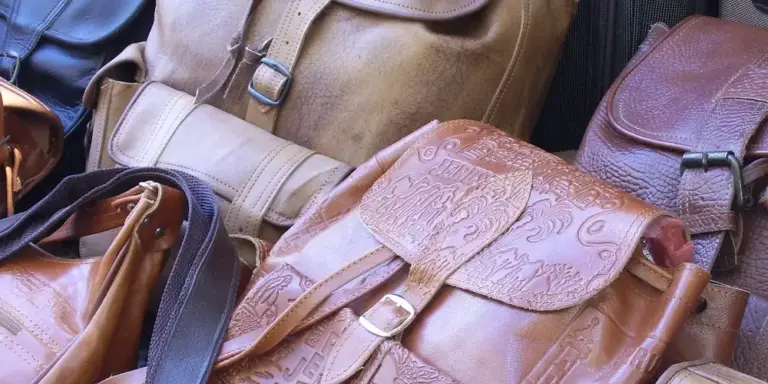
Full grain leather is left completely untouched. None of that top grain layer is sanded away. All its natural pores, textures, and marks remain visible. This is why leather like my English saddle, Mason, has such a rich, unique character. Over years, it develops a deep patina-a personal history written in oils and wear. Many, including myself, prefer it for items meant to last a lifetime and tell a story.
Top grain leather is that same hide, lightly corrected. The sanding creates a smoother, more uniform canvas. A pigment or dye is then applied, often with a protective coating. This makes it:
- More stain-resistant.
- Easier to clean with a simple damp cloth.
- Consistently colored, which is ideal for formal furniture or matching bag sets.
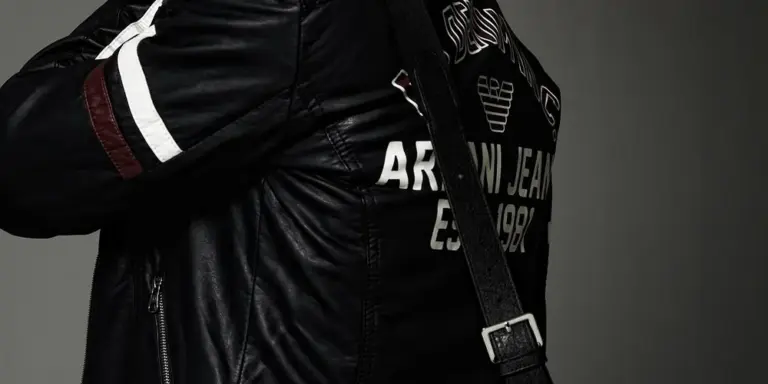
Your June, a soft calfskin jacket, is likely made from a premium top grain leather; the surface is smooth, but the hide’s inherent strength and breathability are still there.
Avoiding Common Confusion: “Genuine” and Bonded Leather
These terms are not the same as top grain. “Genuine leather” is a broad, non-technical term. It can mean anything that contains real leather fibers, often from lower layers of the hide. It’s not a specific grade and is generally less durable than top grain. For a clearer picture, this topic is covered in a comprehensive comparison of genuine leather vs bonded leather vs top grain leather. The comparison highlights durability, feel, and price differences to guide your choice.
Bonded leather is different altogether. It’s made from shredded leather fibers glued onto a backing, much like particle board is made from wood chips. It may have a leather scent initially, but it lacks strength and will peel or crack with age. It cannot be conditioned or repaired like real top or full grain leather. Bonded leather offers limited repair options, while genuine leather can often be conditioned or restored with proper methods.
Caring for Top Grain Leather
The protective finish on top grain leather makes care straightforward, but gentle methods are key.
- Regular Cleaning: Dust weekly with a soft, dry cloth. For marks, use a barely damp microfiber cloth. Never soak it.
- Deep Cleaning: Every few months, use a pH-balanced leather cleaner. Apply a small amount to a soft cloth, work in circular motions, and wipe away residue with a second clean, damp cloth.
- Conditioning: This is vital. The finish can block conditioners, so use a light, non-oily leather milk or lotion. Test on a hidden spot first. Apply sparingly once or twice a year to keep the hide from drying out beneath the surface coating.
A common mistake is using heavy oils or waxes meant for full grain leather; they can’t penetrate the top grain’s finish and will just sit on top, creating a sticky film. For a piece like Scout, a veg-tan wallet, I’d use a rich conditioner. For a top grain sofa, I use a light lotion.
The core benefit of top grain leather is this balance. It provides significant durability and the feel of real leather, with a lower-maintenance, uniform appearance that works beautifully in many homes and wardrobes.
Is Top Grain Leather Good for Your Goods?
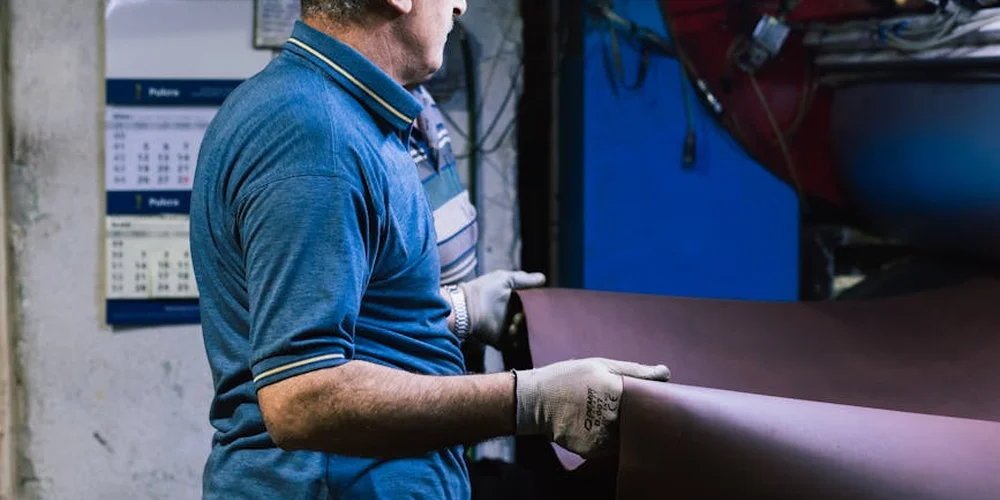
Yes, top grain leather is very good for a wide range of goods. It strikes a smart balance. Think of it as the reliable, low-maintenance friend in your leather collection. It offers excellent durability without the higher price or specific care demands of its full-grain sibling.
Its strengths are practical and make it a favorite for manufacturers and owners alike.
- Durability: The surface is sanded and then sealed with pigments or dyes. This creates a protective top coat that resists stains, scratches, and fading from sunlight much better than untreated leather.
- Easier Care: That sealed surface is simpler to clean. A damp cloth often does the trick for dust and light spills. Conditioning is needed less frequently because the finish locks in moisture.
- Consistent Appearance: The correction process evens out the hide. You get a uniform color and smooth look, which is ideal for items where a pristine, consistent aesthetic is key, like modern furniture or matching office chairs.
- Value: You get the feel and longevity of real leather, often at a more accessible price point than full-grain. It’s a long-lasting material that doesn’t require a huge investment.
There is a trade-off. That sanding process removes the most porous, breathable layer of the grain. Top grain leather develops a patina more slowly and uniformly than full grain; it won’t tell as deep or unique a story over time. Its character comes from wear, not from evolving natural markings. It’s like comparing a well-worn, favorite t-shirt (full-grain) to a sturdy, broken-in canvas jacket (top-grain). Both are excellent, just different.
This is where it shines. My jacket, June, is made from a soft top-grain calfskin. The corrected finish gives it a sleek look that suits its style, and the protective coating means I don’t panic about a little rain. For a sofa that faces daily life with pets or kids, a durable pigmented top grain is a sensible choice. It provides the leather experience with a practical shield.
The Main Types of Top Grain Leather You’ll Meet
Once a hide is corrected to become top grain, it receives a finish. This final step defines its look, feel, and how you should care for it. Here are the main types you’ll encounter.
Top Grain Pigmented (Corrected Grain)
This is the most common type. A layer of pigment mixed with binders and topcoats is applied to the surface. Think of it like a sturdy, colored primer and clear coat on wood. It’s the workhorse.
Look & Feel: Very consistent in color, with a slight synthetic or plastic-like feel on the surface. It can be glossy or matte.
Care: Wipe with a damp cloth. Use a gentle, pH-balanced leather cleaner for grime. Curious about the best products and methods for cleaning leather? Consider those when selecting supplies. Condition only once or twice a year with a product made for finished leather; over-conditioning can make the top coat gummy.
Top Grain Aniline
Here, the corrected leather is soaked in translucent aniline dye, which soaks into the pores. It’s then lightly protected with a light topcoat or wax. This lets more of the leather’s texture show through.
Look & Feel: More natural, with visible grain variation and a softer handfeel. The color has more depth but is less uniform than pigmented leather.
Care: It is more susceptible to stains and water spots. Clean spills immediately with a blotting motion. Use a dedicated aniline leather cleaner and a specific aniline leather conditioner to nourish it without darkening or creating a film. If water spots appear, you can explore how to remove them from leather furniture upholstery.
Top Grain Nappa & Calfskin
These terms refer to the animal skin used, not the finish. Nappa simply means a soft, full or top-grain leather, often from sheep or goat. Calfskin is from younger cattle. When they are top grain, they are sanded and finished, but start with an exceptionally tight, soft grain.
Look & Feel: Incredibly soft and supple from day one. Top grain calfskin, like on June my jacket, has a fine, smooth surface that feels luxurious.
Care: Their softness makes them prone to scratches and creasing. Use a soft brush for dust. Clean and condition with products designed for soft, finished leathers to maintain suppleness without over-saturating. Doing proper cleaning and care for lambskin leather items helps keep them soft and prevent damage. With the right routine, you preserve their natural suppleness and extend their life.
A crucial clarification: suede and split leather are not top grain. They come from the lower layers of the hide *after* the top grain has been split away. They have a napped surface and require completely different, more careful maintenance. If your item has a fuzzy texture, it’s not a top-grain product.
How to Decode Top Grain Leather Grades
Think of leather grades like a report card for the raw hide. An A, B, or C grade tells you about the hide’s natural quality before any sanding, dyeing, or finishing happens. It’s all about the life the animal lived.
Marks from insect bites, fence scratches, or natural growth lines are not defects. They are a history. The grading system simply sorts hides by how much of that history is visible on the surface.
Grade A: The Clean Canvas
Grade A hides come from the central, prime area of the animal’s back. They have very few natural marks, scars, or veins. The fiber structure is incredibly tight and dense.
You’ll find this leather in high-end bags, luxury car interiors, and fine furniture. It has a flawless, uniform surface that takes dye beautifully. My jacket, June, is made from a Grade A calfskin. Its smooth, even creasing over the years shows that quality foundation.
When you handle a Grade A piece, it feels consistently firm and smooth, with a perfect, pore-less surface under the finish.
Grade B: The Character Player
This is the most common grade for quality everyday goods. A Grade B hide will have more visible veins, slight scars, or stretch marks, usually around the belly and neck areas.
Do not mistake these features for weakness. The leather is just as strong and durable as Grade A. My saddle, Mason, is likely a high Grade B. His deep chestnut color and patina highlight, rather than hide, the natural character of the hide.
Grade B leather offers outstanding durability and a unique, authentic look that many craftsmen and buyers prefer.
Grade C and Below: The Corrected Canvas
Hides with many scars, brands, or imperfections fall into this category. To create a usable surface, the top layer is sanded down more aggressively.
This leather almost always receives a thick pigmented finish or an embossed pattern to create a uniform look. It’s the practical choice for items where a perfect, consistent color and texture are needed at a lower cost. Proper identification is essential when selecting leather for specific uses.
These grades are workhorses, often used for shoes, belts, and items where a heavily corrected, uniform surface is the goal.
How to Spot Quality in a Store
You can train your eyes and hands. Ignore the brand tag for a moment and examine the leather itself.
- Look Closely: Tilt the item under the light. Can you see the natural pore pattern and slight variations in color? That’s a sign of a higher-grade, lightly finished hide. A perfectly flat, plastic-like surface suggests more correction.
- Feel the Surface: Run your fingers across it. High-grade top grain should feel like dense, supple skin, not paper or plastic. It should have a slight give.
- Check the Edges: Look at a cut edge. Is it firm and layered, or does it look fuzzy and crumbly? A clean, tight edge indicates better tannage and hide quality.
- Embrace Character: See a faint line or small mark? That’s not a flaw. It’s proof you’re getting real, natural leather. My wallet, Scout, has a few of these. They add to his story.
Caring for Your Top Grain Leather Pieces

Your care routine depends less on the grade and more on the final finish applied to the leather. The finish is the leather’s “skin,” and you must care for that.
Caring for Pigmented (Corrected) Top Grain
This finish has a layer of colored pigment on top, making it very uniform and stain-resistant. Think of it like a leather with a durable topcoat.
Focus on protecting that topcoat to maintain the color and make cleaning easy.
- Cleaning: Use a damp, soft cloth. For dirt, use a tiny drop of pH-neutral leather cleaner on the cloth, never directly on the leather. Wipe gently and let it dry fully.
- Protecting: Every 6-12 months, apply a thin coat of a water-based leather protector or cream. This renews the protective barrier against spills and UV rays.
- Conditioning: These finishes don’t drink up conditioner like others. Condition only once a year or if the leather feels stiff. Use a light, non-greasy conditioner.
Caring for Aniline (Natural) Top Grain
This leather is dyed with transparent color that soaks deep into the pores. It shows the hide’s natural beauty but is more vulnerable. Higher-grade leathers often get this finish.
Aniline leather needs a more attentive, nurturing approach to stay beautiful.
- Immediate Action: Spills must be blotted (not rubbed) within minutes. Water can leave a dark spot, and oil can stain permanently.
- Regular Conditioning: This is non-negotiable. Every 3-6 months, feed the leather with a quality leather conditioner. Apply a thin coat, let it absorb for an hour, then buff. It keeps the fibers supple and prevents cracking.
- Gentle Cleaning: Use a dedicated leather cleaner for aniline leathers. Test it on a hidden spot first. Always condition after cleaning to replace lost oils.
What to Avoid with All Top Grain Leather
- Harsh Chemicals: Household cleaners, alcohol, ammonia, or bleach will strip the finish and dry out the fibers.
- Direct Heat & Sun: Never dry leather with a hairdryer or leave it in a hot car. It will bake the leather, causing it to crack and become brittle.
- Over-Conditioning: More is not better. Leather can only absorb so much. Excess conditioner sits on top, attracting dirt and creating a sticky film. If you see a white, waxy residue, you’ve used too much.
- Poor Storage: Never store leather in a plastic bag. Use a breathable cotton pillowcase in a cool, dry place, and stuff bags with paper to hold their shape.
Treating your leather with respect and the right products is the single best way to honor its quality and ensure it ages with grace. A higher-grade aniline piece, like a potential successor to June, will reward gentle, consistent care with a stunning patina. A sturdy pigmented Grade C bag will serve you faithfully for years with simple, periodic upkeep.
Choosing the Right Top Grain Leather for You
You know the types and grades now. The real question is simpler: which one should you pick for your next bag, jacket, or sofa? Let’s match the leather to the life it will live.
Match the Leather Type to Your Project
Think of your lifestyle first. Is this item for daily hard use, or for occasional, careful enjoyment? Your answer points you to the right type.
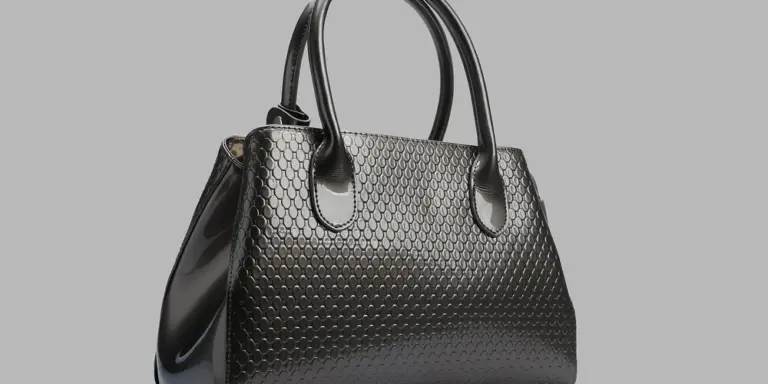
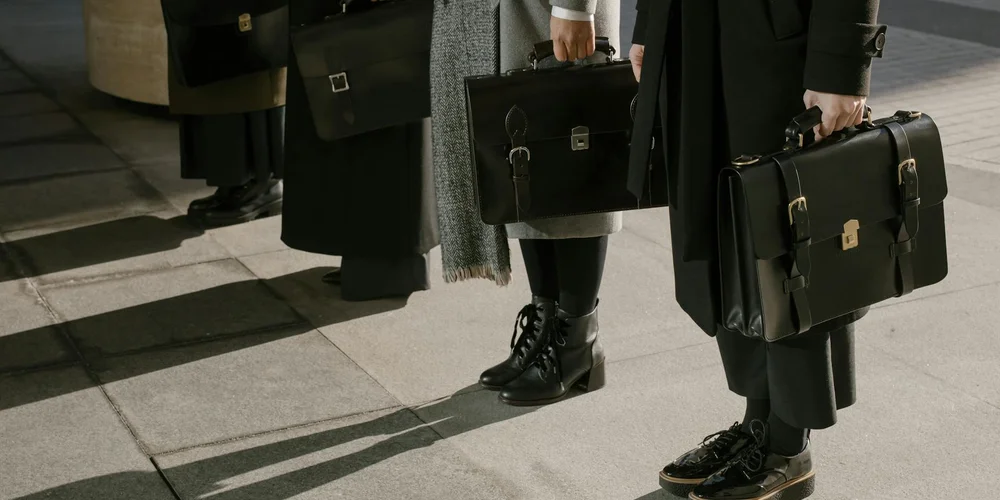
For bags, briefcases, heavy-use furniture, and kids’ items, choose a pigmented (corrected grain) leather. That protective polymer topcoat is your best friend. It resists scuffs, spills, and stains remarkably well. My saddle, Mason, has a pigmented finish. It shrugs off rain, dirt, and saddle soap without a fuss. Cleaning is straightforward: a damp cloth and a mild, pH-balanced cleaner.
For a luxury jacket, a special handbag, or an heirloom chair, aniline or semi-aniline leather is the choice. It’s about the natural beauty and handfeel. My jacket, June, is a semi-aniline calfskin. The color has depth and the grain moves with me. This leather requires a more attentive care routine to keep it looking its best, but the reward is a unique piece that develops a personal patina.
How Grade Impacts More Than Just Price
A higher grade often means a higher price, but you’re paying for longevity and fewer headaches. Here’s what that looks like in practice.
Grade A leather has the fewest natural marks and the most consistent substance. This means it’s less likely to develop weak spots or tear from a minor scratch. It will age evenly. Grade C leather has more character marks and thinner areas. These variations don’t make it “bad,” but they mean the leather may wear in unexpected ways and requires gentler handling over time.
For a piece you want to last decades, investing in a higher grade is wise. For a project where budget is key and a worn-in, rustic look is desired, a lower grade can be perfect. Scout, my wallet, is made from a lower-grade veg-tan. I chose it for the character, and I oil it more often to keep the thinner spots supple.
A Simple Guide to Getting Started
Let’s make this actionable. Follow these steps to narrow down your choice.
- Define the use: Write down where and how often the item will be used. Be honest.
- Choose the type: Heavy/outdoor use = Pigmented. Luxury/display piece = Aniline/Semi-aniline. A mix = Semi-aniline.
- Set your grade budget: Decide how much wear and variation you’re comfortable with for the price.
- Feel a sample: If you can, always get a swatch. Bend it, smell it, press your thumb into it. The handfeel tells you everything.
The Truth About “The Best” Leather
After years of working with all kinds of hides, I can tell you this with certainty. The most expensive, highest-grade, full-aniline leather is not the “best” if you leave it in a sunny spot to dry out and crack. The best leather for you is the one that fits your actual life and that you commit to maintaining.
A well-cared-for Grade C pigmented work bag will outlast a neglected Grade A aniline sofa. Your care routine is the final, and most important, quality grade. Start with the right leather for your needs, then protect your investment with regular cleaning and conditioning. That’s how you build a piece that lasts, like Mason, June, and Scout.
Common Questions
Is nubuck considered a type of top grain leather?
Yes, premium nubuck is top grain leather that’s been lightly sanded on the grain side to create a velvety nap. Because the surface is exposed, it requires dedicated nubuck cleaners and brushes for maintenance, not standard leather conditioners.
My top grain leather item has become stiff. How can I soften it safely?
Stiffness means the hide beneath the finish is dry. Use a light, non-oily leather lotion or conditioner designed for finished leathers. Apply sparingly to a hidden area first to ensure it doesn’t affect the color or finish.
Can the color from my jeans transfer onto my light-colored top grain leather sofa?
Yes, dye transfer is a risk, especially with aniline or lightly pigmented finishes. Blot any transfer immediately with a clean, slightly damp cloth. For prevention, treat the leather with a quality fabric protector safe for finished leather. On light-colored leather, dealing with dye transfer stains is especially important, so address them promptly. If needed, use a leather-safe stain remover following the product directions.
Is it worth paying more for a higher grade if the leather will be heavily corrected anyway?
Yes. A higher-grade hide has a denser, more uniform fiber structure underneath. Even when corrected, this provides better tear strength and will age more evenly than a lower-grade hide, which may have thin spots.
How can I tell if a “protective” topcoat is wearing off my pigmented leather?
The surface will start to absorb spills and dirt immediately instead of beading up or allowing for easy wiping. When this happens, clean the piece thoroughly and apply a fresh, thin coat of a water-based leather protector.
Making Sense of Top Grain Leather
When you choose a piece of top grain leather, you are choosing its future story. Knowing the difference between a durable full-grain and a uniform corrected-grain lets you match the leather to the life you plan to live with it. That knowledge is the first, and most important, step in care.
Every hide represents a resource and craftsmanship worth respecting. Proper, mindful maintenance is how you honor that, transforming a simple material into a trusted companion that improves for years. Your growing skill in care is the final, essential quality grade.
Research and Related Sources
- Full Grain Leather vs. Top Grain Leather – What’s the Difference? | Buffalo Jackson
- TOP-GRAIN VS. FULL-GRAIN LEATHER | What’s the Difference?
- r/BuyItForLife on Reddit: “Grades of Leather” are a Myth. Full Grain, Top Grain, Genuine and Bonded leather are not real grades of leather.
- Leather 101: Top Grain Vs. Full Grain | The Leather Guy
- Full Grain vs Top Grain Leather | Castlery US
Harriet is a avid collector of leather goods such as purses, bags, seat covers, etc and has an extensive background in leather care, recovery, stain removal and restoration. She has worked for a number of years perfecting her leather care techniques and knows the ins and outs of restoring all kinds and types of leather products. With her first hand knowledge in leather care, you can not go wrong listening to her advice.
Full-grain and Top-grain Leather Care