Are Leather Boots Good for Winter? How to Protect Them from Snow and Salt
Published on: May 23, 2026 | Last Updated: May 23, 2026
Written By: Harriet Nicholson
Hello Tannery Talk. You look at your favorite leather boots and worry the winter will wreck them with snow, salt, and bitter cold.
This guide will give you clear answers and care steps. We will cover why quality leather handles winter well, the specific threats from snow and road salt, and my proven routine to shield your boots.
Having conditioned and repaired leather for years, including my heavy-use saddle Mason through many seasons, I trust leather in winter with the right care.
Can You Wear Leather Boots in Snow and Cold?
Yes, you can wear leather boots in winter, but preparation is everything. Think of it like wearing a wool sweater in the rain. It can handle some moisture, but you wouldn’t want it soaked through without any protection first. That same care mindset extends to leather jackets, boots, and bags, with essential tips for leather care across seasons.
Leather has a natural advantage over many synthetic materials: insulation. A good, full-grain leather boot creates a dense barrier against the cold. My old work boots, a pair I’ve had for years, feel warmer to me than many modern insulated synthetics because the leather molds to my foot and blocks the wind. That protection also hinges on proper leather care in extreme cold—regular cleaning, conditioning, and weatherproofing keep the material flexible and dry. When leather is well cared for, boots (and even jackets) stand up to sub-zero temperatures more reliably. The key is that the leather itself must be healthy and fortified to provide that reliable barrier.
Here is the critical part: leather is not naturally waterproof. It is porous. When snow melts into the leather, it does two things. First, it washes away the natural oils that keep the fibers supple. Second, as it evaporates, it takes more of those oils with it. This leaves the leather dry, stiff, and prone to cracking. Road salt accelerates this damage dramatically, acting like a corrosive sponge that pulls moisture out. Understanding leather’s natural response to moisture sets the stage for water-resistance best practices for protection. With proper conditioning and protective coatings, you can boost water resistance without sacrificing flexibility.
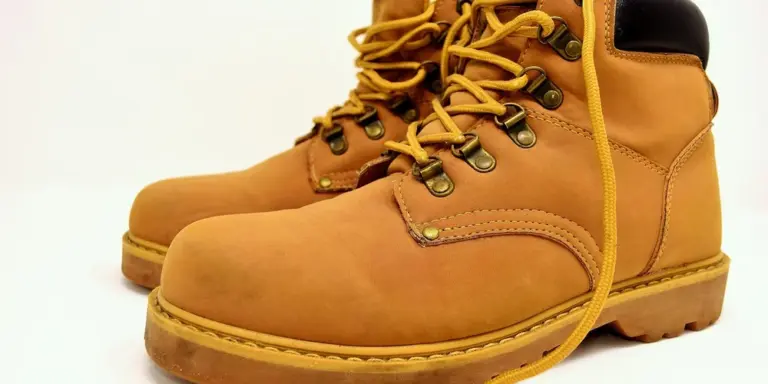
What about suede? I get asked ‘can I wear suede in snow’ often. I advise against it. Suede and nubuck have a raised, fuzzy nap that acts like a sponge for moisture and salt stains. While you can apply protective sprays, they alter the handfeel and are less effective than the protection you can build on smooth leather. For consistent winter wear, full-grain or robust rough-out leather is a far safer and more durable choice than suede.
How to Winterize Your Leather Boots: The Pre-Season Prep
This is my essential autumn ritual, like getting a heavy coat out of storage. I do this for my own boots before the first frost hits. A little time now prevents a lot of repair work later.
Step 1: The Gentle Clean
You cannot condition dirty leather. Salt and grime will just get pushed into the pores.
- Remove the laces and insoles.
- Use a soft horsehair or bristle brush to knock off dry dirt.
- Dampen a clean cloth with cool water and wipe the entire boot down. For stubborn spots, a drop of pH-balanced leather cleaner on another cloth works well.
- Let them dry naturally, away from direct heat sources like radiators. Heat bakes and shrinks leather.
Letting boots air dry at room temperature is the single best way to prevent irreversible damage from winter wetness.
Step 2: Deep Conditioning
This step replenishes the oils that summer sun and general wear have depleted. Think of it as giving your boots a long drink before a drought.
- Choose a rich conditioner. For winter, I prefer a wax-based conditioner or a heavy-duty leather balm. These products penetrate deeply and leave a protective layer.
- Apply a small amount to a lint-free cloth and rub it into the leather using circular motions. Pay extra attention to the seams and the flex points around the toes and ankles.
- Let the boots absorb the conditioner for at least an hour. If the leather still looks thirsty or feels stiff, apply a second light coat.
Step 3: Applying Protection
This is your final shield. People often ask about the difference between creams and sprays. Here is how I see it:
- Protection Creams/Pastes: These are often wax-based (like beeswax) and are buffed into the leather. They create a physical, water-repellent barrier on the surface. They are excellent for the uppers of boots and will slightly darken the leather, giving it a rich, satiny finish.
- Protection Sprays: These are typically silicone-based or modern polymer blends. They create an invisible, hydrophobic coating. Sprays are great for full coverage, including seams and hard-to-reach areas. For the best results, look for silicone-free sprays designed for leather; they allow the material to breathe better.
For maximum winter defense, I use both: a wax conditioner for the body of the boot and a light spray over everything, including the welt and seams. Apply the spray in a well-ventilated area and let the boots cure for a full 24 hours before wear.
The goal is not to make them 100% waterproof like rubber galoshes, but to make them highly water-resistant. Moisture will bead up and roll off, and salt stains will wipe away easily after your walk. Just remember to wipe your boots down with a damp cloth after each winter outing to remove salt and slush, and they will be ready for the next cold day. My old work boots are proof that this routine works, season after season. I protect my leather boots from scratches, salt stains, and water damage with a simple care routine, so they stay ready for whatever the season brings. A quick wipe and proper conditioning go a long way toward keeping them looking sharp.
Your Daily Winter Care Routine: Salt, Slush, and Survival
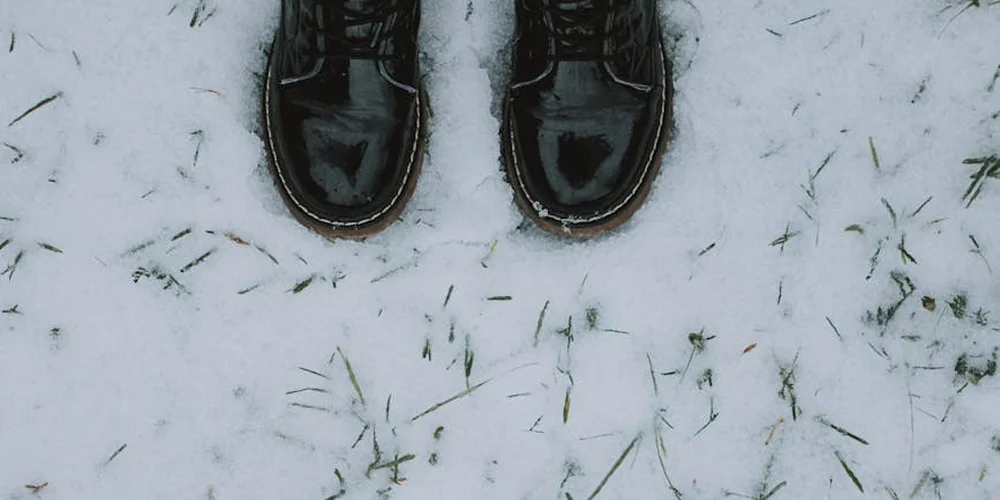
The moment you step back inside is when the real work begins. Snow melts. Water soaks in. But salt is the real threat. It pulls moisture from the leather, leaving behind a stiff, white crust that can permanently mar the surface if left untreated. Think of it as a race against the clock.
Here is your immediate action plan for when your boots come in from the cold.
- Wipe them down, now. Use a dry, soft cloth or a microfiber towel to remove all surface slush, water, and salt residue. Get into the welts and seams.
- Let them breathe for 15-20 minutes. This lets the surface moisture evaporate and brings any hidden salt stains to the surface. You will see them as white, chalky rings.
- Clean the salt stains. Mix a solution of equal parts white vinegar and cool water. Dampen a clean cloth (do not soak it) and gently wipe the stained areas. The mild acidity neutralizes the salt. For stubborn stains, a pH-balanced leather cleaner is a good investment.
- Wipe with a clean, water-dampened cloth. This removes any vinegar or cleaner residue.
- Pat them dry with a towel. Do not rub hard, just blot up the moisture.
This quick cleanup is non negotiable if you want your boots to see another winter. It takes ten minutes and saves you from permanent damage. This daily vigilance is why I generally steer people away from suede for heavy snow duty. That delicate nap makes removing dried salt a much more delicate, frustrating process compared to smooth leather.
The Right Way to Dry Wet Leather Boots
This is where many good boots meet a bad end. Impatience is the enemy. Applying heat to dry leather is like putting a damp sponge in a hot oven. The outside shrinks and hardens rapidly while the inside stays wet, creating stress that leads to cracks. In physical terms, moisture diffuses outward and must equilibrate slowly to avoid buildup. Slow drying prevents cracks by giving the fibers time to relax.
I learned this the hard way years ago with an old pair of work boots. I set them on a radiator to dry fast. The next morning, the leather was as stiff as cardboard and the toe cap had a deep, permanent crease. They were never the same.
What You Should Do
- Stuff them firmly with newspaper or paper towels. Crumple the paper and pack it tightly into the toe and shaft. This paper will wick moisture from the inside out. Change it every few hours as it becomes soaked.
- Place them at room temperature, away from direct heat. A corner of your living room or kitchen is perfect. Good air circulation helps, but avoid strong drafts.
- Be patient. Allow a full 24 hours, sometimes more, for a thorough dry. Do not wear them while they are even slightly damp inside.
- After drying, condition. Leather loses its natural oils when wet. Once completely dry, apply a light coat of leather conditioner to restore flexibility.
What You Must Never Do
- Do not place them near a radiator, fireplace, or heating vent.
- Do not use a hairdryer, heat gun, or space heater.
- Do not leave them in a sealed car or a damp basement.
Forcing the dry with heat cooks the leather fibers, making them brittle and prone to cracking. The beautiful, supple handfeel is replaced by a dry, lifeless stiffness. Slow, ambient drying preserves the leather’s strength, much like letting a damp sponge dry on its own keeps it soft and usable. It’s especially important to dry leather carefully when dealing with items like jackets or shoes.
Making the Choice: Leather Boots vs. Dedicated Winter Boots
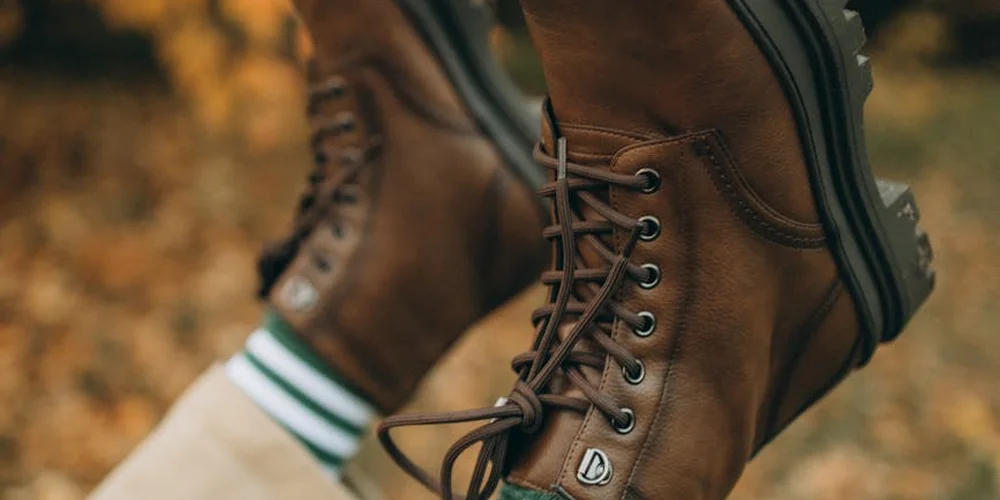
The real question isn’t which boot is “better,” but which one is right for your specific winter. Think of it like tools in your kit. You wouldn’t use a delicate awl to split wood. Choosing the right boot is the first and most responsible step in leather care.
When Your Leather Boots Are Enough
Your leather boots can handle a typical, messy winter with some preparation. I think of my saddle, Mason, who has seen plenty of damp, muddy rides. With consistent care, he’s never faltered.
Winterizing your leather boots is a smart choice for cold, wet, and slushy conditions where you are mostly walking on treated pavements, from your car to a building, or through an urban environment. However, it’s important to properly waterproof your boots to ensure they offer the best protection against moisture.
Here is when a well-maintained leather boot is a great partner:
- Your daily routine involves cleared sidewalks and short exposures to slush.
- You face wet snow and rain more than deep, persistent powder.
- You need one pair of boots for style and function, from the office commute to weekend errands.
- Temperatures are chilly but not consistently far below freezing for long periods.
When You Need a Dedicated Winter Boot
Leather is tough, but it has limits. Pushing it past those limits risks damage that care cannot fix.
You should choose a specialized insulated winter or snow boot if your winter involves prolonged exposure to deep snow, rock salt, brutal sub-zero temperatures, or demanding outdoor work.
Save your leather boots for another day when:
- You will be standing or walking in deep, melting snow for more than a few minutes.
- Your route is heavily salted by city crews repeatedly throughout the day.
- You plan on winter hikes, shoveling a long driveway, or any activity where your feet will be wet and cold for over an hour.
- The forecast calls for extreme cold that demands built-in insulation your leather boots lack.
Your Winter Boot Decision Guide
Let’s make this simple. Match your common winter day to this guide.
| Your Winter Day Looks Like… | Best Boot Choice | The Reason |
| City commuting, light snow, salted walkways | Winterized Leather Boots | You can quickly clean salt and moisture off after each wear, maintaining the leather’s health. |
| Deep snow, prolonged outdoor exposure, heavy salt | Dedicated Winter Boots | Specialized materials resist salt and wetness better, protecting your feet and sparing your leather boots from harsh abuse. |
| A mix of both scenarios | Own Both Types | Use the right tool for the job. This is the most responsible way to make all your footwear last for years. |
Your personal style matters, but so does practicality. No boot looks good cracked and stiff from salt damage. Choosing a dedicated boot for the harshest days is a sign you respect your gear.
Using the appropriate boot for the conditions is the most powerful form of preventative care you can give to your leather goods. It prevents the severe damage that is difficult, or sometimes impossible, to repair. Brand spotlight features, including Red Wing Shoes, highlight caring for leather boots to extend their life. Red Wing Shoes recommends regular conditioning and proper storage as part of that care. This mindful approach is what keeps pieces like Mason the saddle going strong after eight years of service. With the right choice and simple, consistent care, your leather boots can be a reliable part of your winter for a long time.
Quick Answers
What’s better for winter: a protection cream or a spray?
Use both. A wax-based cream conditions and creates a water-repellent barrier on the surface, while a spray seals the seams and provides an overall hydrophobic coating for complete coverage.
I missed a day. How do I deal with dried salt stains?
Gently brush off the crust, then wipe the area with a 50/50 mix of white vinegar and water on a cloth. Follow with a clean, damp cloth to neutralize and dry thoroughly before applying a light conditioner.
How often should I condition my boots during the winter season?
Condition after any major wet exposure and whenever the leather feels stiff or looks dry. For most, this means a light application every 4-6 weeks with regular use, but let the leather’s condition be your guide, not the calendar. If you’re curious about cadence and technique, our quick guide covers it. It explains how often to condition and the best application method.
I live in a milder, wet climate like the Pacific Northwest (or Australia). Does the routine change?
The core principles are the same, but you may face less salt and more constant dampness. Focus on breathable protectants and consistent drying; a heavier wax conditioner is excellent for repelling frequent rain without needing frequent reapplication.
Can I use a generic waterproofing spray from the hardware store or Walmart?
Check the label carefully. Avoid silicone-based sprays meant for fabrics or tents, as they can clog leather pores. Use only sprays formulated for leather, which will protect while allowing the material to breathe.
Final Thoughts on Winter Leather Boots
The best defense against winter is a simple routine. Clean off salt and slush after each wear, then condition your boots before they fully dry to keep the leather supple and sealed.
Caring for your boots extends their life, which is the most sustainable choice you can make. Every time you clean, condition, or polish, you build a more durable good and your own skill as its caretaker.
Further Reading & Sources
- How to Prepare your Leather Boots for the Winter
- Are Leather Boots Good For Winter Weather?
- How to Winterize Your Leather Shoes and Boots – Vince Camuto
- How to Keep Your Leather Boots Looking Great All Winter
- Can You Wear Leather Boots in the Snow? | BootWorld – Boot World
Harriet is a avid collector of leather goods such as purses, bags, seat covers, etc and has an extensive background in leather care, recovery, stain removal and restoration. She has worked for a number of years perfecting her leather care techniques and knows the ins and outs of restoring all kinds and types of leather products. With her first hand knowledge in leather care, you can not go wrong listening to her advice.
Boot and Shoe Care