What Are the Best Medical Sheepskin Grades for Pressure Sore Prevention and Temperature Regulation?
Published on: February 17, 2026 | Last Updated: February 17, 2026
Written By: Harriet Nicholson
Hello Tannery Talk. If you’re caring for someone at risk of pressure sores or struggling with temperature control, picking the right sheepskin can feel overwhelming, but I’m here to help you choose with confidence.
We will cover the critical differences in sheepskin grades, how top-quality fleece disperses pressure, and the natural properties that keep skin cool and dry.
My years of hands-on experience conditioning and repairing leather goods, from saddles to jackets, have taught me how a hide’s structure directly impacts comfort and care.
What Exactly Is Medical Sheepskin and What Does It Do?
Think of the coziest sheepskin coat or the warmest pair of gloves. Medical sheepskin is that same material, but prepared for a very specific job. It is a natural tanned sheepskin, typically with the wool left on, that is used in healthcare settings for patient comfort and skin protection.
Its primary job is twofold. First, it redistributes pressure. Second, it manages the microclimate next to the skin. This makes it an invaluable tool for someone who spends long hours in bed or in a chair.
Does sheepskin help prevent bed sores? Yes, it absolutely can. It acts as a protective buffer, cradling the body to ease pressure on bony areas and keeping skin drier and at a more stable temperature, which are key factors in preventing pressure injuries.
How Does Sheepskin Work to Prevent Sores and Regulate Temperature?
Imagine a cushion that breathes. That’s medical sheepskin. It doesn’t just lie there. It works actively with the body’s own needs.
For pressure relief, picture a soft, deep-pile rug. When you sit or lie on it, millions of springy wool fibers compress to spread your body weight over a wider area. This reduces the intense pressure on spots like heels, tailbones, and elbows. The fibers give way, preventing hard, concentrated force on the skin.
For temperature and moisture, sheepskin is a natural marvel. Are sheepskin gloves the warmest? They’re famous for it because wool fibers wick moisture away from the skin. In a medical pad, this means sweat is pulled into the core of the wool, leaving the skin surface drier. A dry surface is less prone to irritation and breakdown. At the same time, the wool traps air, providing insulation to maintain a comfortable temperature. The density and length of the wool directly impact this performance, which is why grading the skin is so important for clinical use. It’s crucial to understand the differences in material quality, such as sheepskin versus shearling leather. A denser fleece creates more tiny air pockets for better insulation and has more fiber to wick moisture.
What to Look For: The Mark of High-Grade Medical Sheepskin
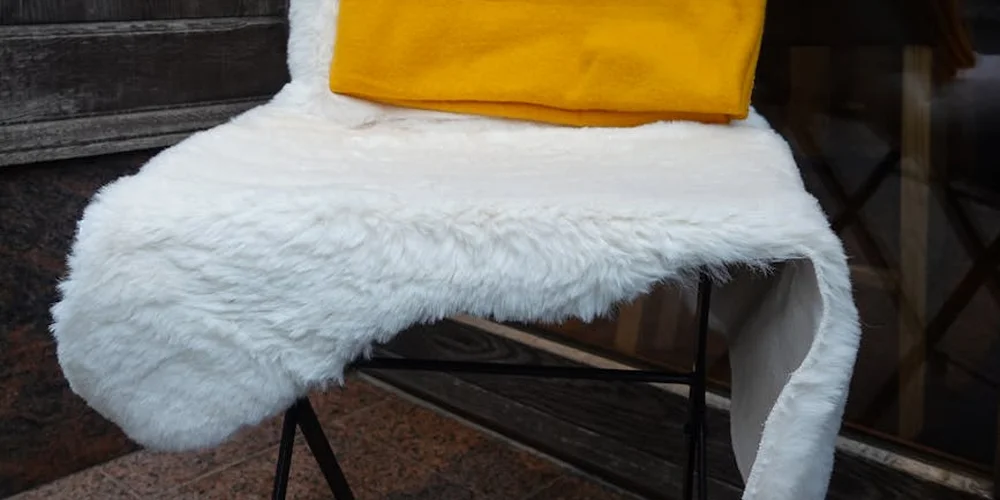
Choosing the right medical sheepskin is not about finding the softest touch. It is about finding a material engineered to perform a critical job. A high-grade pad feels purposeful, not just plush.
The Four Non-Negotiables
Run your hands over the skin. Look closely. These are the signs you need to find.
- Uniform Wool Length: The wool fibers should be even, like a perfectly mown lawn. This creates a flat, consistent surface that distributes pressure evenly across every square inch. Long, stray fibers or patchy spots create pressure points.
- Dense, Springy Pile: Push down on the wool. It should feel densely packed and bounce back immediately when you release pressure. This resilience is the cushioning that lifts a patient’s weight off bony prominences. Thin, limp wool compresses flat and offers no protection.
- Supple Leather Backing: The leather side should be soft and flexible, not stiff or board-like. You should be able to gently bend it without hearing a crack. A supple backing allows the pad to conform naturally to the body and bedding, staying securely in place.
- Consistent Quality Throughout: Examine the entire skin, especially the edges. The wool density and leather quality should be the same from the center to the perimeter. Inferior skins often use poorer cuts on the edges where they think you will not look.
Each of these traits works together to lift, cradle, and ventilate, which is why they are non-negotiable for preventing pressure sores. A pad with uneven wool creates high-pressure spots. A sparse pile bottoms out. A stiff backing bunches up. Any single flaw breaks the system.
Why Fashion-Grade Sheepskin Falls Short
It is easy to think any soft sheepskin will do. This is a common and dangerous assumption. The sheepskin used in a stylish jacket or pair of boots is built for a completely different purpose compared to saddles and automotive seat covers.
Think of my leather jacket, June. Her lambskin is chic and soft, but it is thin and meant for style, not for bearing constant, stationary weight. Fashion sheepskin often has a much thinner leather backing, sometimes even a split leather or suede, because it does not need long-term structural strength. These quality characteristics—softness and lightness help explain its common uses in fashion. In upholstery, those same traits can limit practicality where durability matters.
The wool on fashion skins can be uneven, sometimes deliberately sheared into patterns. It may feel luxuriously long and silky, but that long pile mats down easily and does not have the dense, spring-back core needed for medical use. Using a fashion-grade skin for pressure relief is like using a decorative throw pillow for back support during an eight-hour car ride; it might feel nice at first, but it will fail when it matters most.
Your inspection is the most important tool. Trust what your hands and eyes tell you. Look for that uniform, resilient density and flexible backing. It is the clear mark of a skin made for care, not just for looks.
What Factors Decide the Quality and Grade of Medical Sheepskin?
Choosing the right medical sheepskin is not about luck. It is about knowing what to look for. I assess every piece by examining three core elements. Wool density, leather backing integrity, and the tanning method form the foundation of a sheepskin’s grade and performance. Let’s walk through what each one means for you.
-
Wool Density (Fibers per Square Inch)
Run your fingers through the wool. High-density wool feels uniformly plush and springy, like a thick, resilient carpet. Low-density wool feels thin and patchy. Count the fibers in a square inch if you can; more fibers mean better performance.
This density is what creates a gentle, floating effect for the skin. It spreads pressure evenly across a wider area, which is the first defense against pressure sores. More fibers also trap more air. This air pocket is the secret to temperature regulation, keeping skin cooler in heat and warmer in cool conditions. A common mistake is choosing a pad that looks fluffy but feels flat under pressure; it will not provide consistent support.
-
Leather Backing Integrity
Turn the sheepskin over. The leather side should be supple yet strong, with no thin spots or cracks. Think of my old English saddle, Mason. After eight years of daily use, his leather is still sturdy and flexible. That is the kind of backing you need. This is where the science of leather aging—why it cracks and how to combat it—comes in. Regular conditioning and balanced moisture keep fibers flexible and crack-resistant.
A robust leather backing anchors the wool securely. It prevents matting and ensures the wool stays in place to do its job. A weak backing will stretch or tear under constant weight, compromising the entire pad’s support and dramatically shortening its life. For maintenance, if the backing ever feels dry, a light wipe with a pH-balanced leather conditioner can keep it flexible. Let it air dry completely before use.
-
Tanning Method
Tanning transforms raw skin into durable leather. For medical use, the process must leave the leather soft, strong, and breathable. Vegetable tanning, using natural tannins from tree bark, is often a good sign. It typically results in a firmer, more breathable leather compared to some rapid chemical processes.
The tanning method directly affects how the backing handles moisture and air flow. A well-tanned backing wicks moisture away from the skin while still allowing air to pass through. Proper tanning ensures the leather won’t stiffen or degrade with repeated cleaning, which is vital for hygiene and long-term care. If a backing feels plasticky or has a strong chemical smell, it may not breathe well.
Beyond these three factors, how and where the sheepskin is made matters. Responsible sourcing means the wool comes from sheep raised with good welfare standards. Consistent processing ensures every square inch meets the same high grade. This attention to sourcing and processing is why reputable products often carry certifications for medical use or responsible manufacturing. These certifications are a helpful shorthand for quality you can trust.
| Aspect | Medical-Grade Sheepskin | Regular or Fashion Sheepskin |
|---|---|---|
| Primary Purpose | Preventative healthcare. Designed to manage pressure, moisture, and temperature for vulnerable skin. | General comfort, style, or decoration. Used in coats, rugs, or car seat covers. |
| Fleece Construction | Dense, uniform pile of a specific height (often 1.5″ or more). Consistently curly fibers create millions of tiny air pockets. | Pile height and density can vary widely. May be sheared for a flatter, more uniform look suited to fashion. |
| Skin (Leather) Side | Full-grain, supple, and breathable. Tanned for durability through repeated clinical laundering. | May be split or corrected grain. Tanned for aesthetics or general durability, not necessarily hospital-grade washing. |
| Testing & Standards | Tested for pressure redistribution (measured in mmHg), wicking ability, and flame resistance. Meets specific regulatory standards. | No therapeutic performance testing. May be tested for general colorfastness or material strength. |
The core difference is intent. A medical-grade pelt is engineered like a precision tool, while a regular sheepskin is crafted as a durable material. You cannot assume one substitutes for the other in a care setting.
Why a General Pelt Falls Short for Care
Imagine using a decorative throw pillow to properly support someone’s back for eight hours. It might look fluffy, but it will flatten unevenly. A regular sheepskin acts the same way under constant, stationary body weight.
The fleece may mat down quickly, creating pressure points instead of dissipating weight. The leather backing might not breathe as well, trapping heat and moisture against the skin. This is the opposite of what you need.
Think of my old saddle, Mason. Its leather is thick and structured to bear weight in motion. A medical sheepskin is structured to bear weight in stillness. The engineering principles are completely different.
A Practical Example: The Fashion Coat
You might search “are sheepskin coats warm?” The answer is yes, they are excellent for winter style. The dense fleece provides insulation.
But that warmth is about trapping heat around the body. If you were to sit on a sheepskin coat for a long period, the compressed areas would get hot and sweaty. The leather might not wick that moisture away. For a patient, that trapped heat and moisture is a risk factor for skin breakdown.
A medical sheepskin manages microclimate it actively pulls moisture away from the skin and allows air to circulate through its lofty pile, promoting evaporative cooling. The warmth it provides is a stable, regulating warmth, not an insulating one.
Caring for Medical-Grade Sheepskin
If you are responsible for one of these therapeutic pelts, care is non-negotiable. Its performance depends on the integrity of the fleece.
Follow the manufacturer’s instructions exactly. Typically, care involves a gentle, specific process:
- Shake out loose debris daily.
- Spot clean spills immediately with a damp cloth and a mild, pH-neutral cleaner. Never soak the pelt.
- For full cleans, use a specialist wool-safe detergent in a front-loading washer on a very gentle, cold water cycle.
- Air dry flat, away from direct heat or sunlight. Brush the fleece gently with a wide-tooth comb as it dries to restore loft.
Never use harsh chemicals, bleach, or fabric softeners. They can degrade the leather backing and coat the fleece fibers, destroying their wicking ability. Proper maintenance isn’t just about cleanliness it’s about preserving the lifesaving functionality of the material.
Choosing the Right Grade: A Guide to the Best for Clinical Use
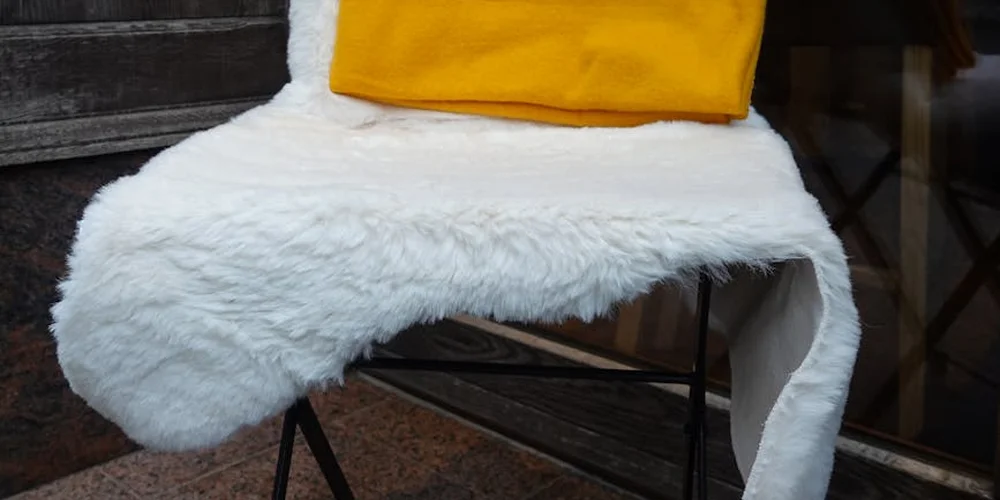
Think of medical sheepskin grades like the thickness and temper of a leather hide. A thicker, firmer hide is for a hard-wearing saddle (like my Mason), while a softer, more pliable one is for a comfortable jacket (like June). For healthcare, the grade number tells you about wool density and backing firmness.
Grade 4 and Grade 5 are the most common in clinical settings. Grade 4 offers excellent all-around performance. It has a high wool density for good pressure relief but remains breathable. Grade 5 is often the premium choice. It features the densest, longest wool and a very firm backing, designed for maximum pressure redistribution for high-risk patients.
Always look for certifications. The most important is clearance as a medical device, often FDA Class I in the U.S. or equivalent in other regions. This means it’s manufactured specifically for medical use, not repurposed from another industry. Also, check for ISO standards or certifications from reputable wound care associations.
Choosing a grade is about balancing core needs: higher wool density gives better pressure distribution, but a very dense pile can slightly slow the movement of moisture vapor away from the skin. For most situations, a certified Grade 4 provides an ideal balance.
Grades for Maximum Pressure Redistribution
For patients at high risk of developing pressure sores, you need a surface that acts like a shock absorber. This requires dense wool and a firm, supportive backing.
Grade 5 sheepskin is typically specified for this purpose. The wool pile is at its densest and longest, creating millions of tiny springs to cradle the body. The backing is a tight, firm weave that doesn’t allow the body to bottom out. It’s the clinical equivalent of choosing a full-grain, vegetable-tanned leather for a heavy-duty bag-it’s built to handle sustained load.
Use this grade for bony prominences like heels, elbows, and the sacrum. The goal is to spread pressure over the widest possible area, reducing the pinpoint force that cuts off circulation.
Grades for Optimal Temperature and Moisture Control
Breathability is key here. Think of a breathable leather conditioner that moisturizes without clogging the pores of the hide. You need sheepskin that manages both heat and moisture vapor efficiently.
Grade 4 often excels in this area. While still very protective, its slightly less dense pile allows for superb airflow. The natural structure of the wool fibers wicks moisture vapor along the shaft and releases it into the air. This helps maintain a stable microclimate next to the skin, preventing both overheating and clamminess.
This grade is excellent for patients who are feverish, undergoing temperature-regulated therapies, or simply need enhanced comfort over long periods. It prioritizes climate control while still providing substantial pressure relief.
How to Clean, Sanitize, and Care for Medical Sheepskin
Think of a medical sheepskin like my jacket, June. It’s a hybrid, with two very different materials needing care. The wool needs gentle cleaning to stay fluffy and insulating. The leather backing needs support to stay soft and strong. Getting this right keeps the skin safe, effective, and durable for years. That means properly cleaning, conditioning, and storing the jacket to keep its softness intact. Do it consistently to preserve both the wool’s loft and the leather’s suppleness.
Step-by-Step Cleaning for Wool and Leather
You should clean a medical sheepskin every few weeks, or immediately after a spill. Never use harsh chemicals, bleach, or fabric softeners. They strip the wool’s natural lanolin and can damage the leather. For slippers, use cold water with a mild wool-safe detergent. Gently blot out excess moisture and air-dry away from direct heat to protect both the leather and wool.
- Shake and Brush. Take the skin outside and give it a firm shake to dislodge dust and debris. Use a soft bristle brush (like a clean horsehair brush) to gently brush the wool fibers in the direction of the nap.
- Prepare a Mild Wash. Fill a clean basin or sink with cool or lukewarm water. Hot water can felt the wool and shrink the leather. Use a small amount of a pH-balanced wool wash or a very mild, dye-free liquid soap.
- Wash the Wool Side. Submerge the skin, wool-side down. Gently agitate and press the water through the fibers. Do not scrub, twist, or wring it. This is the most delicate part, like cleaning a fine suede.
- Clean the Leather Backing. Flip the skin. Use a soft cloth dampened with your soapy water to gently wipe the leather. If the leather feels dry or stiff after this, you’ll condition it in a later step.
- Rinse Thoroughly. Drain the soapy water. Refill the basin with clean, cool water and gently press the skin to rinse. Repeat until the water runs completely clear. Any soap residue will attract more dirt.
- Remove Excess Water. Lay the skin flat on a thick, clean towel. Roll it up gently to press out moisture. You can also lay it flat and press with another towel. Never use a spinning washing machine.
- Condition the Leather (If Needed). Once the leather backing is just damp to the touch, apply a tiny amount of a neutral leather conditioner with a clean cloth. Rub it in gently. This replenishes oils lost during washing.
- Air Dry Completely. Lay the skin flat on a drying rack or mesh surface, wool-side up, in a well-ventilated room away from direct heat or sun. Turn it over every few hours. This can take 24-48 hours. Complete drying is non-negotiable to prevent mildew in the wool or leather rot.
Why Grade Matters for Cleaning and Longevity
Not all sheepskins handle a wash cycle the same way. This is where your investment in a high-grade skin pays off directly.
A top-grade skin has a dense, uniform wool pile firmly anchored in a strong, supple leather. When you wash it, the wool is less likely to mat or shed excessively. The leather backing resists becoming brittle or cracking. It bounces back.
A lower-grade skin often has a thinner wool pile and a weaker, more brittle leather. Repeated washing can cause significant wool loss and make the leather stiffen and crack, destroying its pressure-relieving function. You might clean a high-grade skin dozens of times with minimal wear, while a low-grade one fails after just a few cycles. This turns the higher initial cost into real long-term value.
Daily and Weekly Maintenance Tips
Good daily habits drastically reduce how often you need a full wash. They preserve the fluffiness and hygiene that make the skin therapeutic.
- Shake it Daily. A quick shake outside or over a trash can removes skin flakes, crumbs, and surface dust from the wool.
- Give it a Break. If possible, rotate the sheepskin with another pad every few days. This allows any residual moisture from perspiration to fully evaporate, keeping the wool drier and healthier.
- Spot Clean Immediately. For small spills, use a cloth dampened with cool water to blot the wool. Follow with a dry cloth. For the leather side, a quick wipe with a slightly damp cloth is enough.
- Brush Weekly. A gentle weekly brushing keeps the wool fibers separated and lofty, maintaining their ability to regulate temperature and reduce pressure.
- Check the Leather. Every month, feel the leather backing. If it starts to feel dry or stiff, apply a small amount of conditioner. This prevents it from cracking under constant use.
This routine is simple but powerful. It treats the sheepskin as the living material it is, caring for both its soft wool and its sturdy leather heart. From cleaning to conditioning, this routine keeps the rug soft and durable. It helps preserve softness and prevent damage.
Quick Answers
What’s the single biggest visual sign of a high-grade medical sheepskin?
Uniform wool density. The pile should look and feel like a consistent, springy carpet with no thin or patchy spots, ensuring even pressure distribution. Run your hand over it; any unevenness creates pressure points.
Can a higher wool density ever be a drawback for temperature regulation?
Yes, if not properly engineered. An overly dense, low-pile fleece can restrict airflow, potentially trapping heat. The best clinical grades balance high fiber count with adequate loft to promote breathable insulation.
If a product lacks a formal certification, how can I practically assess its quality?
Perform the hand test. Push down firmly on the wool-it should resist bottoming out and bounce back immediately. Then, flex the leather backing; it should be supple without cracking. This resilience is the hallmark of a therapeutic grade.
Does medical-grade sheepskin require different cleaning than a fashion rug?
Absolutely. Medical grades are tanned to withstand clinical laundering, but you must use wool-safe detergents and air dry. Avoid heat and harsh chemicals, which degrade the leather and strip the wool’s natural wicking ability.
Why does a stiffer leather backing sometimes indicate a better grade for pressure relief?
A firmer, tighter backing provides a stable foundation that prevents the dense wool from collapsing under sustained weight. Think of it like a sturdy saddle tree-it provides the structural support that allows the cushioning to work effectively.
Your Guide to Supportive Sheepskin
The best medical sheepskin works for you by balancing a dense, resilient pile for pressure relief with an open, breathable hide for temperature control. Selecting the correct grade for the specific need is the single most important factor for effective prevention and comfort.
Caring for your sheepskin properly extends its functional life and honors the material. I encourage you to view its maintenance as part of a sustainable practice, building your skill in preserving a specialized and valuable good. Regular, gentle brushing helps preserve its softness and prevent matting. Do proper upkeep to keep the rug looking and feeling new.
Relevant Resources for Further Exploration
- Medical Sheepskin Info – Kiwi Sheepskins
- Medical Grade Sheepskins | Waterhouse Leather
- Medical Sheepskin: Comfort & Pressure Sore Prevention
- Beyond Comfort: Understanding the Vital Differences Between Medical and Regular Sheepskins
- Premium Medical Sheepskin Pad for Comfort | Sheepskin Town
Harriet is a avid collector of leather goods such as purses, bags, seat covers, etc and has an extensive background in leather care, recovery, stain removal and restoration. She has worked for a number of years perfecting her leather care techniques and knows the ins and outs of restoring all kinds and types of leather products. With her first hand knowledge in leather care, you can not go wrong listening to her advice.
Furniture and Upholstery Care