How Do You Fix a Tear in a Leather Jacket? A Leatherworker’s Repair Guide
Published on: May 12, 2026 | Last Updated: May 12, 2026
Written By: Harriet Nicholson
Hello Tannery Talk. Finding a rip in your favorite jacket can stop you cold, but I promise you, that tear doesn’t have to be the end of the story.
This article will give you the clear, hands-on steps to mend it yourself. We will cover assessing the tear’s true nature, choosing between patching from behind or stitching from the front, and blending the repair so it feels like part of the jacket’s history.
I’ve spent years at the workbench fixing tears just like this on my own well-worn gear, learning which methods last.
First, Look Before You Mend: Assessing the Damage
Not every tear is the same. The kind of damage you have tells you exactly how to fix a leather jacket tear. You need to look closely first, especially when dealing with fake leather.
There are three main types of tears you’ll see. A clean split looks like a straight line where the leather has pulled apart. It often happens at a seam or a stress point. A jagged gash is rough, with uneven edges, usually from a sharp impact or snag. Seam failure is when the thread breaks and the leather pieces separate, but the leather itself is intact.
How you fix a torn leather jacket depends entirely on which type you have. A clean split is the easiest to glue back together neatly. A jagged gash often needs a patch behind it for strength. A seam failure just needs re-stitching.
Before you touch any glue or thread, check the leather itself. Press the area around the tear with your thumb. Does it feel supple, or is it dry and stiff? Bend it gently. Healthy leather should give a little. If it’s dry and crackly, any repair will fail because the material is too brittle. No amount of stitching or glue will help in this case.
My jacket, June, has a small, clean split on the cuff from catching on a door latch. The leather there is still soft. That’s a perfect candidate for a simple glue repair. I once saw a jacket with a huge, jagged gash where the leather was bone-dry and papery. That’s a lost cause for a clean fix; it would need a large, visible patch.
The first step for any repair is always to assess the leather’s health, not just the size of the hole.
What You Need: Your Leather Repair Kit Essentials
You don’t need a workshop full of tools. For most repairs, a few key items will do the job. Think of this as a first-aid kit for your leather.
The core tools are adhesive, patching material, a sturdy needle and thread, and a burnishing tool. A good water-based leather glue is my top recommendation. It bonds strongly, doesn’t smell toxic, and cleans up with water. Solvent-based contact cements are very strong but give off harsh fumes and can be tricky to apply smoothly.
For patching, you need a piece of thin, flexible leather. An old glove or a scrap from a craft store works. The patch should be bigger than the tear.
If you buy a pre-made leather jacket repair kit, check what’s inside. Look for water-based adhesive, a real leather patch, and heavy-duty thread. Many kits use weak glue and vinyl patches, which won’t last. Building your own kit lets you choose higher-quality, specific materials for your jacket.
Your most important supplies aren’t for the repair itself, but for the preparation: a gentle leather cleaner and a good conditioner. You must clean the area thoroughly to remove oils and dirt so the adhesive can stick. If the leather is dry, you must condition it carefully before you attempt any repair. A repair on dry leather is just a temporary fix.
Gather these things: a soft cloth, neutral leather cleaner, a small brush, leather conditioner, water-based leather glue, a scrap of thin leather for a patch, a sharp needle, heavy waxed thread, and a smooth bone folder or spoon handle for burnishing edges.
The Step-by-Step Mend: How to Fix a Tear in Your Jacket

The first step for any repair is the same. You must have a clean, dry surface to work with. This isn’t just about dirt. Oils from your skin or old conditioners can create a barrier that stops glue or filler from bonding properly.
Take a clean, soft cloth, dampen it with only water, and gently wipe the area around the tear. Let it air dry completely. Do not use heat. Rushing this step is the most common mistake I see.
Patience here makes every following step more effective and lasting.
Fixing a Small Split or Clean Cut
Think of a clean cut, like one from a sharp edge, or a small split that hasn’t frayed. This is a straightforward fix. My jacket June had a tiny split like this near a pocket, perfect for this method.
You will need a flexible leather glue, a toothpick, and a small weight like a book.
- With the toothpick, apply a very thin layer of glue to one edge of the split. Too much glue will seep out and create a hard, visible ridge.
- Carefully press the leather edges together, aligning the grain pattern as best you can. Hold them for a minute.
- Place a piece of wax paper over the repair, then put your weight on top. Leave it for at least 24 hours.
For the finest hairline surface cracks, a leather filler or wax stick is a better choice. These products are melted into the crack with a special tool, then smoothed and buffed. They fill the void without adding stiffness, which glue can do.
Reinforcing a Larger Rip or Gash
A jagged tear or a gash with missing material needs internal support. This is where knowing how to fix a tear in a leather jacket moves from simple glue to structural repair. The goal is to give the damaged area new strength from behind.
You need a scrap of thin, flexible leather for a patch, leather glue, a craft knife, and clamps or heavy clips.
- Cut your patch leather so it extends at least an inch beyond the tear in all directions.
- Skive (shave) the edges of the patch so they taper to almost nothing. This prevents a hard, noticeable edge under your jacket’s leather.
- Apply glue to the back of the patch and position it inside the jacket, under the tear. Smooth it out to remove air bubbles.
- Gently press the torn edges down onto the patch. Use clamps or clips with protective scrap leather to hold everything firmly while the glue cures, again for 24 hours.
Now, color and blend. The patch and glue line will look obvious. Use a leather dye or acrylic finish that matches your jacket. Apply it with a fine brush only to the repaired area, feathering the edges. Let it dry, then apply a matching leather finish or conditioner to blend the sheen. This process is the core of learning how to fix a rip in a leather jacket for good.
Repairing a Torn Seam
A torn seam is common at stress points like the cuff or under the arm. Your instinct might be to glue it. Do not do this. Glue makes the seam rigid, and it will just tear again right next to the hard glue line.
Hand-stitching is the correct, flexible repair. You need a sturdy needle and strong, waxed thread.
- Thread your needle and tie a knot. Start from the inside of the jacket so the knot is hidden.
- Carefully follow the existing needle holes. This is easier on the leather and keeps the stitch line straight.
- Use a simple running stitch or backstitch for strength. Pull the thread firm, but not so tight it puckers the leather.
- When finished, tie off securely on the inside and trim the thread.
Stitching distributes stress along the entire seam, moving with the leather as you wear it, which is why it almost always outlasts a glued repair.
When to Call a Professional: Leather Jacket Repair Services
There is a clear line between a home fix and a pro job. If the tear is longer than a few inches, if an entire panel is shredded, or if the delicate lining is damaged, call a specialist. Replacing a full sleeve or collar requires patterning and sewing skills beyond most DIY toolkits.
Professional leather jacket repair cost varies. A simple seam fix might be modest, while a panel replacement with dye matching will be more. The price changes with the jacket’s value, the leather type, and the repair’s complexity.
Finding a good service is key. Search for “leather jacket repair near me” and look for shops with photos of their actual repair work, not just sales. In big cities, a search like “leather jacket repair NYC” will yield many options, so read reviews focusing on repair quality and communication. This same approach works for care and repair of leather gloves and other winter wear. Look for shops that service a range of leather items to ensure consistency.
This brings us to the final choice, repair or replace. A mass-produced jacket might not be worth a major repair. But for a jacket with history, like my June, the calculation is different. The scars and repairs become part of its story. Fixing a well-loved jacket preserves its character and the memories it holds, which a new one can never replicate.
Keeping Your Jacket Whole: Care to Prevent Future Tears
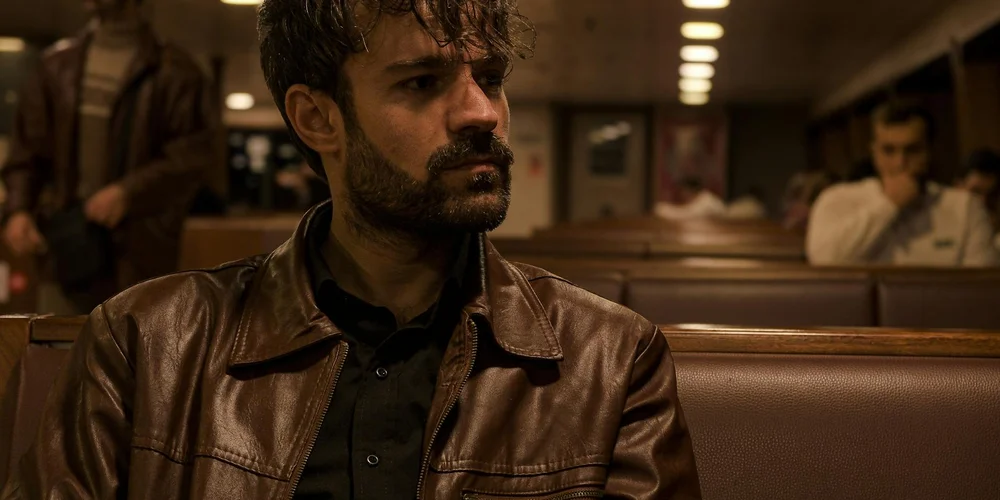
Think of your leather jacket like your own skin. When skin is dry, it cracks. When leather gets dry, it becomes brittle. Those brittle spots are the first to tear. I see it all the time. A perfectly good jacket gets one tiny rip because the leather along a cuff or a seam was left parched for years.
My jacket, June, gets a drink of conditioner twice a year, every year. This isn’t just about making it look shiny. It’s about keeping the fibers inside the hide supple and strong. A well-conditioned jacket fights off wear and tear much better than a dry one.
How and When to Condition
This process is simple but non-negotiable. Follow these steps every six months, or before you store it for a long time.
- Clean First. Use a soft brush or cloth to remove surface dust. For grime, a tiny amount of a pH-balanced leather cleaner on a damp cloth works wonders. Let the jacket dry completely.
- Apply Conditioner. Use a conditioner made for apparel leather. Put a small amount on a clean, soft cloth. Rub it into the leather using small, circular motions. Focus on high-flex areas like the elbows, shoulders, and cuffs.
- Let It Rest. Hang the jacket in a well-ventilated room away from direct heat for 24 hours. The leather will absorb what it needs. Buff off any slight residue with a dry cloth.
Conditioning is not a one-time fix, it’s a maintenance habit that keeps the leather’s internal structure resilient and less prone to cracking. A common mistake is using too much product, which can clog the pores. A little goes a long way, especially when it comes to oils and waxes that penetrate and protect the hide.
Smart Storage Stops Stress
How you put your jacket away is just as important as how you wear it. Storing it wrong creates permanent stress points that weaken the leather over time. Proper storage techniques are essential for maintaining leather quality.
- Always use a wide, padded hanger. A flimsy wire hanger will create sharp, damaging creases in the shoulders.
- Store it in a cool, dry place with some air circulation. Do not keep it sealed in a plastic bag, as this traps moisture and can cause mildew.
- If you must fold it for travel, pad the inside of the fold with soft tissue paper and do not pack other items tightly against it. Unfold it as soon as you arrive.
My old English saddle, Mason, taught me this. Leaving it in one position for months created stiff, weak spots. Leather needs to breathe and be allowed to rest in a natural shape.
Wear Versus Distress
There’s a big difference between earned character and damaging wear. Intentional distressing, like sanding edges or creating specific fade patterns, is a controlled process. Natural wear from your life is the real patina.
The light creases on June’s arms aren’t a problem. They show where the leather naturally bends with me. I monitor those areas, keeping them conditioned so the creases stay soft and don’t turn into deep, dry cracks.
Understanding how your jacket naturally wears allows you to care for it proactively, reinforcing areas before they become vulnerable. This is the opposite of neglecting it until a tear happens.
Regular, gentle care is your best defense against major repairs. It’s quieter than fixing a rip, but far more powerful. Make cleaning and conditioning a simple ritual, like polishing a good pair of boots. Your jacket will reward you with years of faithful service, developing a story that only you can tell.
Common Questions
What should I look for in a leather jacket repair kit?
A good kit must contain water-based leather glue (proper adhesives for leather), a real leather patch scrap, and heavy waxed thread. Avoid kits with only generic adhesives and vinyl patches, as they won’t bond correctly or last.
How do I decide if a tear is a DIY fix or needs a professional?
If the tear is a small, clean split in supple leather, you can likely handle it. For large gashes, shredded panels, or any damage on dry, brittle leather, seek a professional to prevent making it worse.
Should I condition my jacket after a repair?
Yes, but only after the repair is fully cured. Apply a light coat of conditioner to the surrounding area to maintain flexibility, but avoid the actual repair seam until the adhesive has set for several days.
What’s the best way to verify a “leather jacket repair near me” is reputable?
Ask to see before-and-after photos of actual repairs, not just sales imagery. A true conservator will discuss leather health and preservation, not just promise an invisible fix.
What factors influence leather jacket repair cost the most?
The primary drivers are the labor for precise color matching and the complexity of the structural repair, like replacing a full panel. The jacket’s value and leather type also affect the price.
After the Repair: A Leather Craftsman’s Guidance
My jacket June taught me that the most crucial step is always cleaning the tear area before any repair. Proper preparation ensures your patch or adhesive bonds deeply, making the fix strong and blending seamlessly with the leather’s natural movement in any leather repair.
Choosing to mend a tear honors the material and supports sustainable practices by extending your jacket’s life. I encourage you to keep learning about conditioning and protection, building your care skills to respect the craft and the responsible origins of the leather.
Related Guides and Information
- r/sewing on Reddit: Mom’s leather jacket has a rip, any suggestions for a repair?
- Repairing a Tear on a Leather Jacket – Leather Repair Company
- How to Repair Leather Tears in 5 Steps | Buffalo Jackson
Harriet is a avid collector of leather goods such as purses, bags, seat covers, etc and has an extensive background in leather care, recovery, stain removal and restoration. She has worked for a number of years perfecting her leather care techniques and knows the ins and outs of restoring all kinds and types of leather products. With her first hand knowledge in leather care, you can not go wrong listening to her advice.
Fixing Tears and Rips