How Do You Clean, Protect, and Wear Suede in Every Season?
Published on: December 30, 2025 | Last Updated: December 30, 2025
Written By: Harriet Nicholson
Hello Tannery Talk, that soft nap and rich color of suede make your jacket or bag a favorite, but keeping it safe from spills and storms is a real worry. I hear you.
This guide breaks it down with clear, hands-on steps. We will cover gentle cleaning for different stains, applying protective sprays for specific weather, and choosing when and how to wear suede items from summer to winter.
My work with pieces like June, my leather jacket, has given me the practical knowledge to care for materials like suede properly.
What Makes Suede Different from Other Leather?
Think of a leather hide like a slice of bread. The smooth, tight surface you see on a bag like my Scout is the top crust, what we call full-grain or top-grain leather. Suede is the soft, porous inside of the slice.
We create suede by gently sanding or brushing the underside of the hide to raise a nap. Run your fingers over it. It feels like the soft fuzz of a ripe peach or fine velvet. This texture is beautiful, but it changes everything about care.
That raised nap is a magnet. It grabs onto dust, oil, and water instead of letting them slide off a smooth surface. A drop of rain on my June’s calfskin might bead up. That same drop on suede will soak in and leave a dark spot.
For me, working with suede is a lesson in respecting the entire animal. It uses a part of the hide that might otherwise be discarded, making the craft more resourceful. When you buy suede, look for terms like “from a tannery with environmental controls” or ask about sourcing. Good suede should feel plush and consistent, not thin or papery.
The One Tool Every Suede Item Needs
Before you even think about cleaners or sprays, you need two simple tools: a proper suede brush and a suede eraser. This isn’t a luxury. It’s your first line of defense for weekly care and minor fixes.
A suede brush has stiff, brass or synthetic bristles set in a wooden or rubber block. A gum eraser looks like a dense, rubbery pencil. You can often find them sold together as a kit.
How to Brush Suede the Right Way
Brushing isn’t about scrubbing. It’s about grooming. Your goal is to lift the nap and brush out embedded dust.
- Hold the item firmly. Look closely to see which way the tiny fibers naturally lie. This is the “nap.”
- Always brush with the nap, in one smooth direction. Brushing against it can mat the fibers or damage them.
- Use firm, even strokes. You should see the color even out and the texture become fluffy again.
- For shoes or bags, do this every few wears. For a jacket, give it a good brushing before you hang it up for the season.
A two-minute brush can make a worn suede shoe look nearly new by reviving its texture and color.
Using the Suede Eraser for Scuffs
Those pale, chalky marks on suede shoes or the edges of a bag? That’s usually just disturbed nap and surface dirt. The eraser is perfect for this.
- First, brush the area thoroughly with your suede brush.
- Rub the eraser gently back and forth over the scuff, as if you’re erasing a pencil mark.
- You’ll see rubber crumbs and dirt lift away. Brush the area again with your suede brush to sweep away the crumbs and re-raise the nap.
Test the eraser on a small, hidden area first, like the inside of a waistband. Some very delicate or colored suedes can be sensitive. If the eraser seems too harsh, stick to brushing.
This brush-and-eraser routine solves most minor issues, keeping harsh cleaners away from your suede until they are truly necessary.
How to Clean a Suede Stain Without Panic
Finding a mark on your suede can feel like a small crisis. I get it. My own favorite suede boots have seen their share of coffee splashes and mystery scuffs. The key is a calm, methodical approach. Rushing or scrubbing is where good suede goes bad.
The goal is to lift the stain without disturbing the delicate nap of the suede, which requires patience and a light touch.
Your Universal Stain Removal Kit
You only need a few simple tools. Keep them together in a small kit so they’re ready when you need them.
- A suede brush with soft brass or nylon bristles.
- A white pencil eraser or a dedicated suede eraser block.
- A clean, white microfiber cloth.
- Lukewarm water in a small spray bottle.
The Step-by-Step Rescue Method
Follow these steps in order. Stop and move to the next step only if the previous one didn’t work.
-
Brush First, Always. Let the suede dry completely if it’s wet from a spill. Then, gently brush the entire stained area with your suede brush. Brush in one direction to lift the nap. Often, surface dirt or salt marks will vanish with just this. For water stains or rings, a targeted method can remove them without damaging the nap. The next steps will cover that technique.
-
Use the Eraser. For persistent scuffs or dry stains, use your eraser. Gently rub it back and forth over the mark. You’re abrading the very top of the fibers. Brush away the eraser debris afterward.
-
Introduce Moisture (Carefully). If a stain remains, lightly dampen your white cloth with lukewarm water. Never soak it. Now, picture the stain like a watercolor painting. You wouldn’t scrub a watercolor. You’d dab it. Blot the stain gently with the damp cloth, lifting moisture from the edges toward the center.
-
The Golden Rule: Blot, Never Rub. Rubbing grinds the stain deeper into the suede and mats the fibers permanently. Blotting lifts the offender out. For liquid spills, press a dry cloth onto the spot immediately to absorb as much as possible, always using a blotting motion.
-
Dry and Restore the Nap. Let the item air-dry away from direct heat, which can stiffen the leather. This can take 24 hours. Once bone-dry, brush the area vigorously with your suede brush to reactivate and fluff up the nap. The texture should return.
When Your Home Kit Isn’t Enough
You can love an item enough to call for backup. Knowing when to stop is a sign of good care, not defeat.
Take your suede to a professional cleaner if you see oil-based stains (grease, butter, makeup), if the stain has set for weeks, or if the fibers look damaged or matted after your attempt to remove oil stains from suede. They have specialized solvents and techniques that aren’t safe or practical for home use. Trying to conquer a deep oil stain yourself often sets it permanently.
Applying Protector Spray: Your Suede’s Invisible Shield
Think of a good suede protector spray as an umbrella for your favorite items. It does not make them waterproof, but it gives you critical time to react to a spill or a sudden rain shower. Rain can ruin suede if it soaks in, so a protective spray buys you time to wipe and dry. With that defense, you can face sudden showers without fear and keep your suede items looking their best. I treat my own suede pieces, like a suede version of June my jacket, with this spray as my first line of defense every season.
The Non-Negotiable First Step: The Spot Test
Never skip this. Formulas can vary, and you must know how your specific suede will react.
Find a hidden spot. Inside a cuff, under a collar, or on the bottom of a bag are perfect. Give it a very light, quick spray from the recommended distance on the can. Let it dry completely. Check for any color change or stiffness. If all looks good, you are clear to proceed.
This two-minute test can prevent a heartache, protecting your item before you even begin to protect it.
The Right Way to Apply Protector
Follow these steps in order for the best results.
- Start with a Clean Surface: Always apply protector to freshly cleaned, dry suede. Spraying over dirt or oil just seals those stains in forever.
- Work in a Ventilated Space: Take your item outside or to a well-ventilated area. The fumes are not something you want to breathe in.
- Shake the Can Well: Shake it for a full 30 seconds. This mixes the formula so it sprays evenly.
- Hold the Can Upright and at a Distance: Keep the can about 6 to 8 inches away from the suede. Holding it too close can saturate and potentially stain the nap.
- Use a Steady, Sweeping Motion: Do not spray in one spot. Use light, even passes, slightly overlapping each stroke until you see a very fine, even mist over the entire surface.
- Let it Dry Naturally: This is not a quick step. Let the item dry flat and away from direct heat for at least 12 hours, or even a full day. The protector needs this time to cure and bond properly.
Rushing the drying process is the most common mistake, leading to a weak barrier that will fail when you need it most.
How This “Invisible Shield” Actually Works
The spray creates a microscopic, breathable barrier on each tiny fiber of the suede nap. When water hits it, the droplets bead up and roll off instead of being instantly absorbed. For oily stains, it slows down the penetration.
This buys you perhaps 30 seconds to a minute to gently blot a spill with a clean, absorbent cloth. It turns a potential disaster into a manageable spot clean. Remember, it is a shield, not armor. A torrential downpour will still win, but a light drizzle or a splash from a puddle will not.
Reapply this protector every few months, or immediately after a thorough cleaning, to maintain its strength. Your suede’s defense needs regular reinforcements.
How Do I Clean and Protect Suede in Rainy or Winter Weather?
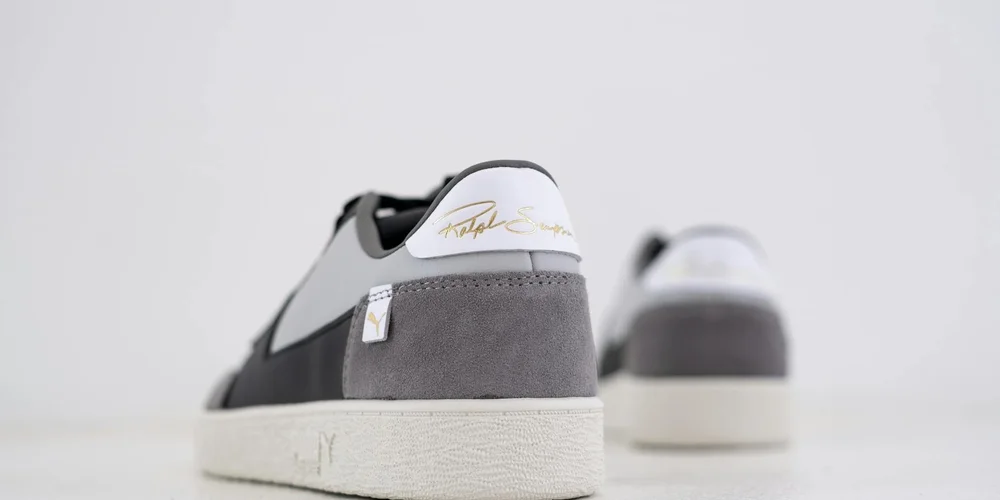
This is the question I hear most when the clouds roll in. People look at their suede boots or jacket and worry. The good news is, you don’t need to hide your suede all season. With the right defense and a calm recovery plan, your items can handle the weather.
Think of it like this. You wouldn’t run into a rainstorm without a coat. Your suede needs that same layer of protection before it faces the elements. And when you think about protection, do waterproof suede boots, shoes, and jackets really shield against rain stains? We’ll break it down next.
Your Best Defense: A Fresh Protector Spray
This step is non-negotiable for winter and spring. A quality water- and stain-repellent spray creates an invisible shield. It causes moisture to bead up and roll off the surface instead of soaking in.
Apply a new coat of protector spray at the very start of the wet season, even if you treated the item last year. The protective polymers break down over time and with wear. A fresh application ensures your gear is ready.
- Make sure your suede item is perfectly clean and dry.
- Work in a well-ventilated area. Hold the spray can about 6 inches away.
- Apply a light, even coat over the entire surface. Do not soak it.
- Let it dry completely, usually for a few hours or overnight.
- For heavy-use items like boots, a second light coat adds extra security.
Post-Wear Care: Salt Stains and Mud
So you wore your suede boots out and they met some sidewalk salt or mud. Don’t panic. The key is to let the item dry completely first. Never try to clean wet suede.
For dried mud or dirt, a suede brush is your first tool. Brush gently in one direction to lift the particles from the nap. For tougher spots, a suede eraser can help lift grime without damaging the surface.
Salt stains are a different enemy. They can leave a white, crusty mark and dry out the leather. If you’re dealing with leather boots after winter, target the salt rings. This care helps keep the leather supple and prevents further damage. For salt stains, a simple mix of equal parts white vinegar and water is your safest, most effective fix.
- Let the item dry fully. Brush off any loose salt crystals.
- Dampen a clean, white cloth with the vinegar solution. Wring it out so it’s just barely damp.
- Gently dab (do not rub) the stained area. You should see the salt residue dissolve.
- Use a second cloth dampened with plain water to dab the area and rinse.
- Let it air dry away from heat. Once dry, brush the nap to restore the texture.
If It Gets Damp: The Right Way to Dry
Even with protector, a downpour can win. If your suede gets wet, immediate care prevents stiffening and water spots.
Always dry suede at room temperature, away from radiators, hair dryers, or direct sun. High heat bakes the leather, making it brittle and can permanently set stains. Leather requires gentle drying methods.
- Blot away excess moisture immediately with a clean, absorbent towel.
- Stuff shoes or bags with crumpled paper or a dry towel to help them hold their shape as they dry.
- Let them dry naturally in a room with good air circulation. This can take a full day or more.
- Once completely dry, brush the nap gently to fluff it back up.
I’ve saved a favorite suede bag this way more than once. Patience here makes all the difference. Rushing the process with heat is the most common mistake, and it’s one that’s very hard to fix.
How Do I Clean and Protect Suede in Dry or Summer Weather?
Summer brings its own set of challenges for suede. Dust gets kicked up more, we sweat, and sunscreen becomes a part of our daily routine. The question I hear most is how to handle these without ruining a favorite piece. The key is adapting your routine for the season.
Think of summer dust as a fine grit. It can settle deep into the suede’s nap and, if left there, act like sandpaper with every movement. This is the most common wear I see on summer shoes and bags.
Gentle, frequent brushing is your best defense against the abrasive nature of summer dust.
Handling Dust and Dry Debris
Don’t wait for a stain to brush your suede. I recommend a quick, light brushing after every few wears in dry weather. This prevents debris from becoming embedded. Should a stain appear, keep in mind that different types of stains require different removal methods for suede. I’ll cover those stain-removal tips in the next steps.
- Use a dedicated suede brush or a clean, soft-bristled nailbrush.
- Hold the item firmly and brush in one direction, following the natural nap of the suede.
- For stubborn, ingrained dust, brush a little more firmly in short strokes, then go back over the area with gentle strokes to reset the nap.
- Tap the item against your palm outdoors to shake loose any dislodged particles.
Avoid wire brushes meant for tougher leathers, as they can tear the delicate suede surface.
Dealing with Sweat and Body Oils
Sweat and oils from your skin love to accumulate on the inside collars of jackets and the cuffs of sleeves. Left untreated, they can darken the suede and stiffen it. Spot cleaning as soon as you notice it is effective.
For light sweat marks, a barely damp microfiber cloth is often all you need to lift the salts and oils before they set.
- Dampen a small corner of a white or colorfast microfiber cloth with cold water. Wring it out completely-it should feel cool, not wet.
- Gently dab and blot the stained area from the outside in. Do not rub, as this can mat the suede.
- Allow the area to air dry completely, away from direct heat or sun.
- Once dry, gently brush the area to reactivate the nap.
If a water mark appears after drying, don’t panic. Let the item dry fully for 24 hours, then brush it vigorously. The nap usually evens out.
The Sunscreen and Bug Spray Problem
These are the trickiest summer stains. They contain oils and chemicals that can create a dark, greasy spot and repel water. Water alone will not fix this and can make it worse by spreading the oil.
- If you get a transfer stain, immediately blot away any excess product with the clean, dry corner of a cloth.
- For a fresh stain, a specialized suede cleaner and eraser kit is your safest bet. These are formulated to lift oils without saturating the leather.
- Follow the product instructions precisely, always testing on a hidden seam first.
The best protection is prevention. Let sunscreen or spray dry completely on your skin before putting on your suede jacket or bag strap.
Styling Your Suede Jacket and Bag Year-Round
How do you wear suede in different seasons? You treat it like a trusted friend, adjusting to the weather while keeping its well-being in mind. My suede jacket, June, sees action in every season with a few simple shifts.
For Your Suede Jacket
In spring and fall, think of your jacket as the perfect lightweight layer. Slip it over a simple cotton t-shirt or a light linen button-down. This look is effortless and protects the suede from direct sweat, which can cause stains.
When winter arrives, suede pairs beautifully with knitwear. Drape your jacket over a thick wool sweater or a turtleneck for a cozy, textured look that adds warmth without bulk. I always check the forecast first. If rain or snow is coming, June stays home. A sudden downpour is no friend to suede.
Cool summer evenings are suede’s secret moment. Throw it over a summer dress or a sleeveless top. The contrast between the breezy fabric and the soft suede nap feels special. It’s a great way to get more wear from a piece you might save for colder months.
For Your Suede Bag
Your bag choices can subtly change with the seasons. Darker suede bags, like chocolate brown or slate grey, naturally fit winter outfits and hide minor scuffs from more frequent use. Lighter tones, like tan or blush, brighten up summer linen and cotton looks.
Coordination is simple. In colder months, match your bag with your boots or leather gloves. In summer, let it complement your sandals or a wide-brimmed hat. Think of your suede bag as an anchor piece that ties your whole seasonal outfit together. Smart wear-care for suede—across apparel, bags, and footwear—keeps this look sharp from summer to winter. A simple routine now protects suede through every season.
A Key Care Habit: Rotation
This isn’t just about style. It’s about longevity. Suede needs to breathe and recover its shape, just like a good pair of leather boots. Don’t wear the same suede jacket or carry the same bag every single day.
I follow a simple two-day rule. After a day of wear, I let June rest for at least two days. I store her on a wide, padded hanger to keep her shoulders shaped. For bags, I stuff them with clean, white tissue paper when not in use to prevent sagging. This rest period allows any absorbed moisture from the air to dissipate and the nap to settle back down.
Rotating your wear is the simplest, most effective thing you can do to extend the life of your suede. It prevents permanent creasing and gives you time to brush off any surface dust with a suede brush before it gets ground in.
Styling Your Suede Shoes and Skirts for Every Season
Wearing suede in different seasons is less about rules and more about matching your gear to the weather. The goal is to enjoy your pieces while giving them the right protection.
How to Wear and Care for Suede Shoes
Your shoes face the most direct contact with the elements. Pairing them smartly is your first line of defense.
Winter: Boots and Tights
In cold, wet months, tall or ankle suede boots are your best friend. They look great with opaque tights or skinny jeans. This style keeps you warm and elevates a simple sweater or coat.
Care after wear is non-negotiable here. Salt stains and moisture are suede’s winter enemies. As soon as you get inside, take these steps:
- Let the boots dry completely away from direct heat. A warm room is fine; a radiator is not.
- Once dry, use a suede brush (a stiff bristle brush or a specialty suede/nalpene brush) to vigorously brush the entire boot. This revives the nap and scuffs out minor salt marks.
- For stubborn white salt stains, use a damp cloth to gently dab the area, then brush it again as it dries.
Spring and Fall: Loafers and No Socks
For the mild, often damp shoulder seasons, suede loafers or oxfords are perfect. Wear them with bare ankles or no-show socks for a clean look with cropped pants or casual dresses.
These seasons bring random rain showers, so a preemptive protectant spray is your best investment. After wearing, always check for water spots or dirt.
- Brush off surface dirt immediately.
- For water spots, let the shoe dry fully, then brush the area. The spot often disappears.
- Use a suede eraser for any scuffs on the toe or heel.
Summer: Sandals and Care
Genuine suede sandals are less common, but if you have them, they are for dry summer days only. Pair them with breezy skirts or linen pants.
Sweat and sunscreen can affect suede. After a day out, simply wipe the footbed with a slightly damp cloth and let the sandals air out completely before storing them. Brush the upper straps to keep the texture fresh.
How to Wear and Care for Suede Skirts
A suede skirt, like an A-line or a midi, is a versatile piece. The styling principle is similar: protect it from the harshest weather.
Winter: Tights and Boots
This is a classic, cozy combination. A suede skirt paired with thick tights and your winter boots balances texture and warmth. It works for a mini or a longer length.
Care here focuses on what the skirt touches. Brush the entire skirt with a suede brush after each wear to remove dust and revive the soft nap. Pay special attention to the hemline, which can pick up salt splash from boots. Treat any spots as you would with boots-dab, dry, and brush.
Spring and Fall: Simple Tees and Sneakers
For cooler dry days, a relaxed look works beautifully. Pair your skirt with a plain cotton tee, a lightweight sweater, and clean sneakers or flat ankle boots.
This style keeps the skirt away from most ground-level hazards. The main care task is addressing incidental stains from food or pollen. For a fresh oil spot, immediately sprinkle a small amount of cornstarch or talc on it to absorb the oil. Let it sit overnight, then brush it away. For dust or pollen, a thorough brushing is usually enough.
These same styling and care rules apply to an A-line suede mini skirt or even a good quality faux leather A-line skirt. Faux suede can be easier to clean with a damp cloth, but brushing still helps maintain its textured look.
Giving Your Suede a Seasonal Check-Up
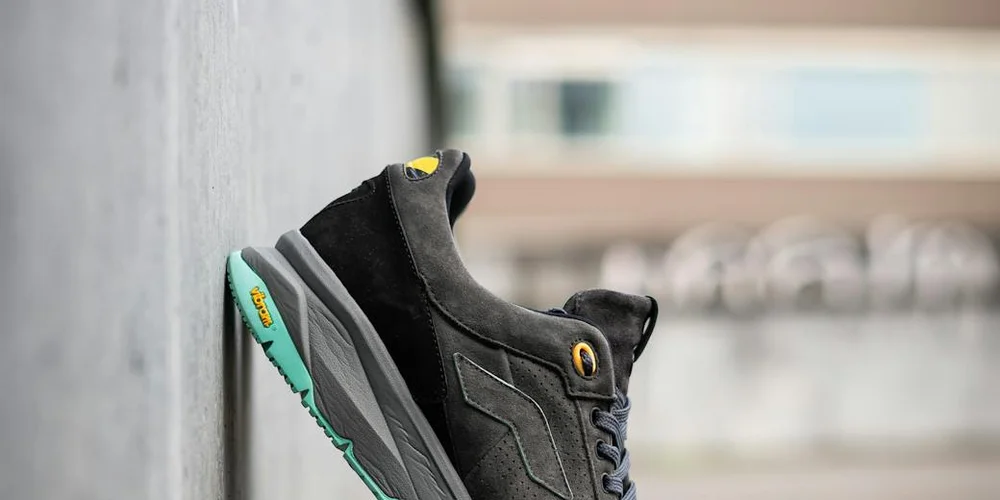
Twice a year, I take an afternoon for my leather goods. Think of it like changing your closet from summer to winter clothes. It’s a simple ritual that catches small issues before they become big problems.
My jacket, June, gets this treatment every spring and fall. It keeps her looking good and ready for whatever weather comes next.
The Biannual Routine
This check-up has three parts. You only need a soft suede brush, a clean cloth, and a fresh can of suede protector spray. Set aside about 30 minutes for each item.
- Thorough Brushing
Start with a completely dry piece. Use your brush to go over the entire surface. Brush in one direction to lift the nap, the soft surface of the suede. This alone can remove settled dust and bring back the rich color. It’s like gently combing hair to restore its shine.
- Inspect for Stains or Damage
Hold the item under good light. Look closely for oil spots, water rings, or scuffs. Check seams and edges for wear. Finding a stain early means you can often fix it with a dedicated suede eraser and brush. Missing it can let it set permanently.
- Reapply Protector Spray
This is your main defense. In a well-ventilated area, hold the can about six inches away. Apply a light, even coat over the entire surface. Let it dry completely, then apply a second coat. This spray does not make suede waterproof, but it creates a barrier against rain and spills, giving you precious time to blot a mess away.
This quick routine is the most effective way to extend the life of your suede items through years of seasonal changes.
A Ritual, Not a Chore
I don’t see this as a tedious task. It’s a quiet moment of care, similar to the ritual of putting away a winter coat or unpacking summer linens. You are preparing a trusted companion for its next chapter of use.
With each gentle brushstroke, you’re not just cleaning. You’re checking in. You learn the unique character of each piece-where it’s softened, where it’s most vulnerable. This familiarity is how you build a real relationship with your belongings.
Over time, this careful attention allows a beautiful history to show on the leather, a soft patina earned from years of good wear and good care. The slight darkening on a collar, the softened nap on a bag’s handle-these aren’t flaws. They are the marks of a life well-lived together, season after season.
Common Questions
How often should I really reapply suede protector?
Reapply a fresh coat at the start of each major season and immediately after any deep cleaning. For items worn constantly, like boots, a light refresh every two months maintains the barrier.
Is the vinegar trick for salt stains safe on all suede colors?
Always test on a hidden seam first, as some delicate dyes can react. For dark or very dry suede, using a specialized leather cleaner for salt stains is a safer, more conservative choice.
Can I wear my protected suede in heavy rain?
No. Protector spray is a shield against splashes, not armor against a downpour. If you’re caught in a storm, dry the item slowly at room temperature and brush the nap once it’s completely dry.
What’s the one thing I should do after every wear?
Give it a quick brush. A thirty-second brush with the nap removes surface dust and revives the texture, preventing debris from becoming ground in. This is the simplest, most effective daily habit.
A Final Word on Suede Care
The most important thing is to be consistent. Give your suede a quick brush after each wear and tackle spills immediately with a clean, dry cloth; that simple habit prevents most problems before they start.
Caring for quality suede well means it lasts for years, which is the most sustainable choice you can make. I encourage you to view this maintenance not as a chore, but as a developing skill that deepens your connection to a beautiful material.
Relevant Resources for Further Exploration
- Suede Shoe Care – Crockett & Jones US
- Fashion: The Ultimate Guide To Caring For Suede | The Journal | MR PORTER
- r/malefashionadvice on Reddit: How to take care of suede shoes?
- How to Care for Suede Shoes
- Care Guide | Suede | MORJAS
Harriet is a avid collector of leather goods such as purses, bags, seat covers, etc and has an extensive background in leather care, recovery, stain removal and restoration. She has worked for a number of years perfecting her leather care techniques and knows the ins and outs of restoring all kinds and types of leather products. With her first hand knowledge in leather care, you can not go wrong listening to her advice.
Suede and Nubuck Care