How to Clean, Protect, and Restore Suede: Your Practical Guide to Waterproofing, Brushing, and Emergency Care
Published on: December 27, 2025 | Last Updated: December 27, 2025
Written By: Harriet Nicholson
Hello Tannery Talk. That moment you notice a mark on your suede boots or a spill on your jacket can feel worrying, but with the right care, suede is more resilient than you think.
We will cover gentle cleaning, reliable waterproofing, daily brushing, and fast-acting emergency steps.
I’ve cared for suede items like well-worn boots and soft jackets for years, fixing everything from salt stains to water spots with hands-on methods.
What Makes Suede Different? A Quick Primer on Texture and Care
Run your hand over a pair of smooth leather boots, then over a suede jacket. The difference is immediate. Smooth leather feels like a tight, cool sheet. Suede feels like a soft, velvety blanket. This is because suede is made from the underside of an animal hide, where the fibers are loose and open. It is literally the inside-out version of your regular leather.
That beautiful nap is why suede needs a gentler touch. It traps dust and shows water spots easily. Many people ask if suede shoes are easy to clean, and the answer is yes, but you must use the right method. For the best methods and products for cleaning suede shoes and boots, opt for suede-specific cleaners and gentle brushes. These approaches protect that delicate nap. You cannot treat it like my old English saddle, Mason. Scrubbing with saddle soap or slathering on oil will ruin the delicate surface. The goal is to lift dirt without crushing the fibers.
You might also hear about nubuck. Think of it as suede’s more refined sibling. It starts as the top layer of the hide (like smooth leather) but is lightly sanded to create a short, fine nap. It feels like peach skin. The care rules for nubuck and suede are identical. What works for one, works for the other.
Building Your Suede Care Kit: The Essential Tools
You would not use a wire brush on a silk shirt. Caring for suede requires specific, gentle tools. Here is what you need to keep your items looking their best for years.
The Core Four Tools
- A Suede Brush: This is your most important tool. Look for one with soft brass or nylon bristles. It is not for polishing. You use it to gently lift the nap and brush away surface dirt. Always brush in one direction to train the fibers.
- A Suede Eraser: This comes as a pencil for small scuffs or a block for larger areas. It is a gentle abrasive that works like a magic sponge for dried mud and minor stains. You rub it lightly, then brush away the residue.
- A Protective Spray: This is your first line of defense. A quality spray forms an invisible shield against water and oil-based stains. It does not make suede waterproof, but it gives you precious minutes to blot a spill.
- A Specialized Cleaner: For deeper cleaning, you need a cleaner made just for suede or nubuck. These are usually foam or liquid cleaners that lift dirt without soaking the leather.
Let us compare brushes. A regular horsehair shoe brush is stiff and meant to work polish into smooth leather. Using it on suede would flatten and mat the nap permanently. A suede brush is much softer, designed to fluff and revive.
Never use all-purpose leather cleaners, saddle soap, or conditioners on suede. These products are made for smooth, porous leathers that absorb moisture. They will soak into suede’s open fibers, leave a sticky residue, and cause permanent darkening and staining. If you would not use it on velvet, do not use it on suede.
The Gentle Cleaning Process: A Step-by-Step Method for Any Item
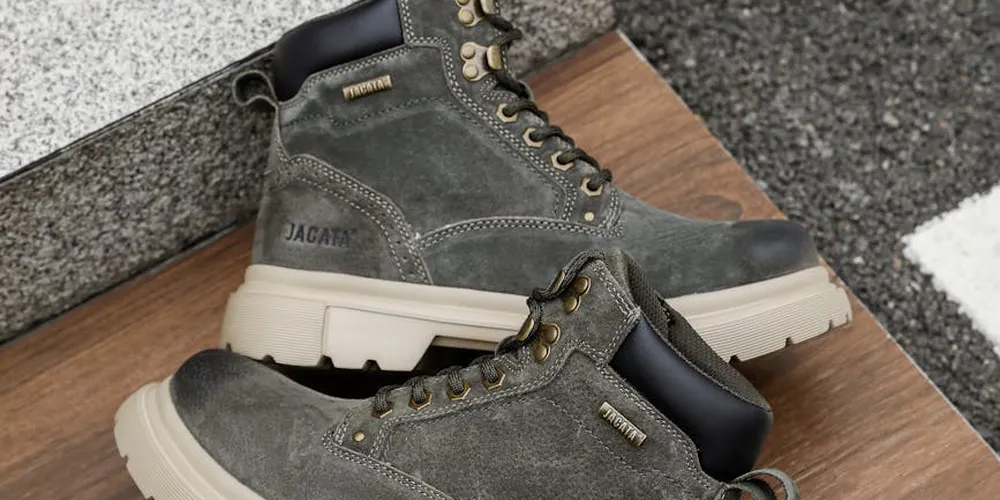
Cleaning suede is different from cleaning smooth leather. You are working with a delicate, raised nap. The goal is to lift dirt without crushing the texture. This process works for shoes, a bag, or a jacket. Take your time and follow these steps.
Step 1: Dry Work First (Brushing and Erasing)
Always start dry. This removes most surface dirt and can fix many scuffs without any moisture at all.
Take your suede brush. Hold the item firmly and brush in one direction, following the natural nap of the suede. You will hear a gentle, scratchy sound. This is the sound of the brass or nylon bristles lifting the fibers and pushing out embedded dust. Think of it like gently petting a cat from head to tail to smooth its fur.
For scuffs or oily marks, use the suede eraser. These marks look darker because they mat the nap down. Rub the eraser firmly back and forth over the mark. It works like erasing pencil from paper, lifting the grime out of the fibers. After erasing, use your brush again to sweep away the eraser crumbs and lift the nap.
Step 2: Targeted Wet Cleaning (Only When Necessary)
If dry brushing and erasing don’t remove a stain, you can move to a damp clean. Be cautious.
Can you clean suede with soap and water? I advise against it. Dish soap or hand soap can leave a residue that attracts more dirt and may discolor the suede. It can also saturate the leather, leading to stiff spots when it dries.
Instead, use a cleaner made for suede or nubuck. Here is the safe method:
- Shake the cleaner well. Spray it lightly onto a clean, white cloth or the applicator sponge that comes with it. Do not spray it directly onto the suede. Direct spraying can cause dark, water-spotted rings.
- Gently dab and work the damp cloth onto the soiled area using small, circular motions. Start from the outside of the stain and work inward to prevent it from spreading.
- Let the area sit for a minute as the cleaner breaks down the dirt, then dab it with a dry part of your cloth to absorb the moisture and grime.
Step 3: Drying and Brushing Back to Life
This step is critical. Rushing it can ruin your work.
Let the item air-dry naturally, away from radiators, heaters, or direct sunlight. Artificial heat can bake the leather, making it brittle and stiff. It can also shrink it. Let it dry completely. This can take several hours or even overnight for a shoe or bag.
Once the suede is fully dry, it will look flat and may have a slight stain ring. This is normal. Take your suede brush and brush vigorously in one direction. You will see the velvety texture spring back to life as you brush. This final brush erases the last signs of cleaning and restores the soft, tactile finish you love. If the nap still seems flattened in spots, you can gently steam the area by holding it over a boiling kettle (keeping it at a safe distance) and then brushing immediately. The steam helps the fibers stand up.
How to Protect and Waterproof Suede Properly
Protecting suede is not about making it indestructible. Think of it like applying sunscreen to your skin. It provides a vital barrier against everyday threats, but you wouldn’t expect to sit in a fire unharmed.
A good suede protector creates an invisible shield that repels water and stains, buying you time to deal with spills before they become permanent. It won’t make your suede jacket “bulletproof,” but it will turn a spilled coffee from a disaster into a manageable clean-up job.
Applying Protector Spray: A Step-by-Step Guide
Using a spray is simple, but technique matters. Doing it wrong can leave spots or a stiff feel. Here’s how I treat pieces like my suede bag or a pair of boots fresh from the cobbler.
- Start with a clean, dry surface. Never spray protector on dirty or damp suede. Any grime or moisture gets trapped underneath.
- Find a well-ventilated space. Take it outside or to a garage. The fumes aren’t something you want to breathe in for long.
- Shake the can vigorously for a full minute. This mixes the formula thoroughly for even coverage.
- Hold the can 6 to 8 inches away from the leather. This is the sweet spot. Too close, and you’ll saturate and darken one spot. Too far, and the spray will drift away.
- Use light, sweeping motions. Don’t soak the area. Apply a first, even coat over the entire item. Let it dry completely, which usually takes about an hour.
- Apply a second light coat. One coat is rarely enough. A second pass ensures complete coverage, especially on high-wear areas like the toes of boots or the shoulders of a jacket.
A common mistake is rushing. If the suede feels cool or damp after spraying, you’ve used too much. Wipe gently with a clean, dry cloth to absorb the excess and let it dry fully. The nap might feel a little stiff initially, but a good brushing once it’s bone dry will restore the soft handfeel.
Are Suede Boots Good for Rain?
This is a question I get all the time. The honest answer is nuanced.
With a fresh layer of protector, suede boots can confidently handle a walk through a light drizzle or a few damp leaves. The water will bead up and roll off. Think of it like a waxed cotton jacket-it’s fine for a bit of moisture, but you do need to apply it properly.
They are not, however, meant for a heavy downpour, slushy snow, or deep puddles. Suede is inherently porous; prolonged, heavy soaking will overwhelm any protector. The water will eventually penetrate, leading to dark water spots and potential stiffening as the leather dries.
If your protected boots do get caught in a surprise rain shower, don’t panic. Once you’re inside, let them dry naturally away from direct heat. As they dry, brush the nap gently with a suede brush to restore the texture. The protector did its job by giving you that window to get home.
Emergency Care for Suede: Handling Spills, Watermarks, and Salt
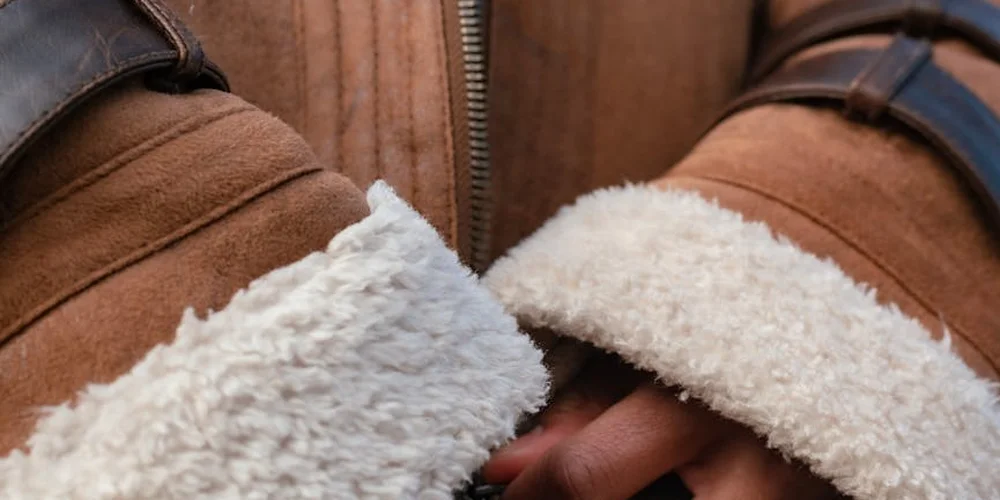
Accidents happen. Spilled wine, a sudden downpour, or salty winter slush can make your heart sink. I’ve been there with my own suede jacket. The key is to stay calm and act quickly. Panic often leads to rubbing, which is the worst thing you can do for suede. This is your simple guide for those urgent moments.
For Liquid Spills (Coffee, Wine, Rain)
Your first move is the most important. Grab a clean, absorbent cloth or paper towel. Gently blot the stain from the outside in to soak up the liquid; never, ever rub it. Rubbing grinds the spill into the fibers and can permanently mat the nap. Blot until the cloth comes away mostly dry. If the spill was something sticky like soda, you can lightly dampen a corner of your cloth with cool water and continue blotting to dilute the residue.
Once you’ve absorbed what you can, let the item dry naturally, away from direct heat like radiators or hair dryers. Heat can bake in a stain and stiffen the leather. After it’s completely dry, use a suede brush to gently lift the nap back up. You’ll often find the stain is gone or greatly reduced.
For Dried Watermarks and Rings
You took off your boots and now there’s a dark ring or a light watermark. Don’t try to fix it while it’s damp. The only fix for a watermark is to let the entire piece dry fully, then brush the entire surface with a suede brush or eraser. Trying to spot-treat a damp area will create a bigger, more obvious ring.
I left my suede bag near a window during a storm once. A light splash mark appeared. I was tempted to fuss with it, but I let it sit for a full day. When it was bone-dry, I brushed the whole bag vigorously for a few minutes. The mark vanished because I evened out the nap across the entire surface.
For Winter Salt Stains
Road salt is abrasive and can leave a white, crusty residue that dries out leather. If you’re looking to remove white salt stain rings from leather boots after winter, these steps can help prep the surface. For fresh salt slush, first let it dry completely. Then, brush off any loose, dried salt crystals with a suede brush.
If a stain remains, you can try a gentle cleaning solution. Mix one part white vinegar with one part lukewarm water. Always test any cleaner on a hidden area first, like inside a seam or the back of a tongue, to check for colorfastness. Dampen a soft cloth with the vinegar solution and lightly dab (don’t soak) the stain. Follow immediately by dabbing with a cloth dipped in clean water to rinse. Let it air dry completely, then brush to restore the texture. The mild acidity in vinegar helps neutralize the salt.
Remember, the best way to handle an emergency is to prevent it. A quality water-repellent spray for suede makes most spills bead up and gives you precious time to react. Regular brushing after each wear keeps the nap healthy and makes any recovery work much easier. Your suede goods are tougher than they look-with the right calm care, they can handle a little chaos.
Daily Habits and Seasonal Smarts for Suede Longevity
Caring for suede is about consistency, not complexity. Think of it like brushing your teeth a quick, regular habit that prevents big problems later.
Your Simple Suede Routine
Get a suede brush and keep it where you keep your shoes or bags. After you wear a suede item, give it a quick once-over. This simple act does two things. It lifts the nap back up, keeping that soft texture. It also flicks off the day’s dust and dirt before it gets ground in. Thirty seconds of brushing after each wear is the single best thing you can do for your suede.
For my everyday items, like my wallet Scout, this is non-negotiable. Spot cleaning is your other key habit. If you spill a little water or get a mark, tackle it right then. Use the brush or a clean eraser for dry marks. For anything damp, blot gently with a clean cloth and let it air dry completely away from heat before you brush it.
Seasonal Wear: Busting the Myths
Are suede bags only for winter? Are suede shoes good for winter? The short answer is suede is a year-round material, but winter demands more from you. A suede boot or bag in a deep color is a classic winter look. The real enemy isn’t the cold, it’s the salt and chemical slush on winter streets.
That slush can stain and dry out the leather terribly. If you wear suede in winter, a protective spray is your best friend. It creates a shield. More than that, you need to clean salt stains immediately. Don’t let salt-stained suede dry; dab the area with a cloth dampened with a mix of equal parts white vinegar and water, then let it dry naturally before brushing. This neutralizes the salt and can save the leather. For suede and faux suede boots, removing salt stains promptly helps prevent snow damage. Knowing how to do this is a practical step for winter footwear care.
How to Store Suede Properly
When you’re not using your suede, store it with care. Always keep it in a breathable cotton or canvas bag, never plastic. Plastic traps moisture and can cause mildew. For bags and boots, stuff them with acid-free tissue paper or a clean, dry cloth. This holds their shape and helps air circulate inside. Good storage is about creating a stable, dry, and dark environment for the leather to rest. It’s even more crucial when storing leather goods and shoes. Keep your stored suede away from damp basements, hot attics, or direct sunlight, which can all fade the color.
Is Suede Hard to Maintain?
Are suede bags hard to maintain? Not if you understand what they need. Suede isn’t fragile, but it is different from smooth leather. You can’t just wipe it down. The maintenance is simple, but it must be consistent. Compare it to a wool sweater. You wouldn’t throw it in the washer, but brushing it and spot-cleaning a spill is easy. The perceived difficulty disappears when you swap reactive worrying for proactive, simple care, such as learning how to clean and maintain suede bags properly. A dedicated brush and a vigilant eye for spots are all the specialized tools you really need.
Restoring Tired or Damaged Suede: When to Try at Home and When to Seek Help
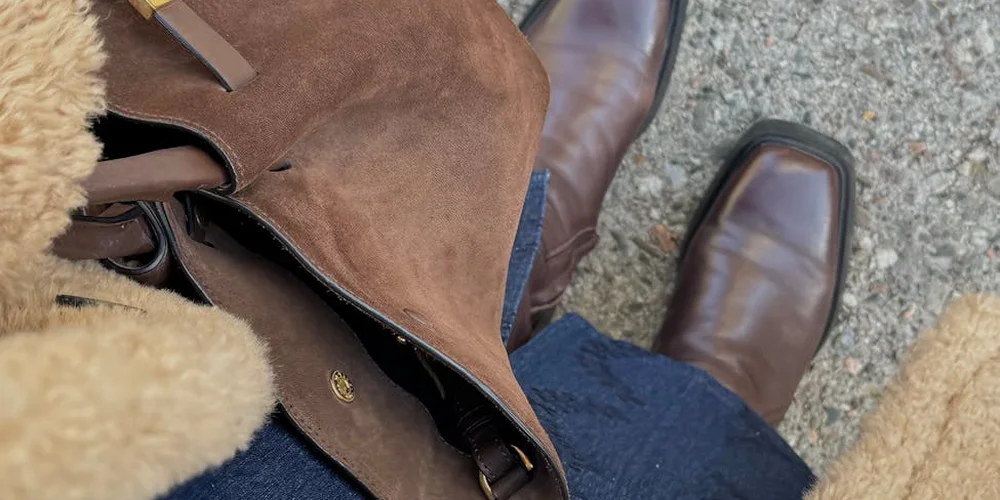
Seeing your suede piece lose its luster can be disheartening. My suede jacket looked dull and flat after a season of city wear, much like a neglected favorite rug. The first step is not to panic, but to calmly assess the situation.
Assessing the Damage and Simple Revival
Start with a good light. Hold the item and look closely at the problem area. Is the color just faded, or is the nap completely matted and stained? Most wear and tear falls into one of two categories you can address yourself.
For faded color and general dullness, a specialized suede renewal spray is your best friend. These sprays work by depositing a fine, fresh layer of colorant. They won’t fix a deep stain, but they can beautifully even out overall fading. Always test on a hidden seam first. Apply in a well-ventilated area with short, even bursts from about six inches away.
A matted nap, where the fibers are crushed flat, is often fixable. You will need a suede brush (one with brass or soft nylon bristles) and a source of steam, like a garment steamer or a kettle.
- Hold the steamer nozzle at least a foot away from the suede and pass it quickly over the matted area. The goal is to introduce light moisture and heat, not saturate it.
- Let the area dry for just a minute until it’s slightly damp to the touch.
- Gently brush the nap in one direction with your suede brush. You will see the fibers begin to lift and separate.
- Let it air dry completely, then brush again to restore a uniform texture.
The Non-Negotiable Rules: What Not to Do
Some methods cause more harm than good. You must know the boundaries to avoid a repair turning into a ruin.
Never, ever put suede in a washing machine. The agitation and detergent will permanently felt the delicate nap, shrink the leather, and likely ruin any structural glue. The result is a stiff, misshapen shadow of the original item. This is the most common mistake I see, and it is almost always irreversible.
Avoid generic household cleaners, soap, or excessive water. They can strip natural oils and leave harsh residue or watermarks. Stick to products made specifically for suede and nubuck.
When to Call a Professional Restorer
My rule is simple: if the damage goes deeper than the very surface of the fibers, professional help is your safest investment. Trying a complex fix at home often makes the professional’s job harder and more expensive.
- Deep Dye or Ink Stains: These pigments sink into the leather. Lifting them requires professional-grade solvents and techniques that won’t strip the base color.
- Major Water Damage: If a large area is soaked through, leading to stiffening, severe discoloration, or odor, a restorer has the tools to gently re-hydrate and re-shape the leather correctly.
- Structural Issues: This includes torn seams, separated linings, or a broken zipper on a suede jacket. Repairing these requires matching thread, specialized machines, and skills that go beyond surface care.
Handing over a treasured piece can feel uneasy, but a good restorer brings expertise your suede deserves. It is the surest way to grant it many more years of use.
Common Questions
Can I just throw my suede shoes in the washing machine?
Absolutely not. The agitation and detergent will permanently felt the delicate nap and likely shrink the leather, destroying the item. This is the fastest way to ruin suede beyond repair.
What’s the very first thing I should do for an oil-based stain?
Immediately blot with a clean, dry cloth to absorb any excess. Then, sprinkle an absorbent like cornstarch or talc on the spot to draw the oil out, let it sit overnight, and brush it away vigorously.
How often do I actually need to clean my suede items?
For daily wear like boots, a thorough dry brushing after each use is essential. Reserve deeper wet cleaning only for visible stains or discoloration, not as a routine.
Is one coat of protector spray enough for the whole season?
No. Reapply a quality protector spray every few months, or immediately after a significant cleaning, to maintain an effective barrier. One application is not a permanent shield.
When is a suede item too damaged for me to fix at home?
Seek a professional for deep dye or ink penetration, major water damage causing stiff distortion, or any structural issues like torn seams. Home remedies often worsen these problems.
Final Thoughts on Suede Care
Keep a suede brush handy and use it often to lift the nap and shake off dirt before it settles. Rain can ruin suede quickly if you skip prep, so a quick protective step is worth it. This simple habit helps keep the texture and color intact when showers hit. Always spray on a protectant before you wear suede out in the rain—this simple step prevents most stains and saves you from emergency repairs.
Good care extends the life of your suede, which is a respectful way to honor the material and the animal. I find that building your maintenance skills over time leads to better choices, from the products you use to the leather sources you support.
Industry References
- How To: Clean Suede Shoes & Sneakers | Jason Markk
- How to Clean Suede Shoes and Bags | Reviews by Wirecutter
- How to Clean Suede Shoes, No Matter the Stain
- Suede Cleaning and Care Kit
Harriet is a avid collector of leather goods such as purses, bags, seat covers, etc and has an extensive background in leather care, recovery, stain removal and restoration. She has worked for a number of years perfecting her leather care techniques and knows the ins and outs of restoring all kinds and types of leather products. With her first hand knowledge in leather care, you can not go wrong listening to her advice.
Suede and Nubuck Care