Natural Oils vs. Synthetic Sealants: How Do You Waterproof Leather?
Published on: October 18, 2026 | Last Updated: October 18, 2026
Written By: Harriet Nicholson
Hello Tannery Talk. You want to shield your leather from rain and spills, but the choice between natural oils and synthetic sealants can leave you unsure.
This guide will help you make a confident decision by covering how each product protects leather, what happens to the material over time, and which option suits your specific gear.
I base this advice on years of hands-on care, from oiling my English saddle Mason to sealing the seams on my leather jacket June.
How Natural Oils and Synthetic Sealants Actually Work on Leather
Think of caring for leather like caring for your own skin. The traditional way, using natural oils, is like applying a rich moisturizer. The modern method, using a synthetic sealant, is more like putting on a waterproof raincoat. Both keep you dry, but they work in completely different ways.
Natural oils, like the ones I use on Mason my saddle, are absorbed. When you apply a quality leather oil or conditioner, it soaks into the fibers. It lubricates and swells them from the inside. This conditions the leather, keeping it supple. The oil itself repels water because water and oil do not mix. The protection comes from within the leather’s structure, not from a top layer.
Synthetic sealants, like acrylic or silicone-based sprays and creams, work from the outside. They dry to form a thin, flexible film on the surface of the leather. This film acts as a physical barrier. Water beads up and rolls off this coating. The sealant does not typically condition the leather. It sits on top, protecting it. The science of leather waterproofing explains how long these films last and what factors influence their longevity. This context helps you assess products and maintenance strategies for better long-term protection.
Here is a simple breakdown of the process for each:
Applying a Natural Oil (The “Moisturizer” Method)
- Start with clean, dry leather.
- Apply a small amount of oil to a soft cloth.
- Rub it into the leather using small, circular motions. You will see the leather darken as it drinks the oil in.
- Let it sit for 15-20 minutes, then buff off any excess with a clean, dry cloth.
- Allow the piece to dry fully, away from direct heat, for 24 hours before use.
Applying a Synthetic Sealant (The “Raincoat” Method)
- Start with clean, dry leather.
- In a well-ventilated area, spray or apply the sealant in a thin, even coat. Hold the spray can about 6 inches away.
- Do not oversaturate. A light mist is often enough.
- Let it dry completely as per the product’s instructions, usually 2-4 hours.
- Some products recommend a second light coat for maximum barrier protection.
A common mistake with oils is using too much. The leather can only absorb so much. Excess oil sits on top, attracts dirt, and can feel sticky. A simple fix is to just buff more vigorously with a dry cloth. With sealants, the error is not letting them dry fully. Using the item too soon can cause the coating to peel or transfer, which can lead to cracks and damage.
Durability Face-Off: Which Waterproofing Lasts Longer?
So, which provides longer-lasting protection? The answer isn’t simple, because “lasting” means different things for each method.
A synthetic sealant typically provides a stronger, more immediate water barrier that lasts until it is physically worn or scratched off. That topcoat is tough. But it is vulnerable. Every time your leather scrapes against a desk, or the fibers flex and crease, that microscopic film can break down. High-wear areas, like the toe of a boot or the fold of a bag strap, will lose their coating first.
Natural oils wear differently. They don’t form a scratchable film. Instead, they become part of the leather. The protection fades gradually as the oils slowly evaporate or are pushed out of the fibers by pressure and use. The leather itself tells you when it’s thirsty again by looking dry or feeling stiff.
Think about my wallet, Scout. It lives in my pocket, constantly bending and facing friction from my jeans. If I only used a spray sealant on it, the coating on the edges would wear away in a matter of weeks. But with a good oil treatment, the leather stays nourished and water-resistant from the inside out. I refresh Scout’s oil about every four months with just a few drops.
Compare that to a hiking boot treated with a heavy-duty sealant. The sealant might survive dozens of hikes before water stops beading on the smooth toe box. But the flex point around the ankle? That might need a touch-up much sooner.
This is the core of comparing traditional and modern protection methods. Oils offer renewable, integrated care that needs more frequent attention. Sealants offer a potent, sacrificial barrier that fails with abrasion. For a piece like Mason the saddle, which sees steady, heavy use but not constant abrasion in one spot, a traditional oil treatment is a durable, centuries-proven choice. It protects and maintains in one step.
The Look and Feel: How Your Leather Changes with Each Choice
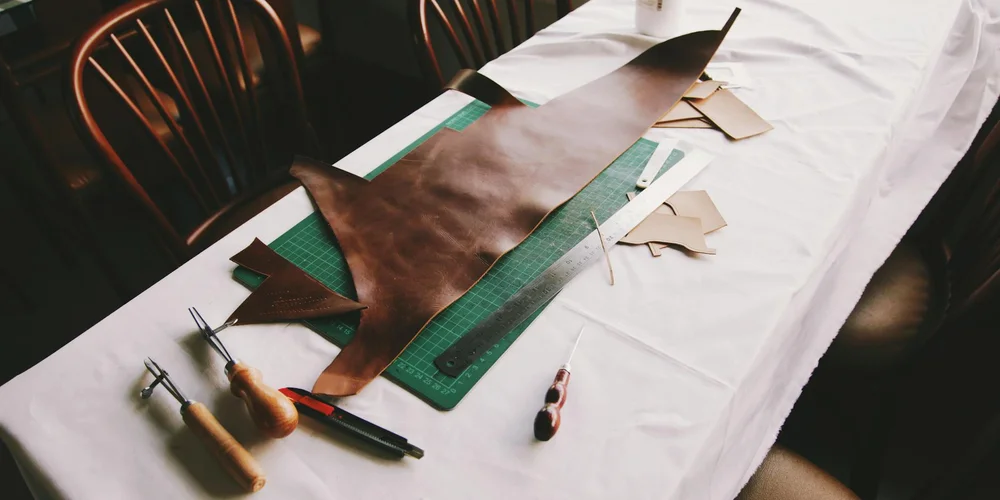
Your choice of protector does more than just block water. It becomes part of the leather’s story, changing how it looks and feels in your hands.
Natural oils like neatsfoot or mink oil soak right into the fibers. This nourishes the leather from the inside. You will see a darkening effect, especially on lighter leathers. Think of it like a sponge soaking up coffee. The color deepens and becomes richer. This is not damage. It is the start of a beautiful patina. The leather also softens, gaining a supple, warm handfeel. Over time, each application builds character. Scuffs and wrinkles become part of a unique, lived-in look.
My jacket June started as a uniform light brown, but regular, light conditioning with a natural oil blend has given her a deep, honeyed tone where the creases are, making the leather look more alive with every wear.
Synthetic sealants, like acrylic or wax-based products, work differently. They often sit more on the surface, creating a protective barrier. This can leave a slight shine or a subtle waxy film. The touch might feel a bit slicker or denser, not as porous as oiled leather. It can mute the natural grain texture slightly. The color change is usually less dramatic than with oils, sometimes just a minor darkening. The character they impart is one of consistent, durable protection, preserving the leather’s current state very effectively.
Picking the Right Protector for Your Leather Type
Not all leathers drink up protection the same way. Using the wrong one can leave a greasy mess or a sticky, plastic-like coating. The key is to match the product to the leather’s porosity. Sometimes even that isn’t enough, especially if you’ve used DIY cleaners.
Choose natural oils for porous, unfinished, or oil-loving leathers. These hides are thirsty and designed to absorb conditioning. This is supported by the science of how oils and waxes penetrate the leather and form a protective barrier. It helps explain why careful conditioning matters for long-term durability.
- Vegetable-Tanned Leather: This is the classic candidate. It responds perfectly to oils, darkening and developing a rich patina over decades. My wallet Scout is veg-tan and gets a light oil treatment once a year.
- Full-Grain & Bridle Leather: These sturdy, often minimally finished leathers absorb oil well, keeping them flexible and strong. Mason, my English saddle, is maintained with a specific blend of oils and waxes for this reason.
- Work Boot Leathers & Harness Leather: These are built for tough conditions and need the deep conditioning oils provide.
Choose synthetic sealants for leathers with a finished surface or a delicate nap. The goal here is surface protection without deep penetration, especially when sealing leather dye and paint.
- Finished or Corrected-Grain Leather: Many jackets, bags, and furniture have a painted or polished top coat. Oils can’t penetrate this layer and will just sit on top, attracting dirt. A sealant made for finished leathers is safer.
- Suede & Nubuck: These have a raised, velvety nap. Liquid oils will darken them unevenly and ruin the texture. Always use a dedicated, aerosol-based water-proofer designed for napped leathers.
- Leathers Where Color Consistency is Critical: If you must avoid any darkening, a clear synthetic sealant is the better choice.
Quick-Reference Guide: What to Use and When
| Your Leather’s Traits | Recommended Protector | Why It Works |
|---|---|---|
| Thick, stiff, and very porous (like a new belt or saddle) | Natural Oil | Penetrates deeply to soften and strengthen from within, encouraging patina. |
| Soft, supple, with a visible grain but a smooth feel (like a broken-in jacket) | Light Oil or Oil/Wax Blend | Conditions without over-softening, provides a balance of nourishment and water resistance. |
| Smooth, shiny, or with a painted/aniline finish | Synthetic Sealant for Finished Leather | Protects the surface coating without causing staining or discoloration. |
| Velvety surface (suede, nubuck) | Aerosol Spray Sealant for Napped Leather | Protects without soaking the delicate fibers and causing dark spots. |
| Item for heavy, daily outdoor use (work boots) | Heavy-Duty Wax-Based Sealant or Oil | Provides the highest level of durable, sacrificial water protection. |
A simple test is to put a single, tiny drop of water on an inconspicuous spot. If it sinks in within a few seconds, the leather will likely take oil well. If it beads up on the surface, you are probably dealing with a finished leather better suited for a synthetic sealant. It’s important to understand the water resistance of leather before applying any treatment.
Your Hands-On Guide to Application and Drying
Let’s get your hands on the leather. The method changes with your choice, so follow these steps closely for the best result.
How to Apply Natural Oils
Oils need to soak in. You are feeding the leather, not coating it. For my saddle Mason, I do this once a year.
- Clean First. Use a damp cloth or a mild, neutral leather cleaner. Let the piece dry completely. Any dirt sealed in will stay there.
- Apply Sparingly. Pour a small amount of oil onto a soft, lint-free cloth. Rub it onto the leather in small, circular motions. Start with less than you think you need; you can always add more.
- Buff Off Excess. After 5-10 minutes, take a clean, dry cloth and buff the surface vigorously. This removes oil that didn’t absorb and prevents a sticky finish.
- Air Dry Thoroughly. Let the piece rest in a warm, dry place out of direct sunlight. Do not use it until it’s completely dry to the touch inside and out.
How to Apply Synthetic Sealants
Sealants sit on top. You are building a shield, one thin layer at a time. This is my go-to for my wallet Scout before a rainy season.
- Clean First. Just like with oils, start with perfectly clean, dry leather. Any conditioner or oil underneath can block the sealant.
- Apply in Thin Layers. For spray sealants, hold the can 6-8 inches away and use a steady, sweeping motion. For rub-on types, use a cloth or applicator for a super thin coat. A thick, gloopy layer will crack and peel.
- Dry Fully Between Coats. Let the first layer dry as per the product instructions. Then, apply a second light coat if needed for extra protection. Two thin coats are always better than one thick one.
Drying Times: Patience is Everything
Rushing this part ruins the work. Here’s what to expect.
Always let your leather rest longer than you think it needs. The wait is what makes the protection last.
Understanding the Potential Downsides and Risks
Every method has trade-offs. Knowing these helps you avoid surprises and choose the right guard for your leather.
What Can Go Wrong with Natural Oils?
Oils are simple, but they are not perfect for every piece.
- Over-Darkening. This is the most common issue. Oils like neatsfoot or mink oil can significantly darken leather, especially lighter shades like tan or natural. The change is often permanent.
- Risk of Rancidity. On some leathers, particularly if over-applied and not fully absorbed, certain animal-based oils can eventually go rancid. This leaves a unpleasant, sour smell.
- Attracts Dust and Dirt. A surface with excess oil can feel slightly tacky and attract lint and dust until it is fully absorbed and buffed.
Always do a patch test on a hidden area, like an inside seam or under a flap, and wait 24 hours to see the true color change. This one step saves heartache.
What Can Go Wrong with Synthetic Sealants?
Sealants are powerful, but they change the leather’s character.
- Plastic-Like Feel. Many sealants, especially acrylic-based ones, can leave a stiff or plasticky film on the leather’s surface. That soft, supple handfeel can be lost.
- Cracking Over Time. On flexible items like boots or bags, a sealant applied too thickly can crack along crease lines as the leather continues to bend and move.
- Difficult to Remove. If you apply it poorly or decide you don’t like it, removing a synthetic sealant is very hard. It often requires strong, specific solvents that can damage the leather underneath.
You must apply synthetic sealants in a well-ventilated area. Open a window or work outside. The fumes are not something you want to breathe in.
Making the Final Choice: A Practical Decision Guide

Choosing between oils and sealants isn’t about finding the “best” product. It’s about finding the right tool for your specific piece. Think of it like choosing between a light sweater and a heavy raincoat. Both keep you warm, but for very different conditions.
Ask yourself these three questions in order. Your answers will point you in the right direction.
Three Questions to Ask Before You Buy
- What is the leather? Is it thick, rugged, and porous like a work boot or saddle? Or is it thin, smooth, and finished like a dress shoe or handbag?
- How will it be used? Will it face daily mud, rain, and spills? Or will it mostly see casual, dry use with the occasional surprise?
- What look do you want? Do you want the leather to darken and develop a rich, oily patina over time? Or do you need to preserve its exact current color and sheen?
| If your answers lean toward: | Then choose: | Because: |
| Rugged leather, heavy exposure, patina welcome | Natural Oil or Wax | It nourishes deeply and creates a water-repellent, patina-rich surface that wears in beautifully. |
| Finished leather, moderate protection, color preservation | Synthetic Sealant | It forms a clear, protective barrier without significantly darkening the leather or altering its texture. |
Weighing Protection and Upkeep
Think about protection in two ways: the initial shield and the long-term care.
For blocking spills and stains, a synthetic sealant often creates a more immediate, consistent barrier. It sits on top of the leather, so water beads up and rolls off. Oil waterproofs from within by filling the leather’s fibers, which is excellent for saturation but may not stop a coffee spill from leaving a mark as quickly.
The big difference is in reapplication.
- Natural oils and waxes are food for the leather. The leather absorbs them and uses them up. You will need to re-oil items in heavy use every few months, especially after getting wet or cleaned.
- A synthetic sealant forms a protective layer that wears away. A quality sealant might protect for a year or more on a frequently used item before you see water stop beading. That’s your cue to clean and reapply.
The Final Consideration: Environmental Impact
If you are choosing between two products that both suit your leather’s needs, consider their footprint.
High-quality natural oils and waxes (like beeswax or coconut oil) are biodegradable and come from renewable sources. They break down naturally. Many synthetic sealants are petroleum-based and are not biodegradable. They are engineered for maximum durability, which means they persist in the environment.
For the environmentally conscious, a natural oil or wax blend is often the more sustainable choice for the planet, if it also works for your leather. When you weigh this against commercial products, a quick comparison of natural oils versus store-bought formulas can guide your decision. In the next steps, we’ll compare performance, price, and environmental impact to help you choose the best option.
Real Scenarios: What I Would Use
Let’s apply this to my own well-worn pieces. This is exactly how I decide.
For Mason (My Saddle): I always use a heavy oil or oil-wax blend. Mason lives outdoors. He needs deep nourishment to stay flexible and strong in all weather. The dark patina he gets from oil is part of his character. A plastic-like sealant film would crack with his constant flexing and feel wrong.
For June (My Jacket): I use a light conditioner oil. June needs to stay soft and pliable. I don’t want a stiff coating on her. The oil keeps her leather supple and offers enough protection for everyday drizzle. If I knew I’d be caught in a downpour, I might use a spray-on sealant for that day, but I’d condition her well afterward.
For Scout (My Wallet): I use a very light coat of sealant. Scout sits in my pocket, facing constant friction and the risk of pen marks or spills. The sealant gives a clear, protective top coat that shields the veg-tan leather without dramatically darkening it or making it feel greasy in my pocket.
Common Questions
Which is better for preventing a stain from a spill?
A synthetic sealant acts faster, forming a top-layer barrier that gives you time to wipe a spill off before it soaks in. Natural oils waterproof from within but may not stop a dark stain from setting as quickly on light leather.
How often will I need to reapply each protector?
For heavy-use items, plan to re-oil every few months, as the leather consumes it. A good sealant can last a year or more, but reapply it as soon as water stops beading on the surface.
What’s the biggest risk of using a natural oil?
Permanent, uneven darkening on light leathers is the most common issue. Always do a patch test in an inconspicuous spot first and wait a full day to see the true result.
What’s the biggest risk of using a synthetic sealant?
It can create a stiff, plastic-like feel and may crack in flex points if applied too thickly. Once on, it is very difficult to remove without potentially harming the leather.
Which option is kinder to the environment?
High-quality natural oils and waxes are typically biodegradable. Most synthetic sealants are petroleum-based and are not, making natural options the more sustainable choice when they are suitable for the leather.
Final Thoughts on Protecting Your Leather
The right choice between oil and sealant comes down to your leather’s character and your daily life. Choose a nourishing oil for leather that breathes and ages, and a focused sealant for gear that faces harsh, wet weather.
Taking care of leather is a way to honor the material and the animal it came from. Building your care skills, from simple conditioning to informed waterproofing, turns routine maintenance into a rewarding part of owning leather goods. Understanding the best general methods for caring and treating leather items can guide your approach. This helps you choose the right techniques and products for your pieces.
Relevant Resources for Further Exploration
- Kg’s Farm-Ranch and Sports Leather Waterproofing Oil | Kg’s Boot Guard
- Best Leather Boot Waterproofing Products: Top 5 Reviewed
- Is Leather Waterproof? Most to Least Water-Resistant Leathers
- Is Full Grain Leather Waterproof: An Expert Guide
Harriet is a avid collector of leather goods such as purses, bags, seat covers, etc and has an extensive background in leather care, recovery, stain removal and restoration. She has worked for a number of years perfecting her leather care techniques and knows the ins and outs of restoring all kinds and types of leather products. With her first hand knowledge in leather care, you can not go wrong listening to her advice.
Waterproofing Leather (Sprays vs. Waxes)