How Do You Choose a Leather Care Brand? Heritage vs. Modern Explained
Published on: October 8, 2026 | Last Updated: October 8, 2026
Written By: Harriet Nicholson
Hello Tannery Talk. Staring at a wall of conditioners and polishes, you might worry about picking the wrong one and harming your leather. I understand that hesitation completely.
Let’s find clarity. We will cover the steadfast quality of heritage brands, the focused solutions of modern brands, and how to match a product to your leather’s age and type.
My recommendations come from hands-on conditioning and repair, learned over years with trusty pieces like my saddle Mason and jacket June.
What is the real difference between heritage and modern leather care?
Think of a heritage brand like your grandmother’s perfect pie recipe. It uses simple, time-tested ingredients you might already have in the pantry. Heritage brands are rooted in decades, sometimes over a century, of leather craft. They rely on natural ingredients like beeswax, lanolin from sheep’s wool, and neatsfoot oil from cattle.
Applying these products feels like a quiet ritual. You warm the wax in your hands. The scent is earthy and honest. The results build slowly, layer upon layer, creating a deep, nourished finish that lasts for months. This approach prioritizes profound, long-term nourishment over convenience.
Modern brands are more like a new, brilliantly designed kitchen gadget. They focus on user-friendly innovation and solving specific problems. You will find water-based formulas that are odorless and dry quickly, or specialized sprays for technical fabrics mixed with leather.
They often include clever applicators to avoid mess. The goal is effective care that fits a busy life. These products excel at targeted tasks, like refreshing a jacket quickly before going out or protecting suede from a sudden rain shower.
Both philosophies exist because leather itself has many needs. My old English saddle, Mason, thrives on the deep conditioning of heritage waxes. My daily-use jacket, June, sometimes needs a quicker, lighter modern cream to maintain its softness without a heavy break-in period.
Your choice isn’t about good versus bad, but about matching the tool to the task and the pace of care you want to provide.
Which heritage brands have earned their reputation?
These brands have become legends because their products simply work, year after year. They are stewards of traditional methods.
Brands Built on Tradition
One iconic name started in a small French workshop over a century ago. They became famous for their “renovateur,” a creamy conditioner that revives dry leather. It’s a blend of natural oils and waxes that I’ve used on countless vintage bags. The leather drinks it in and regains its supple handfeel without greasiness.
Another staple from England is traditional saddle soap. It’s a soft cake of soap blended with glycerin and conditioning oils. You lather it with a damp sponge. It doesn’t just clean the surface; it gently lifts dirt and deposits a bit of moisture. It’s the first step I always take with a heavily soiled piece like work boots.
From Italy, a family-run company produces a legendary leather balm. It’s famously simple, often containing just a few ingredients like lanolin and beeswax. People use it on everything from leather soles to baseball gloves. It creates a rich, satin finish that protects without a plastic feel.
The Heritage Experience
Caring for leather with these products is an intentional process. You unscrew the tin and smell the beeswax and oil. You apply it with your fingers or a cloth, feeling the leather warm and absorb the conditioner. There’s no instant fix. You let it sit, then buff it gently. The next day, the leather looks richer and feels more resilient. Different leather types respond to different key ingredients, so the right formulation can vary. Understanding which ingredients your conditioner uses helps tailor care to your leather.
On Mason, my saddle, this ritual is essential. The thick heritage waxes protect him from rain and sweat during rides. They soak deep into the fibers, keeping them strong and flexible. Over years, this care builds a deep, glowing patina that tells the story of its use and maintenance.
Using a heritage product connects you to a long history of craft; you are maintaining your gear with the same proven materials that tanners and saddlers have trusted for generations.
Heritage Product Guide
Here is how these time-tested products fit into a care routine.
| Product Type | Best For | Leather Types | Notes |
| Saddle Soap (Cake) | Deep cleaning heavily soiled items: work boots, saddles, tack. | Full-grain, vegetable-tanned, bridle leather. | Always follow with a conditioner, as it can be drying. |
| Wax-Based Conditioner/Paste | Long-term conditioning and weather protection for outdoor gear. | Full-grain, oil-tanned leathers (like Chromexcel), saddlery. | Will darken leather slightly and create a robust protective layer. |
| Oil & Beeswax Balm | Nourishing dry, stiff leather and creating a flexible, water-resistant barrier. | Dry veg-tan, work boots, belts, and revitalizing old leather. | A little goes a long way. Apply thinly and allow days to fully absorb. |
| Leather Cream | General conditioning and color maintenance for finer goods. | Calfskin, smooth finished leathers on shoes, bags, and jackets. | Less greasy than pure oils, often available in matching colors. |
Which modern brands are changing the game?
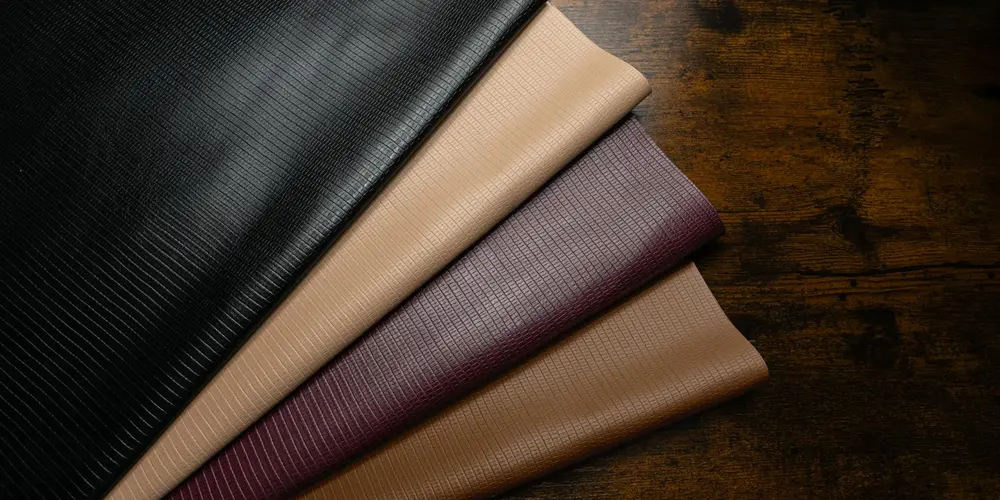
A new wave of leather care focuses on precision. These modern formulas are like specialists, designed for specific problems. They cater to people who want effective care without heavy changes or long wait times. For a jacket like June, my soft calfskin piece, this targeted approach is perfect.
These brands prioritize quick absorption and clean application. You often get a spray or a light lotion instead of a heavy paste. The goal is to fit care into a busy routine, letting you treat a bag or jacket and use it again in hours, not days. They also champion safer, non-toxic ingredients, which is better for your home and the leather’s long-term health.
Here’s what their standout products typically solve:
- Non-Darkening Conditioners: This is a major innovation. Traditional oils can darken leather significantly. Modern conditioners use refined plant oils and polymers that nourish the fibers without a dramatic color shift, preserving the original look of light-colored or aniline leathers.
- UV Protectant Sprays: These are clear sprays that create an invisible shield against the sun’s fading rays. Think of it as sunscreen for your leather goods, drastically slowing the aging process from light exposure.
- Water-Based Cleaners: Moving away from harsh solvents, these cleaners lift dirt gently using plant-derived surfactants. They are effective, low-odor, and much safer to use in an apartment or around family.
- Quick-Refresh Wipes: For maintenance between deep cleans, these pre-moistened wipes remove surface grime and add a micro-layer of conditioner. They are ideal for a quick wipe-down of a wallet like Scout or a bag handle.
How do ingredients and formulas compare?
Choosing between heritage and modern care often comes down to ingredients. One isn’t universally better. It’s about matching the formula to your leather’s needs and your personal priorities.
Heritage recipes work from the inside out, while modern blends often protect from the outside in. Knowing the difference helps you make a confident choice, whether you’re feeding an old workhorse like Mason or preserving a modern designer bag.
Heritage Ingredient Profiles
Think of these ingredients as whole food for leather. They are simple, natural, and have been trusted for generations.
- Neatsfoot Oil: A classic from animal sources. It penetrates deep into leather fibers, making them incredibly supple and flexible. It’s excellent for reviving dried-out, stiff leather but will darken it.
- Beeswax: This is the protector. When rubbed onto the surface, it creates a physical, water-repellent barrier. It gives leather a subtle sheen and that classic, slightly tacky “pull-up” effect when bent.
- Lanolin: A wax derived from sheep’s wool. It’s a superb moisturizer that mimics leather’s natural oils, helping to maintain its internal moisture balance and prevent cracking.
These ingredients nourish the entire structure of the leather. The trade-off is that they can add weight, take longer to fully absorb, and often alter the color and feel more noticeably.
Modern Ingredient Profiles
Modern chemistry offers high-tech shields. These ingredients are engineered for specific performance goals.
- Synthetic Polymers (like Acrylics): These form a flexible, invisible film on the leather’s surface. They provide excellent scuff resistance and a consistent finish without penetrating or changing the internal structure of the leather.
- Plant-Based Silicones and Compounds: Derived from silica, these create a powerful water-beading effect. They are very lightweight and won’t darken leather, making them ideal for weatherproofing suede or nubuck.
- Micro-Emulsions: These are advanced blends where tiny droplets of oil are suspended in water. This allows for fast penetration of conditioning agents without a greasy residue, leading to quicker drying times.
The advantage is targeted performance-superior UV resistance, stain blocking, or rapid drying. The feel is often lighter, and the visual change is minimal.
| Task: Conditioning a Dry Leather Jacket | Heritage Approach | Modern Approach |
|---|---|---|
| Typical Ingredients | Blend of neatsfoot oil, beeswax, lanolin | Micro-emulsion of jojoba oil, silicone polymers, vitamin E |
| Primary Benefit | Deep, long-lasting nourishment from within. Restores flexibility profoundly. | Surface and sub-surface hydration with added protective film. Minimizes color change. |
| Feel After Care | Softer, slightly richer hand. May feel warmer or waxier initially. | Smooth, dry-to-the-touch. Leather retains its original “hand.” |
| Drying Time | Longer (12-48 hours for full absorption) | Shorter (2-8 hours to the touch) |
| Best For | Heavy-duty, full-grain leathers (work boots, saddles, tool belts) where durability is key. | Finished, fashion, or delicate leathers (jackets, bags, car interiors) where original appearance is key. |
How do you pick the right brand for your leather type?

Think of your leather’s top layer, its finish, like its skin. The care it needs depends entirely on how much of that natural grain is exposed. Get this right and your piece lasts for decades. Get it wrong and you risk clogging pores or causing stains.
For Aniline, Full-Grain, and Vegetable-Tanned Leathers
These are the leathers that show their true character. Aniline and full-grain have a permeable, open-pore surface. Vegetable-tanned leather, like my wallet Scout, starts pale and earns its rich color from oils, sun, and use. They all need conditioners that can soak in deeply.
You want a brand whose core products are simple, penetrating oils and balms made with natural ingredients like lanolin, beeswax, or neatsfoot oil. Look for words like “pure,” “nourishing,” or “for unfinished leathers.” A good test is to feel the product; it should absorb into your skin, not sit on top like a greasy film.
Caring for Scout is a perfect example. Every six months, I use a single, simple oil from one of these heritage-focused brands. I apply a thin coat, let it soak in overnight, and buff off any excess. It darkens briefly, then settles into a richer, healthier version of its patina. For a delicate aniline leather bag, the principle is the same but even gentler-a lighter, cream-based conditioner applied with a soft cloth in circular motions works best. Regular cleaning and protective care help prevent cracking and stains, keeping the leather supple. Clean, condition, and shield—it’s a simple routine that extends its life.
For Suede and Nubuck
These are the velvet of the leather world. That soft nap is incredibly delicate. You never use a standard leather conditioner here; it will mat the fibers and create dark, greasy spots.
Your brand should specialize in dry, aerosol sprays for protection and dedicated rubber or brass-bristle brushes for cleaning. A quality suede protector will be a water- and stain-repellent spray that doesn’t change the color or handfeel. For cleaning, a good brand will offer a specific suede cleaner and a gentle brush to lift dirt and restore the nap after it gets wet or flattened.
The common mistake is using anything wet or oily. A simple fix for light scuffs on nubuck (like on some boots) is to use a clean, dry brass brush and gently brush the area in one direction to tease the fibers back up.
What should you expect to pay and where can you find them?
Price tells you about ingredients and concentration. A little of the right product often goes a very long way.
Heritage Brands: The Investment
These brands often use time-tested, sometimes more costly, natural ingredients. A tin of leather balm or a bottle of oil from a heritage brand typically ranges from $15 to $40. A large tub of saddle soap might be $20-$30.
You are paying for a concentrated formula where a pea-sized amount can condition an entire bag, and for expertise that has been proven over generations. The cost is justified by purity and longevity. The leather on Mason, my old saddle, has been treated with the same type of product for eight years. It’s not a recurring expense, but a maintenance ritual.
Modern Brands: A Range of Options
Modern brands fill shelves at more accessible price points, from budget ($8-$15 for a cleaner) to premium ($25-$50 for a conditioner kit). The higher end of modern brands often competes directly with heritage pricing, justifying it with sleek packaging, dermatologist-tested formulas, or specific scent profiles.
Justifying the cost here often comes down to specialized formulations for specific, modern leather types, like coated finishes or high-fashion items. Always check the label to ensure it matches your leather’s needs, especially if it’s for jackets or luxury handbags.
Where to Shop
Heritage brands are found in the places that use them: saddleries, high-end cobblers, and workwear stores. You can also find them through dedicated online retailers that specialize in leathercraft or equestrian supplies. But it’s not just about finding any leather; quality and brand reputation matter when it comes to genuinely heritage leather pieces.
Modern brands dominate e-commerce platforms and the shelves of broader design, home goods, or apparel stores. This makes them easy to find and often allows for customer reviews to guide your choice.
Guarantees and Trust
A brand that trusts its product will stand behind it. Many reputable brands, both old and new, offer a satisfaction guarantee. This isn’t common for all consumable goods, but it’s a mark of confidence in leather care.
Look for brands that openly provide guidance, list their ingredients, and have a return policy if the product isn’t right for your item. It shows they expect their product to work as described and are willing to help you succeed in caring for leather items. A simple fix for buyer’s remorse is knowing you can contact the company for advice or a refund.
How do you make the final choice for your piece?

Choosing a product feels personal because it is. You are not just buying a cleaner. You are choosing how to care for a companion. I think about Mason’s saddle, June’s jacket, and Scout’s wallet. They each need a different touch.
Follow these three steps. They turn a confusing choice into a clear plan.
Step 1: Listen to Your Leather
First, know what you are working with. The leather’s age and type tell you what it can handle.
- Old & Dry (like Mason): Leather over five years old is often thirsty. It needs deep-penetrating conditioners with rich oils and waxes. Avoid harsh cleaners that can strip its fragile patina.
- New & Stiff: New veg-tan or bridle leather needs breaking in. Look for conditioners that soften the fibers without over-darkening. A light application is key.
- Delicate & Dyed (like June): Soft calfskin, lambskin, or brightly colored leathers demand gentle, pH-balanced products. Strong oils can stain or change the color permanently.
Your first job is to match the product’s strength to your leather’s life story.
Step 2: Be Honest About Your Care Style
Your routine matters as much as the leather. Are you a meticulous caretaker or someone who needs a quick fix? Both are valid.
Step 3: Define Your Dream Outcome
What do you want this piece to become? Your goal shapes everything.
- For a Rich Patina: You want the leather to tell its story. Choose nourishing products that enhance the natural grain and encourage a slow, character-filled darkening over years. Think of it like seasoning a cast-iron skillet.
- For a Pristine Look: You want to preserve the “like-new” color and finish. Select gentle, non-darkening conditioners and protective sprays. Clean spills immediately and condition regularly to prevent drying and cracks.
I wanted June’s jacket to stay supple and show its creases, not get stiff and dark. For Scout’s wallet, I wanted a deep, dark patina from my hands. My goals were opposite, so my products were too.
What Other Caretakers Say
Reading reviews shows a clear pattern. People who use heritage-style products often talk about the “depth” of the result. They mention a deeper glow and a more natural handfeel that develops over multiple applications. The process is part of the reward.
Fans of modern, science-led brands consistently praise convenience and predictable results. They appreciate formulas that don’t smell strong, dry quickly, and perform the same way every time. It is care simplified.
The Best of Both Worlds
A new wave of brands is building a bridge. They use traditional, effective ingredients like lanolin and beeswax but refine them with modern standards. You might find a saddle soap made with plant-based cleansers or a conditioner free from synthetic silicones.
These blends focus on skin safety and environmental impact without sacrificing performance. They are ideal for someone who values heritage methods but lives in a modern home, wanting effective care without harsh chemical smells.
The Golden Rule: Always Test First
Never skip this. The back of a strap, the inside of a belt loop, or the underside of a flap are perfect.
- Clean a small area.
- Apply a tiny amount of your chosen conditioner.
- Let it dry completely, for 24 hours if you can.
This test shows you the true color change and feel. What works for my old saddle might overwhelm your modern bag. Leather care is not one-size-fits-all. It is a conversation between you, your piece, and the product. Start that conversation quietly, in a small corner, and listen to the answer.
This simple test is the single most important step in leather care, saving you from regrets and teaching you more than any guide ever could. Even so, it’s crucial to debunk common myths about leather care before proceeding.
Common Questions
Which brands offer the most comprehensive product lines?
For a full arsenal, look to heritage houses like Saphir Médaille d’Or, which offers specific polishes, creams, and renovateurs for every leather grade. Modern leaders like Lexol provide a complete, straightforward system of pH-balanced cleaners, conditioners, and protectants for consistent results.
Are there brands that successfully blend heritage techniques with modern innovation?
Yes, several. Brands like Cobblers Choice and Bickmore use traditional lanolin and beeswax but refine them into non-toxic, faster-absorbing formulas. They deliver deep nourishment with the convenience and safety standards modern users expect.
Where are these top brands primarily available for purchase?
True heritage brands are often found in saddleries, fine shoe repair shops, or specialty leatherworking suppliers. Modern brands are ubiquitous online and in broader retail stores, making them easier to acquire on impulse.
Do these brands offer any warranties or satisfaction promises?
The best brands, both old and new, stand behind their products with a satisfaction guarantee. This is a key sign of confidence; if a product doesn’t perform as expected for your specific leather, a reputable company will make it right. When you compare top leather dye brands—Angelus, Fiebings, and others—you’ll spot differences in color range and finish.
Choosing and Using Your Leather Care
The right product isn’t the most expensive one or the most famous brand, but the one formulated for your specific leather. Always test a new cleaner or conditioner in a small, hidden area first and let the results guide you. Choosing the right method and product can make a significant difference in maintaining your leather.
Proper care is a responsible act that respects the material and extends the life of your goods, which is the most sustainable practice you can adopt. Your skill in maintaining leather will grow with each application, becoming a quiet part of your craft.
Sources and Additional Information
- Which is the Best Leather Cleaner on the Market? | Fibrenew International
- Which is the Best Leather Conditioner on the Market? | Fibrenew International
- I Risked My Leather Seats So You Don’t Have to: Testing the Best Leather Cleaners
- We Tested Leather Cleaners, and These 6 Will Give Your Shoes a Professional Shine
Harriet is a avid collector of leather goods such as purses, bags, seat covers, etc and has an extensive background in leather care, recovery, stain removal and restoration. She has worked for a number of years perfecting her leather care techniques and knows the ins and outs of restoring all kinds and types of leather products. With her first hand knowledge in leather care, you can not go wrong listening to her advice.
Aniline and Semi-Aniline Leather Care