How to Care for Leather Watch Straps: A Practical Guide from Daily Wear to Storage
Published on: August 31, 2026 | Last Updated: August 31, 2026
Written By: Harriet Nicholson
Hello Tannery Talk. Does your leather watch strap feel dry or show signs of wear after constant use?
Let me show you how to keep it supple and looking its best. We will cover gentle daily cleaning, effective conditioning, managing sweat and moisture, and proper long-term storage methods.
My advice comes from years as a leather craftsman, hands-on with everything from daily wallets like Scout to heirloom saddles like Mason.
What Kind of Leather Is Your Strap?
Think of leather grades like denim. Full-grain leather is like a pair of raw, unwashed selvedge jeans. It’s the strongest part of the hide, with all the natural grain and marks visible. My wallet, Scout, is made from this. It ages beautifully, developing a rich patina with every touch. Top-grain leather is like pre-washed, sanded denim. The surface is smoothed to remove imperfections, making it more uniform but slightly thinner. Corrected-grain leather is like painted or coated denim. A heavy finish or embossing is applied to create a uniform look and color, often hiding lesser-quality leather underneath.
Knowing your strap’s leather tells you how it will react to care and wear over time.
The tanning process matters too. Vegetable-tanned leather (common in classic, high-end straps) darkens naturally with exposure to light, oils, and time. Chrome-tanned leather (used in many sporty or colorful straps) is more consistently water-resistant from the start but can feel less organic.
How can you tell what you have? Look closely and feel it. Run your finger across it. A full-grain strap will show unique pores and natural texture. A top-grain strap will feel very smooth and even. A corrected-grain strap often has a plastic-like feel or a perfect, repeated pattern. If it darkens quickly with just a drop of water or oil, you likely have a veg-tan strap. If water beads up on the surface, it’s probably chrome-tanned with a protective finish.
The Simple Daily Wipe-Down
Your wrist is not a clean place. Sweat, skin oils, and salts build up every single day. This is the main reason straps break down. The fix is simple and takes less than 30 seconds.
You need one tool: a soft, dry, lint-free cloth. A clean microfiber cloth for glasses works perfectly. In a pinch, a soft cotton t-shirt or handkerchief will do. That’s it. No potions or sprays needed for this job.
Here is the routine. When you take your watch off, take your cloth and wipe down the entire strap. Pay special attention to the underside, where it contacts your skin. Give it a gentle but thorough pass. This removes the day’s buildup before it can dry and seep into the leather’s pores. The same gentle approach can be used to clean leather suede watch bands and gloves without damaging them. In the next steps, we’ll cover suede-safe cleaners and maintenance tips to keep texture and color intact.
This habit prevents the most common damage. Sweat contains salts and acids that, over time, dry out the leather’s natural oils and cause it to become brittle and crack from the inside. A quick wipe preserves those essential oils.
The golden rule is to keep it dry. There’s a common myth that leather shoes should never get wet. The truth is that wet leather can be cared for with proper drying techniques. If you get caught in the rain or splash water on it, don’t panic. Simply pat it dry with a soft towel as soon as you can. Then, let it air dry naturally at room temperature, away from direct heat like a radiator or hairdryer. Never force-dry leather. Letting it dry slowly prevents it from stiffening and shrinking.
How and When to Clean and Condition
Daily wipes are good. But to keep the leather itself healthy, you need a deeper routine. Think of it like this: you shower daily, but you also moisturize your skin a few times a week. Your watch strap needs the same kind of scheduled care.
I check my own straps, like Scout the wallet or June the jacket, about once a month. For a watch you wear every single day, that’s a good rhythm. If you wear it less, every other month works. You’ll know it’s time by the feel test.
If the leather feels stiff or papery under your fingers, or if it looks pale and thirsty instead of rich, it’s asking for some type of conditioning treatment.
Here is my simple, four-step ritual. You only need a soft cloth (an old t-shirt is perfect), lukewarm water, and a quality leather conditioner.
- Gentle Cleaning. Dampen part of your cloth with water. Wring it out completely-it should only be slightly moist. Wipe down every part of the strap, front and back, to lift away oil and grime. Never soak the leather.
- Pat Drying. Use a dry part of the cloth to gently pat the strap until no moisture remains on the surface. Let it sit for ten minutes to air dry fully.
- Apply Conditioner. Put a tiny drop of conditioner, about half the size of a pea, on your fingertip. Rub your fingers together to warm it. Massage it into the leather in a thin, even layer. You should barely see it. Less is always more here.
- Buff. After 15 minutes, take a clean, dry cloth and buff the strap with quick, light strokes. This removes any excess and brings up a gentle shine.
Conditioning replenishes the natural oils that wear and cleaning remove. Over-conditioning is a real problem-it can clog the leather’s pores, leave a sticky residue, and attract more dirt. If your strap feels slick or looks unnaturally dark, you’ve used too much. Stick to the tiny amount, and only as often as the feel test dictates.
Fixing Common Problems: Sweat, Stiffness, and Odor
Daily life happens. Sweat, rain, and time create specific issues. The good news is most are fixable with a little targeted care.
Deep Cleaning Sweat and Odor
Sweat leaves salt and acid behind. This can dry out the leather and cause a lasting smell. For a deep clean, I use a mild vinegar solution on leather insoles.
- Mix one part white vinegar with two parts distilled water.
- Dampen a cloth corner in the mix and wring it out tightly.
- Wipe the strap, especially the underside and edges. The vinegar neutralizes odor without harsh chemicals.
- Pat dry immediately with a dry cloth and let it air dry completely for a few hours.
- Follow with your normal conditioning step, as vinegar can be drying.
Restoring Stiff Leather
Stiffness means the leather is dehydrated. The fix requires patience. Do not drown it in conditioner all at once.
Apply a whisper-thin layer of conditioner, let it soak in overnight, and repeat every few days until the supple handfeel returns. This might take three or four sessions. It’s like giving a thirsty plant small sips of water instead of flooding it. For a strap that’s been stored dry for years, this gradual method is the safest way back.
When a Strap Is a Lost Cause
Not all damage can be reversed. You need to recognize the signs so you don’t waste effort.
- Cracking: Small surface wrinkles are fine. Deep, sharp cracks that look white inside mean the leather fibers are broken. This is permanent.
- Permanent Discoloration: Stains that have set for months, or white crusty salt rings from sweat that won’t budge with cleaning, are often there for good.
- Mold or Rot: If the leather feels spongy, has a musty smell, or shows fuzzy growth, the structural integrity is compromised.
If you see these, the kindest thing is to retire the strap. It has given its service.
How Long Should a Leather Watch Strap Last?
People always want a number. With zero care, a daily-worn strap might last a year before it becomes brittle and grimy. With monthly cleaning and conditioning, you can easily get three to five years of beautiful wear. I have straps in my drawer that are older, worn in rotation and cared for, that still look and feel fantastic. Longevity is not about the leather’s expiration date, but the consistency of your simple care.
The Right Way to Store a Leather Strap
How you store your leather strap determines how it greets you when you put it back on. Good storage is simple. It’s about giving the leather a peaceful place to rest.
Short-Term Storage (Overnight to a Few Days)
For daily wear, just take it off. That’s it. I lay my watch on a soft cloth on my nightstand. This simple step lets any moisture from your skin evaporate overnight. It prevents the leather from staying damp against a hard surface.
A soft cloth or a simple watch tray creates a safe, dry spot for your strap to breathe between wears.
Long-Term Storage (Seasonal or for a Collection)
This is where a little effort pays off for years. The number one rule is simple: don’t fold it. A sharp, permanent crease is often a storage mistake, not a sign of age.
Think of my saddle, Mason. I would never buckle it tight and leave it in a corner. The leather would develop hard, ugly creases. Your watch strap deserves the same respect on a smaller scale.
You have two excellent options for keeping its shape:
- Store it flat in a breathable cotton or flannel pouch.
- Gently wrap it around a soft roll, like one made of felt or dense foam.
Avoid plastic bags or airtight containers. Leather needs to exchange air with its environment.
The ideal storage spot shares the same needs as a fine book or a wool sweater:
- Cool and dry: A consistent, room-temperature closet shelf is perfect.
- Dark: Keep it away from direct sunlight, which will fade the color over time.
- Away from heat sources: Don’t store it near a radiator, heater vent, or in a hot car.
Finding a cool, dark, and dry spot in your home is the single best thing you can do for a leather strap you’re not wearing.
This logic applies to any leather accessory taking a break. My camera strap gets the same flat storage in a cloth pouch as my spare watch bands. It’s a universal rule for leather at rest.
Is a Watch Strap Different from a Camera Strap?
They look similar. A strip of leather with buckles or loops. But think about their lives. The care principles are identical, but the enemies they fight are different.
Your watch strap lives against your skin. It faces a constant, low level of sweat and oils from your wrist. This can slowly break down the leather’s natural oils from the inside. The focus here is on gentle, regular cleaning and consistent conditioning to replenish what your skin takes away, just like when you care for your leather handbags or purses.
A camera strap has a different job. It slings over your shoulder on hikes, gets dust and rain on it, and is often in direct sunlight. Its main foes are grime, water spots, and UV fading. The care focus shifts slightly toward more frequent cleaning for dirt and using a protector for water and sun resistance.
Think of my leather pieces. My jacket, June, faces city rain and occasional spills, so I focus on protection. My wallet, Scout, mainly deals with being in my pocket, so conditioning to handle flex is key. Same material, different stresses.
The universal core lesson is this: listen to what the leather experiences. All leather care is a cycle of removing what harms it and restoring what protects it. The steps don’t change, but how often you do them might.
For a watch strap, you might condition it every other month if you wear it daily. For a camera strap used on sunny hikes, a light cleaning and application of a UV-protecting conditioner after a big trip makes more sense. You adjust the routine to the life the leather lives.
Building a Relationship with Your Strap
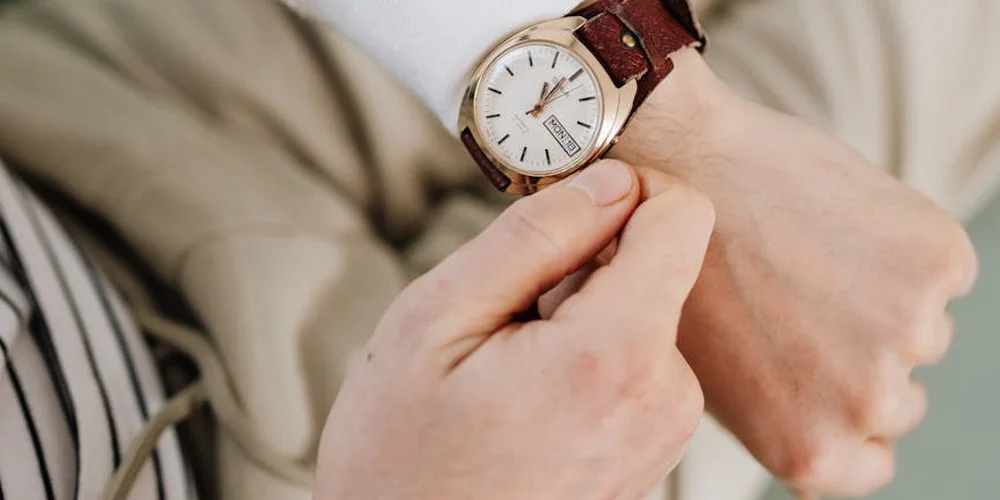
Think of your watch strap like my old saddle, Mason. After eight years, his deep chestnut color has a rich patina from miles of riding and regular oiling. It wasn’t built in a day. It came from small, consistent acts of care.
That same patient attention transforms your watch strap from a simple accessory into a personal record of your days.
Here is how simple care builds that story. Set a rhythm. Once a month, take five minutes.
- Wipe the strap with a soft, damp cloth to remove sweat and dust.
- Let it air dry completely, away from direct heat.
- Apply a tiny drop of pH balanced leather conditioner to your fingertip.
- Rub it gently into the leather, focusing on the bends and edges.
- Buff off any excess with a clean, dry cloth after a minute.
This routine is not a heavy chore. It is a brief pause. You feel the leather drink in the moisture. You notice the grain become more supple. Like June, my calfskin jacket, each light crease tells a story of use, and each conditioning session keeps that story going for years longer.
A common mistake is using too much product. Over conditioning can saturate the leather, making it sticky and attracting dirt. If the strap feels oily after buffing, you used too much. Wipe it down again and use less next time. A little truly goes a long way.
Good care is about rhythm, not rigor. It is the quiet consistency that lets a beautiful, personal patina develop naturally, season after season.
Your watch strap will become more resilient. It will resist cracks and keep its shape. It will become uniquely yours, a companion marked by your own history. Just like Scout, my wallet, it grows better with age and attention. Start the habit today. You will find it is a simple, patient, and deeply rewarding part of owning something made to last.
Common Questions
Should I be cleaning my wrist, not just the strap?
Yes. A quick wash and dry of your wrist before putting the watch on reduces sweat and oil transfer. This simple habit significantly lessens daily grime buildup.
How often should I replace or wash my cleaning cloth?
Wash a microfiber cloth when it looks soiled; a cotton cloth should be replaced once it feels gritty. A dirty cloth just moves grime around instead of removing it.
Can I use my watch strap conditioner on a leather camera harness?
Yes, the same conditioner works, but apply it less frequently. A camera harness faces less sweat but more abrasion, so focus on conditioning after exposure to dirt or moisture.
How long should a strap rest between rotations?
If worn daily, let it rest for a full day once a week. This allows any absorbed moisture from your skin to fully evaporate, maintaining the leather’s integrity, especially in humid environments.
What’s the most common mistake with a new leather strap?
Over-conditioning it immediately. New straps often have factory finishes; wait a month of regular wear to let the leather settle before its first conditioning session.
Final Thoughts on Watch Strap Care
The best care for your leather strap is simple and consistent. Keep it clean, condition it before it feels dry, and always let it dry away from heat.
Treating your strap well honors the material and the craft behind it. Using quality products and developing a regular care routine are the true secrets to a lifetime of wear.
Related Guides and Information
- r/Watches on Reddit: [Maintenance tips]. How do you take care of leather straps?
- Leather Care Guide: How to Care for Your Leather Watch Strap
- Here’s how to care for your leather strap
- Preventing Leather Strap Damage: Tips for Daily Wear, Care – Thomas Earnshaw
- How To Clean Your Leather Watch Strap | Timex US
Harriet is a avid collector of leather goods such as purses, bags, seat covers, etc and has an extensive background in leather care, recovery, stain removal and restoration. She has worked for a number of years perfecting her leather care techniques and knows the ins and outs of restoring all kinds and types of leather products. With her first hand knowledge in leather care, you can not go wrong listening to her advice.
Storing Leather (Dust Bags, Stuffing, Hanging)