Leather Care Myths: What Advice Should You Actually Trust?
Published on: August 28, 2026 | Last Updated: August 28, 2026
Written By: Harriet Nicholson
Hello Tannery Talk. Have you ever hesitated before conditioning a jacket, unsure if the old tip you heard will help or hurt? I hear that worry often.
Let’s set the record straight. We’ll tackle the truth about household oils, real waterproofing, safe cleaning, stubborn stains, and drying methods.
My advice comes from the workbench, learned through caring for my own well-worn pieces like Mason, my eight-year-old saddle.
Myth 1: One Care Routine Fits All Leather
Are all leathers the same? The short answer is no. Treating every leather piece the same is like washing silk and denim with the same harsh soap. One will be fine, the other might be ruined.
Leather is as unique as the animal it came from and the way it was tanned. A rugged English saddle like Mason needs a different touch than a soft calfskin jacket like June.
- Full-Grain Leather: This is the tough, top layer. You see its natural grain and scars. It’s built to last and handle richer conditioners like oils or waxes. Think of Mason, whose deep chestnut color gets richer with care.
- Corrected Grain or Finished Leather: This leather has a smooth, uniform topcoat. June’s jacket is a good example. It needs lighter, non-greasy creams that won’t clog that finished surface.
- Suede and Nubuck: These have a soft, fuzzy nap. Never use standard leather conditioner on them. They need special brushes and spray protectants made just for napped leathers.
The first step to good care is knowing your leather’s type. Match your product to your leather. Use oils and waxes for thirsty, veg-tan leathers. Use light creams for finished pieces. Always use speciality tools for suede.
How to Identify Your Leather Type
You don’t need to be an expert. Use your eyes and fingers.
Look closely at the surface. Do you see a natural, uneven pattern, maybe with small marks? That’s likely full-grain. Is it perfectly smooth and uniform? That’s probably corrected grain. Is it soft and fuzzy? That’s suede or nubuck.
Feel it. Full-grain feels firm and substantial. A finished leather feels smoother. Suede feels velvety.
Check the label or description. Words like “full-grain” mean the natural surface is intact. “Top-grain” often means it’s been sanded smooth. “Genuine leather” is a broad term that doesn’t tell you much about the surface, so you’ll need to rely on touch and sight.
Myth 2: Conditioning Harms or Suffocates Leather
I often hear two fears: that leather needs to “breathe” without any products, and that conditioner will make it weak or rot. Both ideas can keep your leather from a long, healthy life. To sort this out, we’ll compare conditioner versus leather oil and explain when to use each. This helps you choose the right treatment for your leather’s needs and keep it healthy long-term.
Think of leather like your own skin. Leave it in the sun and wind without moisturizer, and it becomes dry, cracked, and brittle. Leather is no different. The tanning process gives it stability, but the natural oils slowly evaporate over time.
Conditioner replaces those lost oils. Modern, quality conditioners are made to nourish without clogging. They are absorbed into the fibers to restore flexibility. They don’t sit on top like a plastic wrap.
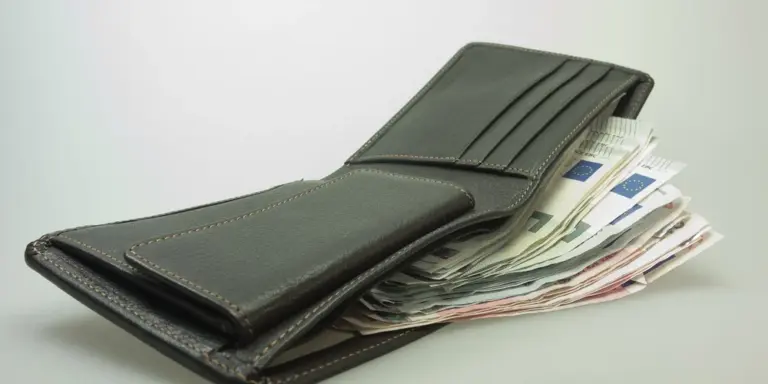
Here’s how you know you’ve done it right. Take my wallet, Scout. After a light conditioning, it doesn’t feel greasy or sticky. It feels supple. It bends easily without stress. The color may darken slightly while wet, but it returns to a rich, healthy hue as it dries.
Conditioner is food for leather, not a poison. A well-conditioned piece is stronger and more resistant to cracks. The key is using the right amount a thin, even coat is almost always better than a heavy, soaking one. Let it absorb fully before you use the item again.
Myth 3: Water Will Ruin Your Leather Instantly
This fear is understandable. You see a raincloud and panic about your bag. But leather is not sugar, it won’t dissolve. Treating it like delicate china does more harm than good.
Quality leather is a tough, fibrous material. Think of it like your own skin. It can get wet. It just needs the right care afterward to stay healthy. My calfskin jacket, June, has been caught in spring showers more times than I can count. A little moisture never hurt her.
The real danger isn’t the water itself, it’s how you dry it. Heat is the enemy. Rushing the process cracks and shrinks the fibers.
Here is what you do if your leather gets soaked.
- Blot away excess water with a clean, absorbent cloth. Do not rub.
- Let it dry naturally, away from radiators, fires, or direct sun. Airflow is good. A room-temperature fan helps.
- As it dries, gently reshape it. A wet boot can be stuffed with paper to hold its form. A bag should be set upright.
- This takes time. A thoroughly wet piece might need 24 to 48 hours to dry completely.
- Once fully dry, condition it. The drying process pulls natural oils to the surface. A good conditioner puts moisture and suppleness back into the fibers.
Contrast this with the mistakes that cause real damage. Leaving leather damp in a dark closet invites mold. Placing it on a heater bakes the life out of it, making it brittle and stiff. Water is a manageable event. Panic and heat are the true villains.
Myth 4: Kitchen Cabinet Cures Are Always Better
There’s a strong belief that if it’s natural and safe to eat, it must be safe for leather. This logic is appealing but flawed. Your leather is not a salad.
Let’s look at two common suggestions. Olive oil is a food. On leather, it doesn’t dry or cure properly. It can go rancid over time, leading to a sour smell and attracting dust. It’s like using cooking oil on a wooden cutting board, it gets sticky and attracts every crumb.
Vinegar is an acid. Leather has a specific, slightly acidic pH balance from the tanning process. Dousing it in a stronger acid like vinegar can break down its protective top coat and dyes. It’s too harsh for regular care.
Purpose-made leather conditioners and balms are engineered for the job. They are pH-balanced to match the leather’s natural state. They contain blends of oils and waxes that penetrate without going rancid, nourishing the fibers and protecting the surface.
For cleaning, a neutral leather cleaner or saddle soap is designed to lift dirt without stripping oils. Your kitchen cabinet has great tools for cooking. Your leather care kit should have the right tools for preservation. What’s good for your salad dressing is not good for your saddle.
Sunlight is a Great Leather Dryer and Preserver
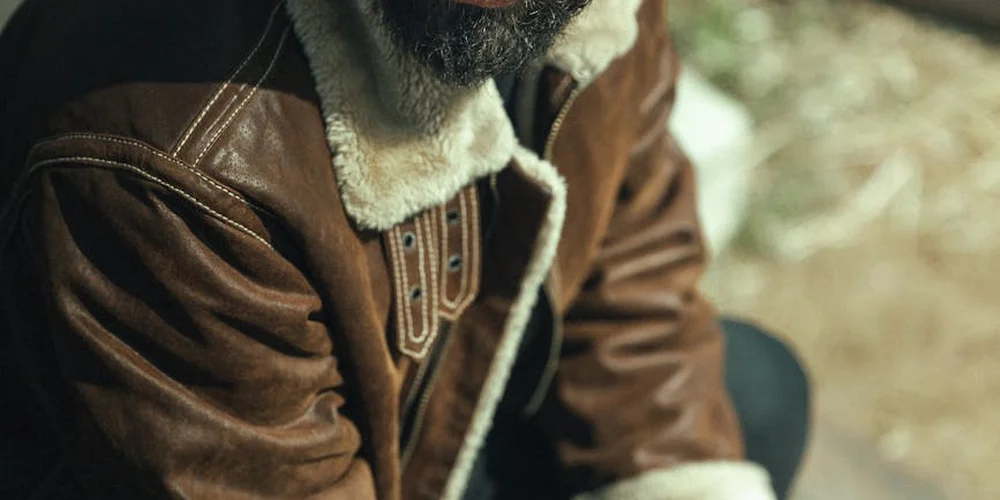
I see this all the time. After cleaning a piece, someone sets it on a sunny windowsill, thinking the warmth and light will finish the job and maybe even toughen it up. It’s an honest mistake, but it works against you.
Think of leather like your own skin. A little sun feels nice, but too much directly damages the fibers. UV rays break down the very structure of the leather, making it brittle and weak. It also bleaches the color, just like it fades a favorite shirt left on the clothesline. Humidity also drives the chemistry of aging, speeding hydrolysis and oxidation of the leather. Together with UV, moisture can compound damage, accelerating brittleness and fading.
Direct sunlight is one of the fastest ways to prematurely age and dry out your leather, leading to cracks you can’t fix.
The right way to dry leather is simple and gentle.
- After cleaning, wipe away any excess moisture with a soft, dry cloth.
- Place the item in a shaded, well ventilated room. A gentle airflow from a fan on a low setting across the room can help, but never use direct heat.
- Let it dry completely. For a jacket, this might take a full day. For a thick saddle like Mason, give it two. Patience is key.
This method prevents the stiff, cracked texture that sun drying causes, keeping your leather flexible and strong for years.
Premium Leather is Invincible to Scratches and Wear
When you invest in a beautiful full grain piece, it’s easy to believe it’s armor plated. The truth is, all leather wears. The magic of premium leather isn’t invincibility, it’s how gracefully it ages.
I look at my old saddle, Mason. His deep chestnut surface is a map of faint scars and smoothed areas from years of use. That’s not damage, that’s a patina. It’s a badge of honor, proof of a life well lived. A new scratch on a pristine bag can feel like a tragedy, but on a cared for piece, it’s just the next chapter in its story.
Proper care manages the aging process, steering it toward a beautiful patina and away from destructive decay.
Neglect lets dirt grind into fibers and lets leather dry out until it cracks. Care involves regular cleaning and conditioning, which keeps the leather nourished so that scratches blend in as character, not open wounds. It doesn’t stop time, it collaborates with it.
When is a Scratch Just Character, and When is it Damage?
Knowing the difference saves you worry and helps you act when needed. Here’s a simple guide.
A shallow scuff or surface scratch only affects the top finish. You can often buff it gently with a soft, clean cloth (like a microfiber). Sometimes, applying a tiny amount of conditioner with your fingertip can help the leather’s oils redistribute and minimize its appearance. This is character.
A deep cut or gouge goes into the flesh of the leather, exposing lighter fibers or creating a rough flap. This is damage. Moisture and dirt can get in here and start to tear it further. For these, you should consider a professional repair with leather glue or filler to seal the wound and protect the structure.
My jacket, June, has light creasing from wear, which is character. She also has a small, neat repair where a seam started to give way, which fixed actual damage. One tells her story, the other ensures she gets to keep living it.
Myth 7: You Can Use Any Cleaner, or Must Always Call a Pro
This myth comes in two parts, both costing you time or money. The first says any household product will do. The second says you should never touch leather yourself. Both are wrong.
Simple, regular care at home keeps most problems away. You only need a pro for the big jobs.
Household Cleaners Strip Leather Dry
Reaching for dish soap or glass cleaner on a stain is a natural reaction. I get it. But these products are formulated to cut through grease on plates or grime on windows. On leather, they cut too deep.
They strip away the leather’s natural oils, leaving it parched, stiff, and prone to cracking, which creates a much bigger problem than the original spot. The blue dye from my old jeans once transferred onto June’s light calfskin. My first foolish thought was a wet wipe. Instead, I used a proper leather cleaner designed for removing dye transfer stains.
Here is what to do for most spills and dirt.
- Blot any liquid immediately with a clean, absorbent cloth. Do not rub.
- Dampen a second soft cloth with a pH-neutral leather cleaner. Gently wipe the soiled area.
- Let the piece air dry completely, away from direct heat.
A dedicated leather cleaner is mild. It lifts dirt without attacking the hide’s essential fats. This is the only type of cleaner you should use on your bags, jackets, or furniture made of leather.
More Conditioner Is Not Always Better
We think if a little moisture is good, a lot must be great. Leather is not like our skin. It cannot absorb endless conditioner.
Conditioning too often, or with heavy oils, can over-soften the leather. It can saturate the fibers, making them weak and lazy. A wallet like Scout would lose its crisp shape. A saddle like Mason would become dangerously floppy.
Leather needs moisture, but on a schedule that matches its use, not a calendar you force on it. The patina you love comes from controlled drying and careful feeding.
Follow this simple schedule instead.
- For items used daily (wallets, belts, watch straps): Condition every 4 to 6 months.
- For seasonal items (jackets, boots): Condition at the start and end of their season.
- For furniture or decor: Once a year is often plenty.
Always apply a thin, even coat of conditioner with your fingers or a cloth. Let it soak in for an hour, then buff off any excess. The leather should feel supple, not sticky or soggy.
When to Handle It, When to Call for Help
You can and should handle all routine care. Wiping down dust, treating minor scuffs, and applying conditioner are your jobs. This regular touch keeps the leather healthy and lets you spot real trouble early.
Call a professional restorer for these situations.
- Major stains: Ink, permanent marker, large oil spills, or unknown substances that a simple cleaner won’t budge.
- Structural repair: Torn seams, broken zippers on leather panels, or deep cuts that go through the hide.
- Color restoration: You want to completely change the color or repair severe fading over a large area.
Think of it like caring for a car. You check the oil and tire pressure. You don’t rebuild the transmission. Smart, simple care at home prevents most problems, saving you time and money. Your consistent attention is the best guarantee your leather will last for years.
Quick Answers
Does conditioning leather make it weaker or cause it to deteriorate?
No. Quality conditioner replenishes lost oils, keeping fibers flexible and strong. Over-conditioning with the wrong product can over-soften, but correct, periodic conditioning prevents the brittle weakness of dryness.
Should you avoid getting leather wet at all costs?
No. Getting wet is manageable; improper drying is the real danger. Always dry leather at room temperature, away from direct heat, and condition it once it’s fully dry to restore suppleness.
Is it better to use natural products like olive oil or vinegar on leather?
No. Food-grade oils like olive oil can go rancid, and vinegar is too acidic. Use products engineered for leather-they are pH-balanced and won’t spoil, providing proper nourishment without risk.
Is professional leather cleaning always necessary and worth the cost?
Not for routine care. Handle cleaning and conditioning yourself to maintain health. Reserve professionals for major structural repairs, deep dye transfers, or severe, set-in stains you cannot resolve with proper leather cleaner.
Caring for Your Leather with Confidence
After clearing away the confusion, remember this: leather care works best when you match your methods to your specific piece. Listen to what the leather tells you through its texture and patina, just as I do when June’s jacket needs a light conditioning to soften its creases.
Maintaining your leather well is a form of respect, honoring the material by making it last and supporting sustainable practices. Your knowledge will deepen with each careful application, turning routine care into a rewarding skill that benefits every item you own.
Further Reading & Sources
- Leather Maintenance Myths & Tips | Leather Honey Leather Care
- Common Leather Care Myths from Lexol® Leather Care | MannaPro
- Top Myths About Everyday Leather Care: Debunking Common Misconceptions – Preservation Solutions
- Top Leather Care Myths That Are Ruining Your Leather – YouTube
Harriet is a avid collector of leather goods such as purses, bags, seat covers, etc and has an extensive background in leather care, recovery, stain removal and restoration. She has worked for a number of years perfecting her leather care techniques and knows the ins and outs of restoring all kinds and types of leather products. With her first hand knowledge in leather care, you can not go wrong listening to her advice.
Aniline and Semi-Aniline Leather Care