How Do You Clean and Care for Suede Trainers by Brand?
Published on: July 14, 2026 | Last Updated: July 14, 2026
Written By: Harriet Nicholson
Hello Tannery Talk. You love your suede sneakers, but a little splash or scuff can make you worry you’ve ruined them for good.
This guide will walk you through the process, from the basic rules every suede item needs to the brand-specific quirks you should know. We will cover the universal do’s and don’ts of suede, how care differs between brands like Nike, Adidas, and New Balance, a step-by-step cleaning method, and simple habits for long-term maintenance.
I give this advice after years of hands-on work cleaning and reviving suede on everything from hiking boots to delicate bags.
The Universal Way to Clean Any Suede Sneaker
I have cleaned countless pairs this way. This method is not about harsh scrubbing, it is about patience and a light touch. Water is your last resort, not your first step. Suede is the underside of the skin, with a delicate, raised nap. Getting it too wet can mat that nap down permanently or leave a water stain ring.
Your main tool for 90% of cleaning is a good, dry brush.
- Let any mud or dirt dry completely. Never clean wet mud.
- Take a soft-bristled suede brush or a clean, dry toothbrush. Brush the entire shoe gently in one direction to lift the nap and dislodge surface dirt. You will hear a soft, scratchy sound when you are doing it right.
- For tougher, dried-on stains, use a suede eraser. Rub it back and forth over the mark until the eraser crumbs turn dark, then brush the residue away.
- Only if a stain persists do you move to a damp cloth. Use a clean microfiber cloth dipped in cold water and wrung out until it is barely damp. Dab (do not rub) the stained area.
- For salt stains in winter, use a 50/50 mix of white vinegar and water on that damp cloth. Dab gently, the vinegar neutralizes the salt.
- For a light oil spot, sprinkle a tiny amount of cornstarch or baking soda on it, let it sit overnight to absorb the oil, then brush it off in the morning.
If you used any moisture, let the shoe air dry at room temperature, away from radiators or direct sun. Heat bakes and cracks the leather. Once fully dry, the nap will look flat. Take your dry brush and give the entire shoe a vigorous, final brush in one direction to wake the nap back up and restore the soft, velvety handfeel. This is especially important after cleaning mold from suede shoes to ensure the nap remains intact and undamaged.
Cleaning Nuances for Different Sneaker Brands
The universal method is your foundation. But sneaker brands use different suede types and constructions. A little brand-specific knowledge helps you avoid common pitfalls.
How to Clean Adidas Suede Trainers (like Gazelles)
Classic Adidas suede, like on Gazelles, often has a beautiful, fine nap but can be quite thin. The leather is more delicate than it looks. Be extra cautious with moisture. Over-wetting can make the color blotchy or cause the material to stiffen.
Focus on dry brushing and eraser work first. When cleaning the suede stripes or the area near the gum sole, use a toothbrush for precision. Wrap a damp cloth around your finger for pinpoint control to avoid soaking the suede as you clean the rubber sidewall.
How to Clean New Balance Suede Trainers
New Balance frequently uses premium pigskin suede. It has a tight, dense nap and is generally more resilient to brushing and light cleaning. This is good news, but do not get overconfident.
For light colors like grey or cream suede trainers, treat any stain immediately.
Letting a coffee drip or grass stain sit is the main enemy. Keep a suede eraser in your bag. For these pale shades, even a dedicated suede cleaner should be tested on a hidden spot first, like inside the tongue. The dense nap can sometimes hold cleaner residue if not brushed out thoroughly after drying.
How to Clean Nike, Puma, and Vans Suede
These brands often use versatile suede splits. The universal method works perfectly here. The suede tends to be consistent and responds well to regular brushing.
For vibrant colors like pink suede trainers, prevention is your best strategy. A spray-on suede protector applied when the shoes are new is a smart move. If you need to clean them, use the driest methods possible. A slightly damp dab with a microfiber cloth is often enough. Aggressive cleaning can fade or alter bright dyes.
Caring for High-End or Designer Suede Sneakers
With these, the rule is simple: less is more. You are often dealing with exceptional leathers and complex constructions. I treat my best pieces like I treat Scout, my wallet-with focused, minimal intervention.
Dry brushing is almost always safe. For anything more, check for a care tag inside. If there is no tag, assume the safest route. For any significant stain on a high-end sneaker, the best fix is to take it to a professional leather cleaner. The cost is worth the peace of mind, preventing a DIY accident that could ruin a cherished piece.
Restoring Color and Softness to Faded Suede
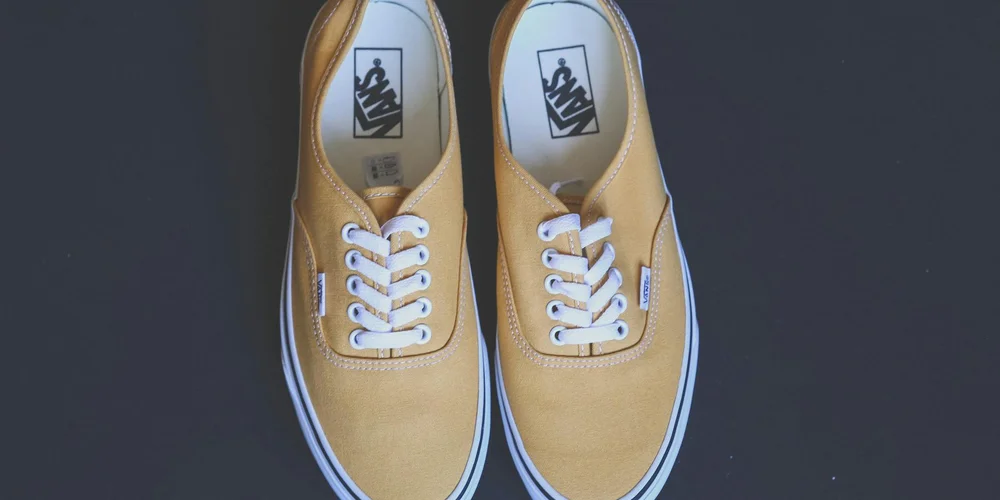
You’ve cleaned your suede sneakers, but they look faded and feel dry. This is normal. Suede loses pigment and oils from wear, sun, and cleaning. A suede refresher cream, often called a sneaker cream, is made for this.
These creams have two jobs. First, they deposit tiny amounts of color pigment back into the nap. Second, they contain gentle conditioners to soften the dried-out leather fibers. Think of it less like paint and more like a hydrating tinted moisturizer for your shoes.
Before you touch the main shoe, you must perform a colorfastness test on a hidden spot, like inside the heel or tongue. This single step prevents a heart-breaking color disaster. Apply a tiny dab of cream, let it dry fully, and see if the color matches. If it darkens oddly or looks blotchy, that cream is not for your shoes.
If the test passes, apply the cream with caution.
- Use a clean, soft applicator or cloth. Work in tiny circles on a small, inconspicuous area first.
- Apply a very thin, even layer. More product does not mean better results; it means a higher risk of dark, stiff patches.
- Let it dry completely, away from direct heat. This can take several hours.
- Once dry, gently brush the nap with a suede brush to restore the texture.
Brands dye their suede differently. What works for one brand’s “mocha” might not work for another’s. Online communities, like specific Reddit forums for sneaker care, are valuable for hearing real experiences about which products worked on specific brands and colors.
Protecting and Storing Your Suede Trainers
The best cleaning method is the one you need less often. A quality protector spray is your first and easiest line of defense. It does not make suede bulletproof, but it buys you time and makes spills easier to manage.
Think of a protector spray like a light raincoat for your shoes. It creates an invisible barrier that causes water and oil-based liquids to bead up on the surface, so you can blot them away before they sink in and stain. Just make sure to choose the right spray to waterproof your shoes properly.
Applying it correctly is simple.
- Start with shoes that are completely clean and dry.
- In a well-ventilated area, hold the can about 6 inches from the shoe.
- Spray in slow, even sweeps for light, total coverage. Do not soak the suede.
- Let the shoes dry fully, then apply a second light coat for thorough protection.
Good storage keeps your suede in shape between wears. I always stuff my leather boots with acid-free paper to absorb moisture and hold their form, and the same logic works for sneakers.
- Always stuff the shoes with clean paper to maintain structure and absorb ambient moisture.
- Store them in a breathable cotton shoe bag or in open air. Never seal suede in plastic, as trapped moisture encourages mold.
- Keep them in a cool, dark place. Sunlight is a major cause of fading.
Following these steps turns protection from a chore into a simple habit that greatly extends the life of your favorite pair.
Common Questions
How often should I really be cleaning my suede sneakers?
Brush them with a dry suede brush after every few wears to lift the nap and prevent dirt from grinding in. For stain removal on suede items—shoes, boots, jackets, or furniture—target the spot with a suede eraser or a damp cloth. Perform a full clean with an eraser or damp cloth only when you see an actual stain or discoloration.
Is a suede sneaker cream necessary, or is it just for aesthetics?
It’s for restoration, not routine care. Use a colored refresher cream only to address noticeable fading or dryness, never on a clean, vibrant pair. Its primary job is to replenish lost color and moisture in worn suede. For best results, follow our guide on how to restore and refresh your suede shoes to make them look new again.
Can I use a standard leather conditioner instead of a product made for suede?
Absolutely not. Traditional conditioners and oils will saturate and permanently darken the porous nap, creating greasy spots. Only use products specifically formulated for the open surface of suede or nubuck.
I see people on Reddit recommending household items. Is that ever a good idea?
Proceed with extreme caution. While a paste of vinegar and water for salt stains or cornstarch for oil are proven, home-brewed solutions for dye or set-in stains are a gamble. You risk setting the stain or altering the dye permanently.
How do I know when a stain is beyond a home fix?
If dry brushing, a suede eraser, and careful dabbing with a barely damp cloth have no effect, stop. Further aggressive DIY attempts will likely make it worse, especially on high-end or light-colored sneakers – that’s your signal to consult a professional. Even with the best methods and products for cleaning suede shoes and boots, some stains just won’t budge.
Keeping Your Suede Fresh
The most reliable step you can take is to match your care routine to your sneaker’s specific build. Using the right brush and cleaner for your brand’s version of suede prevents damage and keeps that soft nap looking its best. Treating all suede the same, especially when cleaning faux suede footwear, is a quick way to see colors fade or textures wear down.
Regular, gentle care is a sustainable practice that honors the material. Building this simple skill extends the life of your gear, turning quick clean-ups into a form of respect for the craft behind your shoes.
References & External Links
- How to Clean Suede Shoes, No Matter the Stain
- How Best To Clean Suede Trainers – Jones Bootmaker
- How to Clean Suede Shoes. Nike UK
- How to Clean Suede Shoes. Nike.com
- How To: Clean Suede Shoes & Sneakers | Jason Markk
Harriet is a avid collector of leather goods such as purses, bags, seat covers, etc and has an extensive background in leather care, recovery, stain removal and restoration. She has worked for a number of years perfecting her leather care techniques and knows the ins and outs of restoring all kinds and types of leather products. With her first hand knowledge in leather care, you can not go wrong listening to her advice.
Suede and Nubuck Care