How to Stretch Leather Boots and Shoes for a Better Fit?
Published on: February 6, 2026 | Last Updated: February 6, 2026
Written By: Harriet Nicholson
Hello Tannery Talk. That pinch in your new boots or the tight squeeze across the toes is a common frustration, but you can gently coax the leather into a more comfortable shape.
We will cover identifying your leather type, reliable at-home stretching methods, using shoe stretchers correctly, and essential conditioning after the stretch.
I have hands-on experience stretching everything from rugged hiking boots to soft dress shoes, carefully molding leather to fit without compromising its integrity.
Do Leather Boots and Shoes Really Stretch? Setting Realistic Expectations
Think of a new leather glove. It’s stiff at first. After a few wears, it softens and forms to the shape of your hand. Your boots can do the same. Leather is a skin, and a quality skin has natural fibers that relax and conform with gentle, consistent pressure.
This give is not the same as a massive, permanent enlargement; it’s a comfortable, personalized molding that eases tight spots.
Not all leathers give the same way. The type of leather makes a big difference.
- Full-Grain Leather: This is the top layer of the hide, with all its natural grain intact. It is the most durable and molds beautifully over time. Think of it like a stiff pair of raw denim jeans that softens exactly where you bend. It provides the best, most predictable stretch.
- Corrected-Grain Leather: This leather has been sanded or buffed to remove surface imperfections, then often coated with a finish or pigment. That topcoat can crack if stretched too aggressively. Its stretch is more limited and less predictable.
- Suede and Nubuck: These are the fuzzy inner layers of the hide. They are pliable but can thin out and become weak if over-stretched. You can ease them a little, but you must be very gentle to avoid damaging the delicate nap.
So, how much will they stretch? A good rule is about a quarter to a half a size in width, or enough to relieve pressure on a single tight toe or the instep. Length rarely changes. And no, not all boots will stretch. A boot made from very stiff, heavily coated leather or synthetic materials may not give at all.
I think of my old English saddle, Mason. When new, the leather was firm. After years of use, it didn’t get bigger, but it developed soft creases exactly where my leg rests. It became a perfect fit for its job. That’s the goal with your boots-a personalized fit, not a new size.
What You Need to Check Before You Try to Stretch Them
Never try to stretch a boot without looking it over first. A quick inspection can save you from a costly repair.
Always start with a simple, three-point check of the boot’s seams, stitching, and overall condition.
- Seams and Stitching: Run your fingers along the main seams, especially around the toe and the sides. Are the stitches tight and even? If threads are already frayed or seams are pulling apart, stretching will make it worse.
- Leather Condition: Is the leather dry and cracked? Bend it gently. If you hear a creaking sound or see white stress lines (called “finish checking”), the leather needs conditioning before any attempt to stretch it. Dry leather is brittle and can tear.
- Overall Structure: Look at the sole where it meets the upper. Is it coming unglued? Check any zippers or hardware. Are they secure? Stressing a weak structure will break it.
Some materials are simply too risky to stretch. Patent leather has a plastic-like coating that will almost certainly crack. Very thin or bonded leathers can separate. Boots with extensive decorative perforations or patterns can tear along those weak points.
This brings us to the key question: when should you not stretch your boots? Do not stretch them if they are more than a half-size too small, if they cause sharp pain rather than snug pressure, or if they have any of the flaws we just checked for. It is also not a fix for poor design. A boot that is fundamentally the wrong shape for your foot will never be comfortable.
Well-made, responsibly sourced full-grain leather from a quality tannery behaves best. It has the fiber strength to handle the stress of molding and will reward your care with decades of wear. Starting with a good boot made from good leather is the first and most important step.
How to Stretch Leather Boots with Things You Already Own
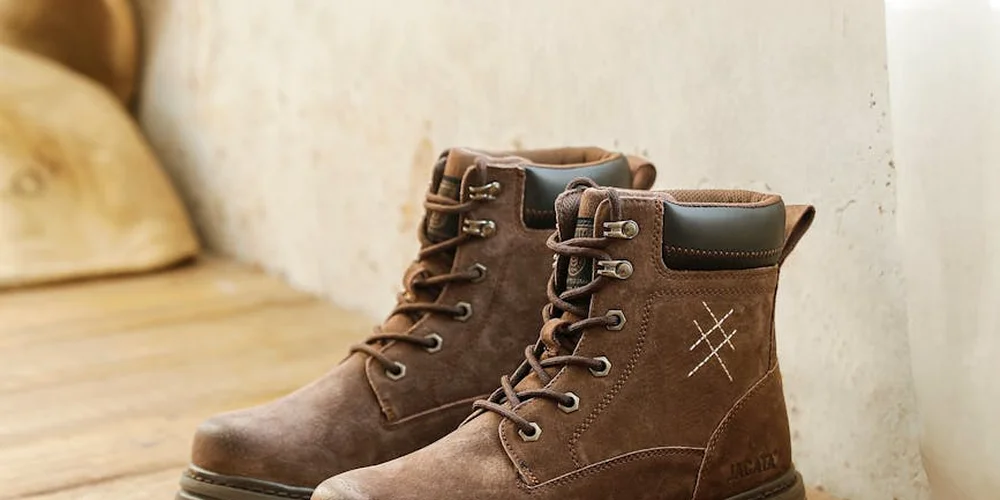
You do not need special tools to give your boots a little more room. The best methods use items from your kitchen or closet. They work with the leather’s natural flexibility.
Always start with clean, conditioned leather. Dirt acts like sandpaper, grinding into the fibers as you stretch. A neutral leather cleaner and a soft brush will clear the way. After cleaning, apply a quality leather conditioner. This hydrates the fibers, making them more supple and less likely to crack under tension. The leather should feel cool and slightly damp to the touch, not soggy.
Conditioning is the non-negotiable first step for any stretching method; it protects the leather from damage.
We will cover three safe, do-it-yourself approaches. Choose based on your need:
- For boots that are tight all over, use the thick socks method.
- For a painful pinch on the little toe or the instep, try the controlled freeze method.
- For a subtle, overall easing, conditioner and gentle wear can be enough.
I avoid methods using rubbing alcohol or other solvents. They can strip natural oils dramatically, leaving the leather dry and brittle. If you must use one, apply it sparingly to the inside of the boot only, and follow it immediately with a heavy dose of conditioner to try and repair the moisture loss. This approach fits into the broader routine of properly cleaning, conditioning, and waterproofing oiled leather boots and shoes. Keeping that in mind helps ensure your footwear stays durable and comfortable.
The Thick Socks and Wear Method
This is my go-to for new boots. My work boot, Mason, needed this treatment. The leather was stiff and the fit was snug across the vamp. This method answers “how do i stretch out leather boots” by mimicking long-term wear in a focused session.
You are asking the leather to relax and conform to your foot’s shape. The thick socks provide gentle, even pressure from the inside. The conditioner ensures the leather moves with that pressure instead of fighting it.
Follow these steps:
- Clean and Condition: Thoroughly clean your boots. Apply a generous coat of leather conditioner to the entire exterior, focusing on stiff areas. Let it absorb for at least 30 minutes. The leather will darken slightly and feel more pliable.
- Layer Up: Put on the thickest pair of socks you own. For extreme cases, wear two pairs.
- Wear and Move: Lace your boots up snugly. Do not force them if you cannot get them on. Walk around your house for one to two hours. Sit, stand, flex your feet, and go up and down stairs. The goal is natural movement.
- Assess and Repeat: Take the boots off and let them rest overnight. The next day, feel the fit. You can repeat this process over several days for incremental gains. Patience yields the best results.
This method is perfect for tackling general tightness because it stretches the leather evenly, exactly where your foot applies pressure.
A common mistake is using this method on soaking wet boots. Excessive water can weaken leather fibers and damage internal structures. Damp, conditioned leather is the goal, not wet leather. There’s a common myth that leather shoes should never get wet, but the truth lies in proper drying techniques. We’ll cover these techniques in the next section.
The Controlled Freeze Method
This technique addresses a specific question: “can you stretch leather boots in the freezer?” The answer is yes, but with precision. It is excellent for a targeted spot that rubs your bunion or squeezes your pinky toe.
Water expands as it freezes. By placing sealed bags of water inside the boot, the ice pushes outward in a controlled way. I used this on an old pair of dress shoes that pinched at the little toe seam, and it provided just the millimeter of relief I needed.
Here is how to do it safely:
- Prepare the Bags: Take two sturdy, sealable plastic freezer bags. Fill each one about one-third full with water. Remove as much air as possible and seal them tightly. Double-bagging is a wise precaution.
- Position the Bags: Carefully insert one bag into each boot. Push and mold them into the exact area that feels tight. For example, if the toe box is narrow, position the bag to fill that space.
- Freeze: Place the boots upright in your freezer. Let them sit for 6 to 8 hours, allowing the water to turn completely to solid ice.
- Thaw and Dry: Remove the boots from the freezer. Let the ice thaw just enough so you can easily remove the bags. Do not pull them out while still fully frozen. Wipe any interior moisture with a dry cloth and let the boots air-dry at room temperature.
The freeze method is for precise, localized stretching, not for making a boot a full size larger.
Understand its limits. You will not get a dramatic stretch. The goal is a subtle easing of a pressure point. Do not overfill the bags, as the expanding ice can put too much stress on the seams. This method works best on vegetable-tanned or full-grain leathers, which have more structural integrity.
Using Conditioner as a Gentle Stretcher
Sometimes, you only need a whisper of extra space. For my jacket June, regular conditioning over the years has subtly softened and relaxed the calfskin across the shoulders. The same principle applies to boots.
A deep conditioning treatment can relax leather fibers enough to relieve minor tightness. It is the least aggressive method and is fantastic for maintenance.
Apply a rich conditioner to the boot, inside and out. Use more product on the areas that feel stiff, especially if you are working with suede. Let it soak in for several hours, or even overnight. The leather will become incredibly supple. Then, wear the boots with medium-weight socks and move as normal. The conditioned leather will gently give way.
Think of this as a wellness treatment for your boots that has the happy side effect of improving comfort. It will not reshape the boot, but it can make a “just-right” fit feel “perfect.” This is the method I use on Scout, my wallet, to keep the leather from cracking as it forms to the cards inside-gentle, consistent care prevents problems.
Using a Professional Boot Stretcher: A Wise Investment?
A professional boot stretcher is a simple, mechanical tool. It mimics the shape of a foot and leg. You insert it into the boot and turn a handle or knob. This slowly expands a series of metal or wooden pieces, applying steady, outward pressure to the leather’s interior.
This method gives you control and precision that DIY tricks can’t match. You can target a specific spot, like the area over a bunion, by inserting a plastic or wooden plug called a “bunion stretcher” attachment. For consistent width expansion or addressing painful pressure points, a mechanical stretcher is often the only reliable solution.
When a Stretcher Becomes Necessary
Think of your leather like June, my jacket. Over years, it forms gentle creases and softens in specific spots from daily wear. A stretcher is for when that natural breaking-in isn’t enough or isn’t happening in the right place.
- For a persistent, painful hot spot or bunion.
- When you need a consistent, overall width increase (like going from a D to an EE width).
- For stiff, thick leathers (like some work boots or heritage styles) that resist gentle methods.
Boot Stretcher vs. DIY Methods: Control is Key
Wet stretching or wearing thick socks can work, but they are imprecise. They stretch the entire boot uniformly, which might not solve a localized problem. They can also over-stress seams or cause the leather to dry out and crack if not reconditioned properly.
A mechanical stretcher lets you focus the pressure. You can stretch just the toe box or the instep. You control the amount of stretch incrementally, checking the fit as you go. This precision protects the boot’s structure. With a stretcher, you are guiding the leather to a new shape, not forcing it all at once.
Do Boot Stretchers Work? What to Look For.
Yes, a quality stretcher works very well on genuine leather. It is a fundamental tool in shoe repair shops for a reason. The results are permanent because you are physically reshaping the leather fibers.
If you’re looking at products online, focus on the construction, not the brand name. A good stretcher will have:
- Solid, smooth adjustment mechanisms (no plastic parts that feel flimsy).
- Firm padding on the expanding pieces to protect the boot’s interior.
- Available attachment plugs for targeted stretching.
My process with a new stretcher is always the same. I first clean and lightly condition the boots inside and out. A supple leather stretches more willingly. Then, I insert the stretcher, turn the handle until I feel firm resistance, and leave it for 24-48 hours. Patience is the most important tool in the box, especially when breaking in new leather boots.
When to Call a Professional
You can search for something like “stretch leather boots Pittsburgh” and find a skilled cobbler. This is a smart alternative if you’re unsure, if the boots are very expensive, or if they have delicate finishes or intricate stitching you don’t want to risk.
A professional has industrial-grade stretchers and the experience to know exactly how much pressure to apply. They can also assess if the boots are truly good candidates for stretching or if the fit issue is better solved another way. For a one-time job on a prized pair, their fee is often a worthwhile investment in peace of mind.
How to Stretch Specific Trouble Spots: Toes, Calves, and Ankles
When boots don’t fit, the problem is almost always in one spot. You don’t need to stretch the whole boot. You just need to persuade a specific area to give a little. Think of it like a conversation with your leather, not a confrontation.
For Tight Toes and the Vamp
This is the most common complaint. Your toes feel cramped, or the top of your foot (the vamp) presses down. A one-way shoe stretcher is your best tool here.
First, clean and condition the inside and outside of the boot. Leather that is supple from a good conditioner will stretch more evenly and is far less likely to crack under pressure. I always do this with my own boots, like my old work pair Mason, before any adjustment. Knowing how often to condition leather boots is crucial for maintaining their flexibility and durability.
Insert the stretcher and turn the handle to expand it until you feel firm pressure. You should not have to force it. Leave it for 24 to 48 hours. For a targeted spot on the vamp, many stretchers come with a plastic “bump” attachment that applies pressure to a single point.
A DIY method for toes involves filling two sealable bags with water, placing one in each toe box, and putting the boots in the freezer overnight. As the water freezes and expands, it gently stretches the leather. Thaw and dry the boots completely after.
For Snug Calves and Knee-High Shafts
Boots that won’t zip over your calves are frustrating. This is where a specialized boot stretcher with calf attachments is invaluable. These attachments look like wide, padded arms that press outward on the shaft.
Insert the stretcher, position the calf attachments at the tightest part of the shaft, and expand slowly. Go a little, leave it for a day, then check the fit. Gradual stretching over several days protects the leather’s structure and the boot’s zipper. For a tall boot like a riding or knee-high style, you may need to stretch in two positions: lower calf and upper calf.
If you don’t have a stretcher, you can carefully use a thick, rolled-up towel. Insert it into the shaft, gently forcing it to the sides. Do not use excessive force. Combine this with a thorough conditioning of the shaft leather, inside and out, to help it relax.
For Wide Feet and Overall Volume
If the entire foot compartment feels narrow, you need to increase volume, not just length. A two-way shoe stretcher does this. It expands both width and length simultaneously. Use it with the same patient, 24-48 hour method.
Remember, leather has memory. If you over-stretch it, it will try to contract back. It is better to stretch in two or three smaller sessions, checking the fit between each, than to crank the stretcher once too far and damage the boot.
Tricky Spots: The Instep and Heel
The instep (the top arch of your foot) is a stiff area by design. For a pinch here, use a spot stretcher with a concave attachment that pushes up from the inside. Conditioning the outside leather in this spot is critical to make it pliable.
Stretching the heel area is difficult and risky, as it can ruin the boot’s counter (the stiff heel structure). Your goal here should not be to widen it, but to soften it. Apply a small amount of conditioner to the inside heel lining and the outside heel cup. Wear the boots with thick socks for short periods around the house. The heat and moisture from your foot, combined with the conditioned leather, will allow it to mold to your shape gently.
My jacket June taught me this. A stiff seam on the shoulder just needed wear and a little conditioner to become comfortable. The same principle applies to a stubborn heel.
Can You Stretch Patent Leather or Other Special Finishes?
You can, but you must treat it like a different material. Standard leather stretching works on the hide’s fibers. Special finishes add a fragile top layer.
Think of patent leather like a vinyl record. The glossy surface is a plastic coating. Heat or moisture can make that coating cloudy, wrinkle, or crack permanently.
For patent leather, stretching is a last resort done with extreme patience, never with liquid.
Modified Technique for Patent & Painted Leathers
Forget the methods you’d use on smooth leather. Do not use stretching sprays, saddle soap, or direct heat from a hairdryer. These will damage the finish.
Instead, you rely on gentle, persistent mechanical pressure.
- Wear the shoes indoors with the thickest socks you own. This is your primary tool.
- Limit each wear session to 15-30 minutes. Your goal is to slowly persuade the leather underneath, not stress the coating.
- Between wears, use a professional-grade shoe stretcher. Insert it and turn the knob just until you feel firm resistance. Do not over-crank.
- Leave the stretcher in for 24-48 hours, then remove it and try the shoes on again.
This process takes days, not hours. Expect only a quarter-inch of stretch at most.
How This Contrasts with Standard Leather Care
My boots, like Mason, are standard full-grain. To stretch them, I might apply a leather conditioner to soften the fibers, then use a stretcher. The leather absorbs the conditioner and becomes pliable.
Special finishes block that absorption.
- Suede & Nubuck: Their soft nap is easily crushed or discolored by pressure. Use a suede-specific stretcher with soft, padded plugs. Never use liquid.
- Heavily Painted or Metallic Leather: This is similar to patent. The paint can flake. Use only the dry, gentle wear-and-stretcher method.
- Standard Smooth Leather: This is the most forgiving. You can use approved conditioners and stretching liquids designed for leather to help the process along safely.
The rule is simple: if you can’t condition it, you can’t aggressively stretch it.
The Non-Negotiable First Step: Test in a Hidden Area
Before you do anything, find a hidden spot. Inside the shoe’s tongue or behind the heel counter is perfect.
Take a clean, white cloth slightly dampened with water. Gently press it onto the leather for three seconds. Look closely.
Does the color transfer to the cloth? Does the finish look clouded or different where you pressed? If yes, your shoes are too delicate for any stretching attempt beyond wearing them with thick socks.
That test tells you everything. It’s better to have a snug shoe than a ruined one. Sometimes, the best care is knowing when not to intervene.
Common Stretching Mistakes That Can Ruin Your Boots
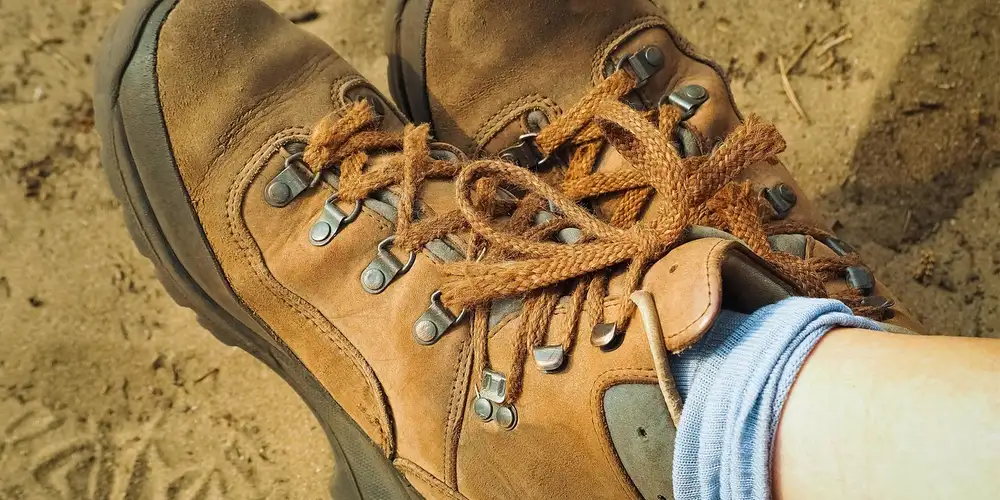
Wanting a better fit is natural. But in your hurry, it’s easy to take a shortcut that damages the leather for good. I’ve seen boots come into the shop with cracks, popped seams, and strange bulges that never go away. Let’s talk about how to avoid that.
Rushing the process is the surest way to harm your boots, not help them. Leather is a strong, flexible skin, but it has its limits. Think of it like breaking in my old jacket, June. That soft calfskin didn’t become comfortable overnight. It took consistent, gentle wear over weeks. Your boots need the same respectful approach.
Using Excessive Heat
It’s tempting to blast a tight spot with a hairdryer or heat gun. The idea is to make the leather pliable fast. This is a major risk.
High, direct heat dries out the natural oils in the hide. It makes the fibers brittle. You might get a tiny bit of stretch, but you’ll also see the leather stiffen, crack, or even scorch. The finish can bubble and peel. Once those oils are cooked out, it’s very hard to put the life back in.
If you use any warmth, it must be gentle, indirect, and always paired with a conditioner. Your own body heat from wearing thick socks is the safest bet.
Applying Harsh Chemicals or Alcohols
Some old methods suggest using rubbing alcohol, vinegar, or other household solvents to “soften” the leather for stretching. Please do not do this, especially when compared to recommended stretching methods that are safe for both leather and faux leather.
These substances are often acidic or drying. They can strip the dye and the protective top coat right off. What’s left is dry, weakened leather that’s more likely to tear under pressure. You’re left with a discolored, damaged boot that still doesn’t fit right. A proper, water-based leather stretching spray is formulated to lubricate fibers without this damage.
Forcing Leather Too Quickly
This often means using a metal boot stretcher on its most aggressive setting right away, or wearing boots two sizes too small for a long walk. You are over-stressing the stitches and the leather’s grain.
I once worked on a boot where someone forced the toe box. The leather stretched, but the seam holding it together did not. It ripped open. The shape was permanently distorted. Effective stretching is a series of small, incremental gains, not one big shove. Crank a stretcher just a quarter-turn at a time. Wear boots for an hour indoors, then let them rest for a day.
Skipping Conditioning
Stretching dry leather is like trying to bend a dry twig. It will snap. Leather needs to be supple to move and reform its shape.
Before you attempt any stretch, always clean and condition the boots first. This hydrates the fibers, making them more cooperative and less prone to cracking. Think of conditioner as a safety net for your leather. It’s non-negotiable.
Expecting Miracles
Leather can give, but only so much. Aiming to stretch a boot a full size is often possible. Trying to make a size 8 fit like a size 10 will likely end in failure and damaged goods. Be realistic. Understand that some areas, like the rigid heel counter, are built not to stretch much at all.
Patience isn’t just a virtue here, it’s the core technique. Like June’s gentle creases, a good fit comes from consistent, careful effort. Your boots will thank you by lasting for years.
How Much Stretch is Really Possible? The Safe Limits
Let’s start with the most common question: how much can you stretch leather boots? The honest answer depends on your goal. A width stretch feels very different from a length stretch.
Think of leather like a woven fabric, not a rubber band. You can gently persuade the fibers to give a little, but you can’t force them to grow. For most quality boots, you can expect up to a half size increase in length, or a full size increase in width, if you’re patient and careful. Trying for more risks tearing the fibers or distorting the boot’s shape forever.
Width vs. Length: What You Can Realistically Expect
Stretching the width is often more successful. The sides of your foot apply pressure across the boot’s vamp (the front part). This area is designed to flex. My old English saddle, Mason, had to be widened slightly over the years for a horse’s comfort, which was a steady, gentle process.
Stretching the length is trickier. The toe box is a structured cap. Forcing it can collapse the shape or create uncomfortable pressure points. If your toes are jammed against the front, the boot is likely too small. A half-size adjustment is the absolute maximum safe target.
| Your Fit Issue | Realistic Stretch Goal | Key Consideration |
|---|---|---|
| Boots feel tight across the widest part of your foot. | A full size in width. | Best for overall comfort. The leather here is often more flexible. |
| Toes lightly touch the front when standing. | Up to a half size in length. | Proceed with extreme caution. Focus on general flexibility, not just the toe. |
| General snugness all over (new, stiff boots). | One quarter to a half size overall. | This is often just “breaking in” the leather, which is the safest kind of stretch. |
Integrating Your FAQs: Half Sizes and Maximums
Can you stretch leather boots a half size? Yes, in most cases. This is the sweet spot for a safe, effective adjustment. It answers the need for that little extra room without pushing the material to its breaking point.
The question “how much can you stretch leather boots” is best answered with another question: how much should you? Your aim should be comfort, not a drastic size change. I think of my calfskin jacket, June. When I first got it, the shoulders were snug. Wearing it softened and molded the leather just enough. I didn’t try to make it a size larger.
Why Over-Stretching Causes Permanent Damage
Leather is skin. Over-stretch it, and the fibers tear. You can’t repair that. The boot will become baggy, lose its support, and the grain surface may crack. It will look and feel tired.
Signs you’ve gone too far include:
- Persistent deep wrinkles that don’t smooth out.
- A “sagged” or collapsed appearance.
- The leather feels thin and weak, losing its firm handfeel.
The goal is to condition and flex the leather, not torture it. Permanent damage happens when you use excessive force, heat, or chemicals in a rush to gain space. Slow and steady always wins with leather care. Treat your boots like a break-in period, not an emergency alteration.
Caring for Your Boots After a Successful Stretch
Your leather has just worked hard for you. It has expanded and settled into a new, more comfortable shape. Now, it needs some thoughtful care. This routine does two things: it locks in that perfect new fit and ensures your boots stay healthy for years. Think of it like giving them a long drink of water after a workout.
Your Post-Stretch Care Routine
Follow these steps once your boots are fully dry from the stretching process, typically after 24 hours.
- Clean Gently. Wipe the entire boot, inside and out, with a damp, soft cloth to remove any residue. For heavier dirt, use a tiny bit of a neutral, pH-balanced leather cleaner on a soft brush. The goal is to prepare the surface, not saturate it.
- Condition Thoroughly. This is the most important step. Apply a light, even coat of leather conditioner or balm to every part of the leather. Pay special attention to the areas you stretched, like the toe box or instep. Use your fingers to massage it in gently. The leather will drink it in.
- Let Them Rest. Place your boots in a cool, dry spot away from direct heat or sunlight. Let the conditioner absorb completely. This can take a few hours. You will know it’s done when the surface no longer feels tacky, just softly supple.
- Store with Support. Once dry, use cedar shoe trees. They are not just for moisture. A good shoe tree holds the boot’s new, stretched shape perfectly, preventing it from shrinking or creasing awkwardly as it rests.
Conditioning right after stretching replaces the natural oils that were displaced during the process, which keeps the leather flexible and prevents it from drying out and cracking.
How Conditioning Locks in the New Fit
Think about my wallet, Scout. I condition its veg-tan leather regularly. This doesn’t just keep it from drying; it maintains its pliability so it can flex in my pocket without becoming brittle.
The same logic applies to your stretched boots. When you stretch leather, you physically pull and separate the fibers. Conditioning does the vital work of nourishing those fibers so they stay in their new, relaxed position. It prevents the leather from trying to tense up and contract back to its old, tighter shape. A well-conditioned boot will hold its stretch better and feel softer on your foot.
For this job, I recommend a simple, non-darkening conditioner. A light balm or cream works best. Avoid heavy oils or waxes at this stage, as they can overly soften the leather or make the surface stiff. These steps align with the best general methods for caring and treating leather items. This broader approach helps ensure long-term durability.
When to Stretch Again and Knowing the Fit is Perfect
Sometimes, one stretch isn’t quite enough. You might need a follow-up session for a stubborn spot.
- Wear the boots around your home for an hour after the initial care routine. Do you still feel a distinct, painful pressure point? If it’s just general snugness, that may soften with more wear. A sharp pinch or rub often means another targeted stretch is needed.
- Listen to the leather. If a specific area still feels rigid and unforgiving when you bend your foot, it likely needs more gentle persuasion.
You will know the fit is perfect when the boot feels snug but not restrictive, with no pinching or sliding, and your foot can move through its natural step without fighting the leather.
If you do a second, minor stretch, repeat the entire care routine afterward. Be patient. Achieving a custom fit is a conversation with the material, not a command. With this careful follow-up, your boots will reward you with comfort that lasts for miles.
Common Questions
Can I realistically stretch my leather boots a full half-size?
Yes, aiming for a half-size increase in length or width is a safe, realistic goal for most quality leathers. Exceeding this often over-stresses the fibers, risking permanent damage to the boot’s structure.
My knee-high boots are tight in the calf. What’s the best approach?
Use a professional boot stretcher with calf attachments, expanding it gradually over several days. Always condition the shaft leather thoroughly first to prevent cracking the leather or damaging the zipper.
I see many stretching tools on Amazon. What should I actually look for?
Prioritize solid construction-avoid flimsy plastic mechanisms. Look for a stretcher with firm padding and available attachment plugs for targeting specific pressure points like bunions.
When should I just take my boots to a professional in Pittsburgh or elsewhere?
Seek a professional cobbler for expensive, delicate, or vintage boots, or if you lack confidence. Their industrial tools and experience handle complex jobs, like stretching a full calf shaft, with minimal risk.
Leather Boots That Fit: A Lasting Partnership
The best approach is a gentle one. A steady, gradual stretch with the right tools protects the leather’s structure far better than any quick, forceful method.
When you care for a quality pair of boots, you honor the material and the craft behind them. Regular conditioning and mindful wear keep them comfortable and durable for years, making the most of every stitch.
Sources and Additional Information
- How to Stretch Leather Boots? 7 Proven Methods | Overlook Boots
- How To Stretch Leather Boots: 6 Easy Ways To Get A Better Fit
- Are Your Boots Too Tight? – How to Stretch and Soften Leather Boots
Harriet is a avid collector of leather goods such as purses, bags, seat covers, etc and has an extensive background in leather care, recovery, stain removal and restoration. She has worked for a number of years perfecting her leather care techniques and knows the ins and outs of restoring all kinds and types of leather products. With her first hand knowledge in leather care, you can not go wrong listening to her advice.
Boot and Shoe Care