How to Safely Remove Mold and Mildew from Your Leather Jacket
Published on: April 25, 2026 | Last Updated: April 25, 2026
Written By: Harriet Nicholson
Hello Tannery Talk. Finding fuzzy spots or a musty smell on your favorite leather jacket is a real worry, but take a breath. With the right approach, you can almost always save it.
We will cover why mold grows on leather, your first safe steps, how to mix a gentle cleaning solution, the careful drying process, and long term prevention.
I have cared for and repaired leather goods, like my own jacket June, for years, learning which methods protect the hide without harsh chemicals.
What Makes Mold Grow on a Leather Jacket?
Mold needs a few specific things to grow. Think of a leather jacket stored in a damp closet like a slice of bread left in a plastic bag. It creates the perfect home.
The four main enemies are:
- Moisture: This is the biggest factor. It can come from rain, humidity, or even your own sweat that hasn’t fully dried.
- Warmth: A warm environment speeds up mold growth. An attic or a sun-heated storage space in summer is ideal for it.
- Darkness: Mold spores thrive away from direct sunlight, which is why the inside of a closet or a garment bag is a common trouble spot.
- Food: Leather itself isn’t the main food source. The problem is everything on it. Skin oils, lotions, dust, and even some conditioners can feed mold.
Real leather, especially vegetable-tanned leather, is more porous and absorbent than synthetic materials. This means it can trap more moisture and organic material. Faux leather or coated leathers have a plastic layer that resists absorption, but mold can still grow on the surface grime. That difference also affects care: natural leather often requires more nuanced cleaning and repair, while faux leather is typically easier to wipe clean and mend. A comparison of natural leather vs faux leather—which is easier to repair and keep clean—will help guide your care decisions.
Knowing why mold grows is the first step to cleaning it safely and stopping it from coming back.
The Safe, Step-by-Step Cleaning Method
When I found a few spots on an old bag of mine, I used this exact method. The goal is to kill the mold and remove it, and restore moisture balance without harsh chemicals that strip the leather.
- Take It Outside. Do this first. Brushing off mold indoors spreads spores into your home. Give the jacket a firm shake and a gentle brush with a soft, dry cloth outdoors.
- Prepare a Gentle Cleaner. Mix a solution of equal parts distilled water and isopropyl alcohol (70% or higher) in a spray bottle. The alcohol kills mold effectively and evaporates quickly.
- Test and Apply. Spray a tiny amount on a hidden area, like an inside seam. Wait 10 minutes. If there’s no discoloration, lightly mist the affected areas. Don’t soak the leather.
- Gently Wipe. Using a clean, white microfiber cloth, wipe the area with light pressure. Use a fresh section of the cloth for each pass to avoid re-depositing spores.
- Let It Dry Naturally. Hang the jacket in a well-ventilated, shaded area indoors. Never use a hair dryer or place it in direct sun, as fast, harsh heat can dry out and crack the leather.
- Condition Thoroughly. Once completely dry (this may take a full day), the leather will be thirsty. Apply a generous amount of a pH-balanced leather conditioner to replenish lost oils. Let it absorb fully.
Patience is your best tool here; rushing the drying process causes more damage than the mold itself.
How Can I Tell If It’s Mold and Not Just Dirt?
Dirt sits on the surface. Mold becomes part of it. I always use three senses to check: smell, sight, and touch.
The Smell Test: This is often the first clue. A moldy leather jacket has a distinct, damp, earthy smell. It’s that “old basement” scent. Regular dirt or dust doesn’t have this persistent, musty odor.
Visual Clues: Look closely. Dirt is often a uniform smudge. Mold grows in irregular patches or speckles. Colors can be white, green, blue, or black. In early stages, it might look like a faint white powder. Advanced growth can look fuzzy or clustered.
Texture Changes: Run a fingertip lightly over the spot. Dirt might feel gritty. Mold can feel powdery, slimy, or even slightly raised. If the spot brushes away easily to reveal clean leather underneath, it’s likely just dust.
Always check the hidden areas. Look under the collar, inside the sleeves, and along the lining seams. Mold loves these dark, less-ventilated spaces. My jacket June had a tiny spot start under the arm where sweat moisture gathered.
If you see fuzzy growth or smell that strong musty odor, it’s mold and needs the cleaning process above. Simple dirt just needs a gentle wipe with a damp cloth.
Common Mistakes and Simple Fixes
In a panic, it’s easy to reach for household cleaners. Avoid these common errors.
- Using Vinegar or Baking Soda: These can alter the leather’s pH dramatically, leading to stiffness or discoloration. They are too unpredictable for fine leathers.
- Scrubbing Aggressively: Using a stiff brush or too much force can scratch the grain and grind spores deeper into the leather.
- Sealing It In: Never apply a wax or sealant right after cleaning. Any trapped moisture or residual mold will continue to grow underneath, causing worse damage.
The fix is always to return to the gentle, step-by-step method. If the mold is widespread or the jacket is very valuable, consulting a professional leather cleaner is a wise investment. For a small patch on a workhorse jacket like my old saddle Mason, the home method is perfectly effective.
Gathering Your Tools: What Works and What Doesn’t

Panicking and grabbing any bottle under the sink is the quickest way to harm your jacket. You need the right tools for a gentle rescue.
You likely have most of what you need at home already. Focus on these safe items.
- A soft bristle brush, like a clean shoe brush or a soft toothbrush.
- Several clean, white microfiber cloths.
- Distilled white vinegar or 70% isopropyl alcohol (rubbing alcohol).
- A small bowl for mixing.
- Your preferred leather conditioner.
I keep a kit like this ready for surprises. It worked wonders on June, my jacket, when she got a few spots after a damp camping trip.
What you must avoid is just as important as what you use. Never use bleach, ammonia, or harsh dish soaps. These strip leather’s natural oils and can permanently discolor the finish. Excessive water is also an enemy, as it can swell and distort the hide.
You might see dedicated ‘leather jacket mold remover’ products. These can be effective, but a simple DIY solution is often just as good for mild cases. The commercial products are formulated cleaners, while vinegar or alcohol are gentle disinfectants. For a heavy infestation, a commercial product might be necessary. For most light mold, the home solution is perfect, especially if you know the right way to clean and restore leather.
Before you start, think about the hardware. If your jacket has ‘leather jacket gold hardware’ or zippers, you should protect them. The acids in vinegar or alcohol can tarnish plated metals over time. A dab of plain petroleum jelly on the metal before you clean can create a simple barrier, or you can simply be very careful to avoid rubbing the cleaner directly onto zippers and buttons.
The Gentle Step-by-Step Cleanup Process
This isn’t a frantic scrub. Think of it as a calm, methodical rescue mission for a trusted friend. Your goal is to remove the mold without stressing the leather. Follow this sequence.
- Take It Outside and Brush Gently
- Test Your Cleaning Solution
- Clean the Moldy Areas with Care
- Dry It Thoroughly, But Never in Direct Sun
- Condition to Restore and Protect
Step 1: Take It Outside and Brush Gently
Always start outdoors, on a dry day. Mold spores are airborne. Brushing inside just spreads them around your home. Give yourself plenty of space and good light.
Take your dry, soft brush and gently flick it over the moldy areas. You want to brush the mold spores away from the leather, not grind them in. Use short, light strokes, brushing from the top of a spot downward. Hold the jacket so the debris falls away from it. This removes the dry, surface-level problem before you introduce any moisture. These steps also apply to suede items like jackets, shoes, and furniture, helping you remove mold without damaging the material. For suede specifically, keep the handling light to preserve texture.
Step 2: Test Your Cleaning Solution
Leather finishes and dyes vary wildly. What works for my dark brown Scout wallet could affect a brightly colored jacket differently. Testing is not a suggestion, it is a rule.
Mix your solution. For vinegar, use equal parts distilled white vinegar and distilled water. For rubbing alcohol, mix one part alcohol with one part water. Dampen a corner of a microfiber cloth in your mix, then wring it out until it is only barely damp.
Find a hidden spot. An inside seam or the back of a pocket flap is perfect. Gently rub the damp cloth on this spot. Wait a full minute for it to dry. Check for any color transfer onto your cloth or any change in the leather’s texture or shine. If you see dye bleeding or the finish looks cloudy or damaged, stop. You will need to try a different, even milder cleaner or consult a professional. If the test spot looks fine, you’re clear to proceed.
Step 3: Clean the Moldy Areas with Care
This is the core of your ‘leather jacket mold treatment’. Work on one small area at a time, no bigger than your hand. Re-dampen your cloth with your tested solution and wring it out thoroughly. It should feel cool, not wet.
Using gentle circular motions, wipe the affected area. Think of this as blotting a spill, not scrubbing a stain. You are lifting the mold from the surface. Do not soak the leather. After a few passes, use the dry side of your cloth to blot away any excess moisture. Switch to a fresh cloth as it gets dirty. Rushing and using too much liquid is the most common mistake here, especially when cleaning leather furniture.
Step 4: Dry It Thoroughly, But Never in Direct Sun
Leather must dry slowly and evenly. Fast heat causes cracks and brittleness.
Hang your jacket on a broad, padded hanger. Place it in a room with good air circulation, like near a fan on a low setting. Make sure it’s away from radiators, heaters, or sunny windows. A hairdryer is too hot and focused. Patience here saves you from permanent damage later. This drying phase can take 24 hours or more. The jacket should feel completely cool and dry to the touch, with no damp smell, before you move on.
Step 5: Condition to Restore and Protect
Cleaning and drying leaches natural oils from the hide. Conditioning is how you put life back into it. It is the final, non-negotiable step.
Use a conditioner suitable for your jacket’s type of leather. Apply a very thin, even layer with a clean cloth, using the same gentle circular motions. Let it soak in for the time recommended on the product, usually 15-30 minutes. Then, buff it gently with a fresh, dry cloth to remove any residue. This replenishes lost moisture and creates a subtle protective barrier, helping to prevent future mold problems. My Mason gets this treatment every season without fail, and it keeps his chestnut color rich and his leather supple.
What If My Jacket is Suede, Nubuck, or Very Delicate?
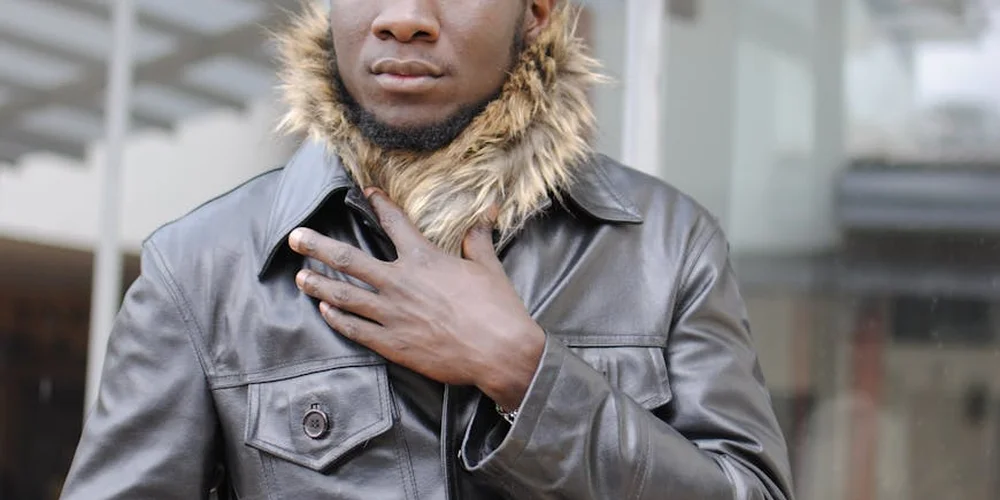
My full-grain pieces like Mason can handle a gentle wipe with a damp cloth. Porous leathers are a different story. The fuzzy nap of suede and nubuck acts like a sponge. Adding water or liquid cleaner here can cause a permanent stain or matting that is very hard to fix.
Your first step should always be a dry clean. For light surface mold, gently brush the area with a dedicated suede brush or a soft-bristled nail brush. Brush in one direction to lift the nap and dislodge the spores. For more stubborn spots, a suede eraser (sometimes called a gum eraser) can work wonders. Rub it lightly back and forth.
If you see any moisture darkening the leather during cleaning, stop immediately and let the jacket dry completely before trying again.
This approach also applies to very delicate, aniline-dyed or unfinished leathers. These leathers have little to no protective topcoat, so any liquid can be absorbed unevenly, leading to spots. For these treasured items, and for any mold problem that looks deep or widespread on suede, calling a professional leather cleaner is your safest first move. They have specialized dry cleaning techniques we simply can’t replicate at home.
How Do I Stop the Mold from Ever Coming Back?

Mold needs moisture and still air. Your defense is to control both. After rescuing your jacket, think about where it lives when you’re not wearing it.
Never store leather in a plastic bag or non-breathable vinyl cover. These trap humidity next to the leather. Instead, use a cloth garment bag made from cotton or canvas. It keeps dust off while letting air circulate. Choose a storage spot that is cool, dry, and away from direct heat sources like radiators.
Leather is skin, and like skin, it needs moisture to stay supple and resilient. A well-conditioned jacket has a stronger defense. After a full clean and dry, apply a thin layer of a pH-balanced leather conditioner. This replenishes the natural oils that form a subtle barrier. Make this a seasonal habit, especially before putting a jacket away for the summer.
For extra protection in damp climates or basements, place a few silica gel desiccant packets in your storage area or in the pockets of the garment bag. These small packets quietly absorb ambient moisture. Just remember to recharge or replace them according to the package instructions.
Finally, make a quick check part of your routine after wearing the jacket. Feel around the cuffs, collar, and especially behind any lining or under areas like decorative leather jacket gold zipper flaps. These spots can trap sweat and humidity from your body. If they feel damp, let the jacket air out fully on a wide, padded hanger before returning it to the closet.
When Is It Time to Hand My Jacket to a Professional?

It is wise to know when a project is beyond your tools. For mold on leather, that line is clear. Trying to fix these problems yourself can do more harm than good.
Red Flags That Signal a Professional Job
Look for these signs. If you see them, stop and call a specialist.
- Severe, Deep-Set Mold: This is not a few surface spots. I mean a large area, over 25% of the jacket, where the mold looks matted and has clearly sunk into the leather’s pores. The surface may feel slimy or fuzzy.
- Mold on the Lining or Interior: If you see or smell mold inside the jacket, the problem is layered. Cleaning the leather exterior won’t fix a contaminated lining. This needs careful disassembly.
- A Very Valuable or Heirloom Piece: If this jacket has serious sentimental or monetary value, the risk is too high. Professional leather mold removal for a prized item is an investment in its future, not an expense.
The Limits of Home Care
Why can’t you handle these cases? It is about tools and controlled environments.
At home, you can clean the surface. A professional has industrial-grade, gentle extraction tools that pull mildew and cleaning agents from deep within the leather without soaking it. They also have controlled drying chambers. Drying a complex, heavily soiled jacket too fast warps it. Drying it too slowly lets the mold regrow. Car seats pose a similar risk of damage from over-wetting. So when cleaning mold from leather car seats, look for methods that remove mildew without soaking or overheating the material.
My jacket June had a small mold issue once. I handled it. But if her entire back was covered? I would not hesitate to get help. The goal is to save the jacket, not just clean a patch.
Finding a Reputable Leather Cleaner
Finding the right person is straightforward. Ask these questions.
- Ask about their experience with mold specifically. A good cleaner will explain their process for killing spores and neutralizing odors, not just cleaning.
- Request to see before-and-after photos of similar work. Any confident professional will have a portfolio.
- Inquire about guarantees. While no one can guarantee perfection on a heavily damaged piece, they should stand behind their workmanship.
- Listen for a consultation. They should ask you detailed questions about the jacket’s history and the mold’s cause. If they give a quote without asking, look elsewhere.
A true specialist sees your moldy jacket as a patient needing a cure, not just a dirty item needing a wipe. Their focus will be on preservation, which is exactly what your leather deserves.
Common Questions
Can I use commercial leather mold removers, or is DIY better?
For most light mold, a DIY mix of equal parts water and 70% isopropyl alcohol works well and is cost-effective. Reserve commercial products for severe cases, and always conduct a patch test first to avoid damage.
I’ve seen advice on forums like Reddit to use bleach. Is that ever safe?
Never use bleach on leather; it aggressively strips natural oils and leads to irreversible discoloration and stiffness. It can cause stains that are difficult or impossible to remove. Trust gentle, proven methods like alcohol solutions or consult a professional for safe treatment.
How do I protect the gold zippers and hardware during cleaning?
Lightly coat metal fittings with petroleum jelly before cleaning to shield them from acidic cleaners. Wipe around hardware carefully with a damp cloth, avoiding direct application to prevent tarnishing.
My jacket has a military or ‘soldier’ style with lots of seams. Does that make cleaning harder?
Yes, intricate seams and pockets harbor moisture and spores, requiring meticulous attention. Brush and dry these areas thoroughly to prevent mold recurrence, using a soft brush to reach crevices without forcing moisture deeper.
Caring for Your Leather After Mold Removal
The single most important rule is to act fast and clean gently. Using a weak vinegar solution and drying your jacket thoroughly stops the problem without stripping the leather’s natural oils, especially when you clean and wash a leather coat at home.
Taking good care of a leather piece, like my jacket June, is a long-term commitment to sustainability. Building your care skills means your goods last for decades, which is the most responsible choice you can make.
Further Reading & Sources
- r/LifeProTips on Reddit: LPT request: How to clean mold off a leather jacket?
- How To Clean Mold Off Leather: Simple & Effective Tips – Von Baer
- Easy Tips For Removing Mould From Leather – Vintage Leather Sydney
- Getting mold out of a leather jacket – SOLVED | The Fedora Lounge
- How to Remove Mold from Leather Coat? – Finest Leathers
Harriet is a avid collector of leather goods such as purses, bags, seat covers, etc and has an extensive background in leather care, recovery, stain removal and restoration. She has worked for a number of years perfecting her leather care techniques and knows the ins and outs of restoring all kinds and types of leather products. With her first hand knowledge in leather care, you can not go wrong listening to her advice.
Treating Mold and Mildew