Sheepskin vs. Shearling Leather: What’s the Practical Difference?
Published on: July 1, 2026 | Last Updated: July 1, 2026
Written By: Harriet Nicholson
Hello Tannery Talk. If you’re staring at a cozy jacket or rugged boot and wondering if it’s sheepskin or shearling, that’s a smart question-it trips up even seasoned leather lovers.
We will cover the simple definitions, how each one feels and wears over time, the best uses for your gear, and easy care steps to keep them supple.
I’ve handled both materials for years, from conditioning June’s jacket to checking the wear on Mason’s saddle, so I can give you clear, hands-on advice.
Sheepskin and Shearling: A Clear Definition of Each
Let’s start with the basics. Sheepskin is exactly what it sounds like: the skin or hide from a sheep. After the animal is sheared, the wool is removed. What remains is the raw hide, which is then tanned to become a soft, pliable leather. You might find this leather used for gloves, bags, or as a lining. In my shop, I’ve conditioned sheepskin linings in boots that feel similar to the smooth side of June, my leather jacket, after a good clean. That same care also applies to sheepskin rugs at home: a gentle clean and proper conditioning can preserve softness and help prevent damage.
Shearling is where it gets interesting. Shearling starts as sheepskin, but it is tanned with the wool still firmly attached. This process creates one complete material: leather on one side and a dense, natural wool fleece on the other. Running your hand over shearling, you feel the crisp leather grain and the soft, springy wool together. It’s a unique handfeel.
The core difference is simple but important. Sheepskin is just the leather. Shearling is leather and wool together, tanned as one. One is a single layer; the other is a built-in two-layer system for warmth and comfort.
Here is a simple way to remember: “Shearling” is not a breed of sheep. It is the name for the finished product. Any sheepskin that is processed with its wool on becomes shearling.
Is Sheepskin the Same as Shearling? (And Other Common Confusions)
No, sheepskin is not the same as shearling. They are related but distinct. Sheepskin is the ingredient; shearling is the specific recipe where the wool is kept on. Mixing them up can lead to using the wrong care methods, which can damage your item.
People often ask if lambskin and sheepskin are the same. They come from the same animal, but lambskin is from a younger sheep. Lambskin is generally softer, thinner, and has a finer grain, much like comparing the delicate veg-tan of Scout my wallet to the heavier leather of Mason my saddle. For care, lambskin often needs gentler conditioners. For a lambskin jacket, knowing how to properly clean, condition, store, and maintain its softness is essential. These simple steps help keep the leather supple and looking its best.
Another mix-up is thinking sheepskin is wool. Wool is the fiber that is sheared off. Sheepskin is the hide that grows it. You can have wool without the skin (like in a sweater), and you can have sheepskin leather without the wool.
You might see terms like “double face” or faux shearling. These are fabrics made to look like shearling. Genuine shearling is a tanned leather product, not a glued fabric, which is why it breathes better and lasts for decades with proper care.
Here is a common mistake and a simple fix for shearling care. A big error is getting the wool side too wet or using a standard leather cleaner on it. This can mat the wool and stiffen the leather.
- For dust and surface dirt on the wool, use a soft bristle brush and brush in the direction of the fibers.
- For small stains, use a minimal amount of cool water and a mild, pH-balanced wool cleaner. Blot, do not rub.
- Let the item air dry away from direct heat, which can shrink the leather.
- Once fully dry, you can condition the leather side. Use a light, neutral leather conditioner. Apply a small amount with a soft cloth, working it into the leather. Be careful not to oversaturate, as conditioner can soak into the wool and leave a greasy feel.
| Feature | Sheepskin Leather | Shearling |
| Material Composition | Just the tanned hide of the sheep. The wool has been removed. | The sheep’s hide tanned with the wool still firmly attached. |
| Primary Feel | Soft, pliable, and light. The surface can be smooth, napped, or sueded. | Dual sensation: plush, dense wool on one side, leather on the other. |
| Best For | Lightweight jackets, gloves, bags, and footwear uppers where a sleek look is key. | Winter boots, cozy slippers, aviation jackets, and rugs where insulation is the priority. |
| Key Trait | Breathable and surprisingly strong for its weight, with a distinctive drape. | Nature’s perfect insulator, offering unmatched warmth from the wool lining. |
How Texture, Warmth, and Durability Compare
Feeling the Difference: Texture and Handfeel
Run your fingers across a piece of sheepskin leather. It feels soft and supple, like a well-worn baseball glove. The skin side is the star here. Tanners can finish it to be smooth and tight, or brush it to create a velvety napped surface I love for its casual look. It has a light, flexible handfeel that makes it perfect for garments that need to move with you.
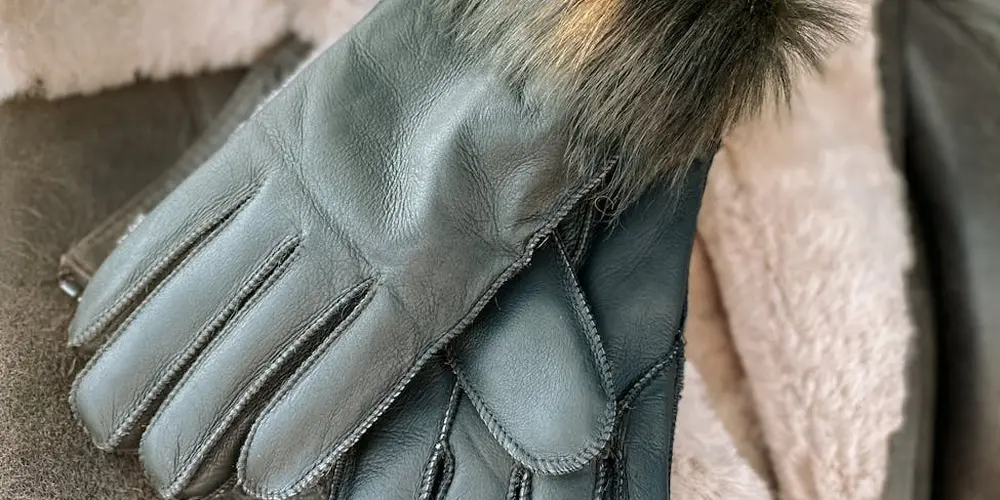
Now, pick up a shearling. The experience is completely different. Your hand sinks into a dense, springy cushion of wool. Turn it over, and you find leather backing that strength. Shearling provides a two-part experience: the undeniable comfort of a cozy blanket against your skin, backed by the rugged support of leather. This dual nature is its magic.
Warmth, Weight, and Everyday Use
Shearling is nature’s thermal liner. The wool fibers trap your body heat, creating a pocket of warm air. This makes it the definitive choice for bitter cold. A shearling-lined boot or a classic flight jacket isn’t just stylish, it’s functional armor against the cold.
Sheepskin leather is for different jobs. It’s used for lighter spring or fall jackets, elegant gloves, or the lining of a bag where a bulky wool layer would be impractical. It provides structure and a luxurious touch without the weight.
Durability needs a practical view. A shearling jacket is incredibly rugged. The leather side, like on my friend June’s old jacket, can take a lifetime of wear. But the wool can mat down or collect debris if not cared for. Sheepskin leather is pliable and strong for its weight, but it can be more prone to scratches or abrasion than thicker cowhide.
People often ask if a shearling jacket is worth the investment. From my bench, I see pieces decades old that are still deeply loved. Their warmth never goes out of style. Their longevity comes from simple, consistent care: brushing the wool to keep it fluffy and conditioning the leather to prevent it from drying and cracking. It’s a commitment, but one that pays off for generations.
Choosing Your Material: Jackets, Rugs, and More
Sheepskin and shearling are perfect for different jobs. Knowing which is which helps you pick the right one.
Classic uses for sheepskin leather rely on its soft, supple nature.
- Luxury gloves and delicate clothing linings.
- Soft bags, pouches, and light jackets.
- Upholstery accents in cars or furniture for a plush feel.
Shearling, with its built-in insulation, is made for warmth.
- Iconic aviator and bomber jackets.
- Winter boots, cozy mittens, and slippers.
- Heavy-duty coats for outdoor work.
- Durable, warm rugs and throw blankets.
Choosing comes down to one simple question. Do you want a warm lining, or the warm exterior itself? Sheepskin is often the luxurious inside layer. Shearling is the complete, weather-ready outside shell.
Many people ask about a sheepskin vs shearling coat. Here is the typical construction.
- A sheepskin coat often uses tanned sheepskin leather as a smooth or sueded lining inside another material, like a waxed cotton shell.
- A shearling coat uses the full sheepskin with wool, turning the wool side out to form the fluffy exterior or the cozy interior of the garment itself.
Caring for Sheepskin and Shearling: A Practical Guide
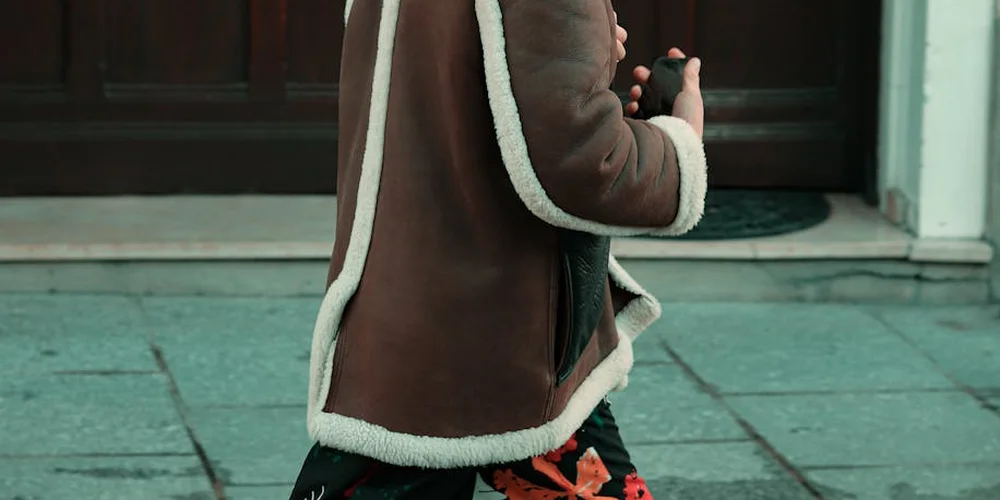
These materials need a gentle hand. The wrong method can flatten naps, mat wool, or stain the leather.
How to Clean and Condition Sheepskin Leather
Sheepskin has a sueded or napped flesh side. You must avoid soaking it.
For general cleaning, always start with the gentlest dry method. Hold the item firmly and use a soft suede or nubuck brush. Brush in one direction to lift dirt and restore the nap. For scuffs or marks, a clean pencil eraser or a specialty suede eraser works well. Rub gently. If ink stains appear, there are careful methods to remove pen ink from suede furniture without damaging the nap. We cover those techniques in the next section.
If you must use a cleaner, choose a foam-type cleaner made for suede or nubuck. Apply a tiny amount to a cloth and dab, never rub, the soiled area. Let it dry completely, then brush the nap again, especially if you are trying to remove water stains from suede.
Conditioning is tricky. The leather side is thin. Use a light, neutral leather conditioner sparingly, and only on the smooth leather side if it is accessible. Apply a small amount with your fingertips, wait 15 minutes, then buff off any excess with a soft cloth. Getting conditioner on the sueded side can darken it and make the nap feel greasy or clumpy.
How to Clean and Maintain Shearling Leather
Shearling care is a two-part job: the wool and the leather.
Wool-side care is about prevention. Regular, gentle brushing with a wide-tooth pet comb or a specialty shearling brush is the single best thing you can do. Brush in the direction of the wool nap every few wears. This lifts dirt, prevents matting, and keeps the wool fluffy. Think of it like brushing hair.
For spills on the wool, act fast. Blot, never rub, with a clean, absorbent cloth. For sticky stains, use a cloth slightly dampened with water and a drop of mild, pH-balanced wool wash. Dab carefully. Rinse the area by dabbing with a cloth dampened with clean water. Let it air dry away from direct heat, then brush the wool. These steps help you wash and clean sheepskin slippers properly without damaging the leather or wool. This preserves both materials and keeps them looking their best.
I strongly advise against trying to wash a shearling jacket at home. The leather can shrink, harden, or lose its shape. For a full clean, find a professional who specializes in leather and shearling. If you’re curious about doing a careful clean at home without damaging leather, there are safe at-home methods worth reviewing. These tips help preserve texture, color, and shape while minimizing risk.
To condition the leather side, you must be careful. Fold the wool back to expose just the leather. Apply a light leather conditioner with a cloth, avoiding the wool roots. Buff off any residue after 20 minutes. Keeping conditioning products away from the wool base prevents it from becoming oily and matted, which is essential for proper leather care.
People often ask about the lifespan of shearling. With consistent, proper care, a quality shearling jacket can last for decades. My own jacket, June, is proof of that. Neglect, however, leads to matted wool and dry, cracked leather.
Storage is key. Never fold shearling tightly or hang it by the shoulders for long periods, as this can distort the shape. Use a broad, padded hanger. Store it in a breathable cotton bag in a cool, dry place. This protects it from dust and moths while letting the wool maintain its loft.
Quick Answers
Is a “sheepskin jacket” actually made of shearling?
Often, yes. When a jacket is marketed as sheepskin, it frequently uses shearling-the leather with wool attached-for its warmth. True sheepskin leather alone, without the wool, is more common in gloves or as a smooth lining.
Which one is more durable for daily wear: sheepskin or shearling?
The leather backing of a shearling garment is very tough, but the wool pile can mat with neglect. Smooth sheepskin leather is durable but can show scuffs more easily. Both outlast synthetics with proper, material-specific care.
Can you wear shearling in damp or humid weather?
It’s not ideal. Shearling’s wool absorbs moisture slowly, which can lead to a prolonged dry time and potential leather stiffness. If it gets damp, air-dry it away from heat and brush the wool once fully dry to restore its loft.
How do I store these materials to prevent damage?
For shearling, use a broad, padded hanger and a breathable cotton bag-never plastic. Store sheepskin leather items flat or rolled if possible, in a cool, dry place. For both, cedar blocks are better than mothballs.
Is it true that sheepskin leather is always thin and delicate?
Not always. While typically lighter than cowhide, its thickness and strength vary with the animal and tanning. It’s pliable but can be surprisingly resilient, making it excellent for footwear uppers and bags that don’t need heavy insulation.
Making Your Decision and Moving Forward
When choosing between them, let the wool guide you: pick shearling for cozy warmth and sheepskin for a smooth, flexible finish. Selecting the right one for your project is the surest way to get a piece you’ll love using every day.
Caring for any leather is a commitment to quality and sustainability, so seek out conditioners from responsible sources and treat each piece with patience. Every time you clean or condition a garment, you’re practicing a skill that deepens your appreciation for the craft and the material. That same care matters for leather furniture, jackets, and bags. Using the best leather conditioners, cleaners, and repair kits can help restore and fix these pieces while preserving their character.
Sources and Additional Information
- Shearling vs Sheepskin: The Battle of the Furs – Lusso Leather
- The Difference Between Sheepskin And Shearling – Independence Brothers
- What is the Difference Between Shearling and Sheepskin
- Is there a Difference between Shearling and Sheepskin?
- Sheepskin vs Shearling Jackets The Ultimate Comparison Guide
Harriet is a avid collector of leather goods such as purses, bags, seat covers, etc and has an extensive background in leather care, recovery, stain removal and restoration. She has worked for a number of years perfecting her leather care techniques and knows the ins and outs of restoring all kinds and types of leather products. With her first hand knowledge in leather care, you can not go wrong listening to her advice.
Jacket and Apparel Care