How Do You Get Pen Ink Out of Leather Car Seats Without Damage?
Published on: May 31, 2026 | Last Updated: May 31, 2026
Written By: Harriet Nicholson
Hello Tannery Talk. That sudden pen mark on your leather seat is alarming, but I can help you erase it safely and effectively.
We will cover identifying your leather type, choosing safe cleaning agents like isopropyl alcohol or milk, and executing a gentle step-by-step process.
My hands-on experience repairing and conditioning leather goods, from saddles like Mason to jackets like June, means I know how to handle this without harm.
Why Ink on Leather Is a Tricky Problem
Ink is not like a coffee spill or a scuff. Dirt sits on the surface. Ink is a liquid dye engineered to soak in and stay put. It wants to bond with whatever it touches. This is the core reason a simple wipe often makes an ink stain on leather worse, pushing it deeper into the material.
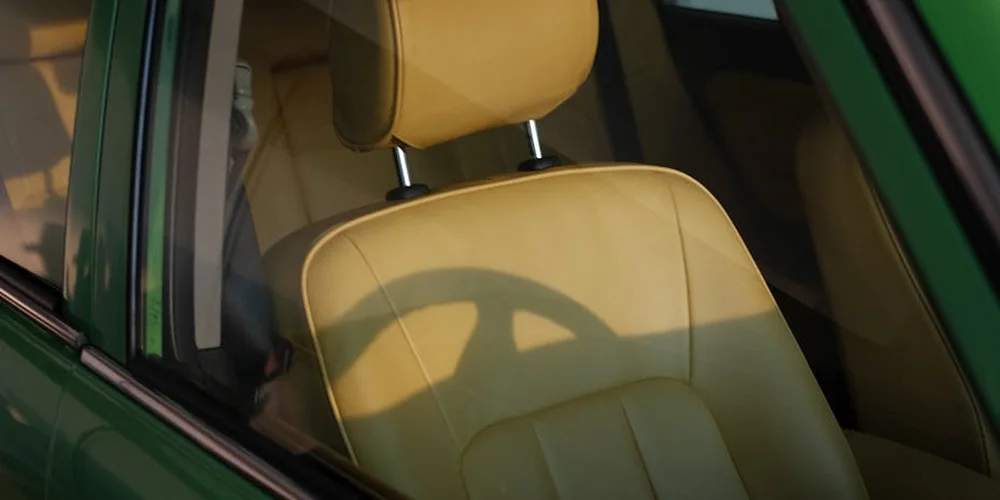
Think of your car seat. That leather is usually coated with a protective top layer, a bit like a clear finish on wood. This is great for resisting daily grime. But if a pen tip scratches through that coating, the ink has a direct path to the porous leather underneath. My jacket June has a full-grain, uncoated hide; a stain there would spread differently than on your car’s interior.
Heat and time work against you. A warm car cabin acts like a dryer, speeding up how the ink sets. A fresh stain is a surface issue. An old, set stain becomes part of the leather’s story. This is why acting quickly matters so much when you’re figuring out how do i get ink out of leather seats.
Gathering Your Tools for the Job
You don’t need a workshop full of specialty items. Start with the basics you probably own, then consider a gentle solvent. Here’s what to collect.
The Essential Kit
- Clean, white cloths: Old cotton t-shirts are perfect. White ensures you see the ink transferring off the leather.
- Cotton swabs: For precise control on small spots.
- A pH-balanced leather cleaner: This is your first line of defense. It cleans without stripping.
- A quality leather conditioner: Any solvent will dry the leather. Conditioning afterwards is mandatory, not optional.
The Solvent Options: From Mild to Strong
If leather cleaner alone doesn’t work, you’ll need something to break the ink’s bond. Proceed with caution.
The Non-Negotiable First Step
Before anything touches the visible stain, you must perform a spot test. Find a hidden area, like under the seat or behind a headrest. Apply a tiny amount of your chosen solvent with a cotton swab. This test tells you everything: if the color bleeds, if the coating clouds, or if the texture changes. If anything negative happens, do not use that product on the visible area.
Start with what you have. A good leather cleaner and conditioner can lift a fresh stain. Move to stronger options only if you need to, and only after that hidden spot gives you the all-clear.
The Step-by-Step Method to Get Ink Off Leather Car Seats
Don’t panic. Ink on leather feels like a disaster, but with a calm hand, you can often fix it. This method is how you clean leather without hurting it. Think of it like treating a small cut, not power-washing a driveway. We go slow and gentle.
- Gather your simple toolkit: a few ultra-soft, white cloths (microfiber or old cotton t-shirts), cotton swabs, a pH-balanced leather cleaner, and a good leather conditioner.
- Work in good light so you can see the stain’s edges clearly.
- Take a deep breath. Rushing causes more harm than the ink itself.
Step 1: The Crucial Hidden Spot Test
You would never pour a new cleaner all over your favorite jacket without checking. Your car seat deserves the same care. This step is non-negotiable.
Pick a hidden spot. For a seat, this is usually deep down where the back meets the bottom cushion, or on the very side edge closest to the door. Apply a small dab of your chosen cleaner to a cloth and rub it gently in a tiny circle. Wait a full minute, then wipe it away with a dry part of your cloth.
Look for two things: any change in the leather’s color (darkening or lightening) and any change in texture (if the top coating feels gummy or starts to peel). If you see either, stop. That cleaner is not safe for your leather. A proper cleaner should lift dirt without altering the material underneath.
Step 2: Blotting, Not Rubbing, the Fresh Stain
If the ink is still wet, your first move is critical. Take a dry, clean cloth and press it directly onto the stain. Do not rub or scrub. For specific tips on removing ink stains from delicate suede, proceed gently to avoid damage.
Rubbing is the enemy. It grinds the liquid ink particles deeper into the leather’s pores and can smear the stain over a wider area. Blotting soaks up the excess ink from the surface. Think of it like using a sponge on a spilled drink. You press and lift, press and lift. That technique also applies to removing pen marker ink from leather sofas, chairs, and car seats. In the next steps, we’ll cover practical tips for those surfaces. This is the foundational answer for how do you get ink off of leather car seats: you start by lifting, not grinding.
Step 3: Applying the Cleaner with Care
Now for the active cleaning. Put a small amount of your tested cleaner on a fresh corner of your cloth or the tip of a cotton swab for precision. Do not pour it directly on the seat.
Start cleaning from the outer edge of the stain, working in slow, small circles toward the center. This “outside-in” technique prevents you from spreading the stain’s border. Use very little pressure. After every few circles, fold your cloth to a clean section or use a new swab. For faux leather, use gentle cleaners and minimal moisture to avoid damage. This careful approach helps remove ink stains from faux leather without harming the material. You want to lift the ink onto your cloth, not just move it around on the leather.
Step 4: Patience and Repetition
You will not remove a deep ink stain in one pass. I might do this four or five times on a tough spot on my jacket, June.
Apply a little cleaner, work it gently, wipe it away with a dry cloth, and let the area sit for a minute. Look at your progress. Then repeat. Multiple light applications are always better than one heavy, soaking one that can overwet the leather. Set a realistic goal: complete removal is ideal, but turning a dark blue blotch into a faint, shadowy smudge is still a major victory. Some pigments bond deeply and may only fade.
Step 5: The Final, Most Important Step
Cleaning, even with a gentle product, strips away natural oils. If you stop here, the leather will dry out and become brittle over time, leading to cracks. Conditioning is not optional.
Once the cleaned area is completely dry to the touch, apply a light leather conditioner. Use a fresh, soft cloth. Put a dime-sized amount on the cloth, rub your hands together to warm and spread it, then massage it into the leather in broad, even circles. Cover the entire seat panel for uniform appearance. Let it absorb for 15-20 minutes, then buff off any excess with a dry cloth. This step replaces lost moisture and forms a protective barrier, ensuring your seat stays supple long after the ink is gone from the leather.
What Never to Do When You Remove Ink from Leather
In a moment of stress, it’s easy to grab what’s under the sink. This is how good intentions cause permanent damage. Here is your “never” list.
- Never use ammonia or bleach-based cleaners. These are far too harsh and will permanently discolor and break down leather fibers.
- Never scrub with abrasive pads, brushes, or erasers. You will scuff the protective topcoat, creating a dull, rough patch that collects more dirt.
- Avoid dousing the spot with water. Leather is skin. Soaking it can cause water stains, stiffening, and mold.
- Steer clear of harsh, all-purpose household or glass cleaners. They contain solvents that can dissolve the dyes and finishes on your seats.
FAQ: Does Rubbing Alcohol Damage Leather?
Rubbing alcohol (isopropyl alcohol) is a powerful solvent. On unprotected, unfinished leather, it can be very drying. On most modern car leather, which has a protective painted or polyurethane coating, a highly diluted solution (1 part alcohol to 4 parts water) can sometimes work on a fresh ink stain. But the risk is high. It can strip dyes and leave a permanent whitish haze on the coating, and I never recommend it as a first resort. A dedicated leather cleaner is always safer, especially when removing stubborn stains like ink.
FAQ: Can Vinegar Remove Ink Stains?
While diluted white vinegar is a decent natural cleaner for some household surfaces, it’s a bad idea for ink on leather. Vinegar is acidic. Its acidity can alter the pH of the leather, potentially causing discoloration and weakening the material’s structure over time. It’s also not a strong enough solvent to reliably break down most pen inks. You’re introducing risk for little potential reward.
Caring for Your Seat After the Ink Is Gone
You got the ink out. Great work. But if you stop here, you risk leaving the leather vulnerable. Cleaning, even gently, removes dirt and some natural oils along with the stain.
Applying a conditioner immediately after cleaning is not optional; it’s how you seal in moisture and prevent the leather from drying out and cracking. Think of it like putting lotion on your skin after washing your hands. I always do this with my heavy-use pieces. After a deep clean, Mason’s saddle gets a thorough conditioning to keep that deep chestnut color rich and the leather supple.
Use a neutral, pH-balanced leather conditioner. Here is a simple way to do it:
- Apply a small amount of conditioner to a clean, soft cloth.
- Rub it into the cleaned area using gentle, circular motions.
- Let it soak in for 15-20 minutes.
- Buff off any excess with a dry part of the cloth until the surface feels smooth, not greasy.
Now, let the seat rest. Do not use it for a full day if you can. Check the treated spot again after two or three days to ensure the color is even and the leather feels soft. This waiting period lets the conditioner fully penetrate. Sometimes a slight darkening occurs at first, but it often lightens back as it dries, just like my wallet Scout does after a conditioning.
Successfully figuring out how do you get ink out of leather car seats is a relief, but this follow-up care is what truly protects your investment.
Keeping Future Ink Stains Off Your Leather Seats
Prevention is always simpler than a cure. A few smart habits can save you from future stress.
Keep pens and markers in a closed glove compartment or a dedicated holder, not loose in cup holders or seat pockets. It sounds obvious, but most ink accidents happen because a pen rolls out of sight. For families, consider using click-top pens instead of caps that can come off easily.
Establish a simple, regular care routine. This does more than clean; it builds a shield.
- Every month, wipe seats down with a dry, microfiber cloth to remove dust and grit.
- Every three to four months, do a full clean with a leather-specific cleaner, followed by a conditioning treatment.
A well-conditioned leather surface has a slight barrier that makes spills and stains bead up or sit on top, giving you precious time to blot them away before they sink in. June’s jacket stays looking good with this kind of consistent, light upkeep.
Caring for leather responsibly means respecting the material so it lasts for years. Regular maintenance reduces the need for harsh cleaners, extends the life of your car’s interior, and honors the craft behind the leather. It’s a quiet commitment to quality and durability.
When the Stain Won’t Budge: Next Steps
Sometimes, a stain fights back. The ink has dried for days, or it was a particularly aggressive formula. You’ve followed the steps, been gentle and patient, but a faint shadow remains on the leather. This happens. It happened to a dark spot on June’s jacket from a leaky pen. The first thing to do is take a breath. Panic often leads to harsh chemicals and elbow grease, which is how leather gets damaged.
If the stain is significantly reduced but not gone, stop and condition the area. The cleaning process, even with gentle products, can dry out the leather’s top layer. Apply a small amount of a pH-balanced leather conditioner to the spot and the surrounding area, buffing it in with a soft cloth. This restores moisture and can sometimes help blend the last remnants of a stain into the leather’s overall color. Exploring the best products and methods for cleaning leather can guide your next steps. When choosing, prioritize pH-balanced cleaners and compatible conditioners to maintain softness and color.
Calling in a Professional
For a large, old, or very dark stain that hasn’t responded to your careful cleaning, a professional automotive leather detailer is your best next move. Think of them like a skilled surgeon for your car’s interior.
They have access to stronger, specialized cleaners and dyes that are not suitable for DIY use. A pro can often perform a “spot repair,” which involves carefully cleaning, deglazing, and reapplying a matching pigment to the exact area. This is a viable option for a single seat panel or bolster.
When consulting a professional, ask specific questions about their process to ensure they prioritize preserving the leather’s integrity, not just covering the stain.
- Do they use water-based or solvent-based products? (Water-based is generally gentler).
- Will they condition and protect the leather after the repair?
- Can they provide a small test spot in an inconspicuous area first?
The Beauty of an Honest Mark
Leather is a living record. My saddle, Mason, is crisscrossed with faint scars and darkened patches from years of use. They aren’t flaws. They are proof of a life well-lived. A faint, shadowy mark on your car seat can be viewed the same way.
If the stain is light and the leather is healthy, consider letting it be. After a proper conditioning, this mark will slowly blend into the leather’s developing patina-the unique sheen and character that comes with age and care. It becomes part of your car’s story, a sign of real use. Scout, my wallet, has a small ink smudge inside one card slot. It’s just part of him now, a reminder of a busy day.
FAQ: Do Ink Stains Come Out of Leather?
The honest answer is: it depends, and speed is everything.
Fresh ink stains (minutes to a couple of hours old) on finished leather (like most car seats) often come out completely with prompt, gentle cleaning using a dry technique first, followed by a dedicated leather cleaner. The key is to avoid rubbing, which pushes the ink deeper into the grain. The same careful, non-rubbing approach applies to removing ink stains from other leather surfaces and items. For more detailed steps on removing ink stains from leather, follow our guide.
Set-in or old ink stains are a different challenge. You can almost always lighten them significantly, making them far less noticeable. Complete removal becomes less likely the longer the ink sits, as it bonds with the leather’s topcoat and dyes. On porous, unfinished leathers (like some natural vegetable-tanned goods), ink can penetrate deeply and may never fully vanish. This is especially true for stains from pen, marker, or ballpoint ink.
The goal should be stain management and leather preservation, not perfection at all costs. A healthy, conditioned seat with a faint mark is always better than a damaged, brittle, or discolored one from an overzealous cleanup.
Common Questions
Can I just use leather conditioner to remove the ink?
No. Conditioner is for moisture and protection after cleaning, not for stain removal. Applying it over ink will only seal the stain into the leather, making it permanent.
The ink seemed gone but reappeared after a few days. Why?
This is “wicking.” Residual ink trapped deeper in the leather migrates back to the surface as the material breathes. Repeat the gentle cleaning and conditioning process once more to draw out the last of it.
Is the process different for white or light-colored leather?
The method is the same, but caution is doubled. Always perform a spot test in a hidden area first, as solvents are more likely to cause noticeable discoloration on pale leathers.
Will this work on all pen types, like gel or permanent marker?
Ballpoint ink is oil-based and often responds best. Gel inks and permanent markers contain stronger pigments and resins, making them more stubborn. You may only achieve lightening, not full removal, with gentle methods.
Keeping Your Leather Seats Ink-Free
The most reliable method is to start with the gentlest option, like an alcohol wipe, and patiently work your way up to stronger cleaners only if you need to. Testing any solution in a hidden spot first is the single step that prevents a small stain from becoming a big problem.
Taking good care of your leather extends its life, which is the most sustainable choice you can make. Honoring the material through proper maintenance builds your skill and respects the craft behind every piece.
Expert Resources and Citations
- How to Remove Ink from Leather Seats – AutoZone
- How to remove ink stains from leather & fabric car seats DIY – Auto Detailing Pro
- r/AutoDetailing on Reddit: Pen ink on leather. What’s the best way to remove safely?
- Ink On Leather Seats – Car Care Forums: Meguiar’s Online
Harriet is a avid collector of leather goods such as purses, bags, seat covers, etc and has an extensive background in leather care, recovery, stain removal and restoration. She has worked for a number of years perfecting her leather care techniques and knows the ins and outs of restoring all kinds and types of leather products. With her first hand knowledge in leather care, you can not go wrong listening to her advice.
Car Interior and Auto Leather Care