How to Wash and Clean Leather Jackets, Pants, and Clothing at Home
Published on: May 8, 2026 | Last Updated: May 8, 2026
Written By: Harriet Nicholson
Hello Tannery Talk. I’ve seen that worried look when a favorite leather piece gets dirty, and I’m here to tell you that a gentle, effective clean at home is within your reach.
We will cover how to identify your leather type, select the right cleaning tools, execute a safe washing process, and apply aftercare to maintain softness and color.
My hands-on experience repairing and conditioning pieces like my daily-worn calfskin jacket, June, gives me the practical insight to guide you.
What You Absolutely Need Before You Start Cleaning
Cleaning leather at home is straightforward with the right gear. A cluttered kit isn’t necessary. You only need a few key items that work together to lift dirt without harming the hide.
- Soft, dry microfiber cloths (two or three).
- A gentle horsehair or boar bristle brush.
- A bottle of pH-neutral leather cleaner.
- A quality leather conditioner.
This is your foundational toolkit for how to clean leather at home successfully.
You might wonder about using dish soap or a homemade vinegar mix. I advise against it. Leather retains strength and suppleness through its natural oils. Harsh soaps and detergents strip these oils away. Vinegar, while great for some surfaces, is acidic and can dry out or even bleach leather over time. Think of leather’s oils like your skin’s natural moisture. A gentle, pH-balanced cleaner cleans without causing that damaging dryness. DIY household remedies—like vinegar, rubbing alcohol, or concentrated soaps—can dry, stain, or weaken leather. Stick to purpose-made, pH-balanced cleaners to avoid those hidden dangers.
The single most important step is one you do before any cleaner touches the surface: the test patch. Always apply your cleaner to a hidden spot first. Check the inside of a pocket, a belt loop, or a deep seam. Wait for it to dry completely. You are looking for any discoloration or unwanted change in texture. If the test area looks good, you can proceed with confidence. My jacket June has a small, repaired seam inside that I always use for this. It has never let me down.
Is Your Leather Smooth, Suede, or Something Else?
Your cleaning method depends entirely on your leather’s surface. Using the wrong one is the fastest way to ruin a good piece, so choose the right method for your leather type.
Run your fingers over the material. Smooth leather feels firm and polished, like the surface of a classic work boot. You’ll see a tight grain pattern. Full-grain leather, like my saddle Mason is made from, is the toughest of these, showing natural marks that add character. Pull-up leather is a type of smooth leather that lightens when stretched, like worn denim creases, then darkens back.
Suede and nubuck feel fuzzy and soft, like velvet. Nubuck is buffed on the grain side for a fine nap, while suede is split from the flesh side. The key difference is the delicate surface. Water and most liquid cleaners will spot them. They need specific, dry cleaning methods.
Cleaning methods for smooth leather will ruin suede or nubuck by matting the nap and leaving permanent water stains. A horsehair brush meant for polishing smooth leather is too stiff for suede. For suede, you need a specialized suede brush or a clean, dry microfiber cloth used with very gentle strokes.
If your item is faux leather-often labeled PU or polyurethane-the rules change again. It’s a plastic coating on fabric. How to clean faux leather pants or jackets involves avoiding oils and conditioners meant for real hide, as they won’t absorb and can cause peeling. For light cleaning, a mild soap and water solution (like a drop of dish soap in a cup of water) wiped with a damp cloth works. A mix of white vinegar and water (equal parts) can help disinfect. Always dry it immediately.
The Right Way to Hand-Wash a Leather Jacket
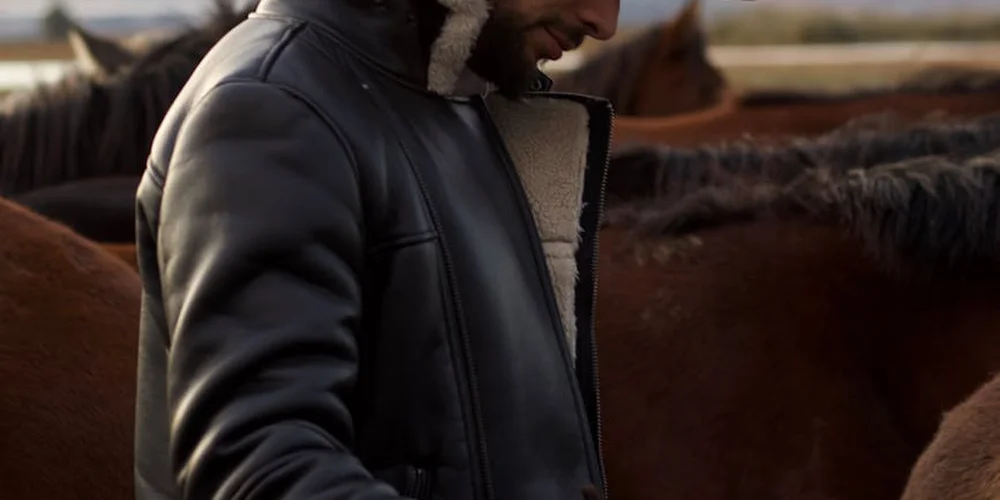
Let’s be clear from the start. You should not wash a leather jacket in a washing machine. The spinning, the heat, and the harsh detergents will almost certainly stiffen, shrink, or crack the leather. Think of it like this: your jacket is skin, not denim. Hand-washing is the only safe method for most smooth leathers, and it’s simpler than you might think.
This gentle process is the core method I use on jackets like my own June. With the right approach, you can lift away grime without stripping the natural oils that keep the leather supple.
Step 1: Gently Remove the Surface Dirt
Always start dry. Just like I brush down Mason my saddle before any deeper clean, you need to loosen the top layer of dust and dirt. Take a soft-bristled brush (a horsehair shoe brush or a very soft toothbrush works perfectly) and gently brush the entire jacket. Follow the direction of the grain. This prevents you from grinding fine particles into the leather during the next wet step.
This dry brushing step is the most overlooked part of cleaning, and it makes the actual washing much more effective and gentle.
Step 2: Apply Cleaner and Wipe with Care
Now for moisture. The rule here is “less is more.” Dampen a soft, lint-free cloth (like an old cotton t-shirt) with cool water and wring it out until it’s just barely damp. Apply a small amount of a pH-balanced leather cleaner to the cloth, not directly onto the jacket. Working on a small section at a time, wipe in gentle, overlapping circles.
You’ll see the dirt transfer to your cloth. Considering the best cleaning methods to preserve the finish of leather boots and shoes can help guide these steps. This approach helps ensure you clean without over-wetting or dulling the surface finish. Rinse and wring your cloth frequently with clean water to avoid reapplying dirt. The leather should never look soaked, only slightly damp to the touch, much like a damp sponge that’s been thoroughly wrung out.
Step 3: The Patient Air-Dry
Do not wring, twist, or hang your jacket to dry. Hanging it wet can stretch the shoulders. Instead, lay it flat on a clean, dry towel on a table or rack away from direct sunlight, radiators, or hair dryers. Let the air do the work. Flip it over once after a few hours so both sides dry evenly.
How do you know it’s ready? It should feel cool and dry all over, with no damp spots. The texture should return to normal. Think of the soft, dry feel of June’s calfskin after a light conditioning. This can take a full day. Only when it’s completely dry should you consider applying a light conditioner to restore moisture.
Can You Wash Leather Pants? Here’s the Safe Method.
Yes, you can wash leather pants, but carefully. The process mirrors the jacket method, with extra caution. Pants face more stress points-knees, inner thighs, seats-where oils, dirt, and sweat collect. Aggressive cleaning here can lead to premature wear.
Start with the same dry brushing technique over the entire garment. Pay special attention to the high-stress areas, brushing gently to lift embedded grit from the creases.
For the wash, use the same barely-damp cloth and pH-balanced cleaner. Work even slower on the knees and inner thighs, using minimal moisture and checking your cloth often to see the dirt lifting. These areas are prone to absorbing too much water, which can leave dark, stiff spots.
Before you begin cleaning, always zip up all zippers and fasten any buttons or snaps. This keeps the metal from scratching the leather as you wipe and prevents the cloth from snagging. If the pants have a delicate lining, be extra gentle to avoid pulling or tearing it with the moisture.
Dry them flat, just like the jacket, ensuring they are fully shaped without sharp folds. Patience is your best tool. Rushing the drying of leather pants, especially in high-stress zones, is a common mistake that leads to stiffness and cracks.
Cleaning Other Leather Items: Belts, Vests, and More

The process for cleaning a leather belt or vest is the same careful hand-wash method you use for a jacket. Smaller items are often easier to handle, but they deserve the same gentle respect.
Think of how to clean a leather belt. You are working with a small, manageable piece that gets a lot of contact with your skin and clothing.
- Lay the belt flat on a clean towel. Use a barely damp cloth with a drop of neutral leather cleaner to wipe the entire surface, paying extra attention to the area around the buckle and the holes.
- For a textured or grainy belt, a soft horsehair brush can help lift dirt from the pores after you apply the cleaner.
- Wipe it clean with a separate damp cloth and let it air dry completely, away from heat. Never hang a wet belt by the buckle, as this can cause a permanent crease.
- Once dry, apply a light conditioner. This routine keeps the leather from becoming brittle and cracking at the stress points.
The steps for a leather vest are identical to those for a jacket. Unbutton it, treat stains individually, and clean the entire garment in sections. The methods for cleaning and conditioning a leather or faux leather jacket apply equally to a vest.
These rules also apply to items like leather dog collars. The core method is the same, but you must use a cleaner and conditioner that is specifically labeled as pet-safe. Your dog’s skin is sensitive, and they will lick and chew at the collar.
What Never to Do: Common Home Cleaning Mistakes
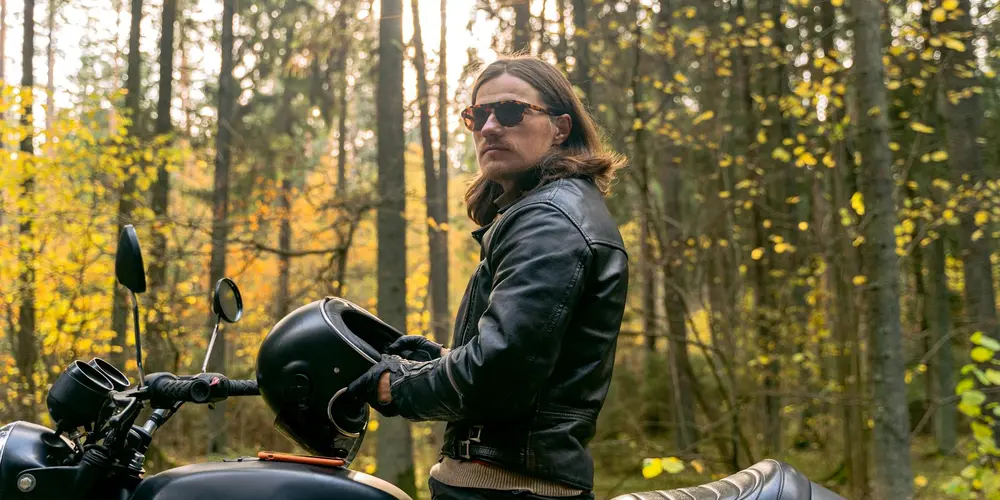
With the right method, cleaning leather at home is straightforward. Avoiding the wrong methods is just as important. Here are the most common mistakes I see when it comes to cleaning leather.
- Never use a washing machine or dishwasher. The agitation, heat, and harsh detergents will strip all the natural oils from the leather. It will come out stiff, misshapen, and likely cracked.
- Never use direct heat like a hair dryer, radiator, or oven to dry leather. Heat bakes the leather. It forces the fibers to contract too quickly, causing irreversible cracks and a rough, cardboard-like texture.
- Never soak leather or use excessive water. Leather is skin. Soaking it swells and weakens the fibers. As it dries, it shrinks and hardens, losing its soft suppleness forever.
- Never use household cleaners like bleach, ammonia, or all-purpose sprays. These are far too harsh and alkaline. They will permanently discolor the leather and break down its protective finish.
- Never use silicone-based polishes or waxes meant for shoes on clothing leather. These products are designed for a hard finish and will clog the pores of your soft jacket or vest, preventing it from breathing and conditioning properly.
I once worked on a beautiful leather bag a customer had tried to ‘freshen up’ in the clothes dryer on low heat. The heat warped the shape, and the tumbling action caused deep, permanent creases. The leather was cooked. We managed to condition it back to some flexibility, but those scars were there to stay. Patience and gentle, manual care are the only reliable tools for cleaning leather.
After the Wash: Conditioning and Storing Your Leather
Think of cleaning as only half the job. Washing removes dirt, but it can also strip away natural oils. Conditioning is how you put that goodness back. This final step is not optional if you want to prevent the leather from drying out, cracking, or feeling stiff and cardboard-like. It’s like putting lotion on your skin after a shower. My saddle, Mason, gets this treatment after every major clean, and it’s why an 8-year-old piece still feels supple.
How to Condition Your Leather Clothing
The process is simple, but patience is key. You will need a clean, soft cloth (an old t-shirt works perfectly) and a high-quality leather conditioner. Look for a pH-balanced, neutral product designed for garment leather.
- Test First: Apply a tiny dab of conditioner to an inconspicuous area, like an inside seam. Wait an hour. This checks for any unwanted darkening or reaction.
- Apply Sparingly: Put a small amount of conditioner on your cloth. Start with less than you think you need. You can always add more.
- Rub It In Thoroughly: Using gentle, circular motions, work the conditioner into the leather. Cover the entire garment, paying extra attention to high-wear areas like elbows on jackets or knees on pants. You should see the leather drink it in, becoming slightly darker as it moisturizes.
- Let It Absorb: Hang the item and walk away. Let it sit for at least 4-6 hours, or ideally overnight, in a well-ventilated room. The leather needs time to fully absorb the oils.
- Buff Gently (Optional): If any slight residue remains on the surface after drying, give it a gentle buff with a fresh, dry cloth to bring up the shine.
A common mistake is using too much product, too fast. Applying a thick layer won’t moisturize faster; it will just sit on top, feeling greasy and attracting more dust. If the leather still feels dry after the first treatment, you can do a second light application a day later.
Smart Storage for Longevity
How you put your leather away is just as important as how you clean it. The goals are to maintain its shape and protect it from moisture and light.
- For Jackets & Blazers: Always use a wide, padded hanger. Wire or thin plastic hangers can create sharp, permanent shoulder bumps. Leave some space between garments in your closet for air circulation.
- For Pants & Skirts: Fold them neatly along the natural creases. To avoid a sharp front crease, you can roll them lightly with some tissue paper inside. Store them on a shelf, not hung by the cuff.
- The Environment: Keep your leather in a cool, dry place away from direct sunlight or heat sources like radiators. Avoid plastic garment bags, which trap moisture. A breathable cotton dust cover is a better choice.
This consistent care routine does more than just maintain your gear. It is the very process that builds a rich, personal patina over time. The gentle cleaning and regular conditioning allow the leather to age gracefully, developing a deeper color and a unique character with every wear. My wallet, Scout, started as a uniform dark brown. Now, after three years of this simple care, it has beautiful honey-toned highlights wherever it bends and flexes. That’s the reward for your effort.
Common Questions
Can I speed up the drying process with a hairdryer or by putting the jacket in the sun?
Absolutely not. Direct heat is a leather killer; it forces rapid moisture loss, causing the fibers to contract, stiffen, and crack irreparably. Patient, ambient air-drying is the only safe method.
Should I condition my leather immediately after cleaning it while it’s still damp?
No, you must wait. Conditioner cannot penetrate properly and will seal moisture in if the leather is not completely dry to the touch. Always condition only after a full 24-hour air dry.
I’ve heard of an “Oxford” wash method using saddle soap. Is that a good idea for my jacket?
That method is for heavy-duty, oil-tanned work leather like saddles or boots, not for garment leather. Using saddle soap on a jacket will strip its delicate finishes and likely leave a heavy residue.
My leather jacket got caught in a downpour and is soaked. What’s the first thing I should do?
Do not apply heat. Gently blot off excess water with a dry towel, then stuff the body and sleeves with crumpled paper to help it hold its shape as it air-dries naturally, away from any direct heat source.
Your Leather, Your Legacy
Keep your cleaning gentle and your drying thorough. Treat the process like bathing a cherished pet, not scrubbing a floor.
This thoughtful care builds a legacy, transforming a simple garment into a personal archive of your adventures. Learning to maintain and repair your leather goods is a sustainable practice, a skill as valuable as learning to patch a favorite pair of jeans.
Sources and Additional Information
- r/leatherjacket on Reddit: cleaning leather in washing machine ?
- How to Clean Leather Jackets and Other Materials | Comfort
- Ultimate Guide: How to Wash Leather Clothes and Prevent Cracking
Harriet is a avid collector of leather goods such as purses, bags, seat covers, etc and has an extensive background in leather care, recovery, stain removal and restoration. She has worked for a number of years perfecting her leather care techniques and knows the ins and outs of restoring all kinds and types of leather products. With her first hand knowledge in leather care, you can not go wrong listening to her advice.
Jacket and Apparel Care