How to Tell Real Leather from Fake in Luxury Bags, Jackets, and Wallets
Published on: March 7, 2026 | Last Updated: March 7, 2026
Written By: Harriet Nicholson
Hello Tannery Talk. You’re holding a beautiful bag, jacket, or wallet, but a quiet worry nags at you: is this genuine leather, or just a convincing synthetic alternative?
Let’s look at the simple, hands-on checks you can do right now. We will cover reading the natural surface grain, feeling the material’s weight and temperature, listening for the right sound, and spotting the telltale edge.
I’ve conditioned, repaired, and lived with leather goods for years, from Scout my wallet to Mason my saddle, so I can guide you through what real leather feels like.
Start with Your Fingertips: The Feel of Real Leather
Your hands are your best tool. Close your eyes and run your fingertips slowly across the surface. Don’t just press. Glide.
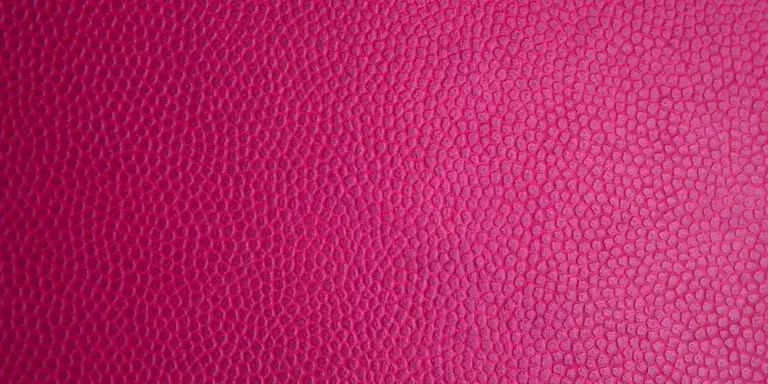
Real leather has a story. You will feel tiny peaks, valleys, and pores. This is the natural grain. No two spots feel exactly the same. It feels warm and alive under your touch, becoming more supple as it absorbs the warmth from your skin.
My English saddle, Mason, is a perfect example. Run a hand over the seat and you’ll feel a landscape. There are smooth, worn areas from years of use and slightly raised, textured patches where the hide’s character remains. It is never perfectly uniform.
Now, feel a synthetic alternative. It often has a uniform, flat smoothness, like a coated plastic. It can feel cool or slightly clammy. The surface might be perfectly even, with a repetitive texture pressed into it that feels artificial to the touch.
To visually inspect the texture, look closely at the surface in good light and gently bend the material to see the grain react.
Follow these simple steps:
- Find a discreet spot, like an inside flap or the back of a strap.
- Look at it in bright, natural light. You are looking for the unique fingerprint of pores and fine lines.
- Gently press and bend the material. On real leather, like the calfskin on June’s jacket, the grain will tighten and become more pronounced, creating a beautiful, natural ripple effect.
- On synthetics or heavily coated leather, the surface pattern will not change much. It may just crease without showing deeper grain movement.
Trust Your Nose: The Scent of Quality Leather
Leather has a soul, and you can smell it. Bring the item close and take a deep breath. Forget the scent of a new car or a department store. Think of a rich, organic, almost earthy aroma. To care for it properly, consider the best general methods for caring and treating leather items. A straightforward routine—clean, condition, and protect—helps preserve its natural character.
This comes from the tannins, whether vegetable or mineral, used to preserve the hide. It’s the smell of oak bark, chestnut, or other natural materials. It is deep and complex.
Brand new items can be tricky. Protective topcoats and dyes can mask the true scent. Let the bag or jacket air out in a well-ventilated space for a few hours to get past any initial chemical or waxy odor from factory finishes. Should any musty odors linger, targeted steps to remove musty smells from leather bags and eliminate odors from leather jackets can help. These techniques pair well with the airing method to keep items smelling fresh.
After it airs, smell it again. A synthetic material will often have a neutral smell, a faint plastic odor, or a overly sweet, artificial fragrance added to mimic leather. Sometimes it smells like nothing at all.
Real leather’s scent evolves. My wallet, Scout, smelled richly of veg-tan leather when new. After three years in my pocket, it has mellowed. It now carries a warm, musky scent that mixes with the traces of its original tanning-a signature no fake material can develop.
To assess the smell properly:
- Smell the interior lining or an unfinished edge, as these areas are less treated.
- Avoid judging an item that has just come out of a scented box or plastic shipping bag.
- Remember, a strong chemical or solvent smell is a red flag for low-quality bonded leather or synthetic material.
The smell is a lasting hallmark. Even when clean, genuine leather retains its distinctive, comforting scent for the life of the piece.
Inspect the Edges and Underside: The Hidden Truth
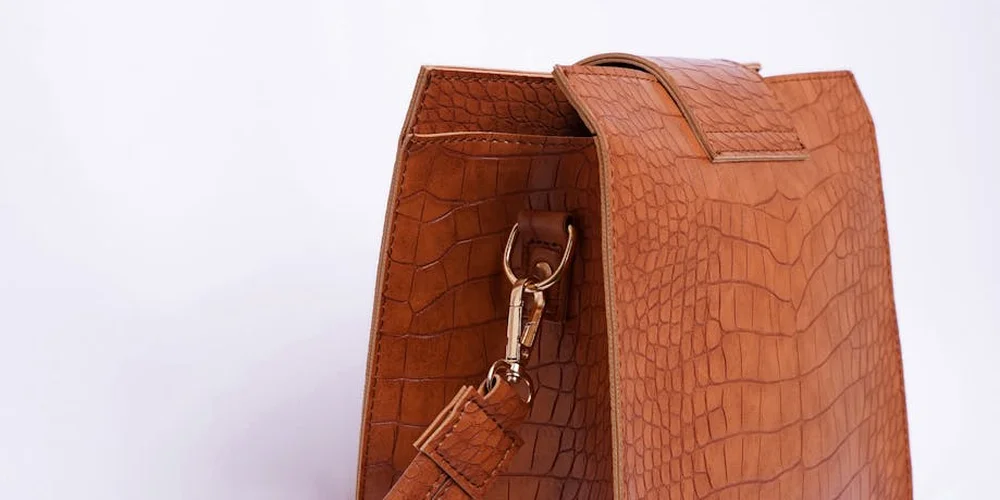
The front of a bag or jacket can be convincing. The real test happens in the hidden places. I learned this early on, repairing everything from Mason’s saddle straps to the lining of June’s jacket. The edges and back never lie.
How to Look at Cut Edges
Genuine leather is skin. When you cut it, you see its layers. Think of the edge of Scout’s wallet. It is not perfectly smooth. It looks and feels fibrous, like pressed cardboard or the end grain of a piece of wood.
Synthetic materials are made all at once. Their cut edges are often perfectly uniform. You might see a clean plastic layer or even a mesh fabric backing peeking out.
Follow these steps to check an edge:
- Find a raw, cut edge. Look where a strap meets the body of a bag, the side of a wallet, or inside a pocket seam.
- Run your fingertip across it. Genuine leather feels slightly rough and porous. Synthetic feels slick and even.
- Look very closely. Use your phone’s flashlight if you need to. You want to see a random, fuzzy texture of natural fibers.
The layered, fibrous edge of real leather is a signature that man-made materials struggle to copy. A common mistake is judging a finished edge. Luxury items often have painted or burnished edges for a polished look. If the edge is shiny and smooth, find an unfinished spot to inspect.
Check the Backside of the Material
Turn the item over. The back of real leather is its flesh side. It is almost always a rough, suede-like texture. On June’s jacket, where the lining has worn, you can feel this soft, napped back.
Artificial materials have a different foundation. The back might be a woven fabric, like canvas, or it could have a uniform plastic coating.
Here is how to examine the back:
- Gently pull back a lining or look inside a pocket. You only need a small area.
- Press the material with your thumb. Real leather will give a little and feel breathable. A synthetic back often feels stiff or shows a perfect grid pattern.
- Notice the smell. Real leather has a distinct, organic scent (like oak bark or rich earth). Synthetics often smell neutral or slightly chemical.
The rough, suede-like back is a clear mark of genuine leather, showing it came from a living animal. People sometimes mistake bonded leather for the real thing. Bonded leather has a back that is usually flat and coated, missing the natural, textured handfeel.
If you are still unsure after these checks, our FAQ on testing material edges and backing offers more detailed methods.
Decode the Markings: Labels, Stamps, and Tags
I always start my inspection here. A label or stamp is the manufacturer’s first clue about what you’re holding. Think of it like the tag inside a shirt. It tells you how to care for it and, often, what it’s made from.
Your first task is to find it. Look in all the usual hiding spots.
- Inside zippered pockets or linings of bags and jackets.
- Stitched directly onto a seam or the underside of a flap.
- On a leather patch or fabric tag attached with a single stitch.
- Even embossed lightly into the leather itself, like on my wallet Scout.
Run your finger over it. A real leather stamp often has a slight indentation you can feel. A printed label on synthetic material might feel perfectly smooth.
What the Markings Mean
Once you find it, read it carefully. Don’t just skim.
A clear “Genuine Leather” statement is your strongest initial sign, but it’s not the only one. Some tanneries are proud of their work and will stamp their logo. A care card that mentions specific leather conditioners or warns against harsh chemicals is another good hint. Plastic or vinyl care tags often point to synthetic materials.
Brands with a reputation for quality, like Coach, Brahmin, and Fossil, typically label their real leather goods clearly and consistently. If you have a piece from them and the label is missing or looks cheaply printed, that’s a red flag.
A Necessary Word of Caution
Here’s the tricky part from my bench experience. A convincing fake label is common. I’ve seen synthetic bags with beautifully stamped “Italia Genuine Leather” tags. They can smell and feel off, but the tag looks right.
Never use the label as your only test. Treat it as one piece of evidence in your investigation. Combine it with the touch and smell tests you’ll learn about next. If the label says leather but the piece feels like plastic, trust your hands.
Your Label-Check FAQ
Let’s answer the questions I hear most often.
What if there is no label or stamp at all? This happens, especially with very old or minimalist items. Don’t panic. It simply means you move directly to examining the material’s texture and pores. My jacket June had a worn-away label, but the leather itself told the true story.
How can I tell if an “authenticity card” is real? Feel the card’s stock. Is it flimsy paper? Luxury brands often use sturdy, textured card. Check the printing quality. Fuzzy text or misaligned logos are warning signs. Remember, a card proves little if the bag doesn’t feel right.
What’s a common mistake? Assuming a high price tag guarantees a real leather label. It doesn’t. Always check for yourself. A simple fix is to keep a small magnifying glass in your drawer. Use it to look for the fine, natural grain pattern in the leather around the stamp, which is hard to fake perfectly.
Consider the Price and Where You Buy
Let’s talk about money. Good leather is not cheap. The cost of a luxury bag or jacket reflects the material itself and the skill to work with it. It’s not just about the price tag; think of it like buying a handcrafted wooden table versus one from a flat-pack store. The price tells a story of origin and effort.
If a price seems surprisingly low for a supposed luxury leather item, it’s a major red flag. A genuine full-grain leather jacket requires a high-quality hide, skilled cutting to avoid flaws, and hours of hand-stitching and finishing. That has a real cost, as explained in this guide on pricing leather jackets.
How to Spot a Pricing Red Flag
Be skeptical of deep discounts on current-season luxury items from unofficial sellers. I see it all the time online. A brand-new, top-tier bag for 70% off retail? The math on materials and labor simply doesn’t work for genuine leather. That usually points to a synthetic substitute or a counterfeit.
Trust your gut: if a deal feels too good to be true on a luxury item, it almost always is, especially where leather is concerned.
Choose Your Source Carefully
The safest way to ensure you’re getting real leather is to buy from authorized retailers or the brand’s own stores. These sources have direct relationships with the makers. For pre-owned items, seek out reputable resellers known for their authentication processes. It’s especially important to be cautious because sometimes even real leather can be mistaken for faux leather.
Buying from unknown online marketplaces or street vendors is risky. The photos might look convincing, but the product that arrives can feel and smell completely different. I’ve had clients bring me “leather” bags from such purchases that were clearly plastic, already peeling at the corners.
What Brand Names Can Tell You
This brings us to questions like, “are all Coach purses leather?” Most established luxury brands are transparent about their materials. A brand’s reputation is built on consistency. They will clearly state “genuine leather” on the tag or in the product description. If the tag only says “man-made materials” or the description is vague, that’s your answer.
Brands develop specific sourcing practices. My jacket, June, is from a maker that only uses calfskin from one region. That consistency is part of what you pay for. Research the brand’s ethos-those committed to leathercraft will proudly detail their hides and tannages.
A Simple Checklist for Your Purchase
- Check the official brand website for authorized sellers.
- Read the product description and materials list carefully. “Genuine leather” must be stated.
- Be wary of prices drastically lower than the brand’s retail price.
- For pre-owned goods, use services that offer verification guarantees.
- When in doubt, contact the brand’s customer service directly with the item’s details.
Your money and your trust are valuable. Investing in real leather means investing in something that, with proper care like I give to Mason or Scout, will last for decades. Protecting that investment starts with buying the real thing from a trustworthy source.
Try a Simple, Safe Hands-On Test
Sometimes, you need to trust your own hands. Labels can be wrong. Price tags can be misleading. When you need certainty, you can perform a couple of gentle, at-home tests. They are not lab-grade, but they offer a good clue. Think of them like a first impression for the material.
I use these methods on pieces I find second-hand or when a finish feels unfamiliar. They are safe if you are cautious and discreet.
The Water Drop Test
This test checks how the material breathes. Real leather is a skin. It absorbs moisture slowly. Most synthetic materials are plastic-based and will resist water.
Here is how to do it correctly.
- Find a hidden spot. Look inside a bag, under a collar, or along an inside seam.
- Use a single, tiny drop of clean water. The tip of your finger is often enough.
- Gently place the drop on the surface and watch for 60 to 90 seconds.
If it is leather, the drop will slowly darken the spot as it soaks in, leaving a slightly damp circle. My saddle, Mason, drinks up water this way. If it is a synthetic, the water will often just sit on top in a bead. It may not darken the material at all.
A word of caution. Some leathers have a heavy protective topcoat. This can make absorption very slow. A painted or patent leather might react more like a synthetic. Use this test as one piece of the puzzle, not the final answer.
The Temperature Test
This is about feel. Take the item from a room-temperature table. Hold it in your palm for 15-20 seconds.
Real leather starts at room temperature but quickly begins to warm from your body heat. It feels neutral, then comforting. Synthetic materials, like PU or vinyl, often feel cooler to the touch initially. They can retain that slightly cool, plastic feel for longer because they do not conduct heat as well.
Leather adapts to you; synthetics tend to stay separate. My jacket, June, always feels like it’s part of me after a moment. A synthetic jacket often feels like it’s resting on me.
Testing With Care
Always be gentle. You are investigating, not conducting a stress test.
- For the water test, one small drop is plenty. Do not pour or rub.
- Always choose the most discreet location possible, like an interior pocket flap.
- If you are in a store examining a new item, you may only be able to do the temperature test. That is okay.
These methods are safe because they are non-destructive and mimic everyday conditions. A tiny, hidden water spot on real leather will dry evenly and vanish. You are not harming a quality piece. Real leather isn’t naturally waterproof, but it does have some water resistance.
Can These Tests Damage My Bag or Jacket?
This is the most common worry. Performed as described, on an inconspicuous area, the risk is extremely low. I have done the water drop test on the inside flap of my wallet, Scout, with zero issue. The key is the amount of water-barely a pinhead-and the location.
If you are nervous, practice first on an old leather belt you know is genuine. See how the water behaves. Feel how the leather warms. This builds your confidence. Your goal is to learn, not to leave a mark.
Listen to How It Ages and Breaks In
Genuine leather lives and changes with you. It develops a story, not just wear. My saddle, Mason, is a perfect example. His deep chestnut color has warmed into a richer, glowing hue over eight years. The creases are soft and supple, like your favorite pair of jeans. Real leather absorbs oils and experiences, developing a unique patina that synthetic materials can never replicate.
Watch how your item bends and folds in the first few months. On a wallet like Scout or a jacket like June, look for gentle, rolling creases in high-stress areas. These should feel smooth to the touch. A quick test is to gently bend the material. Good leather will flex quietly and recover its shape.
To help leather age well, follow a simple care routine every six months or so.
- Clean the surface with a soft, dry brush or cloth to remove dust.
- Apply a small amount of a pH-balanced leather conditioner with your fingers.
- Let it absorb fully for a few hours before you use the item again.
Regular, light conditioning supports the natural aging process, preventing the leather from drying out and cracking prematurely. A common mistake is over-conditioning, which can saturate the leather and mask its natural ability to develop a patina.
The Synthetic Contrast
Synthetic alternatives age differently. They tend to show failure, not character. Instead of soft creasing, you might see sharp, white stress lines. The surface can peel or crack in a way that looks cheap and damaged. I have seen faux leather jackets where the coating flakes off in patches, revealing a plain fabric base.
While genuine leather wears in, many synthetic materials simply wear out, often with irreversible damage like peeling or hairline cracks.
If you are unsure, monitor a high-wear spot over several weeks. On a bag strap or a wallet corner, genuine leather will darken slightly and become smoother. A synthetic piece will often show scuffing where the color rubs off uniformly, or the surface may become sticky or stiff.
Patience as Your Guide
This is a long-term test. If you have owned the bag, jacket, or wallet for a while, think about its journey. Has the color deepened and become more interesting, like Mason’s saddle? Do the folds feel like part of the item’s personality, like the gentle creasing on June’s sleeves?
Use this simple observation over six months to a year. Time is the most honest test; genuine leather improves with age, while synthetics often reveal their limitations without gaining any charm. If your item only shows deterioration like cracking or peeling without any positive change in feel, it is likely not real leather.
For items you suspect are synthetic, adjust your care. Avoid traditional leather oils and conditioners. Clean with a damp cloth and a mild, neutral cleaner. This can help slow down the aging flaws, but it cannot create the beautiful patina of real leather.
Care Instructions Reveal the Material
What a piece needs to stay healthy often tells you exactly what it is. The care routine is the final, undeniable truth. Think of it this way: you wouldn’t use saddle soap on a plastic raincoat. The right care proves the material.
Genuine leather is skin. It gets thirsty, it can dry out and crack, and it needs specific nourishment. My saddle, Mason, gets a dedicated cleaner and a generous helping of conditioner twice a year. That’s non-negotiable for his health. Synthetic materials, like PU or vinyl, are essentially plastic-coated fabric. They don’t absorb oils or conditioners. Their main need is surface cleaning to prevent coating degradation.
The Practical Care Test
If you’re holding an item and the label is gone, you can learn a lot from a simple care test. Always perform this test on a small, hidden area first, like an inside seam or the back of a strap.
- Gather a clean, white cloth and a drop of a pH-balanced leather conditioner.
- Apply the conditioner to a tiny section of the cloth.
- Gently rub it onto the hidden test spot in a small circular motion.
Watch what happens. On genuine leather, the spot will slowly darken as it drinks in the oil, and the surface will feel slightly softer and richer after a few minutes. The conditioner is being absorbed. On a synthetic, the conditioner will mostly just sit on top as a greasy smear. You can wipe it completely away, and the material underneath will look and feel unchanged.
A synthetic alternative might clean up with just mild soap and water. If a brand’s care guide only ever mentions a “damp cloth” or “mild detergent,” and never the words “condition” or “moisturize,” that’s a strong hint you’re dealing with a non-porous, man-made material.
What the Labels Tell You (And What They Hide)
Brand care labels are clues, but you have to read between the lines. “Genuine Leather” should be stated clearly, often with a leather symbol. Vague terms like “Man-Made Material” or “100% PU” indicate a synthetic.
I advocate for transparency. When a brand is proud of its leather sourcing, it will usually say so. Look for mentions of “full-grain,” “vegetable-tanned,” or even responsible sourcing programs. This openness often correlates with better animal welfare practices and a product built to last for decades, not seasons. A jacket like June, made from quality calfskin, came with a tag detailing its tannage. A cheap synthetic jacket rarely does.
The biggest mistake is using the wrong product. Applying a wax-based conditioner to a synthetic bag won’t nourish it; it will create a sticky, dirt-catching film that’s hard to remove. Using harsh chemicals or abrasive cleaners on leather can strip its natural oils permanently.
If you make this mistake, the fix is simple: stop. For synthetics, wipe off the product with a mild soapy damp cloth. For leather, gently clean the area with a dedicated leather cleaner to reset the surface before applying the correct conditioner.
Knowing your material isn’t just about a label. It’s the first, most important step in a lifelong care routine. Your leather wallet, like Scout, relies on you to provide the oils its skin no longer can. A synthetic simply needs you to keep its coating intact. Giving each material what it truly needs is how you guarantee its longevity and preserve your investment.
Spotting Common Imitations in Popular Brands
You can use all the classic checks in a store or on a piece you own. The real test is applying them to specific items you love.
Checking a Pair of Dr. Martens Boots
People often ask, are Doc Martens real leather? The answer is: it depends on the model. Here’s how to tell what you have.
First, find the care tag inside the boot or on the tongue. Genuine leather models are often labeled with a material code like “Smooth Leather” or “Greasy Leather.” If you see “Artificial Leather,” “PU,” or “Vegan,” it’s synthetic.
Next, do the touch and smell test. Real leather Dr. Martens have a distinct, earthy smell. The surface will have a slight, natural grain you can feel-it’s not perfectly uniform. Press your thumb firmly into the leather. Genuine smooth leather from Dr. Martens will show a slight, temporary crease or wrinkle under pressure, which is the pull-up effect.
A common synthetic alternative for brands is a coated split leather or plastic. These feel plasticky, don’t crease as naturally, and lack that rich scent.
Inspecting a Fossil Bag or Wallet
Brands like Fossil use both genuine and synthetic materials. Your inspection needs to be thorough.
Start with the grain. Turn the bag under good light. Real leather grain is unique and inconsistent-like a fingerprint. A repeating, perfect pattern is a sign of stamped synthetic or corrected-grain leather. There are different types of leather, and recognizing which one you’re dealing with helps you identify, clean, and restore it properly. This awareness also guides the care methods for each type. Run your fingers across it. Real leather should feel warm and slightly textured, not cool and flawlessly smooth.
Check the edges of straps and panels. High-quality leather items often have painted or burnished edge finishes. Frayed fabric edges or a rough, unfinished look can indicate a lower-quality split leather or a bonded material.
Examine the stitching. On a genuine leather bag, stitches will sink slightly into the material. On a stiff synthetic, stitches might sit perfectly on top. Remember my wallet, Scout? Its stitches are embedded in the veg-tan leather, a sign of the real thing.
Understanding Mixed Materials in Luxury Goods
It’s normal for even a high-end bag to have synthetic parts. The key is identifying the main material.
Interior linings, pocket bags, and decorative trim are often made from polyester, nylon, or microfiber. This is for durability, weight, and cost. The question, are Dana Buchman purses leather? is a perfect example. The exterior body might be beautiful pebbled leather, while the interior is a branded cloth.
Your focus should be on the primary structural parts: the outer body, major straps, and handles. Apply the smell, bend, and grain tests there. If those key areas pass, you have a leather-centric item. Don’t be alarmed by synthetic linings; they’re typical.
A simple fix for confusion is to check the manufacturer’s material description online or on the official tag. Legitimate brands are required to list primary materials. If it just says “Man-Made Materials” or “Polyurethane,” you have your answer.
Common Questions
How can I safely perform a water test without risking damage?
Use a single droplet on an inconspicuous area, like an inside seam. Genuine leather will darken as it absorbs; synthetics bead up, and you can safely blot them away without harm.
What do terms like “Full-Grain” or “Bonded Leather” on a label actually tell me?
“Full-Grain” means the top layer with natural markings, prized for durability. “Bonded Leather” is shredded hide mixed with adhesive, often prone to peeling and should be cleaned gently, never conditioned.
If an item uses both leather and synthetic materials, how do I spot the difference?
Focus on structural areas like straps and main panels for leather’s porous edges and natural scent. Synthetic linings are common; condition only the leather parts to avoid damaging non-porous sections.
How can a care label clue me in to whether something is real leather?
Look for instructions to “condition” or “moisturize,” which point to porous leather. Tags that only mention wiping with a damp cloth typically indicate a synthetic material that won’t absorb oils.
Trusting Your Senses with Leather
The most reliable way to identify leather is to use all your senses together. Check the back for suede or fibers, feel for warmth and natural grain, and trust your nose for that distinct, earthy scent. A label reading “genuine leather” is a start, but your hands and eyes are the final judge.
Choosing real leather means choosing a material that lasts for decades with proper care. As it ages with time and use, you begin to understand patina. Care reveals the character of fine leather goods. I believe caring for a well-made leather item is a practice in sustainability, honoring the craft and the animal by ensuring nothing goes to waste.
References & External Links
- How to Spot Fake Leather: 4 Simple Steps | Buffalo Jackson
- r/Leatherworking on Reddit: How to tell it’s real leather and faux leather?
- How To Tell if Leather Is Real – Von Baer
- How to Identify Genuine Leather: 5 Steps – Moonster Leather Products
- Real Leather vs. Faux Leather Upholstery – Furniture Fair | Cincinnati | Dayton | Louisville | Indianapolis
Harriet is a avid collector of leather goods such as purses, bags, seat covers, etc and has an extensive background in leather care, recovery, stain removal and restoration. She has worked for a number of years perfecting her leather care techniques and knows the ins and outs of restoring all kinds and types of leather products. With her first hand knowledge in leather care, you can not go wrong listening to her advice.
How to Spot Test New Products