How to Remove Pen Stains from Suede: A Practical Guide
Published on: March 2, 2026 | Last Updated: March 2, 2026
Written By: Harriet Nicholson
Hello Tannery Talk. You just found an ink mark on your suede shoes or jacket. I understand that sinking feeling, but from my workbench, I can tell you most stains are manageable with care.
This article will walk you through how to assess the stain, prepare your suede, use gentle household cleaners, and know when to call a professional.
I’ve spent years restoring leather goods, from ink spots on June’s jacket to scuffs on Mason’s saddle, so you’re in good hands.
Why Ink Stains on Suede Are Such a Headache
Think of suede like a soft, thirsty sponge. That beautiful nap, the fuzzy surface you love to touch, is made of countless tiny fibers. When ink touches it, it doesn’t sit on top. It wicks down into those fibers instantly, spreading out in a tiny bloom. It sets fast.
In a moment of panic, your first instinct might be to rub at it with a wet cloth. This is the most common mistake. Rubbing grinds the ink deeper and can mat the delicate nap permanently. Using plain water can spread the liquid ink and leave a water stain ring that’s as noticeable as the original mark.
Take a deep breath. I’ve gotten pen out of suede jackets and boots many times, and the key is to work gently and blot, never scrub. With calm and correct steps, you can often lift the stain right out (especially if you know how to treat stains on suede shoes or boots).
What You’ll Need: Your Suede Stain-Fighting Kit
Before you touch the stain, gather your tools. Being prepared keeps you from rushing.
Essential Tools
- A suede brush or a suede eraser. The brush has stiff brass and nylon bristles to lift the nap after cleaning. The eraser is a rubbery block for gently abrading surface dirt and dried stains.
- Clean, white, lint-free cloths. Old cotton t-shirts work perfectly. The color white lets you see the ink you’re lifting.
- Cotton swabs for precise application.
- A soft-bristled brush, like a clean, dry toothbrush. This is for gentle agitation.
Household Solutions to Test
You might already have a stain fighter at home. Different inks react to different solutions.
- Rubbing alcohol (90%+ isopropyl): This is often the first thing I try on fresh ballpoint pen ink. It acts as a solvent.
- White vinegar: A mild acid that can break down some stains. It’s less aggressive than alcohol.
- Cornstarch or talcum powder: For a fresh, wet stain, this can help absorb the ink before it sets.
- Aerosol hairspray (with alcohol): An old trick. The alcohol in it can work like rubbing alcohol. Test this carefully, as the other ingredients can be sticky.
Aftercare is Non-Negotiable
Any cleaning process dries out suede. You’ll need a specialized suede cleaner for general upkeep and a suede conditioner or protector spray to restore moisture and guard against future spills.
The golden rule: every single one of these items, even water, must be tested on a hidden spot first, like inside a seam or on the tongue of a shoe. Dab a tiny bit, let it dry, and check for color change or texture damage. This two-minute step saves you from heartache.
The Golden Rule for Fresh Ink Stains: Act Fast and Stay Dry
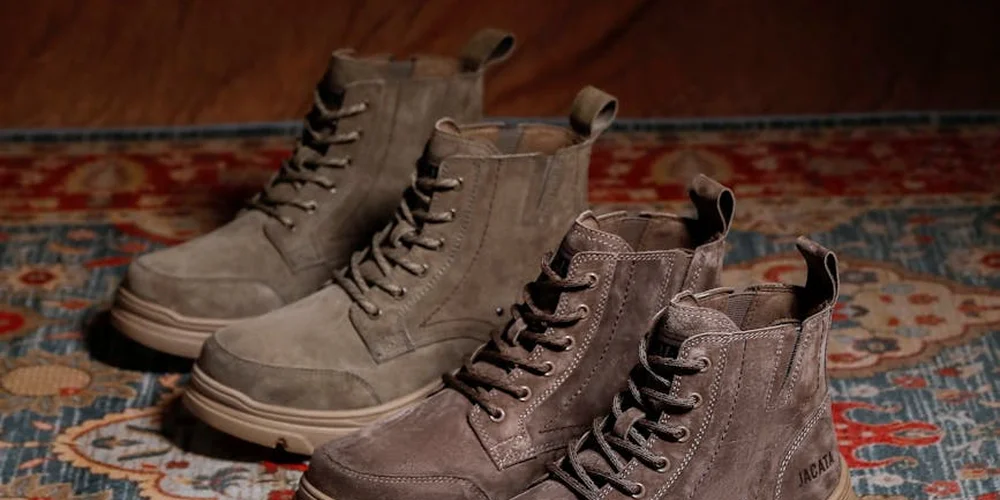
Picture this: a pen rolls off a desk and onto the toe of your favorite suede boot. Your first instinct might be to grab a wet cloth. Resist it. For a fresh ink stain, speed is your best friend, and water is your enemy.
Think of it like a wine spill on a tablecloth. If you rub at it, you grind the pigment deeper into the fibers. If you pour water on it, you help it spread. Your only job right now is to lift away as much of the liquid ink as possible before it sets.
Your Immediate Action Plan
Here is exactly what to do in the first sixty seconds after the accident. I have used this sequence on everything from a spot on June’s jacket cuff to ink on a suede bag.
- Grab a clean, dry, absorbent cloth. A cotton rag, a paper towel, or even the clean inside of your t-shirt sleeve will work.
- Gently place it over the stain. Do not press down hard yet.
- Blot with a light, tapping motion. This is the most important step. You are trying to wick the wet ink up into the cloth, not smear it around the suede.
- Use a fresh section of cloth for each blot. As soon as you see ink transferring, move to a clean spot. This prevents you from putting ink back onto the material.
- Continue until no more wet ink transfers. You will likely still see a stain, but you have stopped it from getting worse.
Blotting on suede feels like lightly dabbing powder off a surface; if you feel the nap of the leather pushing under your finger, you are using too much pressure.
Why “Never Rub” is the Law
Suede is delicate. Its soft, raised nap is like the grass in a lawn. Rubbing is like grinding your heel into that grass-it flattens and damages the fibers permanently. A blotting stain might lighten with proper treatment. A rubbed stain often becomes a permanent, discolored, matted patch.
I learned this early on. Rubbing a small ink spot on a suede keychain turned it into a dark, rough scar. Blotting a similar spill on a different project left a faint mark I could later address. The difference was night and day.
When to Move to the Next Step
Your blotting is done when the cloth comes away clean and the spot is dry to the touch. The stain may still be very visible. That is okay. You have successfully contained the problem. Now the fresh, wet ink stain has become a dry, set stain, which requires a different approach. The key victory is that you did not let it soak deeper or spread.
Take a breath. The most urgent, critical phase is over. Working on dry, set stains requires specific cleaners and brushes, but because you acted fast and stayed dry, you have given your suede item its best possible chance.
How to Clean Dried Ink Off Suede Without Damaging It
Finding a dried ink stain can make your heart sink. The good news is that it is not hopeless. A dried stain requires more patience than a fresh one, but the right approach can still save your suede. I have revived a suede notebook cover with a week-old ink blot using this method.
The key is to work in gentle, controlled layers. You will lift what you can from the surface first before attempting to treat what has soaked in deeper.
Step 1: Lift the Surface Stain
Your first goal is to break up the dried ink on the surface of the suede nap. Do not reach for liquid yet. Start with the gentlest tools.
- Use a suede eraser or a clean, soft-bristled brush like a suede brush or even a clean toothbrush.
- Gently brush the stained area in one direction to raise the nap and dislodge surface particles.
- Follow up by gently rubbing a suede eraser over the stain. Use short, light strokes.
You will likely see a faint cloud of ink dust come away, which is a positive sign that you are making progress without forcing the stain deeper.
Step 2: Apply a Solvent with Care
If a dry clean has improved the stain but not removed it, you can carefully use a solvent. Isopropyl alcohol (rubbing alcohol) is a common and effective choice for breaking down ink. These same approaches apply to common leather stains from ink, wine, and oil-based solutions, helping you tailor a safe treatment for each type.
- Dampen a cotton swab with a small amount of rubbing alcohol. Do not soak it.
- Gently dab the stained area. Do not rub or scrub. You are letting the solvent work, not the friction.
- You should see ink transferring to the swab. Use a clean part of the swab or a new one as it gets dirty.
- Allow the area to dry completely. You may see a slight “water ring” while wet; this usually fades as it dries.
A common mistake is using too much liquid, which can spread the stain or leave a harsh ring. If the stain is large, work on a small section at a time, letting it dry between applications.
Considerations for Suede Boots and Footwear
Cleaning suede boots follows the same steps, with a couple of extra thoughts. Boots often face harsher conditions, and the stain might be ground in. Stain removal from suede can be tricky, especially for boots that are exposed to rougher environments.
- Before you start, stuff the boots with clean, dry towels or paper to help them hold their shape and absorb any excess moisture from cleaning.
- Pay close attention to seams and stitching. Be extra gentle here, as vigorous brushing or dabbing can damage threads or push ink into stitch holes.
- After the stain is treated and the boot is fully dry, remember to restore the nap. Gently brush the entire area with a suede brush to bring back the uniform, velvety texture.
Patience is your most important tool with dried stains. Rushing the process is how good suede gets damaged.
Step-by-Step: Removing Pen from Specific Suede Items

Every suede item has its own personality and construction. A boot isn’t cleaned the same way as a delicate jacket flap. Here is how to tackle ink on different pieces, respecting what makes each one special.
How to Get Ink Out of Suede Shoes and Boots
Boots and shoes take a beating. They have seams, eyelets, and soles that can trap ink. Good, direct light is your best friend here. It helps you see the suede’s nap and catch every bit of the stain.
A common question is whether you can use rubbing alcohol on suede shoes for ink. You can, but with extreme caution. It’s a strong solvent that can strip color and dry out the leather. I only use it as a last resort for a fresh, stubborn ballpoint stain, applied with a precise cotton swab. For most cases, a neutral suede cleaner is safer. It’s important to be gentle, especially when treating leather for pen stains.
- Remove the laces. Clean them separately with a dab of mild soap and water, then let them air dry flat.
- Stuff the shoe with a clean towel or shoe tree. This maintains its shape and absorbs any moisture from cleaning.
- Gently brush the entire shoe with a suede brush or clean toothbrush. This lifts the nap and can sometimes dislodge surface ink.
- Test your chosen cleaner (eraser, vinegar solution, or neutral cleaner) on a hidden spot, like inside the ankle.
- Apply the cleaner to the stain using a dabbing motion, working from the outside in. Never scrub in circles.
- Let the area dry completely away from direct heat. This can take a few hours.
- Once dry, brush the entire shoe vigorously with a suede brush to restore the uniform, velvety texture.
After the ink is gone, your job isn’t finished. Let the shoes rest for a full 24 hours, then apply a suede-safe water and stain repellent. This re-establishes their first line of defense for the next adventure.
How to Get Pen Off a Suede Jacket or Blazer
Cleaning a jacket is about preserving its drape. You never want to soak a large area, as it can cause water spots or shrink the lining. Always check the manufacturer’s care label first for any specific warnings.
Think of my jacket, June. She has zippers, pocket flaps, and areas of soft creasing from wear. You must work around these details carefully.
- Lay the jacket perfectly flat on a clean table. Place a folded towel inside the jacket under the stain to absorb moisture and prevent bleed-through to the lining.
- Use a suede eraser first. Gently rub it back and forth over the ink mark. For a stain on a crease, use the edge of the eraser to follow the fold’s line.
- If the eraser isn’t enough, use a minimal amount of white vinegar on a cotton swab. Dab, don’t pour. The goal is to dampen only the stained fibers.
- Blot immediately with a clean, absorbent cloth to pull the ink and moisture out.
- Let it air dry flat. Do not hang it while wet, as the weight of the water can stretch the suede.
- Once bone dry, use a suede brush to gently blend the cleaned area with the surrounding nap. Brush in one direction following the grain.
For light wear areas near a stain, a very light brushing with a specialized suede conditioning brush after cleaning can help blend and revive the fibers without using additional products.
How to Clean a Ballpoint Pen Mark from a Suede Purse or Bag
The approach depends on your bag’s structure. A stiff, structured bag can handle a bit more localized pressure. A soft suede pouch needs a lighter touch to avoid distorting its shape. Always be mindful of interior linings; protect them with a dry cloth inserted into the bag.
- Empty the bag completely. Check interior pockets for stray pens that caused the leak.
- Support the bag’s shape. For a structured tote, use bubble wrap or towels. For something soft, gentle hand pressure from the inside is enough.
- Follow the same eraser-to-vinegar process used for jackets, always dabbing lightly. On a hard-edged stain on a smooth panel, you can use a pencil eraser for more precise control.
- Drying is critical. Stuff the bag with white tissue paper or clean, dry towels to help it hold its perfect shape as it dries. Reshape it gently with your hands.
- Allow it to dry for at least 24, sometimes 48 hours, in a well-ventilated room. Patience prevents stiffness or wrinkles.
Think of it like caring for a piece like Scout the wallet, but larger. The principles of gentle, localized cleaning and patient, shaped drying protect the item’s form and function for the long term.
Household Heroes vs. Specialized Suede Cleaners
Ink on suede feels like a minor emergency. Your first thought is often to grab what you have at home. That can work, but knowing the limits of a household remedy prevents a bigger problem.
Let’s compare your kitchen cabinet options to the solutions made specifically for this delicate job.
The Kitchen Cabinet Approach
Common items like rubbing alcohol (isopropyl alcohol) or white vinegar are popular fixes. They work by breaking down the dye in the ink.
For a small, fresh ink spot, a careful application of rubbing alcohol is a valid first attempt.
Common Household Options
| Product | Best For | Key Caution |
|---|---|---|
| Rubbing Alcohol (70%+) | Fresh ballpoint pen ink. It evaporates quickly. | Can strip natural oils, leaving a stiff, faded patch if overused. |
| White Vinegar | As a mild, acidic cleaner after other steps. It can help lift residue. | Its acidity can alter the pH of the leather. Always dilute with water. |
| Pencil Eraser | Very light, surface-level scuffs or ink touches. | Only for the nap. Aggressive erasing will burnish and flatten the suede. |
How to Try a Household Method
- Test First. Dab a tiny amount on a hidden seam or inside tag. Check for color change or texture damage.
- Use a clean, white cloth. Dip a corner in your chosen cleaner (use vinegar diluted 1:1 with water).
- Blot the stain gently. Do not rub. You are trying to pull the ink out, not grind it in.
- Let the area dry completely. The true color and any damage will only be visible once dry.
- Brush the nap gently with a suede brush to restore texture.
If the stain is gone and the suede looks unharmed, you are lucky. If the stain remains or the spot looks dry and discolored, stop. You need a different strategy. Different types of stains require different treatment.
The Specialized Solution
A dedicated suede cleaner or ink eraser is formulated for this exact purpose. I keep one in my kit for pieces like my friend’s suede bag, a material far more temperamental than June’s jacket.
Specialized cleaners are designed to target stains without destroying the delicate oils and dyes that give suede its color and handfeel.
- Pro Potency: They contain emulsifiers and solvents that break down ink effectively.
- Pro Safety: They are pH-balanced for suede and nubuck to minimize the risk of permanent discoloration.
- Con Cost: They are an extra purchase, not a household staple.
- Con Accessibility: You usually need to plan ahead and buy one.
Your Questions, Answered
Can you use rubbing alcohol on suede for ink stains?
You can attempt it on small spots. The risk is high. Alcohol is a harsh solvent. It will dry out the leather and can permanently leach color, leaving a faded, brittle patch. It is not my first recommendation, especially when there are safer methods for removing ink stains from leather.
Is white vinegar safe?
Diluted, it is safer than alcohol for a final cleaning pass, but it is not a powerful ink remover on its own. Think of it as a mild rinse agent, not a primary stain fighter.
What household products remove ink?
Rubbing alcohol is the most cited. Some suggest hairspray (due to its alcohol content) or a paste of baking soda and water. I avoid these. Hairspray adds other chemicals, and baking soda paste is difficult to fully remove from suede’s texture.
Choosing Your Path: A Simple Guide
Follow this logic to decide which tool to use. It saves time and protects your leather.
- Assess the stain. How large is it? Is it fresh or set-in?
- For a tiny, fresh dot: Try the careful rubbing alcohol method, but only after testing. Be prepared to stop.
- For anything larger, older, or after a failed home attempt: Use a specialized suede cleaner. Follow the product’s instructions exactly.
- In all cases: Work gently, blot never rub, and allow for full drying time between steps.
The goal is a clean piece of suede, not a battle scar. Starting gentle and knowing when to call in the right tool is the craft of care.
Knowing When It’s Time to Call a Professional
Sometimes, the bravest thing you can do for a piece is to admit you need help. I learned this with June, my calfskin jacket, after a stubborn oil stain. My gentle home methods just weren’t enough. Recognizing the limits of DIY care protects your item from accidental damage.
Spotting the Red Flags
If you see any of these signs, stop and consider professional help.
- Large or Set-In Stains: A big ink blot or a mark that’s been sitting for weeks is a different beast than a fresh, tiny dot. The ink has likely penetrated deep into the fibers.
- Colored or Delicate Suede: Light pink, baby blue, or pastel suede is incredibly tricky. A neutral cleaner safe for dark brown might strip or discolor a delicate dye. The same goes for very thin, fragile suede.
- Failed Careful Attempts: You followed the steps perfectly with a suede eraser and a gentle cleaner, but the stain persists or looks worse. This is your cue to stop.
Pushing further on your own risks setting the stain permanently or damaging the suede’s soft nap beyond easy repair.
What a Professional Cleaner Can Do
Think of a specialist as having a broader, more precise toolkit. Where we at home use general suede cleaners, they have access to specialized solvents and techniques.
They can often perform a process called “spot cleaning.” This targets the ink stain directly with a stronger, specific solvent that breaks down the dye without soaking and potentially harming the surrounding material. Their real skill is in the restoration. After cleaning, they use specialized brushes and steam to carefully re-lift and re-texture the suede’s nap, blending the cleaned area back into the rest of the piece.
Can a Professional Really Clean Ink from Suede?
Yes, absolutely. A reputable leather and suede care specialist can successfully remove ink stains from leather in most cases. They see problems like this every day. Pen marker ink on leather—whether it’s a sofa, chair, or car seat—can be stubborn, but there are reliable removal options worth exploring.
The caveat is that success isn’t 100% guaranteed. The outcome depends on the ink type, how long it set, and the suede’s original dye stability. A good professional will be honest about the risks and probable outcomes before they start any work. They might tell you they can make a significant improvement, even if a ghost of the stain remains.
Finding a Specialist You Can Trust
Not all dry cleaners are equal. You need someone who specifically advertises expertise in leather and suede. Here is how to find them.
- Search for “suede restoration” or “leather cleaner” in your area, not just “dry cleaner.”
- Check online reviews and look for photos of their work on suede bags, shoes, or jackets.
- Call and ask questions. A trustworthy specialist will ask you detailed questions about the stain and the item.
- Ask about their process. They should explain it in a way you understand and be clear about pricing and timelines.
The right professional views your item as a unique project, not just another thing to be cleaned. They will share your goal of preserving the life and look of your cherished suede piece.
After the Stain: Restoring and Protecting Your Suede
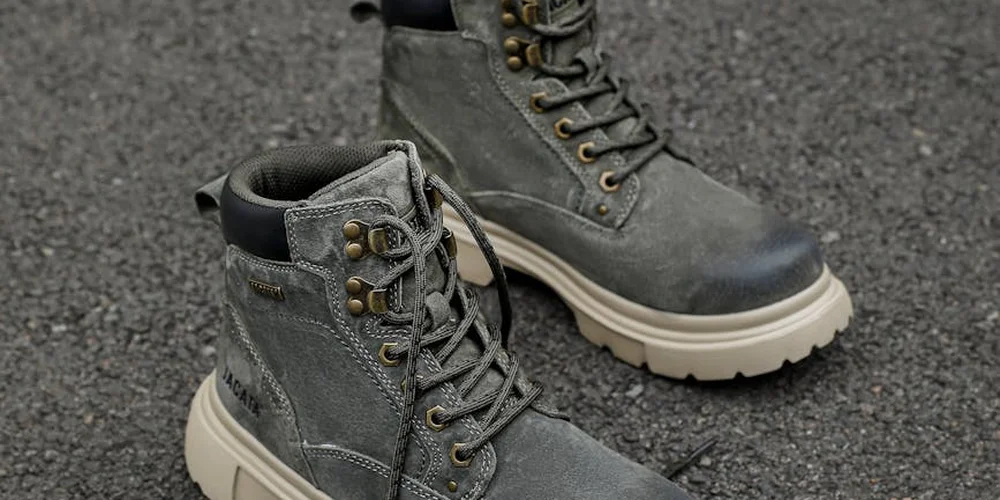
The stain is gone. Now, let’s bring your suede back to life. This part is about restoring its look and building a little defense for the future.
Bringing the Nap Back to Life
After cleaning, especially with any liquid, the suede’s surface fibers will look flat and matted. This is normal. Your goal is to revive that soft, velvety texture. A proper suede brush is your best friend here. Its bristles are made to lift and align the tiny fibers, or “nap,” without damaging them.
Brush with the grain of the suede in one consistent direction to gently fluff and raise the fibers back up. You are not scrubbing. You are coaxing. Think of it like smoothing the hair on your head. Go against the grain, and you’ll just tangle and rough up the surface. Take your time. As the suede dries completely, you may need to brush it a few times to get the full, uniform texture back.
Applying a Protective Barrier
Once your suede is clean, dry, and brushed, consider a protector spray. This isn’t a magic shield, but it adds a water and stain-resistant barrier. It makes future spills bead up on the surface, giving you precious time to blot them away before they become stains.
- Work in a well-ventilated area.
- Hold the can about 6 inches from the material.
- Apply a light, even coat over the entire surface. Do not soak it.
- Let it dry completely, following the product’s instructions. A second light coat is often recommended for full coverage.
Always test the spray on a small, hidden area first, like an inside seam. Use a water-based suede protector designed for the material. A spray meant for smooth leather can discolor or stiffen suede.
The Best Maintenance is Simple and Gentle
For suede, the best care is preventative. A regular, gentle brushing with a proper suede brush keeps dust and dirt from settling in and crushing the nap. I give my suede pieces a quick once-over with a brush after every few wears. It takes less than a minute.
This regular brushing is like giving a favorite piece a little love; it prevents big problems and keeps it looking its best with minimal effort. If a spot gets a little damp, let it air dry away from direct heat, then brush it. Store suede in a cool, dry place with good air circulation, never in a plastic bag.
The Joy of Preservation
Taking these steps to rescue and protect suede connects you to the life of the item. That ink stain becomes a story, not a ruin. Every careful brushstroke honors the craft that went into making it. At Tannery Talk, we believe well-made leather and suede goods are meant to be used, loved, and preserved. The slight variations in texture and color from your care don’t diminish the piece-they prove its history and your commitment to keeping it in your world for years longer.
Common Questions
Can you use rubbing alcohol on suede for ink stains?
You can, but with high risk. Use it only on a tiny, fresh spot with a cotton swab after testing, as it can strip color and dry the leather severely.
What is the absolute best way to clean ink from suede?
There is no single “best” way; the correct method depends on the stain’s age and size. Always start by blotting fresh stains dry, then use the gentlest tool first, like a suede eraser, before considering any liquid.
Is white vinegar a safe choice for ink on suede?
Diluted vinegar is a mild option for a final cleaning pass, but it is not a strong ink solvent. Always dilute it with equal parts water and test it on a hidden area first to check for colorfastness.
How do I handle a fresh ink stain before I can properly treat it?
Your only job is to blot, never rub, with a clean, dry cloth to absorb all wet ink. This critical step prevents the stain from setting deeper and makes the subsequent cleaning process far more effective, especially when dealing with pen, marker, or ballpoint ink stains on leather.
Is it worth taking my item to a professional for an ink stain?
Yes, for large, set-in, or colored suede stains, or if a careful DIY attempt fails. A specialist has specific solvents and techniques to treat the stain and professionally restore the nap, which is often worth the cost for cherished items.
Keeping Your Suede Looking Its Best
The best chance you have against a fresh ink stain is to act fast with a gentle touch. Always test your cleaning method in a hidden spot first, especially when treating marker stains on suede, because patience protects the delicate suede nap more than any harsh chemical ever could.
Caring for leather goods well makes them last for years, which is the most sustainable choice you can make. I build my skills one careful repair at a time, and I encourage you to see each cleaning challenge as a chance to learn more about the material you own.
Research and Related Sources
- r/CleaningTips on Reddit: How do I get pen out of suede? 😅 Original 2024 masterpiece, courtesy of my toddler
- How To Remove A Pen Stain From Suede – Hunker
- Remove INK From Suede! : 5 Steps (with Pictures) – Instructables
Harriet is a avid collector of leather goods such as purses, bags, seat covers, etc and has an extensive background in leather care, recovery, stain removal and restoration. She has worked for a number of years perfecting her leather care techniques and knows the ins and outs of restoring all kinds and types of leather products. With her first hand knowledge in leather care, you can not go wrong listening to her advice.
Removing Ink and Marker