Leather Conditioner vs. Waterproofing Spray: Which One Does Your Leather Need?
Published on: October 17, 2026 | Last Updated: October 17, 2026
Written By: Harriet Nicholson
Hello Tannery Talk. You’re staring at your favorite leather bag or boots, wondering which bottle on the shelf will actually help it. You don’t want to guess wrong.
This guide will show you the simple difference. We will break down what each product does, when your leather truly needs one or the other, and how using both can work together.
My advice comes from years spent conditioning, cleaning, and restoring pieces like my trusty saddle, Mason, and my daily jacket, June.
What Leather Conditioner and Waterproofing Spray Actually Do
Think of these two products like tools for different jobs. Using one when you need the other is like trying to fix a squeaky hinge with paint. A clear comparison stops this mistake before it happens.
Leather conditioner is a nourishing oil that soaks into the leather fibers, much like lotion for dry skin. It feeds the material from within. In scientific terms, conditioners interact with the collagen in leather fibers, influencing strength and flexibility. This relationship informs how conditioners are formulated.
Waterproofing spray is a protective layer that sits on the surface, acting like a thin, invisible raincoat. It shields the material from the outside.
The core purpose is simple. Conditioner restores lost flexibility and prevents cracking. Spray repels water, oil, and stains. One is food, the other is armor.
| Leather Conditioner | Waterproofing Spray |
|---|---|
| Penetrates deep into the hide | Sits on top of the surface |
| Replaces lost oils & fats | Creates a water-repellent barrier |
| Prevents drying & cracking | Prevents liquid & stain absorption |
| Changes leather feel (softer) | Minimal change to leather feel |
Feeding the Hide: How Conditioner Works
Leather starts as a skin full of natural oils. Sun, heat, and time pull those oils out. Conditioners are made to replace them. They are blends of oils, waxes, and sometimes lanolin that soak right into the fibers. This is driven by the science of oils and waxes penetrating the fiber to replace lost moisture. Together, they form a protective layer that helps the hide resist drying and wear.
The result is leather that feels alive in your hands again. It becomes softer and more supple, bending easily instead of fighting you. This flexibility is what resists cracking. My old English saddle, Mason, gets a coat of conditioner every season. It always drinks it right up.
Conditioning will often slightly darken the leather, a sign the oils are soaking in, but this color change usually evens out as it dries. On Mason’s chestnut hide, it just deepens his well-earned patina. If you’re worried, always test on a small, hidden spot first.
Shielding the Surface: How Waterproofing Works
Waterproofing sprays, sealants, and creams work by laying down a microscopic barrier. Think of it as a shield of tiny umbrellas. This barrier does not moisturize. It only deflects.
When water hits a properly treated surface, it beads up and rolls off instead of soaking in. This also works against accidental spills like coffee or oil. It’s perfect for my jacket, June, on a drizzly day.
This shield is not a permanent fix, it wears off with friction, cleaning, and time. You need to reapply it, especially on high-wear areas like boot toes or bag straps. Applying it to bone-dry, unconditioned leather is a common mistake. The armor needs a healthy base to protect.
The Simple Choice: Restore Your Leather or Shield It?
This is the only question you need to answer. Your goal decides your product. Are you fixing the leather itself, or guarding it from the world?
Restoration is for health. Shield it from external threats. A stiff, cracking leather bag that’s been in storage needs conditioner to bring it back to life. A new pair of rugged boots you plan to wear in the rain needs a waterproofing treatment from the start.
So, ask yourself: Do I want to restore or protect? Often, the answer is both, but in the right order. You always nourish the leather first with conditioner, then apply the protective spray shield after it has fully dried. This two-step process ensures your leather is healthy *and* defended, ready for whatever comes next. That also covers how to properly clean, condition, store, and maintain your leather jacket to protect its look and durability. Keep this routine and your jacket stays timeless and ready for the next adventure.
Ask Yourself These Questions to Choose Right
Forget complicated charts. Grab your leather item and run through this simple, personal checklist. The right choice becomes clear when you focus on your specific piece and your life.
What Kind of Leather Do You Have?
Your first question is the most important. Think of leather like skin. Different types have different needs.
- Full-Grain or Top-Grain: This is the tough, smooth leather on my saddle Mason or June’s jacket. It has a tight grain and loves conditioner. It can handle most waterproofing sprays meant for smooth leather.
- Suede or Nubuck: This is the velvety, brushed surface. It is delicate. You never use a standard leather conditioner on it. You will ruin the nap. These materials need special spray cleaners and protectors made just for them.
Always know your leather type before you buy any product; using the wrong one can cause permanent damage.
How Does Your Leather Feel and Look?
Hold your item. Bend it gently. Look closely.
- Does it feel stiff, like it might creak? Does the surface look dusty, pale, or thirsty?
- Can you see tiny white lines or cracks starting in the creases?
These are all signs of dryness. My wallet Scout gets this way if I forget it for a season. Dry leather is thirsty leather.
Conditioner is your first and most important step if your leather is dry, stiff, or showing early cracks. Conditioner is especially important for restoration. Nourish the leather first. A well-conditioned piece is more resilient on its own.
Where and How Will You Use It?
Be honest about your lifestyle. This decides everything.
- Is this an indoor item like a sofa, belt, or decorative bag? Its main threat is dust, sunlight, and drying out from indoor heat. Conditioner is your hero here. Waterproofing is almost never needed.
- Is this an outdoor warrior like daily boots, a work bag, or a hiking satchel? It faces rain, snow, mud, and salt. A waterproofing spray creates a crucial shield.
Think of my saddle Mason. He lives in a barn and gets ridden in fields. He needs a heavy-duty conditioner for the leather’s strength and a waterproofing treatment for rainy rides. A spray alone wouldn’t keep him from drying and cracking.
For outdoor items, plan to reapply waterproofing spray every few months, as wear and weather break down the protective layer. The conditioner underneath lasts much longer.
Caring for Your Favorite Leather Items
Let’s make this concrete. Here is how I care for different pieces, focusing on the feel and longevity you want.
Jackets and Coats Like June
You want that jacket to stay supple, to drape perfectly, and to develop a soft, personal crease pattern-its patina. Conditioner is key for this. It feeds the calfskin or lambskin, keeping it from becoming brittle and stiff.
I condition June at the start and end of each wearing season. I use a light, pH-balanced cream conditioner, working it into the leather with my fingers. I let it absorb overnight.
For a leather jacket, a light waterproofing spray is only for those who are consistently caught in downpours. If you are a daily bike commuter in a rainy city, a single, light spray at the season’s start can help. For most, regular conditioning provides enough protection for occasional weather.
Boots, Shoes, and Adventurous Gear
Footwear is where waterproofing earns its keep. Boots face puddles, road salt, and mud directly. A quality spray forms a barrier that beads up water, giving you time to wipe it away before it soaks in.
But here is the common mistake: only using spray. The leather underneath still dries out from friction, sweat, and the elements. You must condition it too.
The best practice is a simple two-step rhythm: clean, condition, then protect. After brushing off dirt, apply a dedicated leather conditioner to the entire boot, especially the flex points. Let it absorb fully. Then, apply your waterproofing spray in a well-ventilated area. This combo keeps the leather strong *and* shielded.
Bags, Wallets, and Daily Carriers
Think about your favorite bag’s handfeel. You want that smooth, slightly waxy texture that softens with age. You want a rich, dark patina to develop, like on my veg-tan wallet Scout. This comes from the oils and waxes in conditioner, not from a plastic-like sealant.
Condition these items every 4-6 months. Use a small amount of a neutral leather balm. Rub it in, let it sit for an hour, then buff it with a soft cloth. The leather will glow and feel nourished.
Waterproofing a daily bag or wallet is usually unnecessary unless it is your constant companion in very wet climates. The conditioner provides a good degree of natural water resistance. A spray can sometimes alter the leather’s natural look and feel, which is the main joy of a great bag.
How to Apply Leather Conditioner, Step by Step
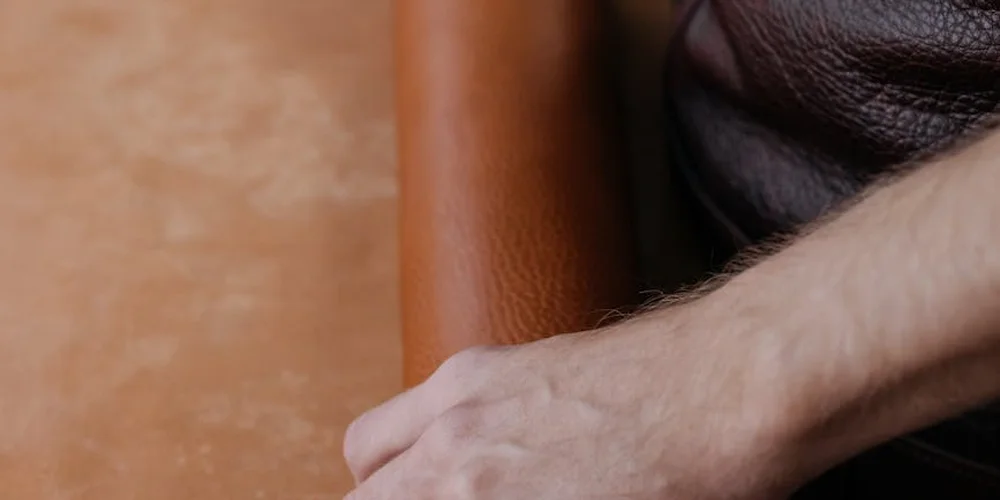
Think of this as a spa treatment for your leather. It’s a quiet, hands-on process that feels less like a chore and more like caring for an old friend. With a little patience, you’ll see the leather relax and glow.
The right steps prevent the common mistake of trapping dirt or creating a greasy film, giving you a nourished finish that looks natural.
Step 1: Clean It Gently
Never condition dirty leather. You would not rub lotion onto skin covered in dust. The conditioner will seal that grime in permanently, dulling the surface and attracting more dirt over time.
Take a clean, soft cloth dampened with water. Wipe the entire surface to lift loose dirt. For more soiled pieces like work boots or a used bag, use a drop of a pH-balanced leather cleaner on a cloth. My saddle Mason gets this treatment after a muddy trail ride. The goal is a clean, dry surface before you begin. It’s particularly important when cleaning leather boots and shoes to preserve their finish.
Step 2: Apply and Massage It In
Pour a small amount of a neutral leather conditioner onto a lint-free cloth or your fingertips. I often use my hands for smaller items like Scout the wallet. The warmth from your skin helps the product penetrate.
Start with a small, inconspicuous area to check for any color change. Then, work in small, circular motions, just like rubbing lotion into your hands. Cover the entire surface evenly, paying extra attention to dry, stiff, or faded areas. You will feel the leather start to drink it in.
Applying conditioner with your hands lets you feel the leather’s texture change as it soaks up the moisture, a sure sign it needed the care. These are general methods for caring and treating leather items. They set a baseline before you explore more specific tips.
Step 3: Let It Breathe and Buff
This is the patience step. Do not rush it. Place the item in a cool, dry spot away from direct heat or sun. Let it sit for several hours, or ideally overnight. The leather needs this time to fully absorb the oils and waxes.
Once it’s no longer cool or tacky to the touch, take a fresh, dry cloth. Gently buff the surface in straight lines. This removes any excess conditioner that didn’t soak in, leaving a perfect, non-greasy finish with a healthy sheen. June’s jacket always looks wonderfully supple after this.
How to Apply Waterproofing Spray, Step by Step
This is your shield against the elements. It’s a faster process than conditioning, but doing it right ensures invisible protection without any sticky residue or blotches.
Proper application is about safety and subtlety, creating an even barrier you can’t see but can definitely trust.
Step 1: Find a Ventilated Space
This is non-negotiable. Always take your item outside or into a garage with the door wide open. Even sprays labeled as having a “pleasant” scent should not be inhaled in a closed room.
Lay the item on a flat surface covered with newspaper or cardboard. Make sure the area is well-ventilated for the entire time you work and while the item dries. Your safety and clean air come first.
Step 2: Spray Evenly from a Distance
Shake the can well for at least one minute. Hold it about 6 to 8 inches away from the leather. You are aiming for a light mist, not a soaking shower.
Use a steady, sweeping motion, starting your spray off to the side, passing over the leather, and stopping the spray off the other side. This prevents concentrated puddles of product. Do one complete, light coat over the entire item. Let it dry for 15 minutes, then apply a second light coat.
Two light, even coats are always better than one heavy one, which can leave the leather feeling sticky or looking spotty.
Step 3: Dry Completely Before Use
Let the item dry fully. This usually takes a few hours, but I prefer to leave it overnight to be certain. The protective layer needs this time to cure and bond properly to the leather fibers.
To test it, wait until it’s fully dry. Then, sprinkle a few drops of water on a small, less visible area. If the water beads up and rolls off, your shield is working. If it soaks in, you may need another very light coat. Now your gear is ready for adventure.
Mistakes to Avoid for Healthy Leather
Seeing conditioner and waterproofing spray as competitors is the first mistake. They are teammates with different jobs. One feeds the leather, the other puts a coat on it. Confusing them can lead to cracked, dry, or damaged goods. Let’s fix that confusion and set you up for success.
Using Spray on Dry, Thirsty Leather
Waterproofing spray creates a barrier on top of the leather. Think of it like a raincoat. Now, imagine putting a raincoat over skin that’s dry and cracked. It doesn’t heal the skin, it just seals in the problem. The same thing happens to leather. It’s important to understand that leather is not naturally waterproof, and proper care is needed to protect it.
A spray cannot soak in and replenish lost oils. If your leather feels stiff, looks pale, or has light surface cracks, it is thirsty. Spraying it will lock that dryness in place. Over time, the leather becomes brittle. I’ve seen it on old, neglected saddles that were sprayed yearly but never conditioned. The leather was as rigid as cardboard.
The rule is simple: always address dryness first, protection second.
Here is your action plan for dry leather:
- Clean it. Use a gentle, neutral leather cleaner to remove dirt. Dirt blocks conditioner from soaking in.
- Condition it. Apply a generous amount of a pH-balanced leather conditioner or oil. Rub it in thoroughly with a soft cloth. Let it absorb for at least an hour.
- Check it. Press the leather. If it still feels dry or stiff, apply a second light coat of conditioner.
- Protect it (if needed). Only after the leather is fully supple and dry (usually 24 hours later) should you consider a waterproofing spray for added defense against spills.
My saddle, Mason, gets this treatment every six months. Conditioner first, every time. The spray is an optional extra for rainy seasons.
Believing Waterproofing is Forever
No leather treatment is permanent. Waterproofing sprays and waxes sit on the surface. Everyday life wears them away. Friction from your clothes, contact with surfaces, cleaning, even exposure to sunlight breaks down the protective layer.
Waterproofing is maintenance, not a one-time fix. Expect to reapply it.
For an item like Scout, my daily wallet, the protection from handling and going in and out of my pocket might last 2-3 months. For June, my jacket, a season of wear reduces its water resistance, especially on the shoulders and cuffs.
Set a reminder based on how you use the item:
- Heavy-use items (boots, daily bags): Reapply spray every 2-4 months.
- Moderate-use items (jackets, gloves): Reapply every 4-6 months.
- Storage or display items: Conditioning is key; waterproofing is often unnecessary.
Before any reapplication, always wipe the leather with a damp cloth to remove surface grime. A clean surface allows the new spray to bond properly.
Skipping the Spot Test
This is the most common and most avoidable mistake. Every leather is unique. The tannage, the dye, the finish, even the age changes how it reacts to a new product. A conditioner that works miracles on one jacket could darken another unevenly.
Testing on a hidden spot is the single best habit for preventing heartbreak.
Here is how to do a proper spot test, every single time:
- Find the spot. Look inside a seam, under a flap, on the backside of a strap, or inside a pocket. You need a place that is not visible during normal use.
- Apply the product. Use a cotton swab or a tiny corner of your cloth to apply a small amount of the new conditioner or spray.
- Wait. Let it dry completely. This can take a few hours. Check for any changes in color, texture, or stiffness.
- Inspect. Look at the spot in good light. Feel it. Compare it to the untreated leather right next to it.
I test every new product on the inner cuff seam of June’s jacket. It takes five minutes and has saved me from damaging the entire sleeve more than once. That small, hidden area tells you everything you need to know before you commit. If there’s no change, you can proceed with confidence. If the color darkens more than you like, you know to look for a different product.
It is a simple step that treats your leather with the respect it deserves.
Common Questions
Can I use conditioner and waterproofing spray together?
Yes, but always in the correct order. First, clean and condition the leather to nourish it from within. After the conditioner has fully absorbed and dried (at least 24 hours), then apply the waterproofing spray to shield the surface. This routine is especially beneficial for suede and leather items like shoes, boots, and bags, which respond well to waterproofing sprays and conditioners. Using the right products helps preserve color, texture, and protection.
I have a new vegetable-tanned leather item. What does it need first?
New veg-tan leather is thirsty and needs conditioner first to build its foundational strength and patina. Waterproofing is rarely needed initially and can hinder the natural aging process you likely bought it for.
How do I know when it’s time to reapply conditioner or spray?
For conditioner, reapply when the leather feels stiff or looks dull. For spray, the water bead test never lies: sprinkle a few drops on the surface. If the water soaks in instead of beading, it’s time for a fresh coat of waterproofing.
My bag got caught in the rain. Do I need to re-treat it immediately?
Not necessarily. Let it dry naturally away from direct heat, then assess. If the leather still feels supple, just carry on. If it feels stiff or rough afterward, it’s a clear sign the leather needs conditioning to replace oils the water washed away.
Is there a universal product that conditions and waterproofs?
Some products claim to do both, but they are always a compromise. For serious preservation, use dedicated products. The combined ones often leave a waxy surface coating that can inhibit deep conditioning over time.
Choosing Your Leather’s Next Layer
Think of conditioner as your leather’s regular meal and waterproofing as its raincoat. Use conditioner to maintain health from the inside, and only add waterproofing spray for specific, wet situations.
Good care is a skill built through attentive, mindful maintenance. This respectful approach not only makes your gear last for decades, it honors the material and the responsible sources it came from.
Industry References
- Three Essential Steps for Leather Care – Cobbler’s Choice Co.
- How to Treat & Care For Leather Boots | REI Expert Advice
- Best boot leather conditioner/waterproofing? | Rokslide Forum
- r/AskACobbler on Reddit: Can I use a leather conditioner and a waterproof spray in the same session?
Harriet is a avid collector of leather goods such as purses, bags, seat covers, etc and has an extensive background in leather care, recovery, stain removal and restoration. She has worked for a number of years perfecting her leather care techniques and knows the ins and outs of restoring all kinds and types of leather products. With her first hand knowledge in leather care, you can not go wrong listening to her advice.
Waterproofing Leather (Sprays vs. Waxes)