
How Does Patent Leather Differ From Other Leathers for Your Shoes, Bags, and Jackets?
Published on: January 19, 2026 | Last Updated: January 19, 2026
Written By: Harriet Nicholson
Hello Tannery Talk, that glossy patent leather catch your eye, but leave you unsure how it wears or cares compared to your other pieces? I hear you-that high-shine finish can feel like a different beast altogether.
In this guide, we will cover what gives patent leather its signature look, how it compares to workhorses like full-grain and soft suede, the right way to clean and protect it, and what to expect from its durability over time.
My advice comes from hands-on experience conditioning, repairing, and appreciating everything from Mason’s deep saddle patina to June’s softly creased jacket leather.
What Does Patent Leather Mean? It’s All in the Shine
Patent leather is easy to spot. It has that high-gloss, mirror-like shine. Simply put, it’s leather-usually cowhide-coated with a thick layer of plastic or lacquer.
This finish gives it that signature look and feel. The name “patent” comes from a historical process. In the early 1800s, methods for applying this glossy, protective coating were patented. It was a clever way to make leather more water-resistant and visually striking for formal occasions.
Let’s clarify what “leather” means here. At its core, leather is a durable, flexible material made from animal hides through tanning. Tanning preserves the hide, turning it into the stuff of shoes, bags, and jackets you love.
Don’t mix it up with other uses of the word. “Fruit leather” is a dried, chewy snack made from fruit. Patent leather is a crafted material for lasting goods. They share a name, but nothing else.
The glossy coating on patent leather completely changes how you care for it compared to natural leather.
A common mistake is treating it like other leathers. For example, using a standard leather conditioner on patent leather will often leave a cloudy, smeared residue on that perfect shine. Instead, you should only use a soft, damp cloth and cleaners made specifically for patent or vinyl surfaces, unlike the standard products used for regular leather.
The Feel and Breathability: Patent Leather vs. the Natural Crew
Pick up a patent leather bag. Now, feel the grain on my English saddle, Mason. The difference is immediate. Patent leather feels stiff, cool, and sealed shut. It has a smooth, plastic-like handfeel. Mason’s full-grain leather is supple, warm, and breathes with use. You can sense its life and flexibility.
Patent leather doesn’t breathe. Its sealed coating locks air and moisture out, which directly affects comfort in wearables.
Think of it like wearing a plastic raincoat. Now, feel June, my calfskin jacket. Her leather breathes. It allows subtle air flow, which makes it comfortable for daily wear. My wallet, Scout, made from vegetable-tanned leather, works the same way. It slowly molds to your pocket because it can absorb and release tiny amounts of moisture.
This breathability gap shapes how you use these materials. For shoes, patent leather is ideal for occasional dress events. Wearing patent leather shoes for a long day can lead to sweaty, uncomfortable feet because there’s no air flow. For jackets, a patent leather piece is perfect for a night out, while a breathable leather like June’s is better for all-day comfort.
Caring for them follows this logic. Here are simple steps for each type:
For Patent Leather (Shoes, Bags)
- Dust it off first with a soft, dry cloth.
- Clean spots with a damp cloth and a tiny drop of mild, pH-neutral soap. Wipe gently in one direction.
- Dry immediately with another soft cloth. Never let water sit on the coating.
- To restore shine, use a minimal amount of a dedicated patent leather cream or spray. Buff lightly with a microfiber cloth.
A simple fix for light scuffs is a dab of vaseline or a specialized patent leather conditioner, applied sparingly and buffed well. Deep cracks in the coating are hard to repair at home.
For Natural Leathers (Like Mason, June, or Scout)
- Clean regularly with a saddle soap or neutral leather cleaner. This removes dirt without stripping natural oils.
- Condition every 6-12 months with a pH-balanced leather conditioner. Apply a thin, even coat and let it absorb fully. This keeps the leather supple and prevents drying.
- Store in a cool, dry place away from direct heat to maintain breathability and shape.
A common mistake with natural leather is over-conditioning, which can make it greasy. Less is more. If your leather feels stiff, a single conditioning session usually restores flexibility.
Side-by-Side: How Patent Leather Stacks Up Against Common Types
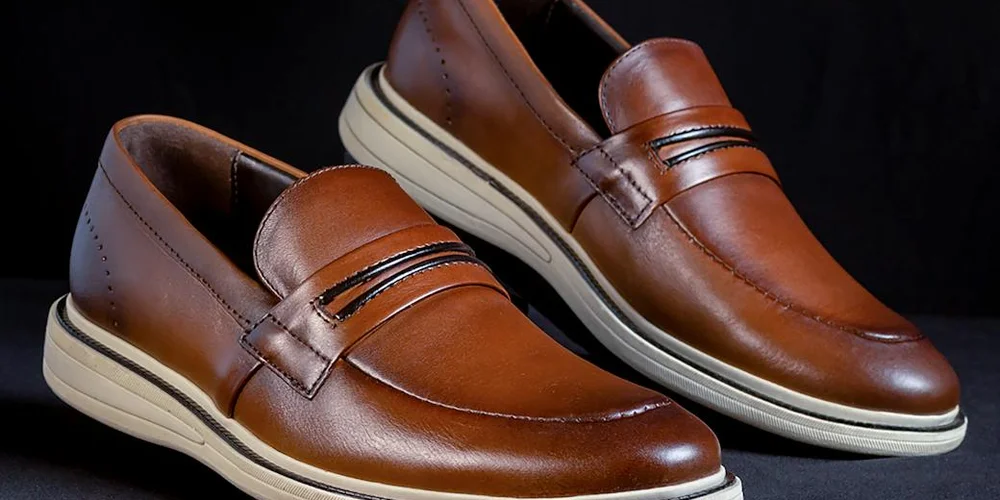
Think of leather like a family. Patent leather is the bold, glossy sibling who makes a statement, while the others have their own distinct personalities. This comparison shows their key traits at a glance.
- Patent Leather: A high-gloss, sealed plastic coating. Non-porous and wipe-clean. Resists scuffs but can crack. Shiny and formal.
- Full-Grain & Top-Grain: Natural, breathable grain surface. Develops a patina. Durable and ages beautifully. Most common for high-quality items.
- Suede & Nubuck: Soft, napped (brushed) finish. Matte and textured. Vulnerable to stains and water marks. Requires gentle care.
- Aniline Leather: Natural grain dyed with translucent color. Shows natural markings. Rich, soft handfeel. Sensitive to stains and sunlight.
Full-Grain & Top-Grain Leather
This is the leather I work with every day. It breathes, it ages, and it tells a story. The surface you touch is the hide’s natural grain, just like the surface of your skin. Over years, it develops a rich color and softness called a patina. Think of the difference between stiff new denim and your favorite worn-in jeans. That’s the magic of patina.
My saddle, Mason, is full-grain. Its deep chestnut color has only gotten richer. My jacket, June, is soft top-grain calfskin, perfect for the light creasing that comes with wear. My wallet, Scout, is veg-tan full-grain, darkening naturally from my hands. Most quality leather jackets, boots, and bags you love are made from these types.
Caring for them is about maintenance, not creating a barrier.
- Clean with a damp cloth or a dab of pH-neutral saddle soap for heavier dirt. Let it dry completely.
- Apply a light coat of conditioner made for aniline or natural leathers. Rub it in with your fingers in a circular motion.
- Let it absorb for an hour, then buff with a soft, dry cloth. Do this every 6-12 months, or when the leather feels dry.
A common mistake is using waxes or heavy oils meant for work boots on a delicate jacket. This can clog the pores and prevent the natural patina from forming. If the leather feels stiff, a proper conditioning is the simple fix.
Suede & Nubuck
These are all about texture. Suede is created by splitting the hide and buffing the underside into a soft nap. Nubuck is made by gently sanding the top grain side. Both have a velvety, matte finish. Where patent leather is a mirror, suede is a soft, brushed canvas. This beautiful nap is also its weak point. A splash of water or a drop of oil leaves a dark spot instantly, unlike patent’s sealed, wipe-clean shell.
Caring for them is specialized. You need the right tools.
- Use a suede brush or a clean, dry microfiber cloth for regular dusting. Always brush in one direction to lift the nap.
- For stains, use a dedicated suede eraser or a clean pencil eraser. Gently rub the spot, then brush.
- For overall cleaning, use a foam cleaner made specifically for suede or nubuck. Apply a small amount to a cloth, work it in gently, and let it air dry completely before brushing.
The biggest mistake is using standard leather cleaners or conditioners. They will saturate and matte the nap, often permanently. If you get caught in the rain, let the item dry naturally away from heat, then brush the nap back up. A professional cleaner can often revive badly stained suede, especially when water stains have damaged the fabric.
Aniline Leather
Aniline leather is like full-grain’s more elegant cousin. It undergoes a special dyeing process where translucent color soaks deep into the hide. This lets the hide’s natural character-like scars, wrinkles, and grain variation-show through, creating a uniquely rich appearance. It feels incredibly soft and natural. Patent leather is the opposite; its thick, opaque coating creates a flawless, uniform gloss that hides the hide’s natural story — but it also hides [stains better and is easier to repair](https://tannerytalk.com/aniline-vs-pigmented-leather-which-hides-stains-better-and-is-easier-to-repair).
Because the surface is so pure and unprotected, it needs gentle care.
- Dust weekly with a dry, soft cloth. Prevention is key.
- Clean spills immediately with a barely damp cloth. Blot, don’t rub.
- Condition with a dedicated aniline leather cream every 4-6 months. Test it on a hidden spot first to ensure it doesn’t darken the color unevenly.
A common error is exposing aniline leather to direct sunlight for long periods, which can fade the rich dyes. Another is using colored or waxy conditioners that obscure its natural beauty. The simple fix for light scratches is often just a gentle rub with your fingertip; the natural oils from your skin can help blend minor marks.
Scratches, Scuffs, and Durability: What Happens When Life Happens?
This is where the road splits for these materials. How they handle a bump or a scrape tells you a lot about their character and care needs.
The Spotlight Effect of Patent Leather
Imagine dragging a key across a shiny, new car door. That’s the patent leather experience with scratches. Its mirror-like finish acts like a spotlight for any mark. A surface scratch doesn’t cut the leather, but it mars the perfect plastic coating, leaving a very visible, dull line.
If you scuff the toe of a patent leather shoe, you don’t see a scuff, you see a broken reflection.
For light surface marks, a soft cloth dampened with a neutral leather cleaner can sometimes buff them out. Deeper scratches into the coating are a different story. You can’t just condition them away.
How Full-Grain Leather Ages With Grace
Now, look at my old jacket, June. It’s covered in light creases and tiny scuffs from years of wear. On full-grain leather, those aren’t flaws. They’re the start of a patina.
A scuff on full-grain leather slightly compresses the dense fibers at the surface. Over time, with exposure to light and the oils from your hands, that spot will darken and blend in. It becomes part of the story. The leather absorbs the damage and makes it part of its character.
Where patent leather shows a flaw, full-grain leather begins to earn its unique look.
You help this process along with a light conditioner every few months. It keeps the fibers supple so they can age evenly.
Flexibility: Pull-Up vs. A Rigid Shell
Think about bending a stiff plastic folder versus a soft, oily piece of leather. This is the core difference.
Oily, “pull-up” leathers (like some boots and bags) are stuffed with waxes and oils. When you bend or scratch them, the oils momentarily move away from the pressure point, causing a temporary lightening of color. It’s like pressing your thumb into soft clay. The color often flows back on its own, hiding the mark.
Patent leather has no give in its coating. It bends, but the glossy shell sits on top. Under stress, it can crack. It won’t lighten or change color where you bend it, it just risks breaking.
Pull-up leather is like worn denim; it looks better with distress. Patent leather is like a porcelain finish; it needs to stay pristine.
The Reality of Repair
When most leathers get dry or scratched, my first move is to clean and condition. This simple care fixes 90% of common wear for pieces like Scout, my wallet.
Patent leather changes the game. That tough coating is its own enemy if it fails. Once the plastic layer cracks or peels, you cannot hydrate it back together. The repair involves specialized acrylic finishes and dyes to try and replicate that perfect shell. It’s a cosmetic fix, not a nourishing one.
A crack in patent leather is a finish problem, while a scratch in full-grain is often just part of its life cycle.
Your best defense for patent is gentle, immediate cleaning of dirt and avoiding sharp folds. For everything else, regular, light conditioning is the shield that keeps the leather itself healthy behind the scenes.
Caring for the Shine: A Special Routine for Patent
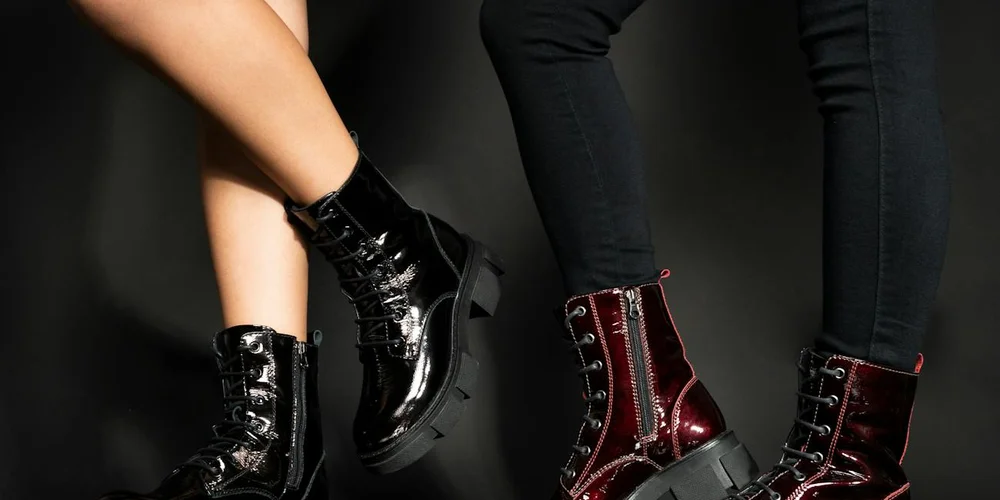
Think of patent leather like a piece of fine glassware. You don’t wash a wine glass with motor oil. The high-gloss finish is a thin, flexible plastic coating applied to the leather. Your job is to keep that clear coat clean and clear, not to feed the hide beneath it.
Using a traditional leather conditioner or oil is the single biggest mistake you can make with patent leather. These products are made to soak into porous leather. On patent, they will not absorb. Instead, they will sit on the plastic surface as a greasy, cloudy film that is incredibly difficult to remove. It can permanently dull the shine. Leather conditioner and oil are different, and neither is suitable for patent leather.
Your Simple Patent Leather Care Kit
- A very soft, lint-free cloth (microfiber is perfect)
- Lukewarm water
- A dedicated patent leather cleaner (optional but ideal)
- A tiny dab of plain petroleum jelly (for scuffs)
The Step-by-Step Cleaning Process
This routine takes just a few minutes. Do this whenever your patent items get dusty or have light fingerprints.
- Dampen your soft cloth with lukewarm water. Wring it out completely. You want it barely damp, not wet.
- Gently wipe the surface in straight lines, following the grain of the leather if visible. There’s no need to press hard.
- Immediately dry the surface with the dry side of your cloth or a second dry cloth. This prevents water spots.
- Let the item air dry for 10-15 minutes in a cool, shaded spot before using or storing it.
For a deeper clean, use a cleaner made specifically for patent or vinyl. Spray it onto your cloth, not directly onto the leather, and follow the same wipe-and-dry steps. This helps keep patent leather clean and conditioned, reducing the risk of cracking. It also helps prevent clouding, preserving a clear, glossy finish.
Fixing Scuffs and Marks
Small white scuffs on the surface are common. They are just scratches in the topcoat. You can often buff them out.
A tiny amount of plain petroleum jelly on your fingertip is a reliable fix for light surface scuffs. Apply a minuscule dab directly to the mark and gently rub it in with a circular motion for a few seconds. The petroleum jelly fills the micro-scratches, making them less visible. After a minute, buff the area gently with the clean, dry part of your cloth to restore the shine and remove any excess.
How to Store Patent Leather
Never let patent leather pieces touch each other in storage. The plastic coatings can fuse together in heat, causing permanent damage. Always place a soft cloth or tissue paper between patent items. Store them away from direct heat sources in a cool, dry place.
How This Differs from Caring for Your Other Leathers
Compare this to my regular routine for Mason, my English saddle. For him, I use saddle soap to clean, which lifts dirt and adds a little moisture. Then I work in a generous amount of leather oil or conditioner, letting it soak deep into the fibers to keep them supple and strong. It’s a nourishing bath.
Caring for June, my soft calfskin jacket, is similar. A light cleaner followed by a conditioner made for garment leather keeps the material from drying out and cracking at the creases.
Patent leather care is purely surface-level maintenance, while caring for full-grain or smooth leather is about deep nourishment from the inside out. You are preserving the coating on top, not feeding the skin underneath. Once you understand that separation, keeping your patent items shining is straightforward.
Choosing the Right Leather for Shoes, Bags, and Jackets
Think of choosing leather like choosing a friend for a specific journey. You want the right companion for the trip. Here’s how to pick.
For Shoes: Match the Leather to Your Step
A shoe’s leather needs to handle its unique pressures-from flexing with every step to facing the elements.
Patent leather is your formal partner, designed for a brilliant, unwavering shine at events where scuffs are a rarity. That high-gloss coat doesn’t breathe or flex like traditional leather. I treat patent pieces with kid gloves. A damp, soft cloth is the only cleaner they ever need. Never use traditional leather conditioners or creams on the glossy surface; they can cloud the finish permanently.
For shoes you live in daily, full-grain leather is the durable, comfortable choice that forms to your foot. My own boots are made from it. It develops a rich patina-scratches and creases become part of its story, not flaws. Care is straightforward: clean with a gentle saddle soap, condition every few months, and use a quality wax polish to protect from rain. This is the leather for someone “hell bent for leather,” ready for long-term wear.
Suede offers a soft, casual texture but asks for more attention. It stains and marks easily. You need a suede brush and eraser kit from day one. A protective spray is a wise first step. For cleaning, brushing is often enough, but specialized suede cleaners are your next line of defense.
For Bags: Style Versus Story
Your bag carries your life. The leather determines if it’s a glossy statement or a growing companion.
A patent leather bag is a structured, glossy statement piece that commands attention, but it asks you to be mindful of sharp corners and colored surfaces that might transfer onto its coat. Its care mirrors patent shoes: surface cleaning only. The rigid finish resists developing a personal patina; it stays as it was bought, for better or worse.
For an everyday bag that ages beautifully with you, vegetable-tanned or full-grain leather is the answer. Think of my friend Scout, the veg-tan wallet. It started a light tan and is now a deep, personal brown. These leathers soften, develop character, and gain strength with proper care. A simple routine keeps them perfect: wipe with a dry cloth, condition every six months, and store them with a bit of shape so they don’t slump. A scratch can often be rubbed gently with your thumb to lessen its appearance.
For Jackets: Character Versus Flash
A great jacket feels like a second skin. The right leather makes that happen.
A classic leather jacket is typically made from supple aniline or full-grain hides, chosen specifically for comfort and the ability to develop unique character with every wear. My jacket, June, is a perfect example. The calfskin creased naturally at the elbows and arms, creating a map of my movements. These jackets need to move with you. Their care focuses on maintaining that suppleness. To keep it looking its best and lasting longer, proper cleaning, conditioning, and storage matter. Mastering these steps helps maintain its look and durability over time. Use a pH-balanced leather conditioner twice a year. Apply it in thin layers, rubbing it in thoroughly, and let it absorb fully before wearing.
Patent leather in jackets is a bold fashion choice, prioritizing a dramatic, eye-catching shine over the traditional broken-in feel and evolving patina. It won’t develop the same worn-in character as June. You sacrifice some pliability for that mirror finish. Care is critical-keep it away from rough surfaces and clean only with a soft, damp cloth to preserve its pristine shell.
That phrase, “hell bent for leather,” comes from that traditional, tough association. It speaks to the rugged, broken-in spirit of full-grain and veg-tan hides-the ones that age with you through adventures, not the ones that stay pristine on a shelf.
Price and Repairs: What You Pay For and What You Can Fix
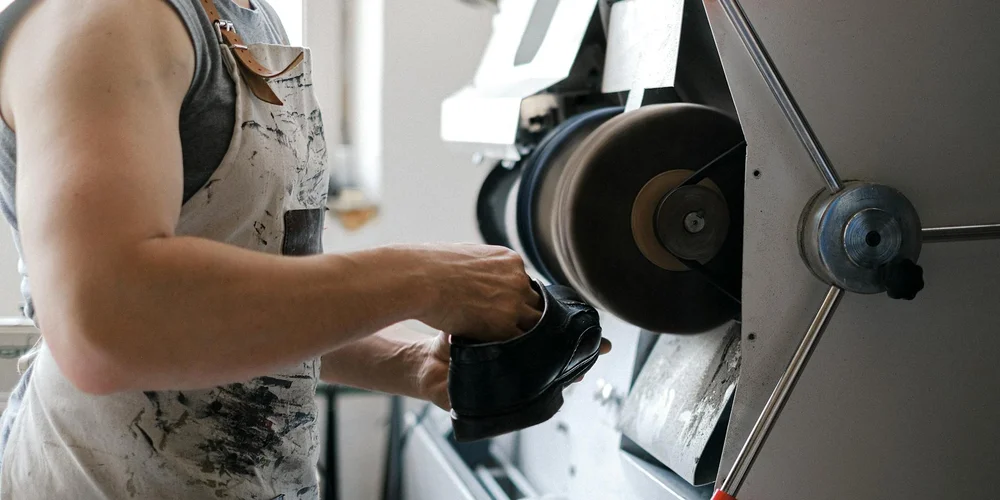
When you look at a price tag, you are seeing the story of durability and care written in numbers. High quality full grain leather is a long term investment. My saddle, Mason, cost a pretty penny eight years ago. Today, its deep chestnut color has a rich patina that only comes from age and use. That initial cost spreads out over decades with simple care. It is like buying a solid piece of furniture instead of a disposable one.
You pay more for full grain because it is built to last, growing more character with every year you own it.
Patent leather tells a different story. The price can vary wildly. That high gloss coat might be covering excellent leather or a very thin, low grade base. I have repaired patent bags where the shiny surface peeled away to reveal a brittle core that cracked easily. The cost does not always tell you about the strength hiding underneath the shine.
Think of it this way. Full grain is like dense, hardwearing denim. Patent is like that same denim with a permanent, fragile vinyl coating on top. The coating adds flash but also vulnerability.
Why Patent Leather Repairs Are Trickier
A deep scratch or crack in the patent coat is hard to fix at home. That glossy layer is a plastic like finish. Once it is broken, the damage shows as a white line or a dull patch that catches the light wrong. I have seen patent heels ruined by a single scrape against a curb.
For minor care, wipe patent leather with a soft, damp cloth. Do not use abrasive brushes or regular leather conditioner. A conditioner made for patent might help with light haze, but it is a temporary fix. For a deep gash, the only real solution is professional recoating. This is not a DIY job.
Damage to the patent finish is often permanent without expert help, making it a less forgiving choice for items that see rough use.
Compare this to a scuff on a full grain leather bag. The natural, porous surface can absorb treatments. Here is how I would handle a scuff on a bag like June, my jacket. The process is straightforward.
- First, clean the area with a neutral, pH balanced leather cleaner. Use a soft brush for any dirt in the grain.
- Next, apply a small dab of leather conditioner with a lint free cloth. Rub it in gently and let it sit for 15 to 20 minutes. You will feel the leather become supple.
- If the color is lifted, use a matching cream polish. Work it into the scuff with gentle, circular motions.
- Let it dry completely for a few hours. Then buff lightly with a clean cloth.
This blends the mark into the leather. Over time, these spots become part of the item’s history. I have done this many times on Scout, my wallet, and the edges just look lovingly worn.
Full grain leather allows you to mend wear and tear yourself, often making the piece look better and more personal after a repair.
Caring for All Leather Responsibly
Every type of leather, when it comes from a source that respects animal welfare and uses responsible tanning practices, is a durable material worth your care. The goal is always to extend its life.
Start by knowing your leather. Run your fingers over it. Full grain has a tangible, uneven grain. Patent is perfectly smooth and cool to the touch. Your care routine must match.
- For full grain items: Clean and condition them every three to six months. If it feels dry, it is time. Use a conditioner that soaks in without leaving a greasy feel.
- For patent items: Dust them weekly with a dry microfiber cloth. Keep them away from direct heat, like radiators, which can cause the coating to cloud or crack.
A common mistake is using a rich conditioner on patent leather. It will not moisturize the base leather and will leave a cloudy film on the shine. For patent, less is more. Often, just a damp cloth is enough.
Simple, correct care honors the material and the craft, ensuring your leather goods serve you well for years to come.
Common Questions
How does the finish of patent leather differ from other leathers?
Patent leather has a thick, non-porous plastic or lacquer topcoat applied for a uniform, high-gloss shell. In contrast, aniline or full-grain leathers have a penetrable, breathable finish that soaks up oils and develops a patina.
Is patent leather more or less breathable than other leather types?
It is significantly less breathable. The sealed coating prevents any air or moisture transfer, which is why patent leather shoes can become uncomfortable during extended wear compared to breathable full-grain leather.
Can patent leather be repaired as easily as other types of leather?
No, it is far more difficult. Cracks or peeling in the plastic coating require professional refinishing, while scuffs on full-grain leather can often be blended with simple conditioning.
How should patent leather be stored compared to natural leather?
Always store patent items separately with a soft cloth between them, as the plastic coatings can stick together. Keep them in a cool, dry place away from heat, which can cloud or crack the finish.
Choosing and Caring for Your Leather
Remember, that brilliant shine on patent leather comes from a delicate coating. Treat it with gentle cleaners and keep it away from heat and oil-based conditioners. For everything else, from a tough boot to a soft jacket, regular cleaning and conditioning with the right products for that leather type builds its character and strength.
Good care is responsible care. Giving your leather the right attention means it will serve you for years, making each piece a sustainable choice. I still learn new things from every piece I work on, from Mason’s saddle to Scout’s wallet, and that ongoing practice is the real craft.
Research and Related Sources
- What Is Patent Leather vs Leather: Ultimate Comparison – Andar
- r/handbags on Reddit: What is the difference between patent leather and normal leather and which one is better?
- Patent leather – Wikipedia
Harriet is a avid collector of leather goods such as purses, bags, seat covers, etc and has an extensive background in leather care, recovery, stain removal and restoration. She has worked for a number of years perfecting her leather care techniques and knows the ins and outs of restoring all kinds and types of leather products. With her first hand knowledge in leather care, you can not go wrong listening to her advice.
Patent and High-Gloss Leather Care